Korai Flix agreed to a SPAC merger valuing it at $3.5 billion, Minivela invested in Latin American microdrama producer Red Minds Films, and Sony Pictures Television signed a creator-led animated microseries deal. Collage launched as a commercial platform for AI-native studios, while Netflix, YouTube, Lionsgate and FilmLA exposed parallel shifts in advertising, television distribution, consolidation and production economics.
⦿⦿
New entertainment categories become industries when the systems around the content start to harden.
Week of Oct 19-Oct 25, 2026
This week, vertical drama received a proposed public-market valuation, a cross-border consolidation strategy and a clearer route into union production. AI entertainment gained a company built to translate between emerging studios and conventional buyers. Around them, new financing vehicles, creator-led development models and changing television economics showed that the real competition is moving beyond formats.
The question is no longer whether mobile storytelling or AI production belongs inside entertainment. It is who will control the infrastructure that turns those ideas into repeatable businesses.
Korai Flix receives a proposed $3.5 billion valuation
Korai Flix and APEX Tech Acquisition announced a definitive merger agreement on October 21, one day after it was signed. The proposed transaction values Korai at $3.5 billion on a pre-money equity basis and would list the combined Krflix Group on the New York Stock Exchange, subject to shareholder, regulatory and listing approvals.
Korai describes an AI-powered platform spanning short dramas, companion avatars and creation tools, with approximately 26 million registered users across 15 Asian markets. Those figures and forecasts remain company disclosures, and the deal has no minimum cash condition. The significance is therefore the proposed public-market valuation, not proof of sustainable unit economics.
 TNGlobal
Minivela invests in Red Minds Films
Minivela acquired a major ownership stake in Red Minds Films, connecting a U.S. Latino microdrama company with a Spanish-language production and social-distribution network in Mexico and Ecuador.
Red Minds claims approximately 1,800 microdramas, 38 million social followers and 185 million monthly views. The transaction includes co-owned original IP, global library resale rights and potential English- and Portuguese-language adaptations. The price and ownership percentage were not disclosed, and the audience figures remain company claims.
The industrial logic is clearer than the economics: Minivela is combining production, owned social channels, branded entertainment, connected-TV distribution and content-to-commerce. This is consolidation around the entire path from story to audience, rather than a simple acquisition of titles.
 Dragomir Stojkov

Sony formalizes a social-native development pipeline
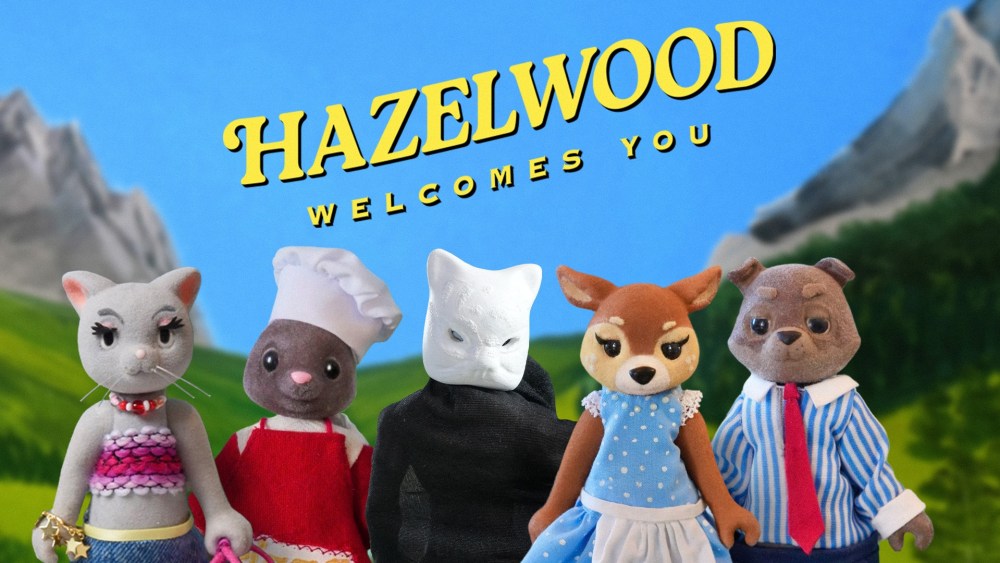
Sony Pictures Television signed a multiyear first-look deal with Thea Von Engelbrechten, the creator behind Moletown Drama. Sony will receive first-look rights to develop and produce her original series, beginning with Hazelwood, a short animated microseries scheduled to premiere on YouTube before moving to TikTok and Instagram.
The deal begins with an audience and storytelling language built on social platforms rather than conventional television development. Sony is not hiring a creator only to promote existing studio IP; it is bringing her voice and audience signal into a formal development relationship. That creates a route through which social-native concepts can become studio-backed intellectual property without abandoning their original distribution environment.
 Michael Schneider
SAG-AFTRA gives vertical production a clearer labor framework
One year after introducing its independent Verticals Agreement, SAG-AFTRA said it had approved dozens of productions under the framework. The agreement covers projects with budgets up to $300,000 and establishes minimum rates, overtime rules, health and pension contributions, and AI protections through a streamlined approval process.
Union productions still represent only a fraction of the vertical market, but the agreement addresses one of the category’s structural gaps. Repeatable production requires more than fast schedules and low budgets; it also needs recognized terms for performers and producers. Early adoption does not settle the labor question, but it gives legitimate operators a clearer route to build projects without inventing employment standards title by title.
 Tess Patton

Collage builds a commercial layer for AI-native studios
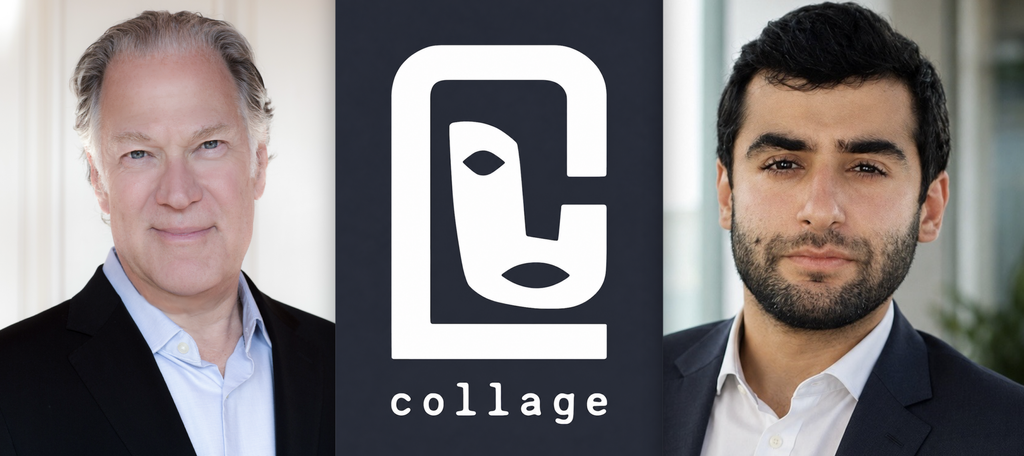
Collage launched as a management, commercial and operating platform for AI-native production companies. Founded by Dante DeSario and Michael Lambert, it represents studios including Asteria, DEFECT, Matriarch and Secret Level. Founding investors include Black Bear and Fundamental Films.
The company says it will help buyers identify production partners, match projects with technologies, structure and price work, support operations and selectively invest. Its model addresses a practical gap: established buyers need vendors that can quote reliably, clear rights and deliver to professional standards, while emerging studios need deal flow and operating support. The important development is not another production tool, but an intermediary designed to make AI-native companies legible to conventional entertainment buyers.
 Roger Cheng
Lux Meridian moves AI production into a studio structure
Territory Group launched Lux Meridian, an AI-native film and television studio drawing on the production experience of Territory Studio and Cantina Creative. The company says it has completed a year-long collaboration with an unnamed major Hollywood studio and is using authorized, proprietary material through Adobe Firefly Foundry.
The lack of a named project, partner, budget or delivery date makes the commercial claims difficult to evaluate. Even so, the launch reflects a shift from experimental AI output toward a studio structure built around development, production and delivery. Its significance will depend on whether Lux Meridian can disclose finished work and repeatable economics, rather than simply demonstrating that established design and VFX teams can add generative tools.
 Dan Sarto

One Media Capital targets production cash-flow gaps
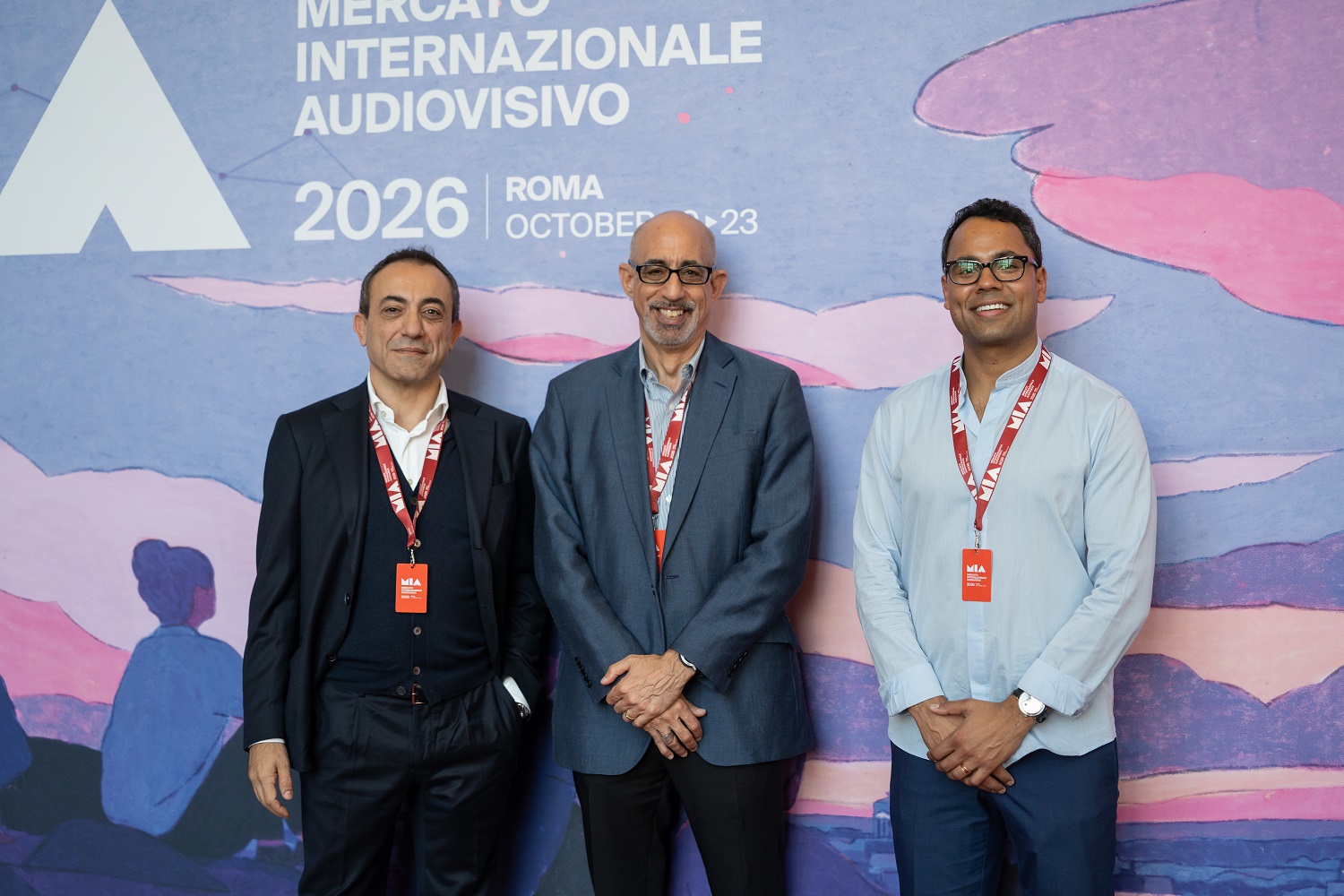
RP1 Holding and MCT Credit Solutions unveiled the €100 million One Media Capital Fund at Rome’s MIA market. Managed by Ingenii SGR, the fund will provide private-credit financing to Italian and international producers and distributors working on projects in Italy.
The vehicle is designed to complement bank lending and bridge the period between production spending and the arrival of tax incentives, distribution revenue or other receivables. Its partners said discussions were already under way for an initial group of projects before the end of 2026. The model does not replace conventional film finance, but it treats timing and liquidity as infrastructure problems—and creates a specialized financing product around the production cycle rather than around corporate growth alone.
 Davide Abbatescianni
Popular Demand finances projects through measurable fandom
Former Kickstarter strategy chief Jon Leland and former Lucasfilm digital media executive Ivan Askwith launched Popular Demand, a company designed to combine crowdfunding, ticket presales, brand partnerships, merchandise and external capital. Its first film release will be Annapurna Sriram’s Fucktoys, with additional projects and partnerships still to be announced.
Popular Demand is approaching financing from the audience side. Rather than treating fandom only as a marketing asset after production, it aims to use measurable demand to help determine which projects move forward and how much outside capital they require. The open questions are ownership, fees, campaign conversion and theatrical partnerships, but the model offers creators another route between self-financing and a conventional greenlight.
 Jeremy Kay
YouTube reaches television-scale distribution
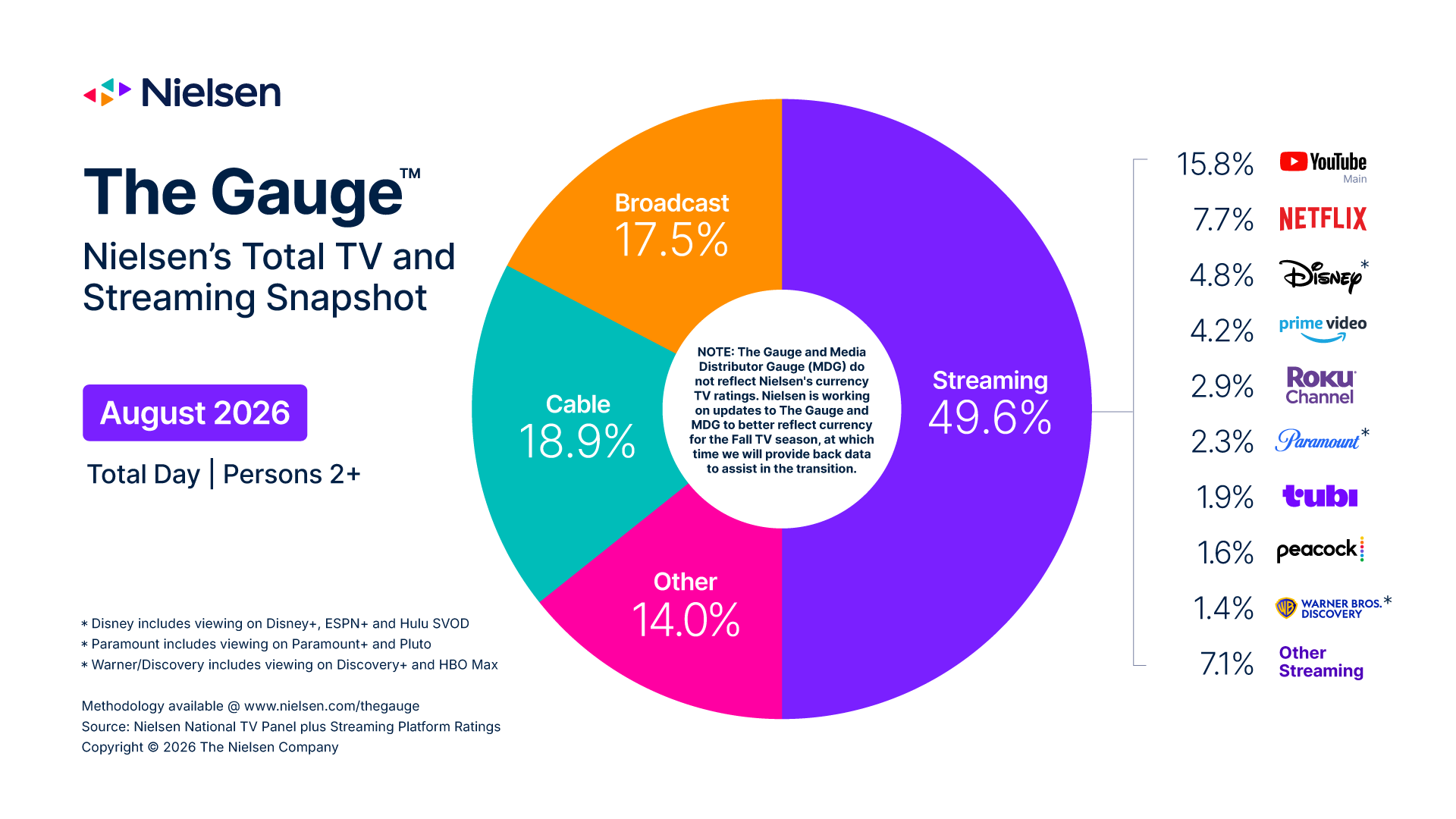
YouTube captured a record 15.8% of U.S. television viewing in Nielsen’s August report, released October 22. Streaming represented 49.6% of total television time, while YouTube viewing rose 6% month over month and increased 9% among viewers aged 50 and older.
The numbers reinforce YouTube’s position as television infrastructure rather than a supplementary social platform. Creator-led and studio content now reaches multiple age groups inside the same living-room environment as broadcasters and subscription services. That does not make every YouTube format economically equivalent to television, but it changes the distribution question. The platform is no longer simply where audiences discover entertainment before moving elsewhere; it is increasingly where television-scale viewing itself takes place.
 honeyshah
Legendary seeks greater control through Lionsgate
Legendary Entertainment has submitted a takeover offer for Lionsgate, according to Bloomberg. The reported proposal values Lionsgate at approximately $3.5 billion including debt, although neither company has confirmed a transaction.
Lionsgate would give Legendary a library of more than 20,000 film and television titles and an established theatrical distribution operation. A company known primarily for producing and financing major franchises would gain more direct control over how projects reach the market and how library value is monetized after release. The proposal remains preliminary, but its logic matches the week’s wider pattern: the most valuable position is not only creating content, but owning more of the infrastructure around financing, distribution and long-term rights.
 Dawn C. Chmielewski and Thomas Buckley

Also Worth Watching
Netflix lowered its 2026 advertising outlook. The company reduced its forecast from approximately $3 billion to $2.7 billion, citing slower development of advertising product capabilities, even as third-quarter revenue grew 12% to $12.9 billion.
Peacock reported a second consecutive profitable quarter. Comcast disclosed $261 million in adjusted EBITDA and 48 million paid subscribers, while warning that sports-rights timing would continue to make quarterly profitability uneven.
Los Angeles location production declined again. FilmLA recorded 4,171 shoot days in the third quarter, down 4.8% year over year and nearly 29% below the five-year average; incentive-backed projects represented about 40% of scripted filming.
European producers raised the rights-retention problem. At MIA, 66.7% of 30 surveyed Spanish producers said they transferred all rights on platform- or broadcaster-financed projects, while only 3.3% retained significant rights.
Studio TF1 tested two vertical series through Vertival. Barjac Production entered two pilots in the French vertical-series competition, although no full-season order, budget or distribution platform has been announced.
Further Reading
How Vertical Drama Makes Money: Inside the Microdrama Business Model - Its breakdown of episode unlocks, advertising, subscriptions, acquisition costs and revenue sharing provides the economic context for this week’s investment and distribution stories.
 Real Reel

Interview · R:ID × Darren Darnborough & Richard Cambridge - The VertiCast founders’ discussion of casting speed, representation, union participation and AI likeness licensing extends this week’s labor-infrastructure story.
 Real Reel
✱