UPCUT. |Top 10 Vertical Drama Actress: Actresses’ Place in the Scroll

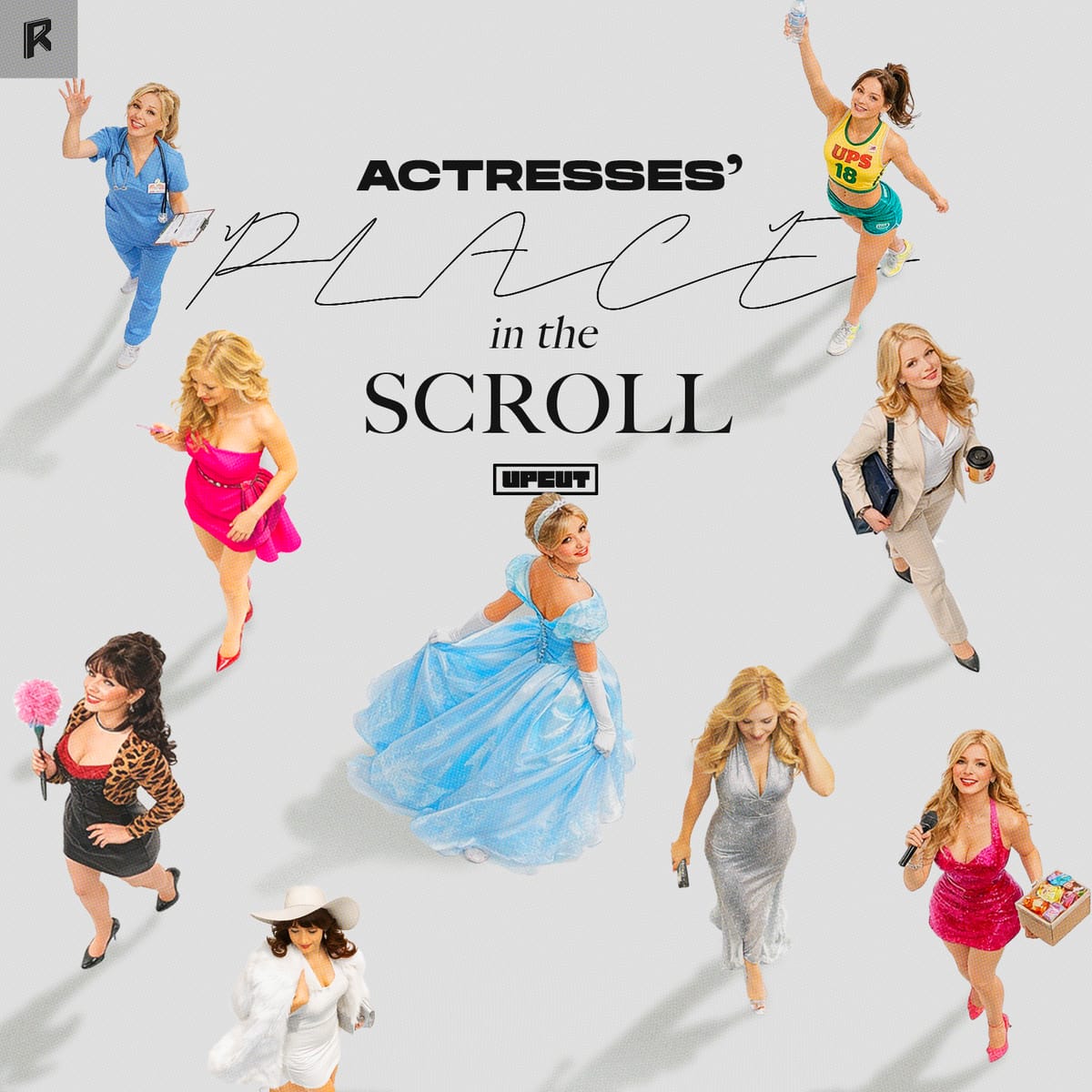

Vertical drama does not create stars overnight.
It creates workhorses — performers whose IMDb pages quietly accumulate Vertical credits, whose faces recur across platforms, and whose casting becomes predictable not because it is lazy, but because it works.
The actresses below are not listed for novelty or visibility alone.
They are here because their careers now exist inside the vertical system, not adjacent to it.
—AMY

Maria Barseghian
Maria’s career progression is one of the clearest examples of how an actor becomes structurally embedded in vertical drama.
Her IMDb credits are heavily concentrated in Verticals, with repeated lead roles across alpha-romance and power-dynamic narratives.
Titles such as
Breaking the Deal with My Hockey Bad Boy
and
Fated to the Alpha
place her squarely in the genre core, not on its edges.
More importantly, she is repeatedly cast in variations of similar emotional frameworks: domination, resistance, reversal, suggesting strong platform confidence rather than one-off experimentation.
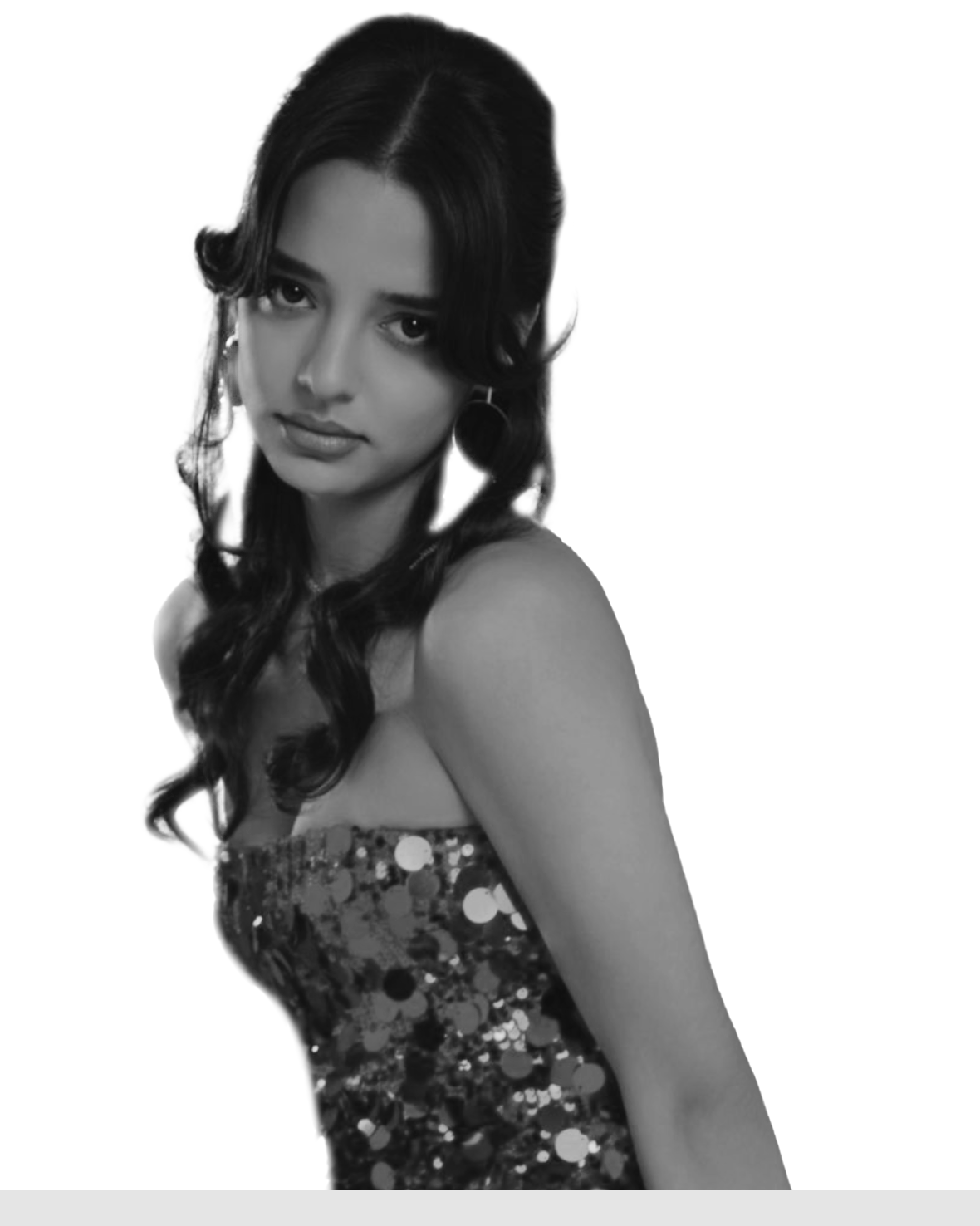
Maria trained in film and performance in Los Angeles and entered vertical drama early in the format’s Western expansion phase. Within casting circles, she is frequently referenced as a “safe alpha-romance lead” — an actress whose presence reduces performance risk in high-volume genre production.
Her value is not tied to a single breakout title. It lies in casting reliability: she consistently delivers legible emotional beats under extreme close-up, making her a dependable lead across multiple vertical IPs.
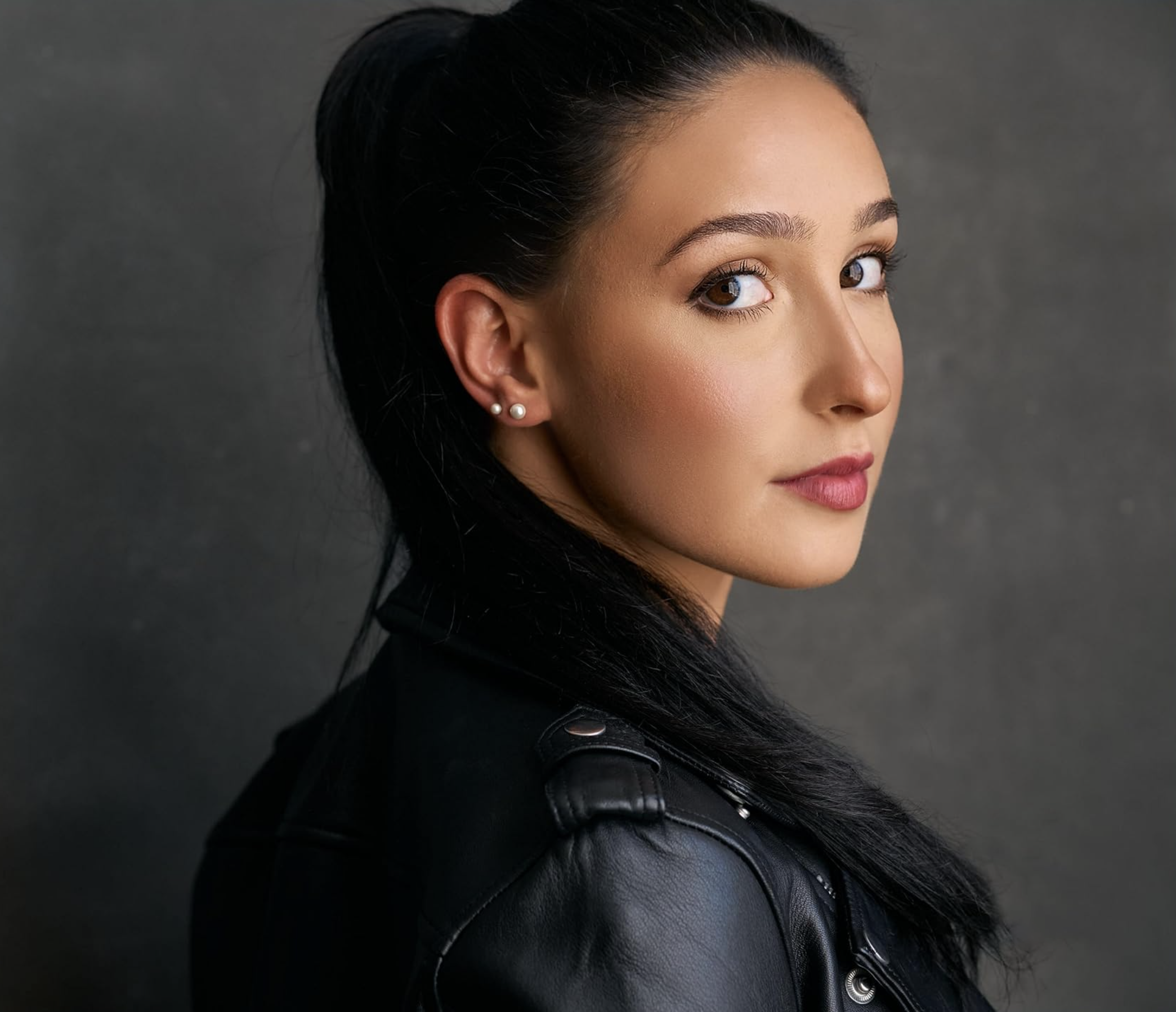
Mariah Moss
Mariah has built a résumé that reflects vertical drama’s reliance on emotional throughput rather than spectacle.
Before concentrating on vertical drama, Moss worked across short-form narrative projects and digital series, a background that informs her ability to deliver emotionally complete scenes in limited runtime.
Several of her vertical titles are regularly cited by viewers in comment sections as being “carried by the female lead,” a rare but telling signal in this format.
Her IMDb page lists multiple Vertical in which she occupies the central emotional axis, including
Queen of the Court
and
The Way Back Into Love
These are not ensemble-heavy projects. They are structured around her reactions, reversals, and emotional escalation.
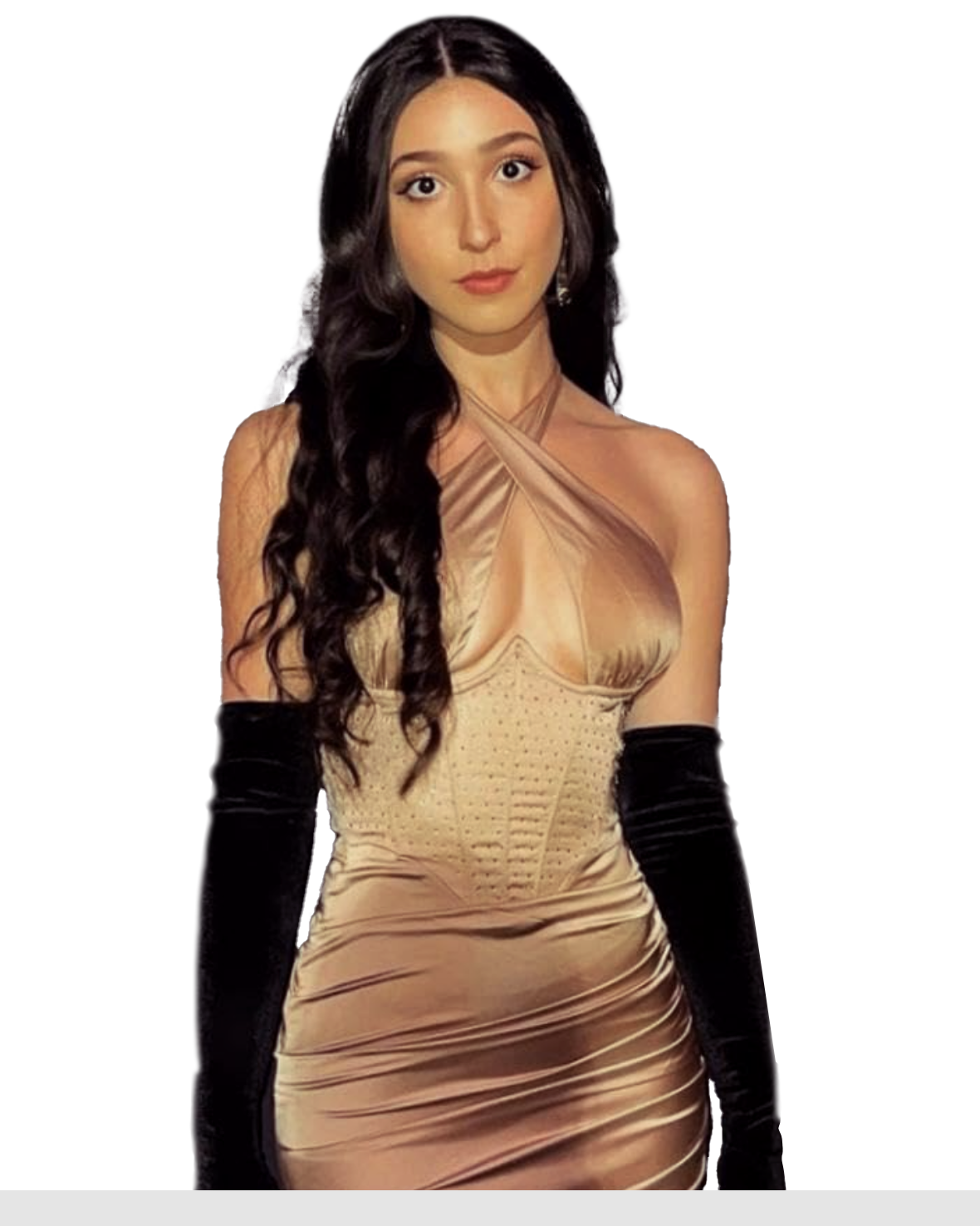
That casting pattern matters. It indicates that productions are not using her to decorate a premise, but to carry narrative continuity across dozens of short episodes.
In an ecosystem where early abandonment is common, Moss is consistently placed where viewer attachment is the primary retention mechanism.
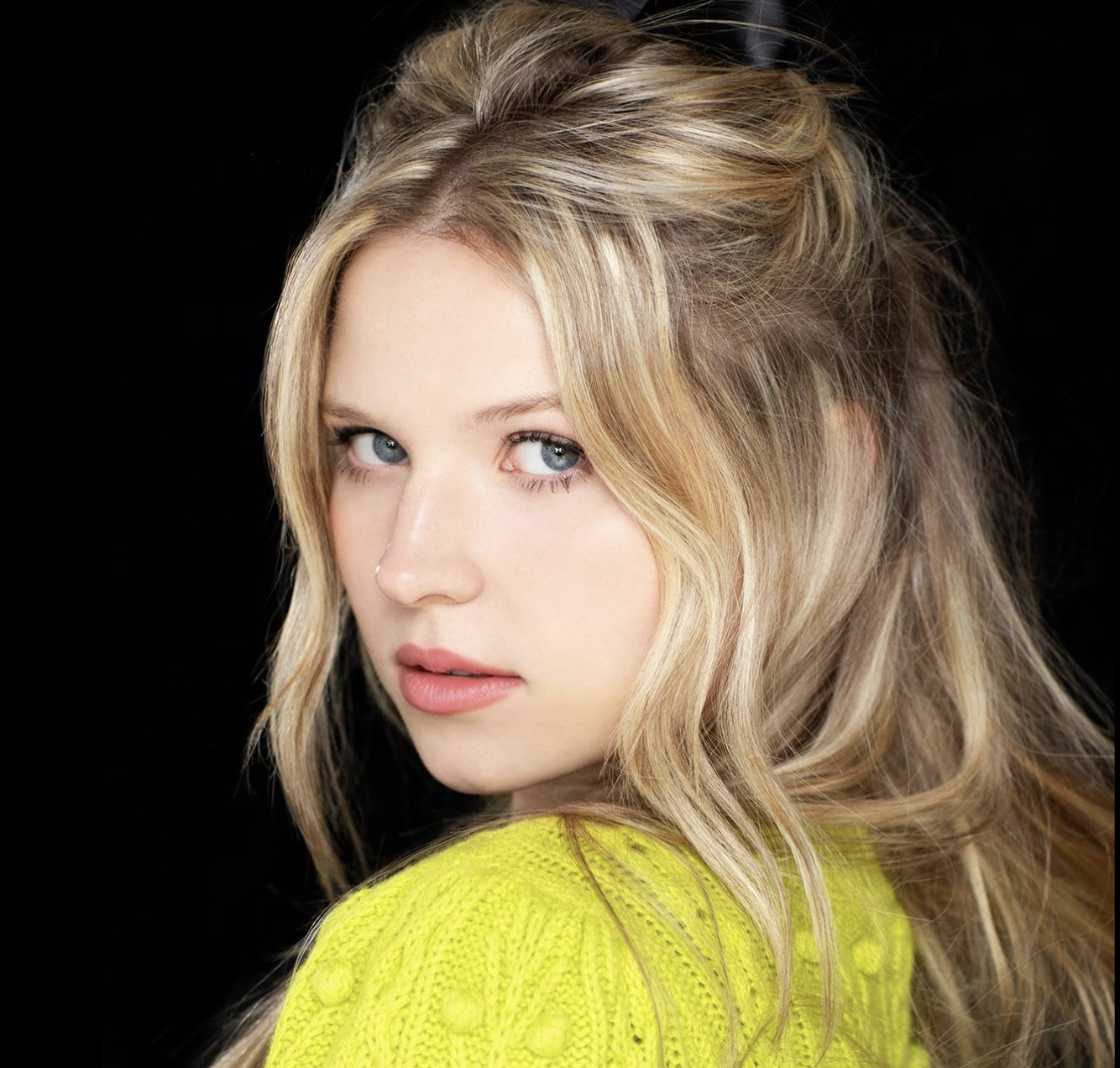
Nicole Mattox
Nicole operates at the intersection of vertical drama and independent screen work.
While her IMDb includes feature credits, her Vertical appearances place her firmly within the vertical ecosystem rather than adjacent to it.
Representative vertical drama credits include
Queen Never Cry
Rules of Protection: The Bodyguard I Hate
and
Billionaire’s Masked Wife
Across these titles, Nicole is consistently cast in emotionally restrained female leads, characters positioned less as spectacle drivers and more as narrative stabilizers within heightened premises.
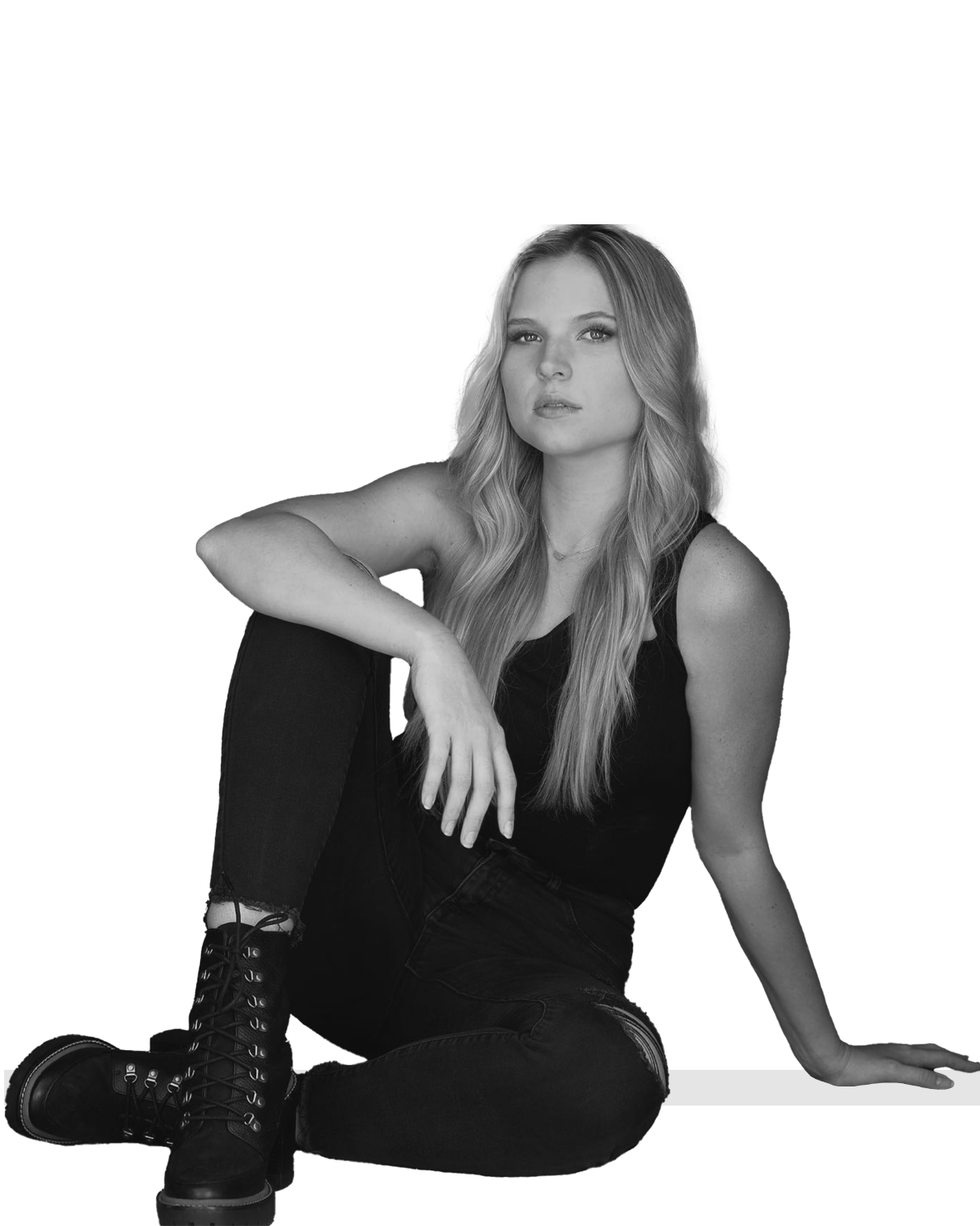
Nicole maintains parallel experience in independent film and vertical drama, a crossover that has drawn attention as platforms explore higher-production-value vertical projects. Her casting often signals an attempt to introduce cinematic texture without disrupting vertical pacing norms.
This crossover matters. Nicole is often selected when productions aim to raise performance texture without breaking vertical pacing discipline. Her casting signals an industrial intent: maintaining close-up legibility and emotional continuity while nudging vertical drama toward longer arcs and slightly elevated production standards.
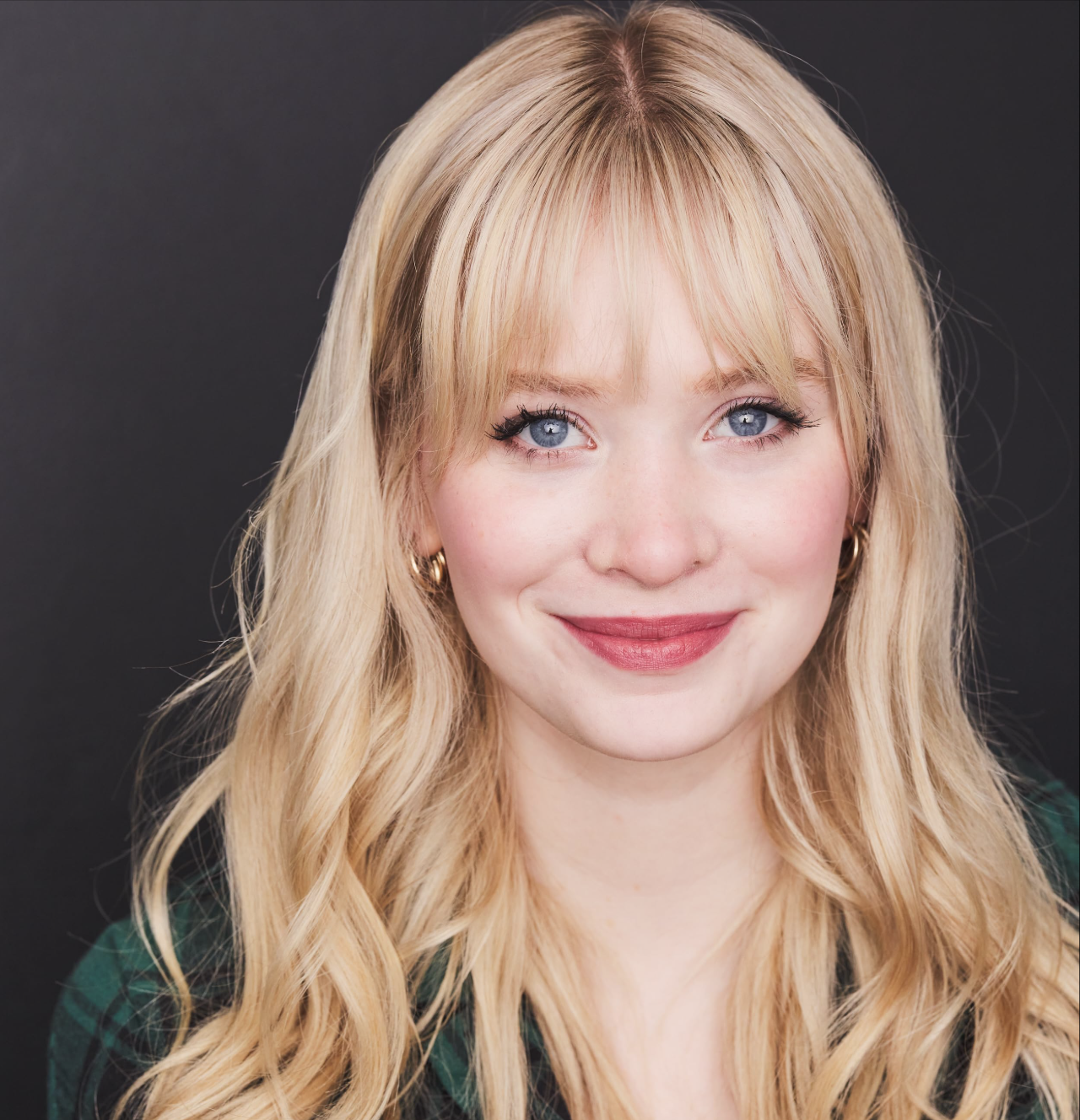
Kyra Wisely
Kyra's performance control reflects her background in movement-based training.
Her IMDb Vertical credits place her in grounded romance and protection narratives such as
Billionaire CEO’s Obsession.
Her casting tends toward restraint rather than excess. In an environment often dominated by heightened reactions, Wisely’s controlled pacing offers tonal contrast and narrative clarity.
She is frequently used when productions require precision rather than amplification, especially in scenes driven by silence, proximity, or withheld emotion.
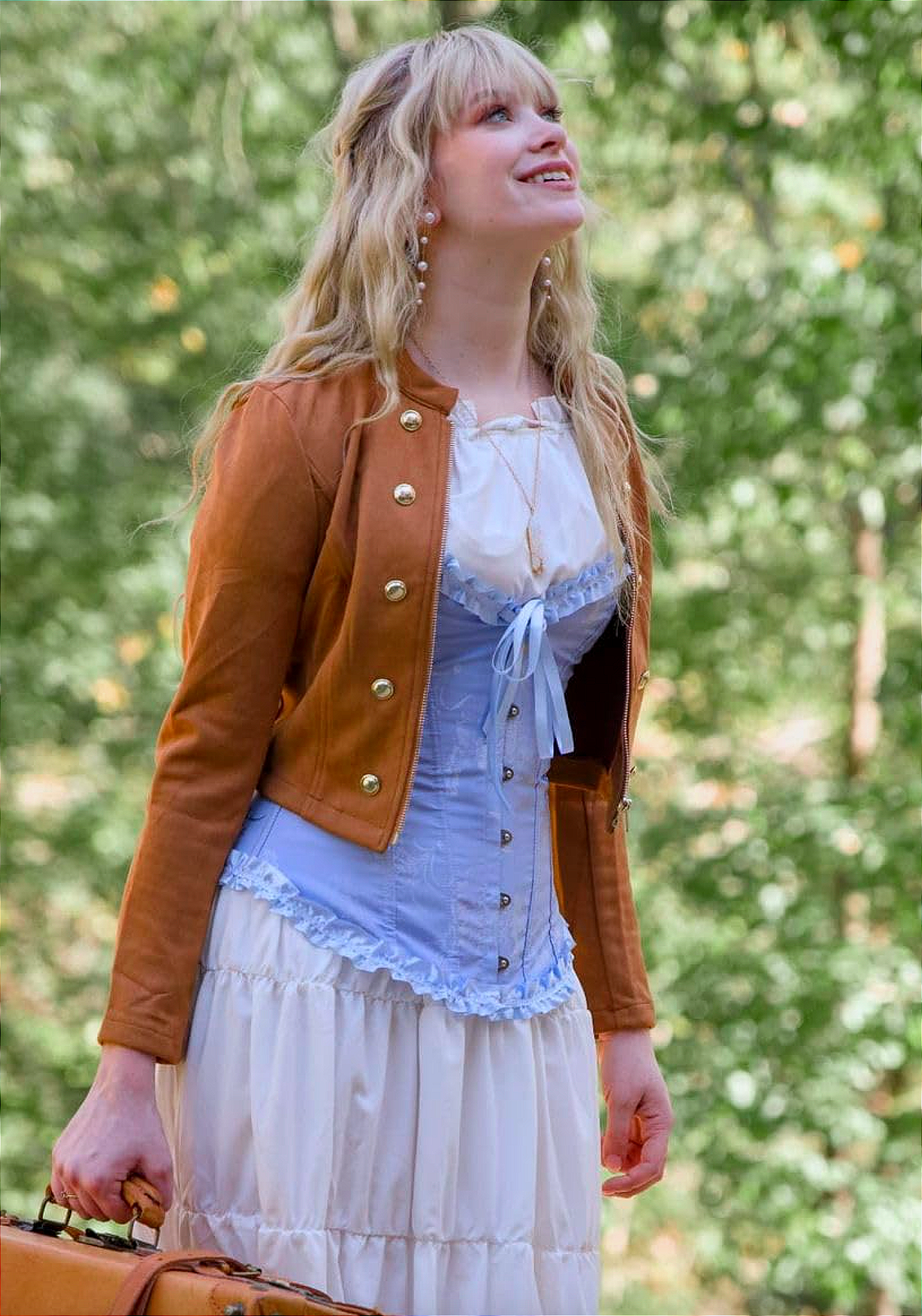
Wisely’s training as a classical dancer is frequently noted in industry bios and informs her on-screen restraint. In vertical drama, where pacing is often dictated by editing rather than performance, this physical discipline allows her scenes to remain readable without exaggeration.
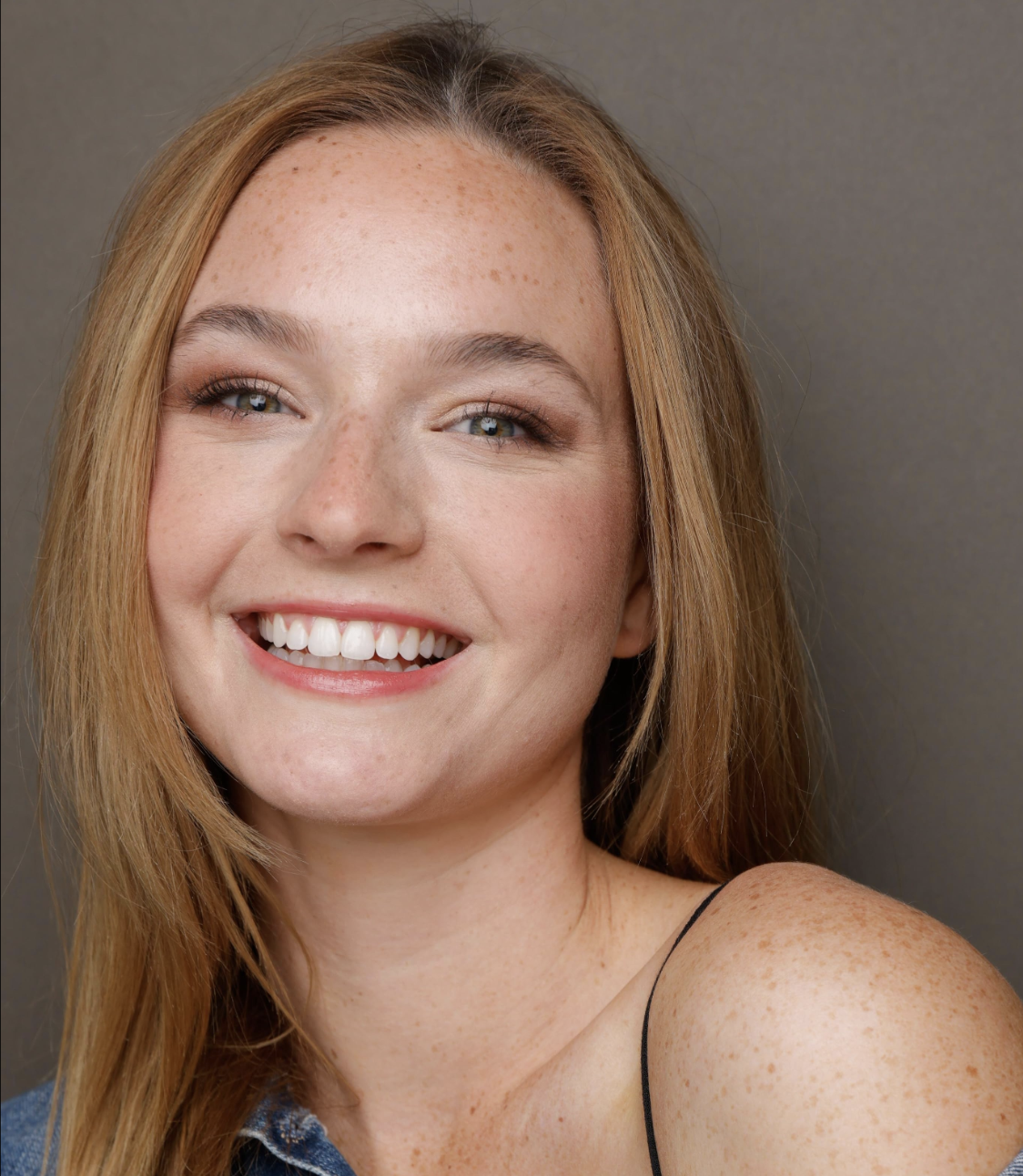
Grace Woods Swanson
Grace holds a formal theatre background, including classical stage training, which distinguishes her within a vertical ecosystem dominated by rapid casting pipelines.
That foundation is often reflected in her control of intention and subtext under sustained close-up.
Grace Woods Swanson brings formal theatrical training into the vertical space, and that background is visible in how she manages intention under constraint. Her IMDb credits list Vertical such as
True Luna
and
Driven to Love
both centered on prolonged romantic conflict.
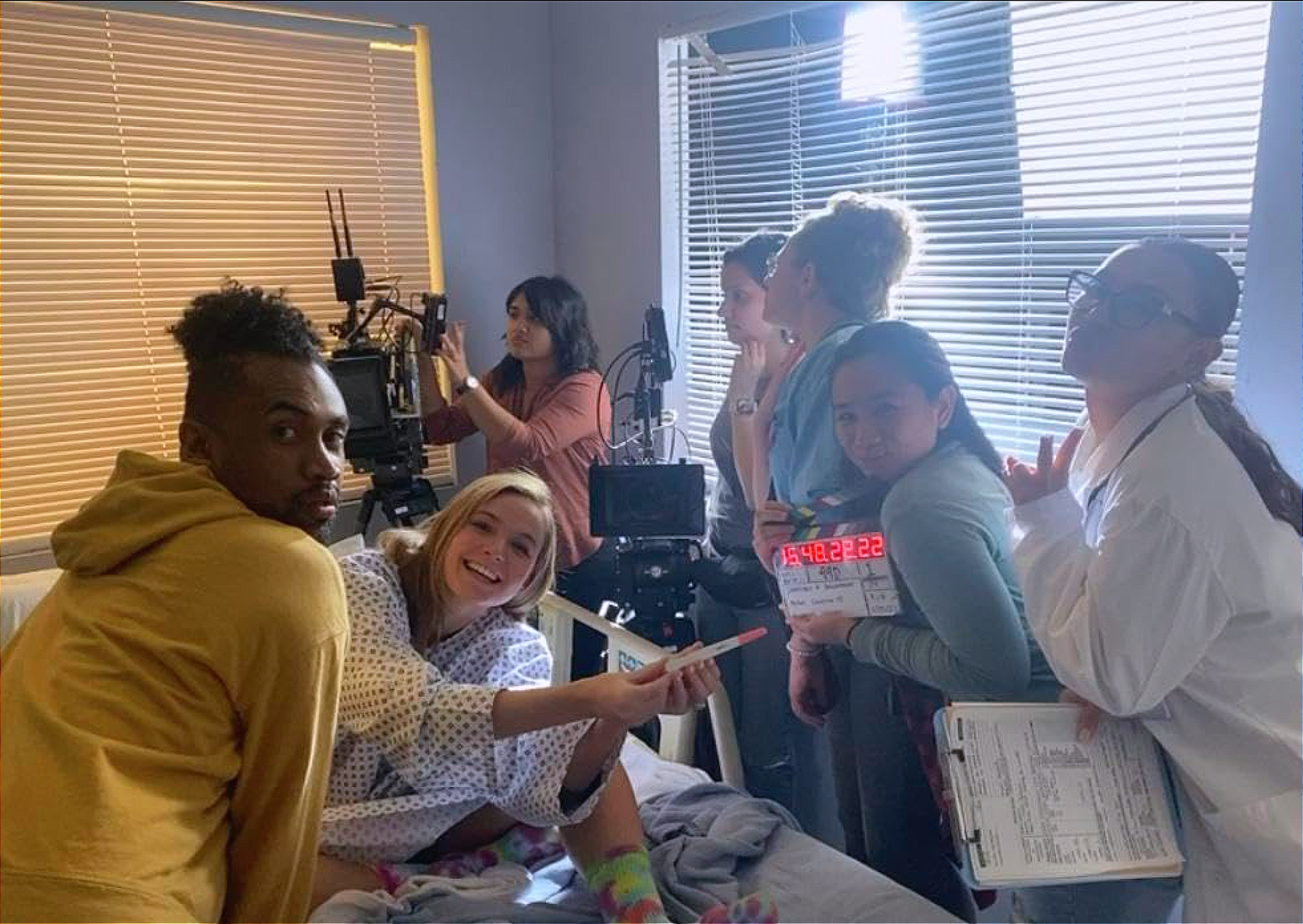
What distinguishes Swanson is not volume alone, but her ability to sustain audience alignment through morally uneven choices. She is often cast in roles that require the viewer to stay emotionally invested despite flawed decisions.
In vertical drama, that capability reduces narrative churn and extends arc viability: a practical asset, not a stylistic flourish.
Ashley Michelle Grant
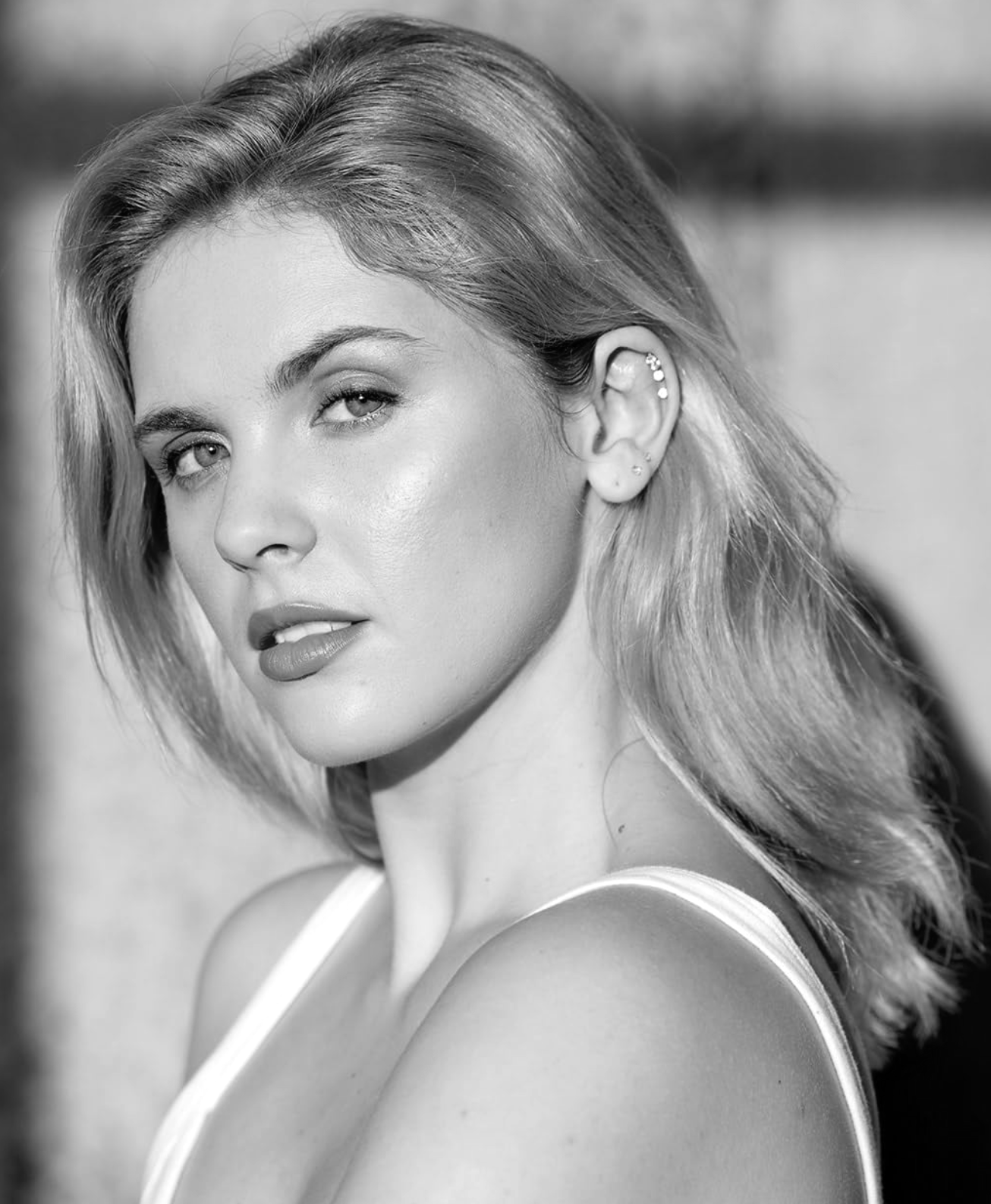
Ashley occupies a different but equally critical lane within the vertical ecosystem: repeatable contemporary romance.
Ashley’s repeated involvement in sequel and spin-off vertical projects places her in a small subset of actresses trusted with narrative continuity. In vertical production, such follow-up casting is generally reserved for performers who demonstrate both schedule reliability and audience tolerance over extended episode counts.
Her Vertical credits include sequels and adjacent titles such as
Falling for a Superstar 1& 2
and
Ms. Billionaire’s Love Business.
This is the résumé of an actress trusted with continuity. Sequels are rarely assigned to untested leads in vertical production cycles. Ashley’s casting reflects reliability under compressed schedules and narrative familiarity.
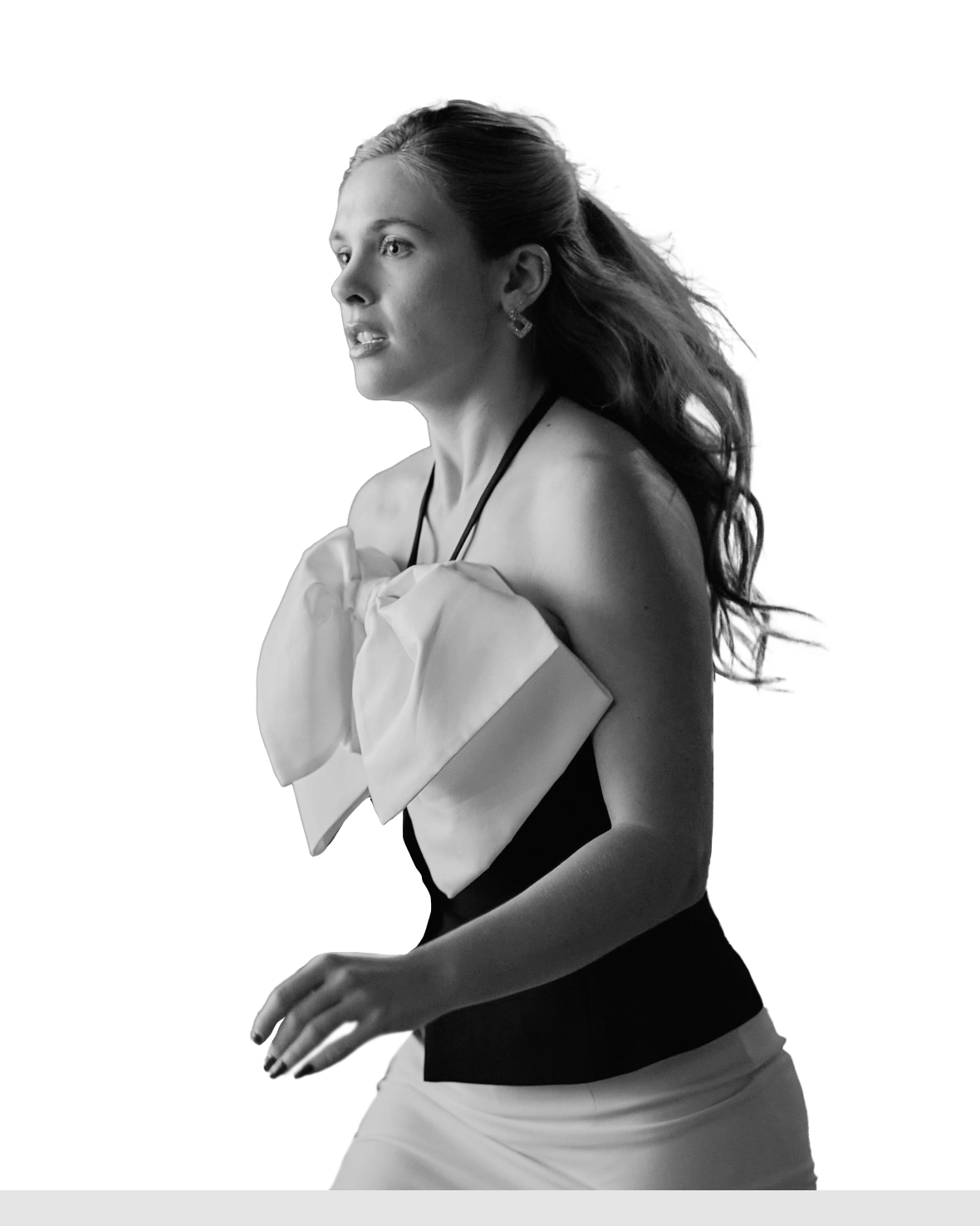
She is less associated with tonal extremes than with structural stability, a trait that allows platforms to scale output without recalibrating performance expectations.
Alexa Reddy
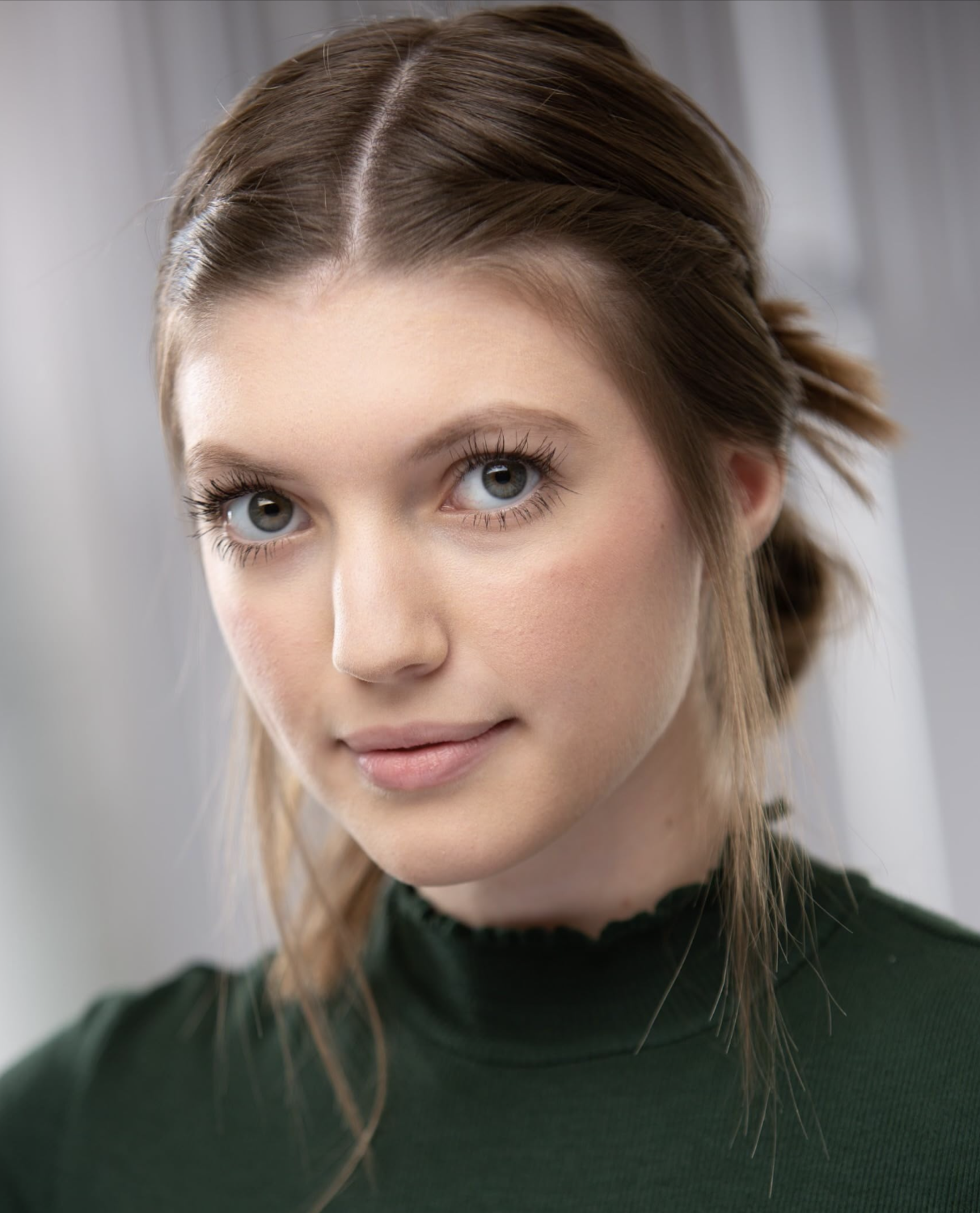
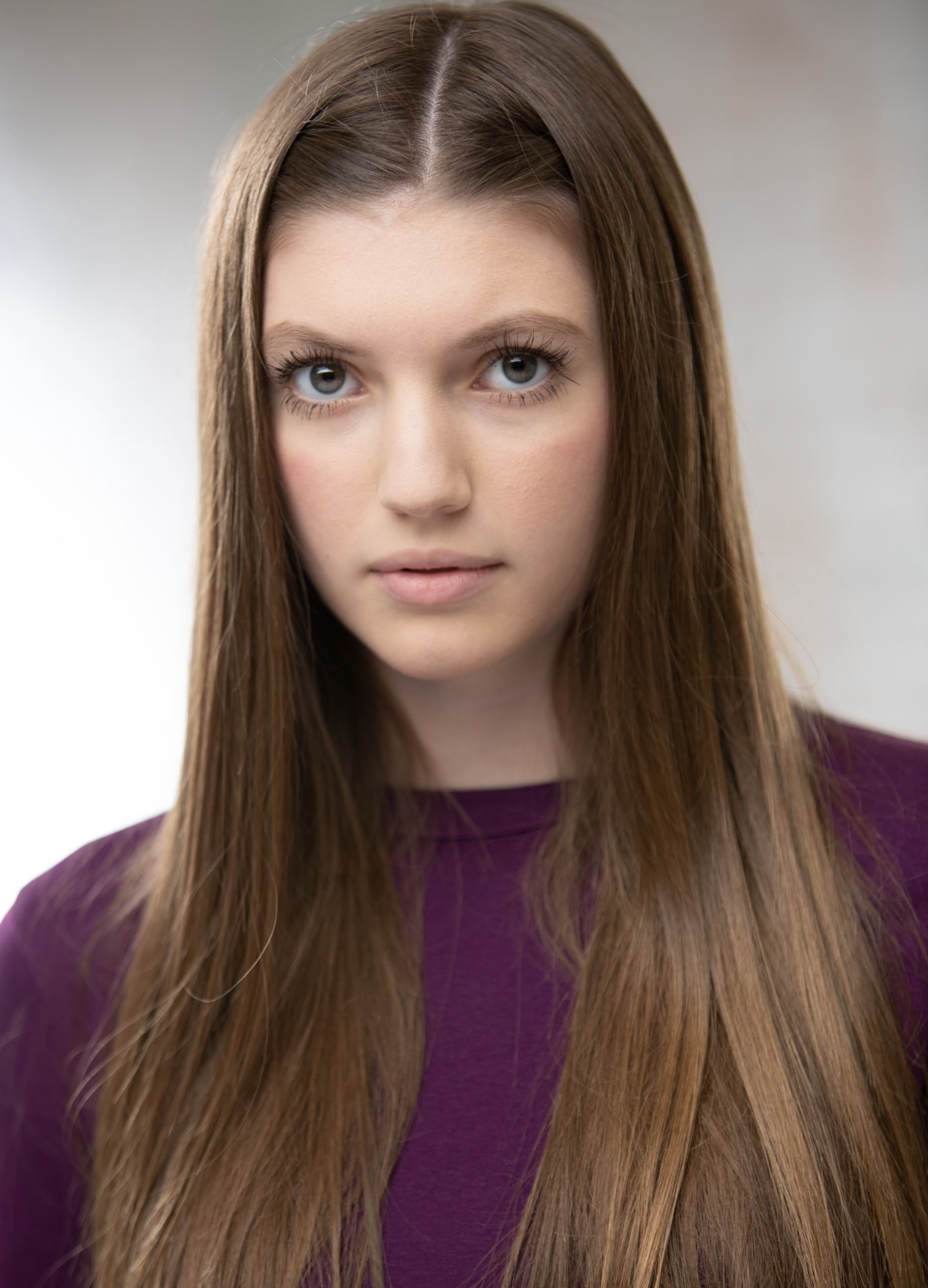
Entering the vertical ecosystem at a young age, Alexa represents a generation of performers whose first sustained leading roles are in Vertical rather than traditional television.
Her early accumulation of vertical credits positions her for long-cycle development within the format.
Born in 2004, Alexa Reddy exemplifies the next-cycle vertical lead. Her IMDb credits show an early transition into Vertical roles such as
The Bad Boy Who Ruined Me
and
Secretly Spoiled by My Billionaire Hubby.
Her career is still forming, but its direction is visible. She is being positioned for sustained output rather than isolated exposure. For platforms planning multi-year vertical slates, that trajectory carries long-term casting value.
Noémi VanSlyke
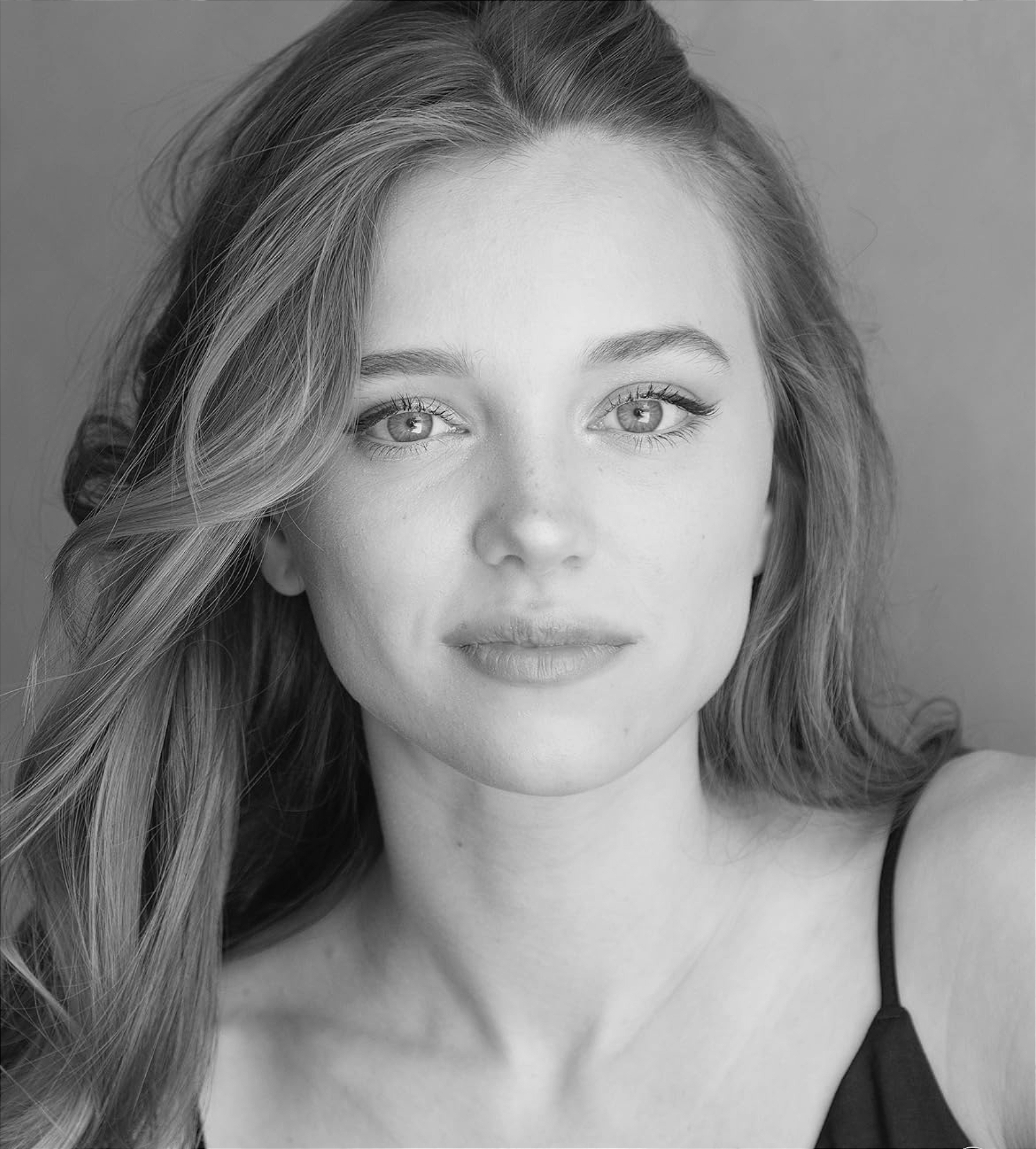
Noémi occupies a quieter position within the vertical ecosystem, but her IMDb credits indicate deliberate accumulation rather than experimentation.
Her work bridges traditional narrative projects and Vertical appearances such as
You Had Your Chance.
This duality allows her to function as a connective performer: capable of maintaining vertical rhythm while supporting more extended emotional continuity.
As vertical drama expands beyond pure shock-and-hook mechanics, actors with this balance become increasingly relevant.

Noémi’s profile reflects a gradual shift rather than a clean break into vertical drama. She continues to appear in other narrative work alongside Vertical roles, a balance that makes her particularly relevant as Western vertical dramas pursue longer arcs and tonal moderation.
Kirby Ellwood
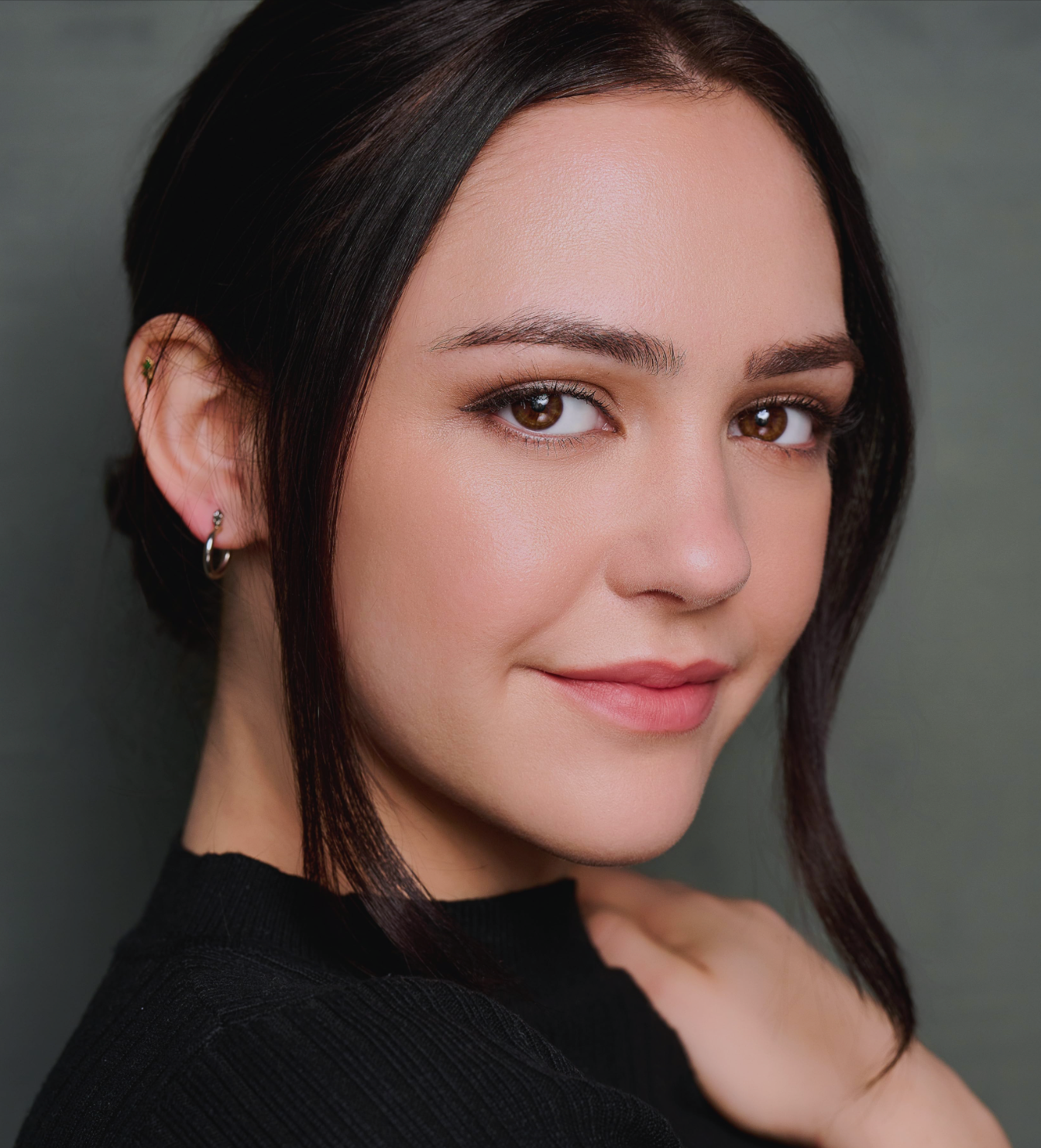
Kirby is not cast to explore character psychology at length. She is cast to establish alignment quickly, a trait that remains one of the most valuable currencies in vertical drama production.
Kirby’s rise coincided with the moment IMDb began systematically indexing Western vertical dramas as TV Mini Series, making her one of the first actresses whose vertical work became easily traceable inside the platform’s database. As a result, her name often appears in curated IMDb lists and recommendation loops tied to the format.
Kirby’s IMDb profile reads like that of a vertical-native performer. Her best-known credit
Final Call for Love
has become one of the more recognizable Western vertical titles within IMDb’s indexing system.
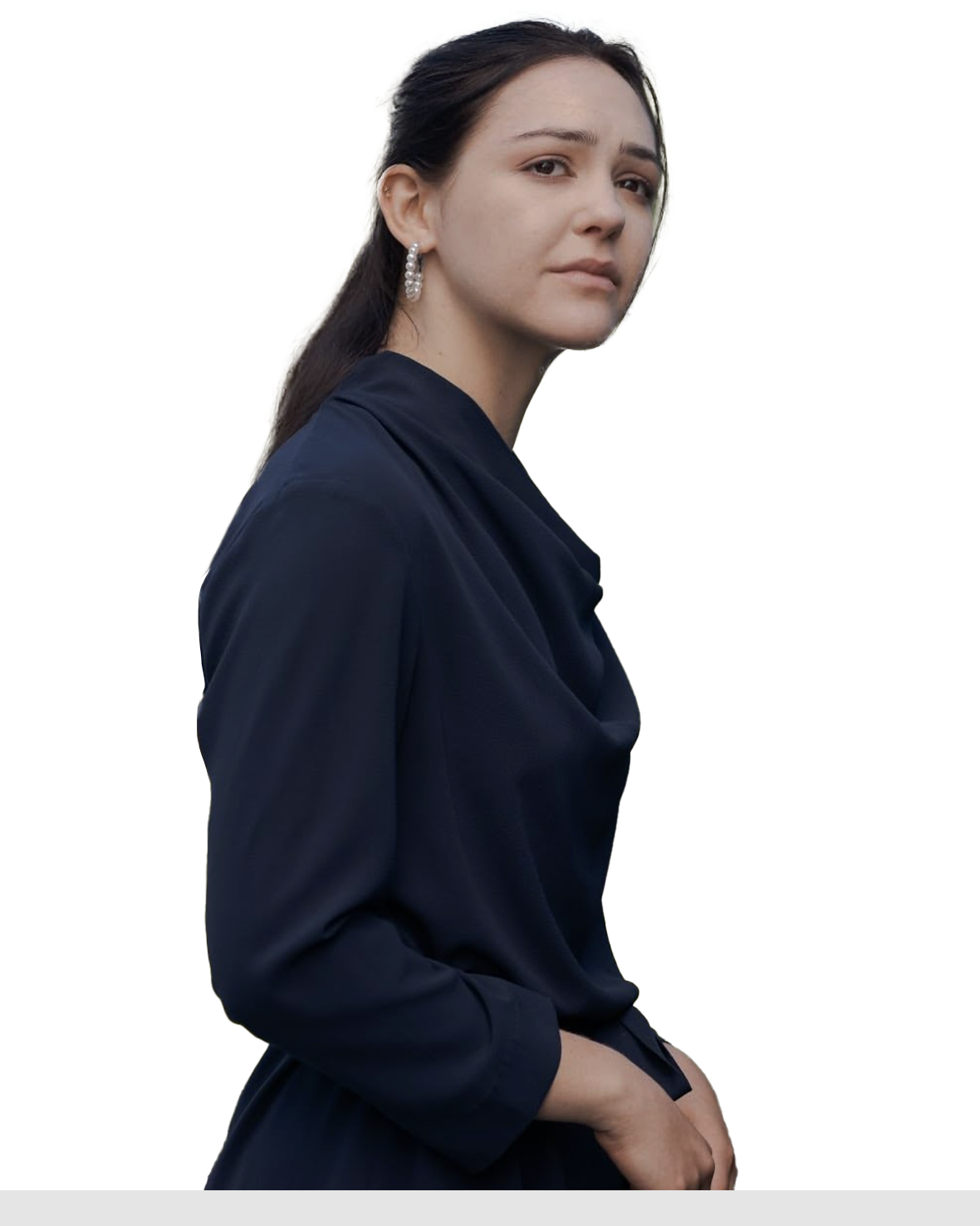
Kirby’s casting pattern is notable for its clarity. She is frequently positioned as the emotional entry point of the story, not its moral observer. Her performances prioritize immediacy over ambiguity, which aligns with the narrative compression required by vertical formats.
Anna DeRusso
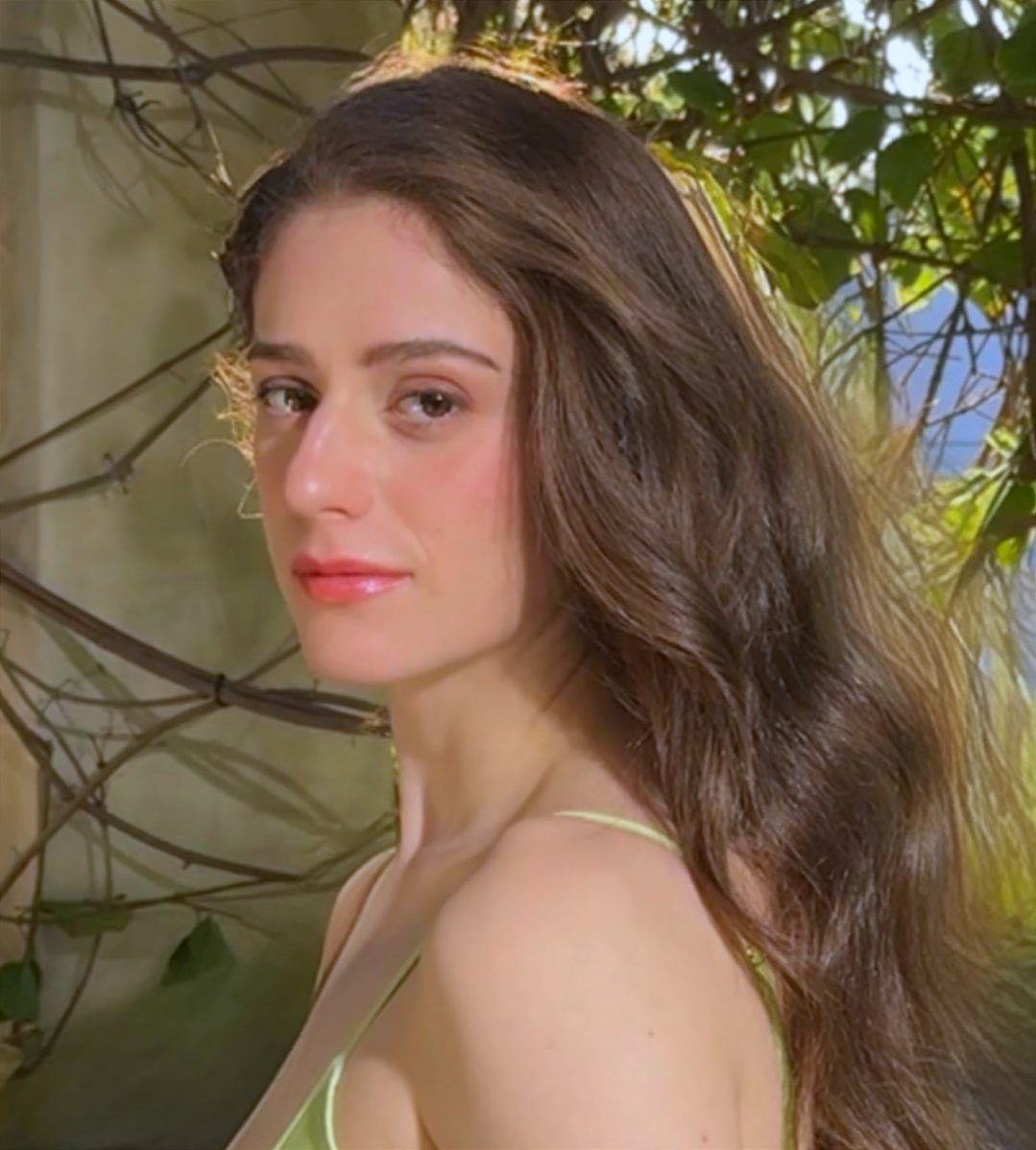
Anna continued presence in these roles suggests that she fulfills a specific industrial function — anchoring high-conversion romance frameworks without destabilizing tone or pacing.
Anna’s vertical career is defined by genre concentration rather than range. Her IMDb credits include multiple Vertical built around surrogate, contractual, and consequence-driven romance, including
A Mistaken Surrogate for the Ruthless Billionaire
and
Accidental Surrogate for Alpha
This consistency is not accidental. It reflects an understanding between casting teams and performer: DeRusso is deployed where relational stakes escalate rapidly and must remain emotionally credible despite heightened premises.
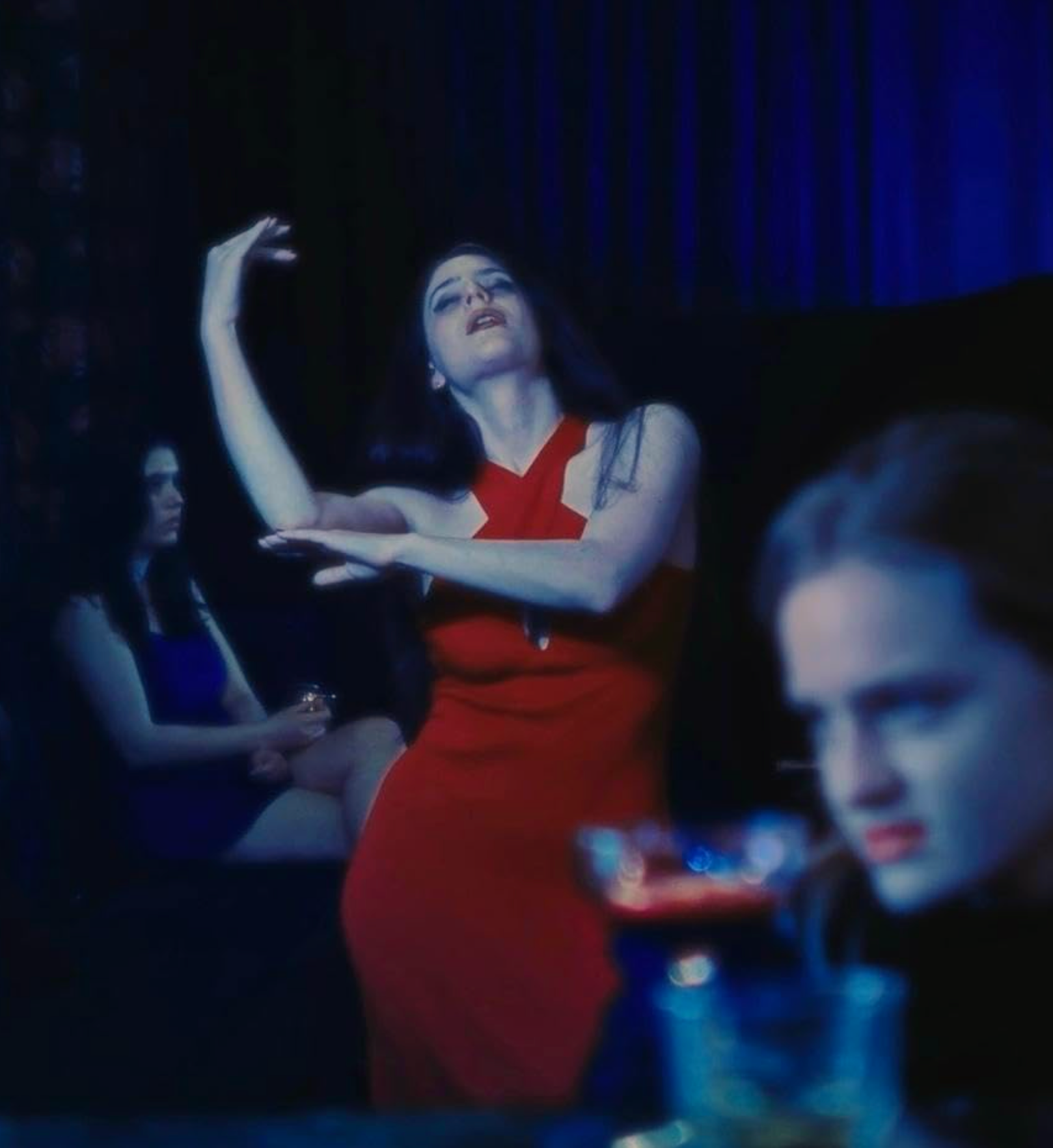
Anna became closely associated with surrogate and contractual-romance storylines after multiple titles in that lane gained traction across ReelShort’s international releases. Casting teams frequently point to her ability to sustain credibility in premises that rely heavily on moral pressure rather than physical action.
Images used in this article are sourced from the public internet and are presented for editorial context only. All rights remain with their respective owners.

✱