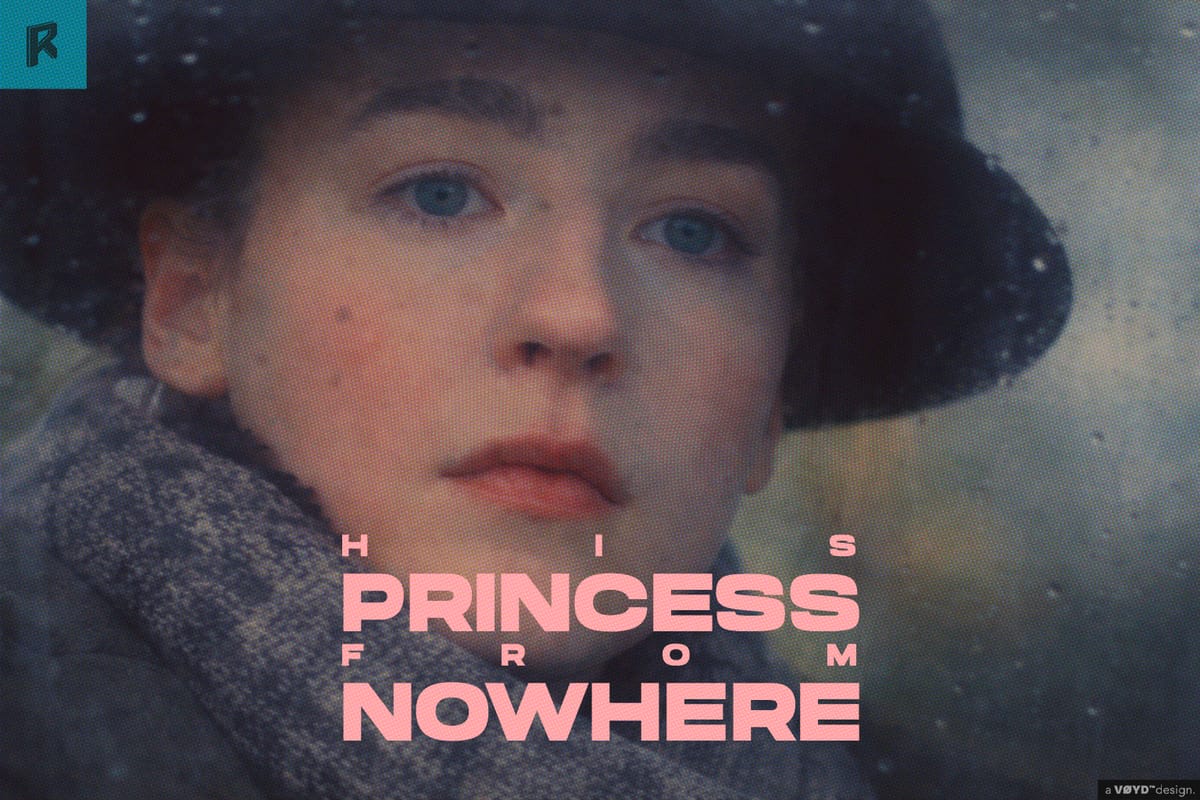
Vertical Drama Review: His Princess From Nowhere (2025)

⚈ ⚈
It truly feels like cinema, quietly disguised as a vertical.
-
Review by Liz
@portraitstorydiaries
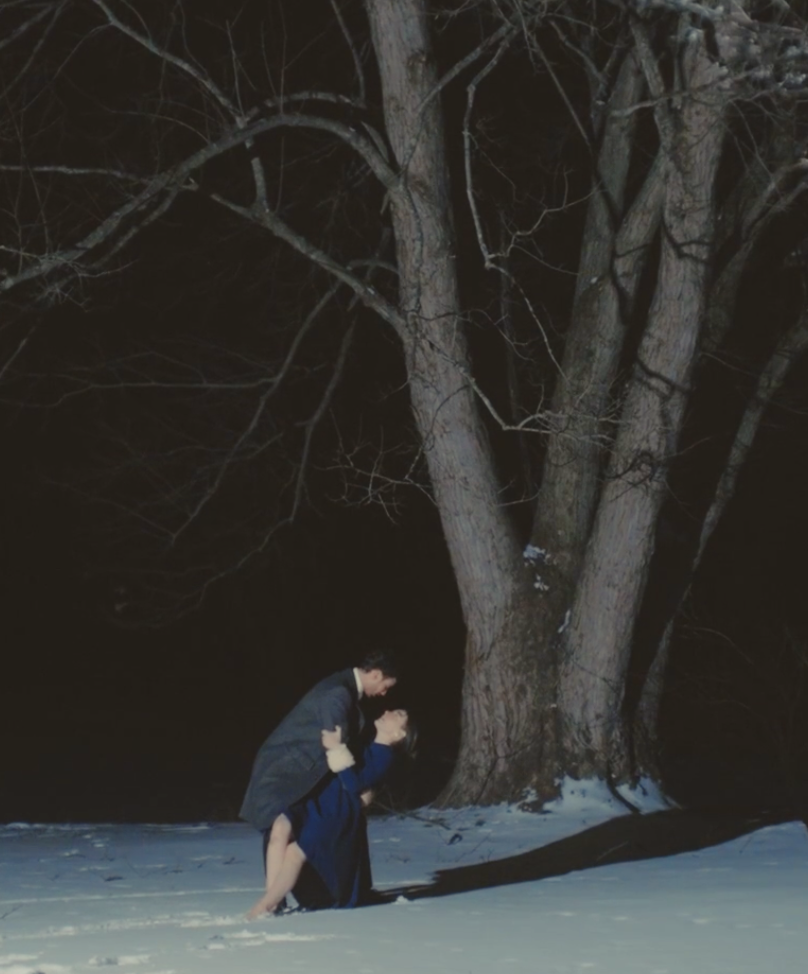
This one haunted me.
A crown made of secrets.
I still couldn’t shake it long after the final episode ended.
There is something so beautifully unsettling about this story. It doesn’t rush to impress you. It doesn’t scream its intentions. It settles in slowly, quietly, like a memory you didn’t realize mattered until it starts resurfacing when you least expect it.
From the very first frame, the series makes its intentions clear.
This is not a story designed to comfort. It doesn’t rush. It doesn’t over-explain. Scenes linger longer than expected. Silence is allowed to stretch. Discomfort isn’t smoothed over or hurried away. The unease builds patiently, through restraint rather than shock.
▙ ▙
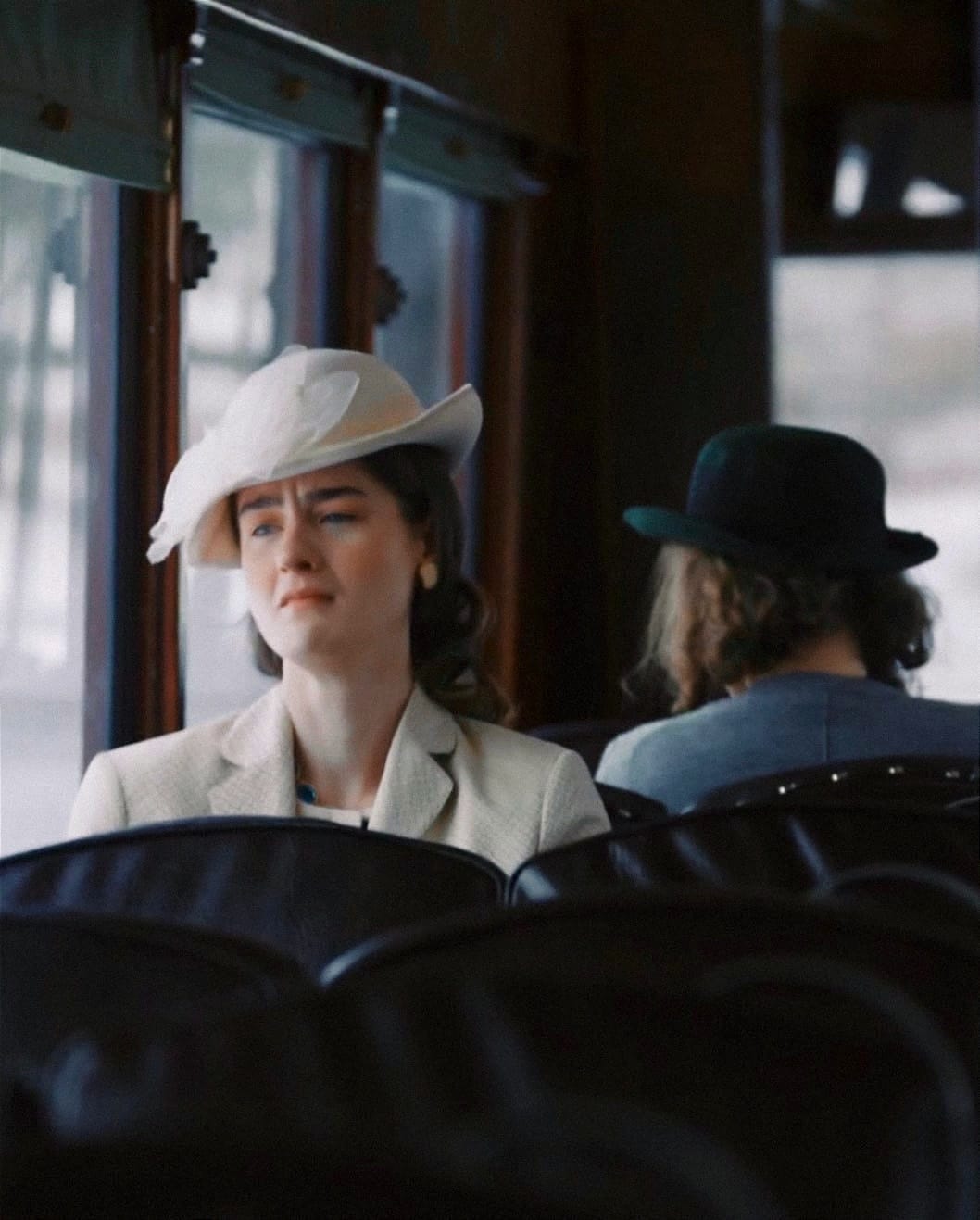
This isn’t a drama you simply watch.
It feels like a drama that watches you back.
Liz
A Production
You Can Feel.
That atmosphere isn’t accidental. It’s crafted with precision you can feel in every frame. 90 Degrees Production approaches the vertical format with rare respect and intention, treating the 9:16 frame not as a limitation, but as a psychological tool.
The visuals are restrained and moody. Soft lighting, muted tones, careful framing. Nothing feels rushed. Nothing feels careless. Written and directed by Dustin Blac, the series leans into restraint rather than spectacle, trusting silence and stillness to do the heavy lifting. The cinematography by Lee Crynma Zhang heightens that tension, turning intimacy into something almost claustrophobic. The vertical frame becomes part of the emotional pressure. Tight shots don’t just bring us closer to the characters, they limit them. The world feels smaller, heavier, harder to escape.
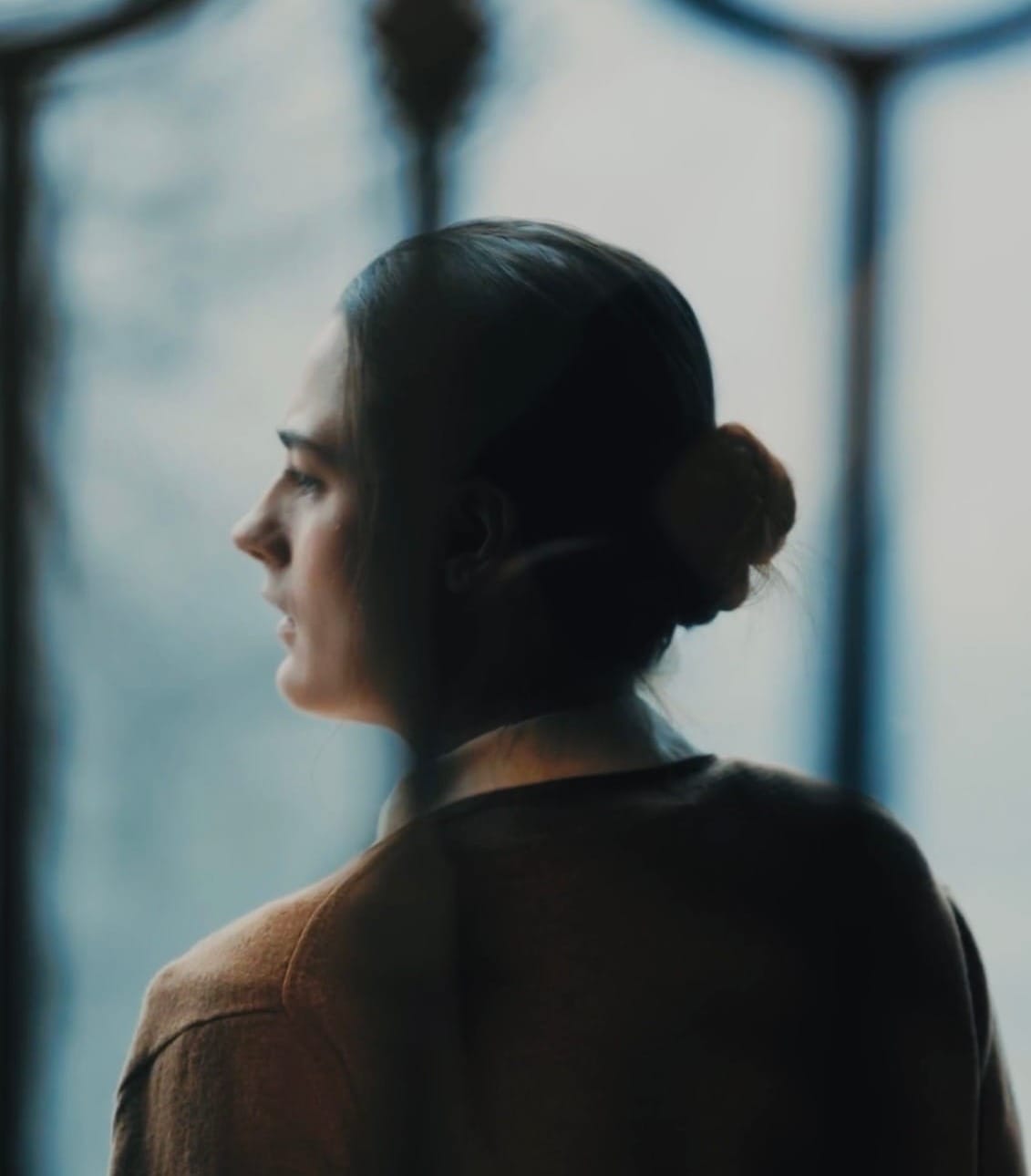
The sound design hums with low, persistent tension, gently shifting the story away from traditional romance and into psychological territory. This is vertical storytelling handled with cinematic discipline. A film that slipped out of a theater and into our phone screens.
It’s elegant and eerie at the same time. Nostalgic, yet quietly terrifying. A reminder that beauty can be a trap, and devotion can sometimes wear the face of control.
The Quiet Taboo
at the Center.
At the heart of the Rich family lies a taboo the story never sensationalizes, but never hides either. It hangs over everything like a shadow no one knows how to confront.
What makes it unsettling isn’t the scandal itself, but the sadness beneath it.
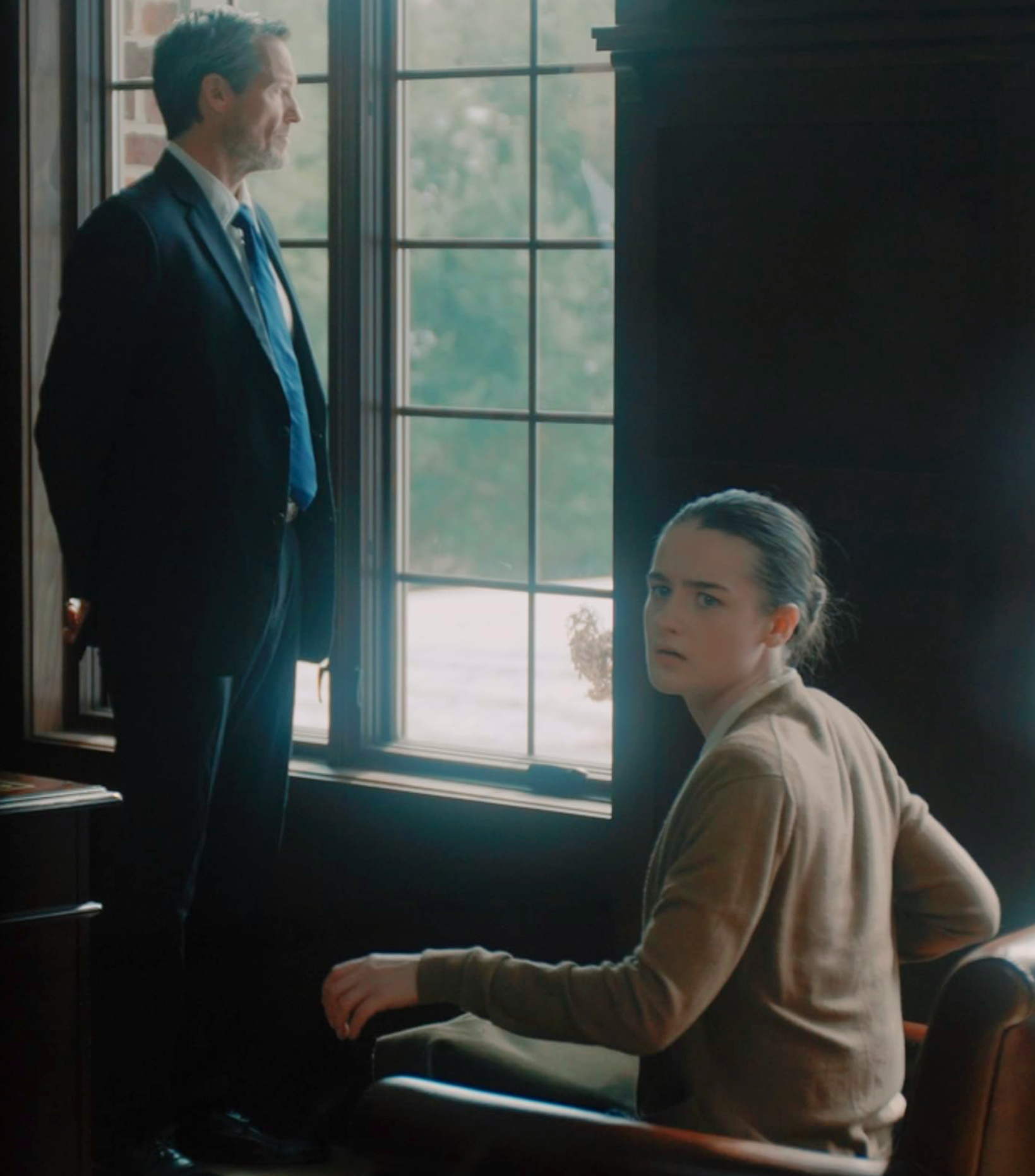
This is a family where emotional boundaries were never taught. Where love became confused with obligation. Where silence was mistaken for protection, and guilt slowly replaced tenderness.
Silence becomes protection.
Guilt replaces tenderness.
Survival takes the place of care.
Once you understand this, every character begins to make a devastating kind of sense.
The story doesn’t exploit its darkness.
It examines it.
Quietly.
Patiently.
A Story About
Roles and Survival.
We enter this world through Lucy Lay, who believes she has accepted a simple job as a piano teacher, only to realize she has been absorbed into a role she never chose. She isn’t just there to work. She’s there to maintain an image, to preserve an illusion built on appearances and denial.
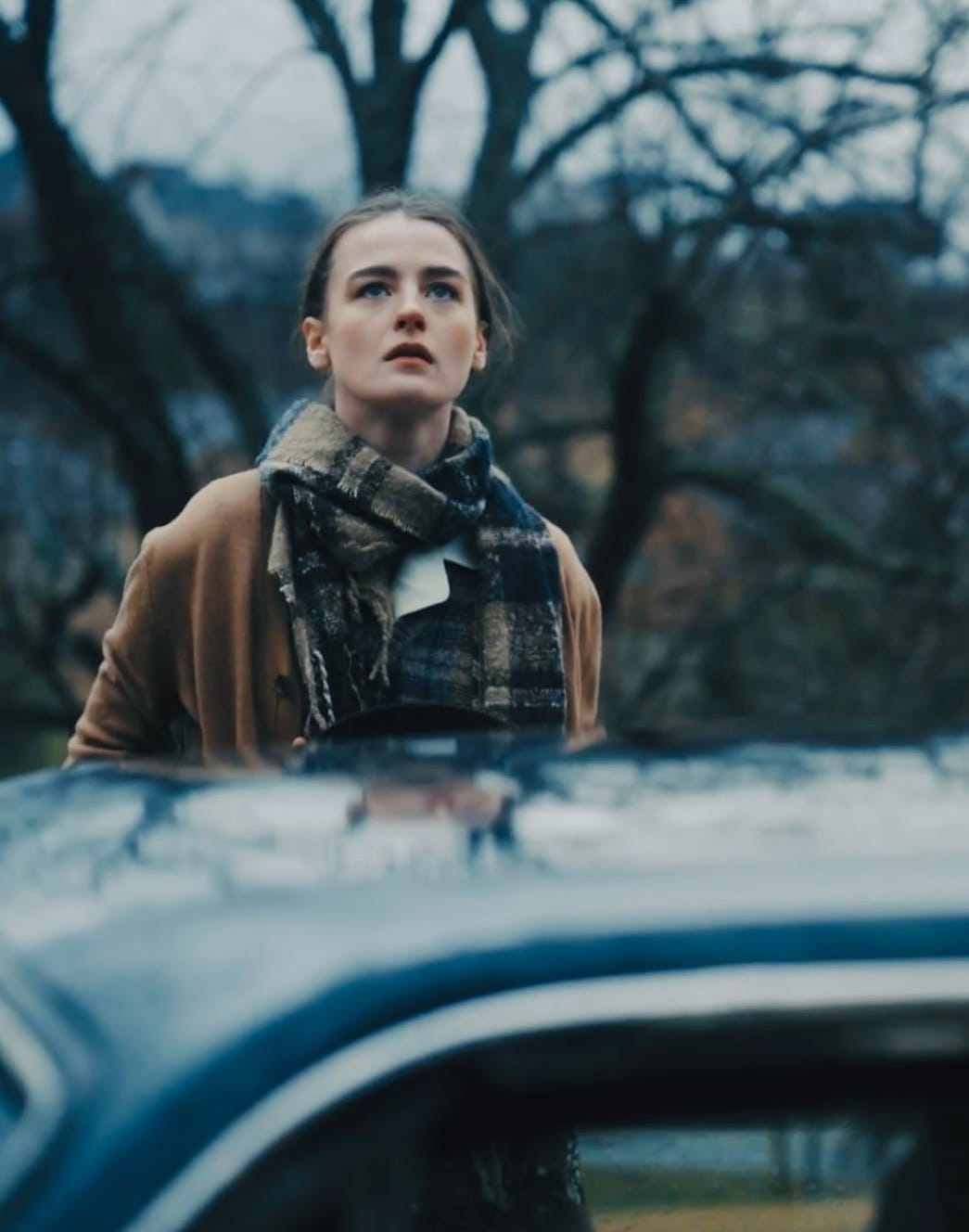
Set against a 1960s backdrop where social form mattered more than private truth, Lucy’s journey exposes what happens when people are treated as symbols instead of individuals. Watching her navigate love, danger, and truth feels like reading pages from someone’s heart.
The discomfort you feel early on doesn’t fade.
It deepens.
Love
That Hurts Gently.
At the emotional core of the story is Lucy and Hannibal’s relationship, a love that feels like two wounded souls slowly learning how to breathe again. Their connection is tentative and careful, shaped by fear as much as longing. It hesitates. Retreats. Inches forward, then pulls back.
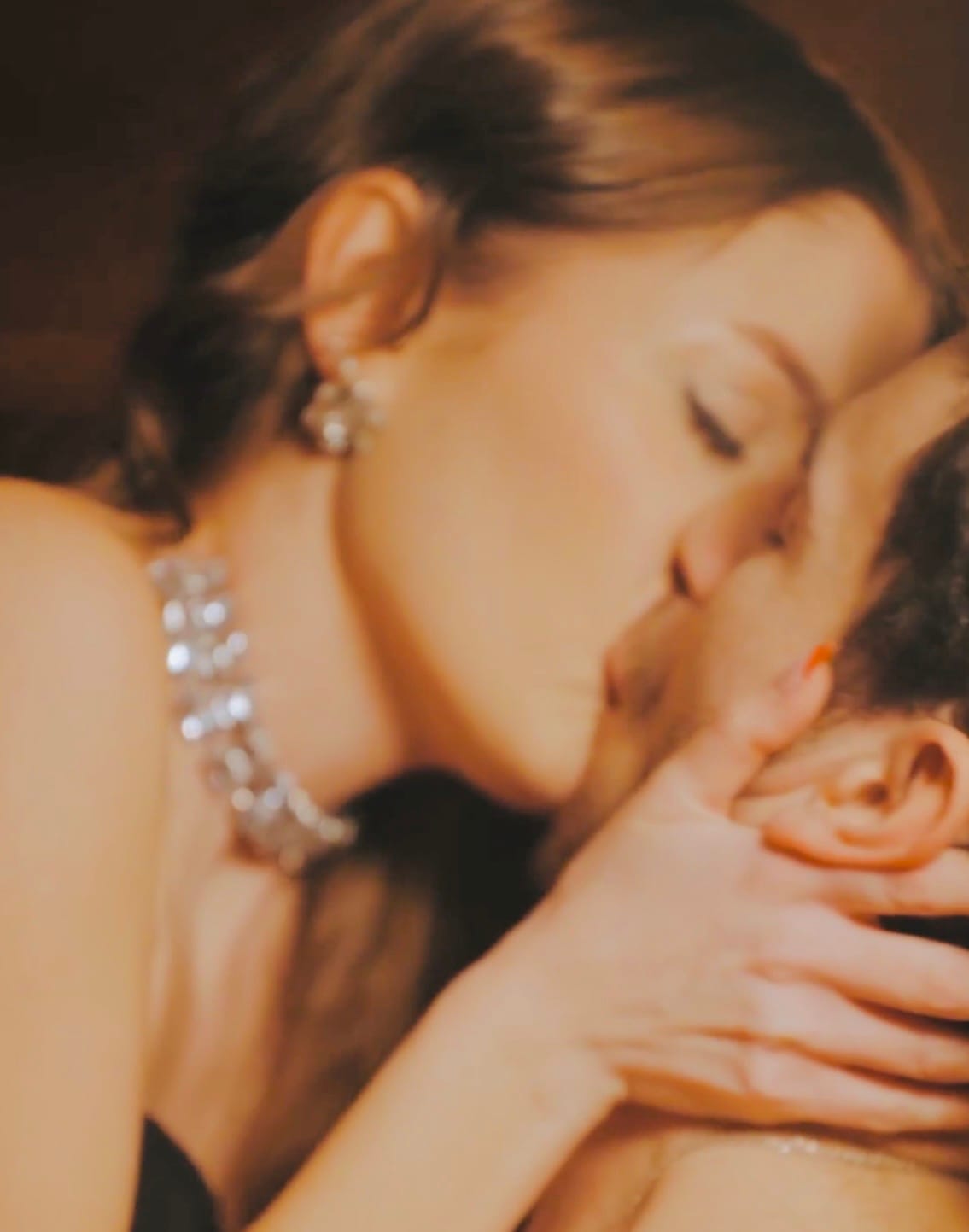
But their story is never just theirs.
Jack stands between them as a quiet counterweight. Where Hannibal’s love is heavy with guilt and consequence, Jack’s is grounded in loyalty and quiet bravery. He offers safety without expectation. Care without demand.
This is one of the most beautifully crafted love triangles I’ve seen in vertical drama. Not because it’s dramatic, but because it’s sincere. I found myself rooting for both Hannibal and Jack at the same time, wanting Lucy to have both kinds of love, even though the story was never built for that kind of ending. I wanted all three of them to find peace.
Performances
That Carry the Weight.
The reason His Princess From Nowhere stays lodged under your skin isn’t just the story. It’s the way these performances refuse to let you look away.
Every actor here understands the assignment emotionally.
They don’t just play characters.
They bleed into them.
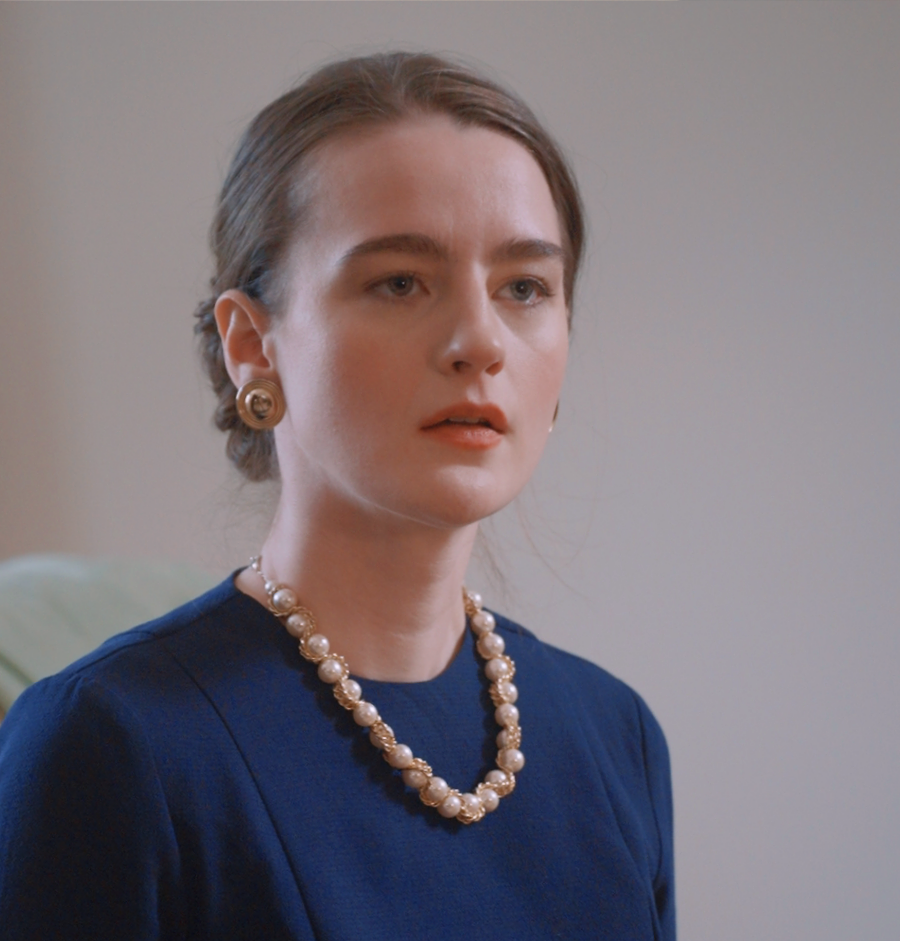
Meghan Reed as Lucy Lay is quietly devastating.
She plays Lucy with a softness that never reads as weakness.
There’s something deeply grounding about the way she moves through the Rich estate, like she’s constantly bracing herself while still holding onto hope. Meghan doesn’t announce Lucy’s pain. She lets it sit in her eyes, in her pauses, in the way she listens more than she speaks. Even when the world around her turns cruel and chaotic, Lucy never loses that calm center. Watching her navigate love, danger, and truth feels like witnessing someone slowly learning how to survive without losing their tenderness.
Intimate. Fragile. Honest.
You forget she’s acting because she isn’t performing emotion. She’s living inside it.

As Hannibal Rich, Elijah Santoro delivers a performance that feels weighted from the inside out.
On the surface, Hannibal is everything a perfect heir should be: composed, controlled, polished to the point of suffocation. But Elijah lets the cracks show, quietly. His eyes betray him every time. You see the guilt he carries, the fear he hides, the love he’s terrified to lose. He makes silence louder than dialogue.
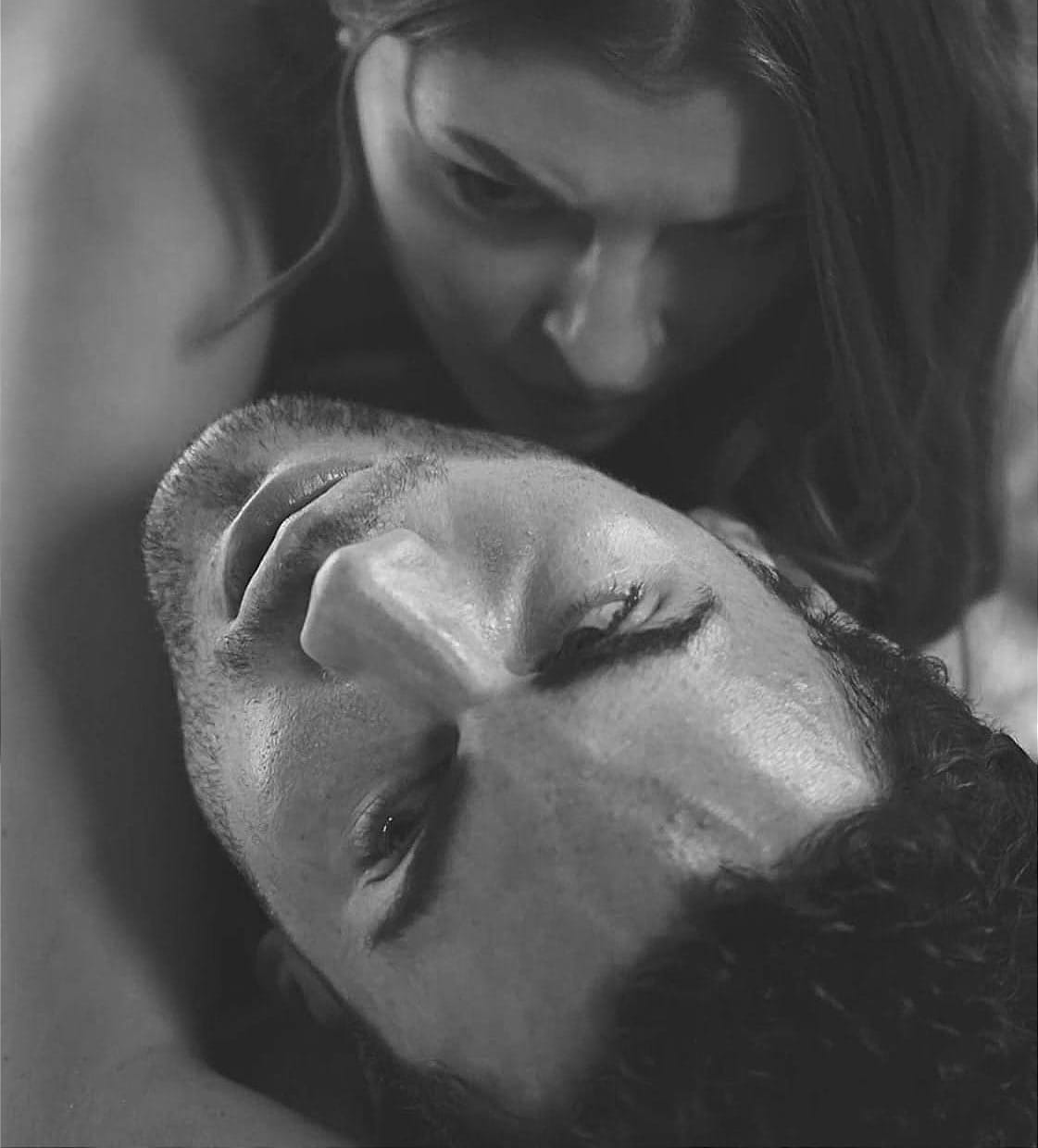
A single look from him hurts more than any line ever could. Hannibal feels like a man born into a destiny he never asked for, drowning under a family legacy that feels more like a coffin than a crown. And yet, despite all that pain, he still chooses tenderness.
He still chooses love. Watching Elijah bring that quiet heartbreak to life makes it impossible not to root for him, even when you know love in this world comes with consequences.
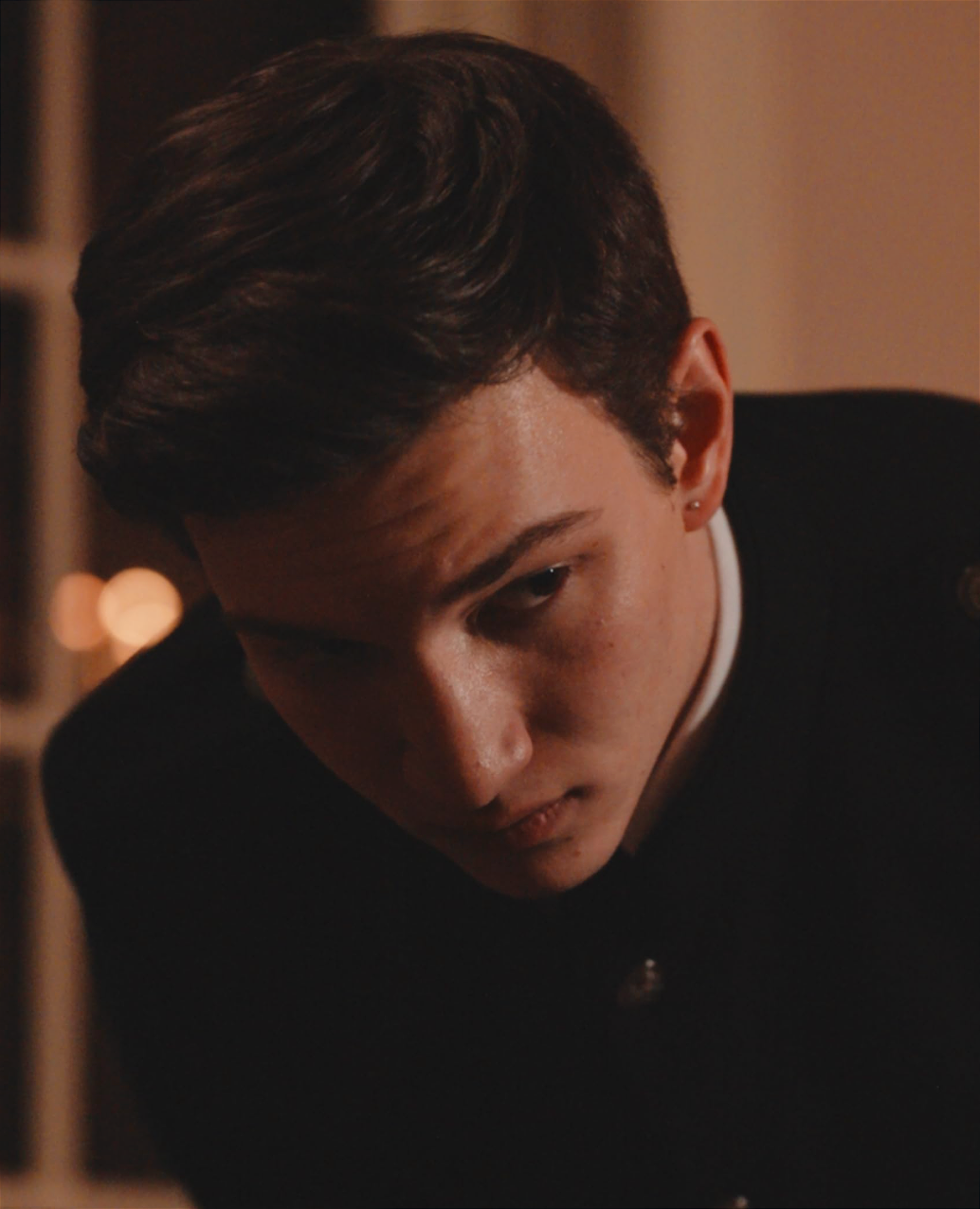
And then there’s Jack.
Anton Tomikhin as Jack ruined me in the best way possible.
He deserved better, and I mean that with my entire chest.
Jack is loyal, steady, quietly brave, the kind of man who loves without demanding anything back. Anton plays him with such sincerity that you don’t realize how deeply attached you are to him until your heart starts to hurt. He is the softness of this story. The man who protects Lucy even when it destroys him. There’s a gentleness in his eyes that makes every sacrifice cut deeper.
By the end, you understand why his love becomes the most heartbreaking part of the entire drama.
Not because it’s loud or dramatic, but because it’s pure, patient, and painfully selfless.
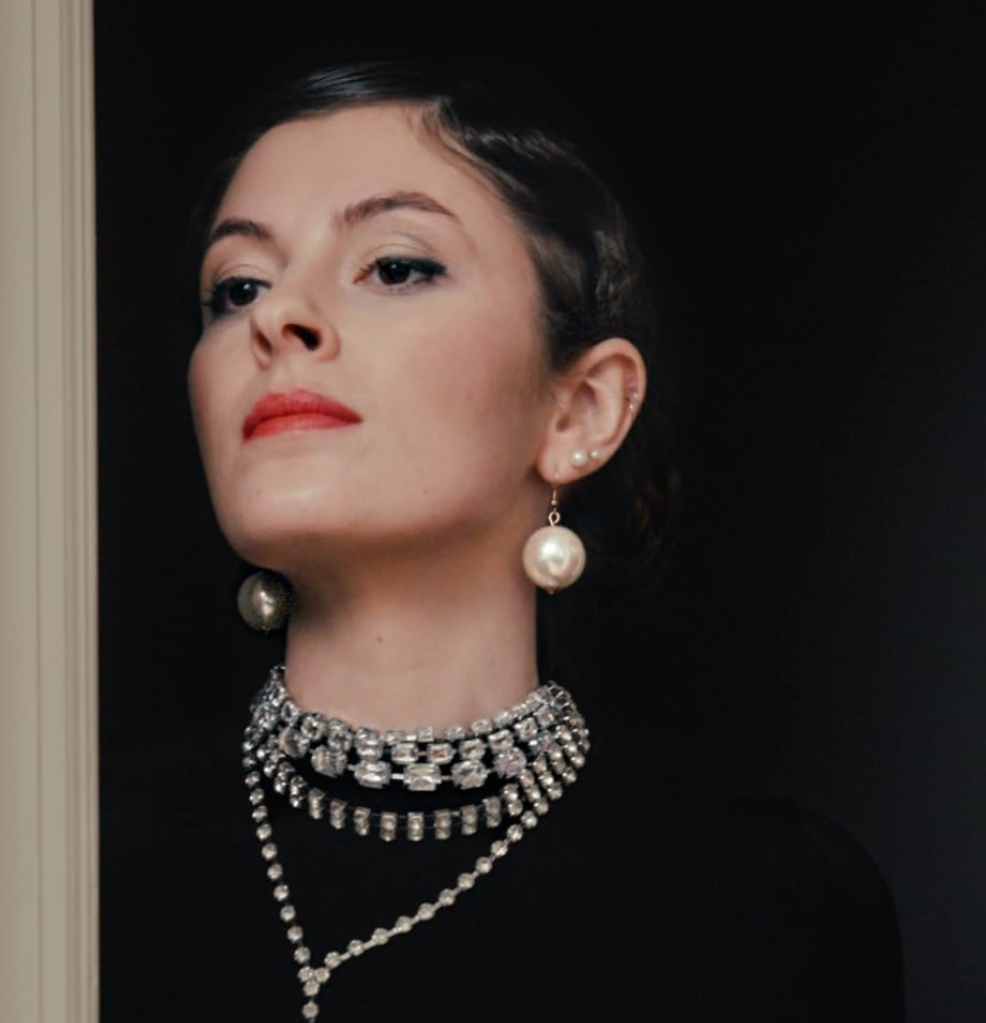
Anat Rich:
Quiet Danger, Unhealed Wounds.
Hovering over everything is Anat Rich,
dangerous not because she is loud, but because she is controlled.
Her composure is polished, almost elegant, and that calm is what makes her unsettling. Beneath it sits a wound that was never treated, something buried so deeply it leaks out in the most frightening ways. Anat feels like a character shaped by damage rather than choice, moving through the world with a distorted understanding of love that mistakes obsession for devotion. She became what she was taught in order to survive, and the cost of that survival is written all over her.
Cassidy Terracciano delivers the kind of performance that makes you lean closer to the screen even when every instinct tells you to pull away. Her Anat is unhinged in a way that feels terrifyingly real. Every smile reads like a warning. Every moment of stillness feels like it could crack open at any second. I was scared of her. I was stressed watching her. And at the same time, I felt deeply sad for her. That contradiction doesn’t happen by accident. Cassidy doesn’t just play Anat. She commits to her, sitting fully inside the damage her character carries. And that commitment is what makes Anat Rich impossible to forget.
The Loneliness Beneath the Crown.
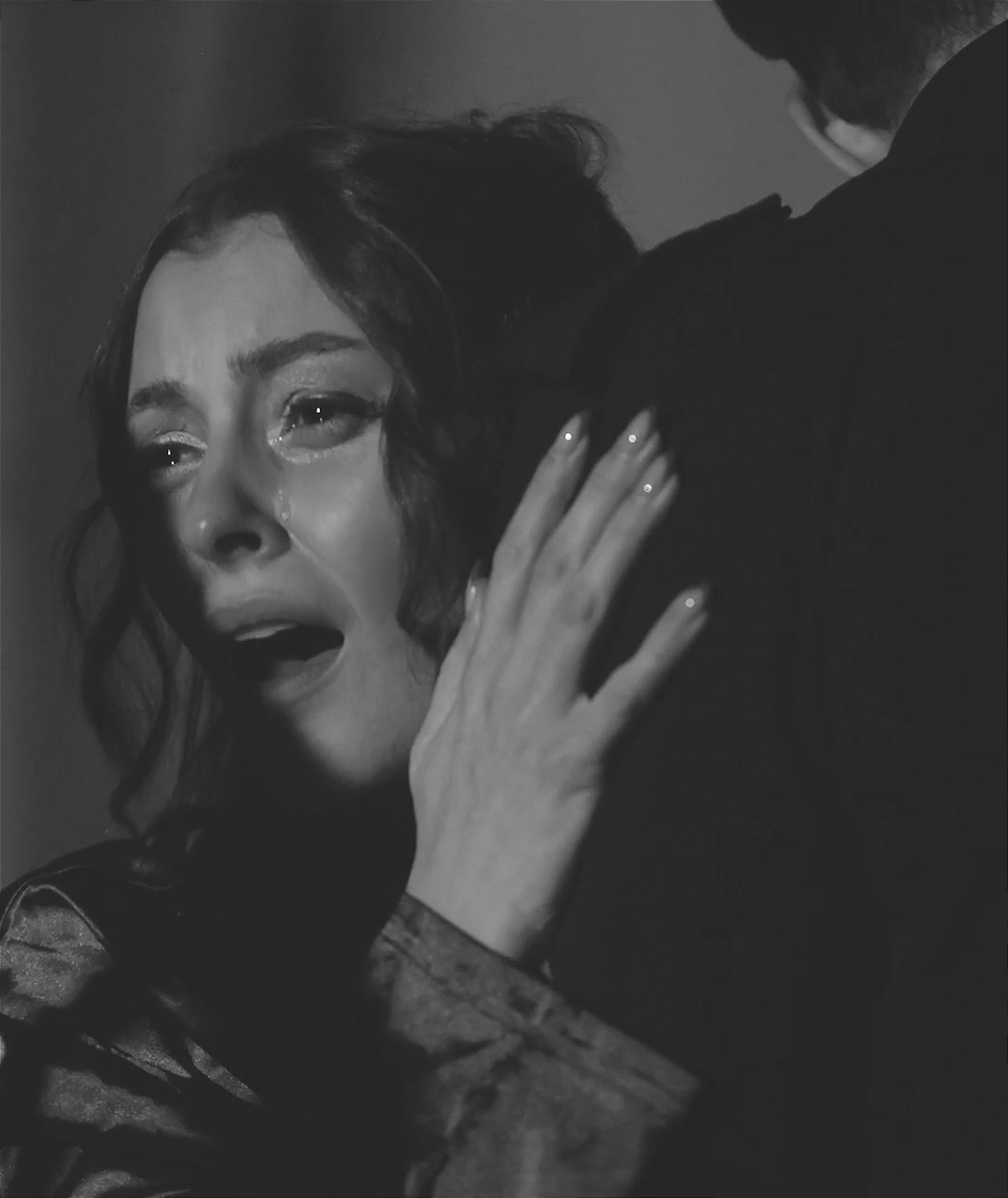
What shook me most wasn’t the taboo, the danger, or the twists.
It was the loneliness.
Every character here is starving for love in their own way.
Some protect it. Some destroy it. Some don’t know how to hold it without breaking it. Love is rarely gentle in this world. It’s confused with obligation. Warped by survival. Shaped by what was denied.
His Princess From Nowhere doesn’t offer easy answers. It offers truth. Quietly. Patiently. And that’s why it lingers. Not because of what happens, but because of what it reveals.
Once it settles in, it doesn’t let go.
Starring:
Meghan Reed / Elijah Santoro / Anton Tomikhin / Cassidy Terracciano
Written and Directed by: Dustin Blac
Executive Producer: Kah-Wai Lin
Cinematography: Lee Crynma Zhang
Production Company: 90 Degrees Production
On Dramawave, Flareflow
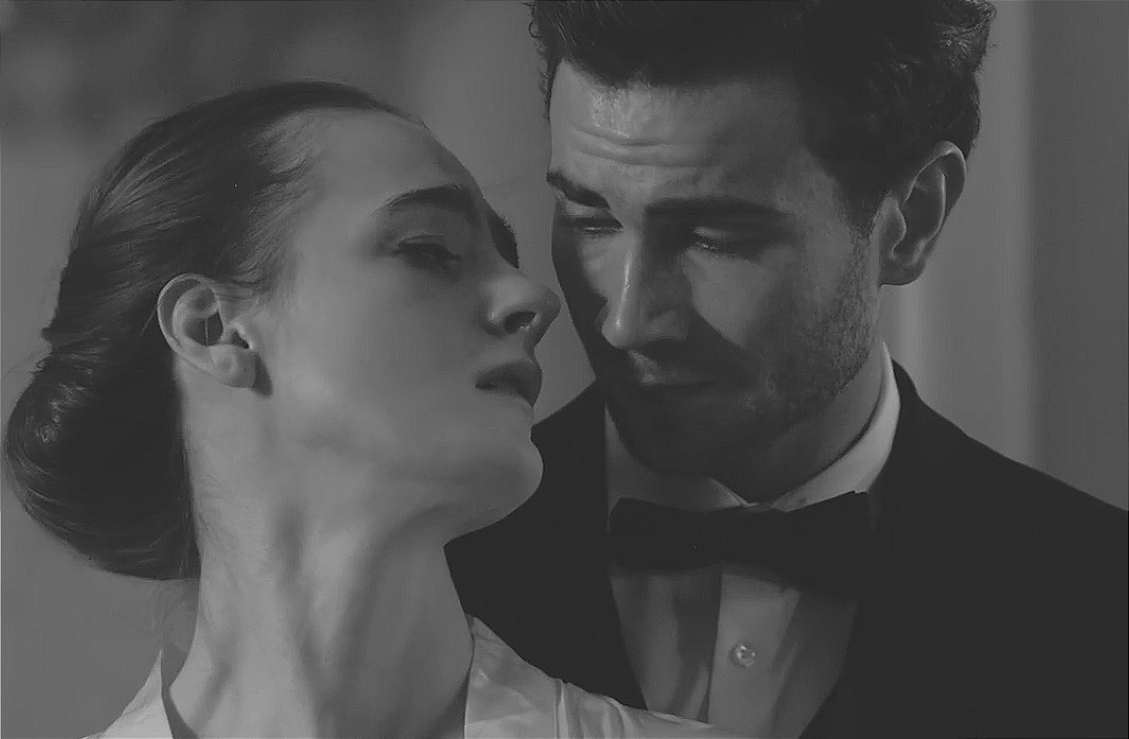
Images used in this article are sourced from the public internet and are presented for editorial context only. All rights remain with their respective owners.
✱