Vertical Drama Review: Love & Blood (2025)

⚈ ⚈
...it redefines what a Western vertical can be when creators prioritize narrative depth over shock value...
-
Review by Aline
from I Love Verticals
After more than two years immersed in the vertical drama space—often dominated by recycled tropes and formulaic storytelling—Love & Blood arrives as a striking breath of fresh air. Or perhaps more fittingly, fresh blood.
This series doesn’t merely revisit the vampire genre; it redefines what a Western vertical can be when creators prioritize narrative depth over shock value.
While vampire-themed verticals are not new to the space, particularly during 2023 and early 2024, Love & Blood operates on a fundamentally different level. Instead of relying on exaggerated antagonists, disposable supporting characters, or familiar banquet-style humiliation scenes, the creative team builds a fully realized lore.
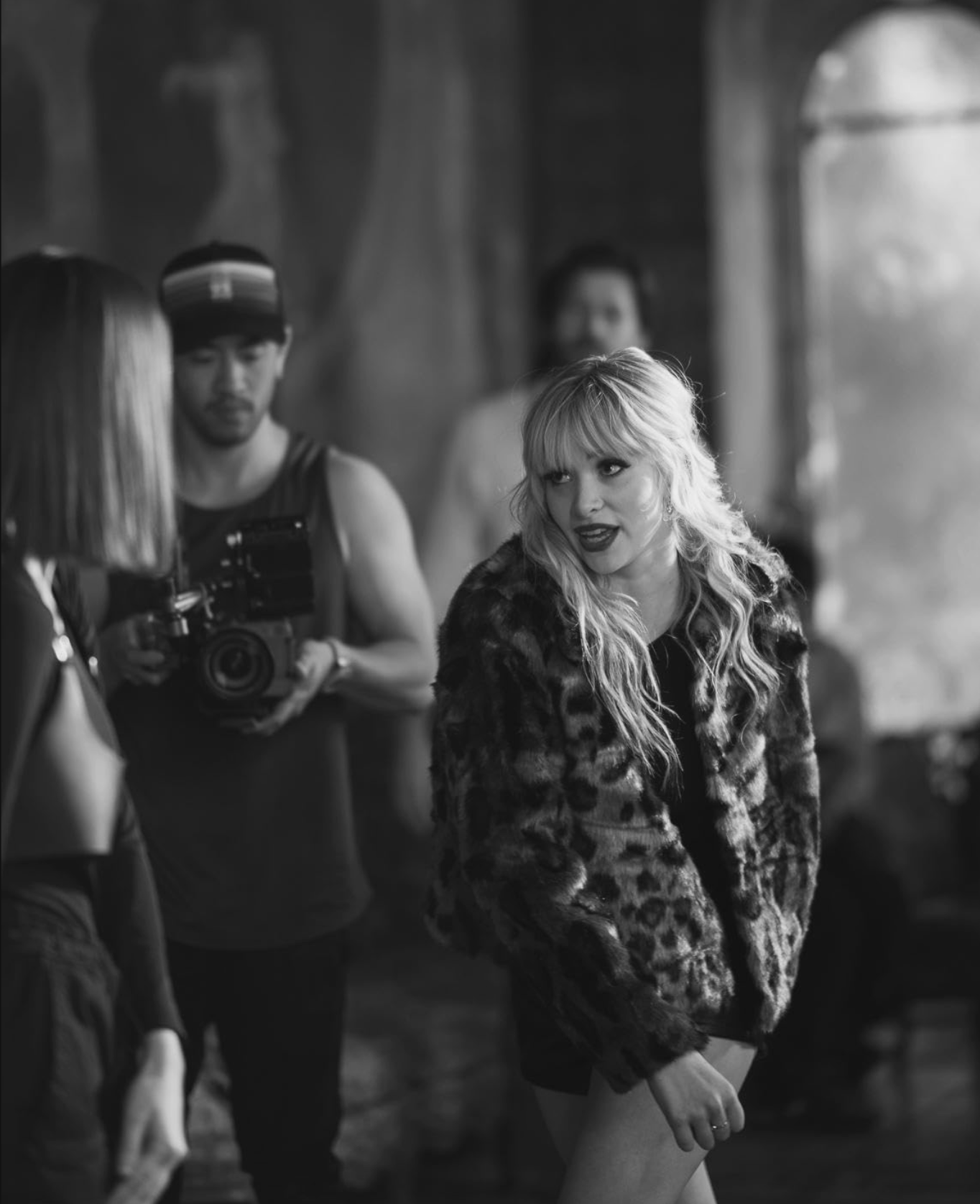
Writers D. Mitry and Citlalli A. Ruiz approach the story with restraint and confidence, revealing just enough of the past to intrigue while allowing the audience to actively engage with the unfolding mythology.
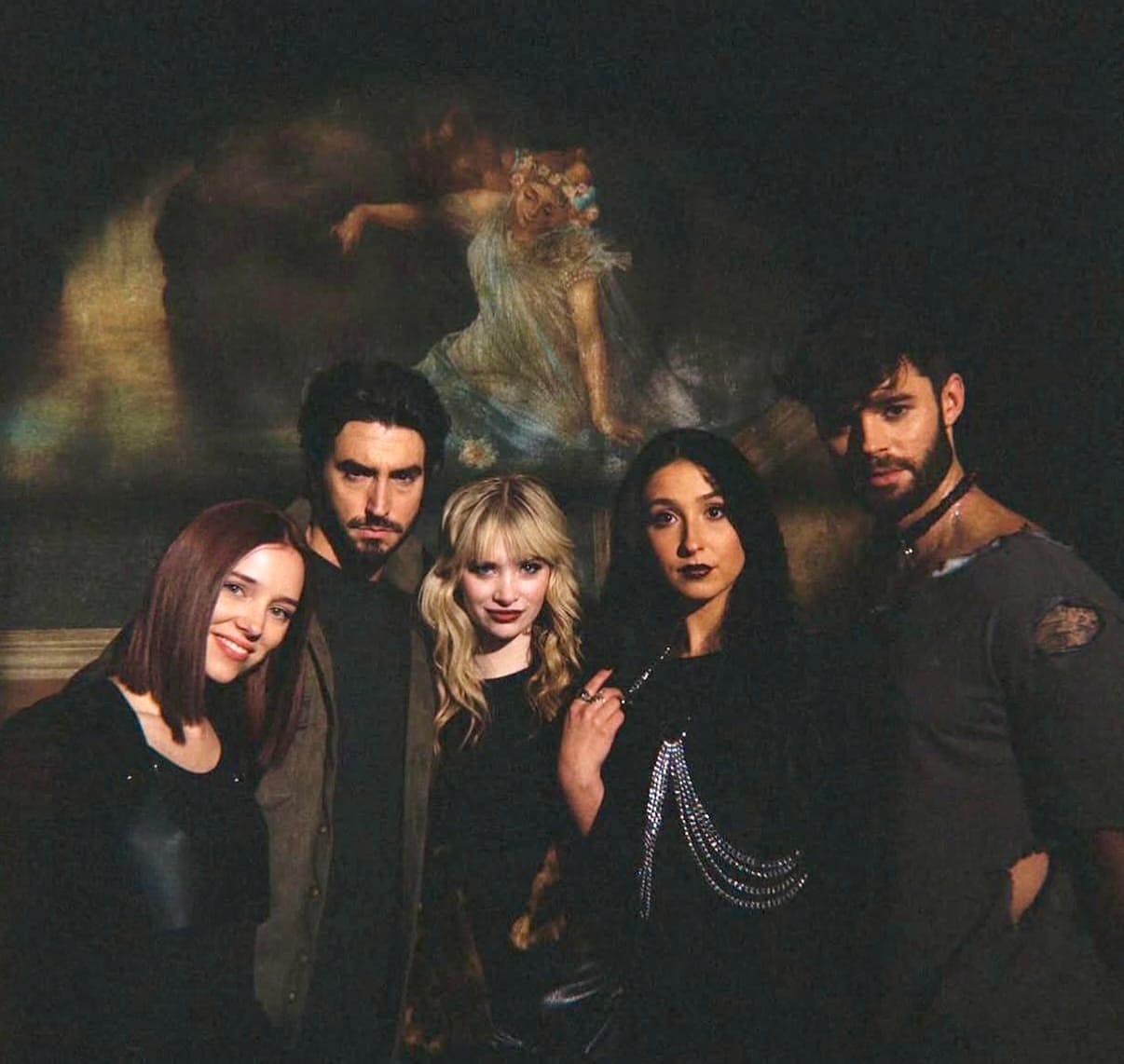
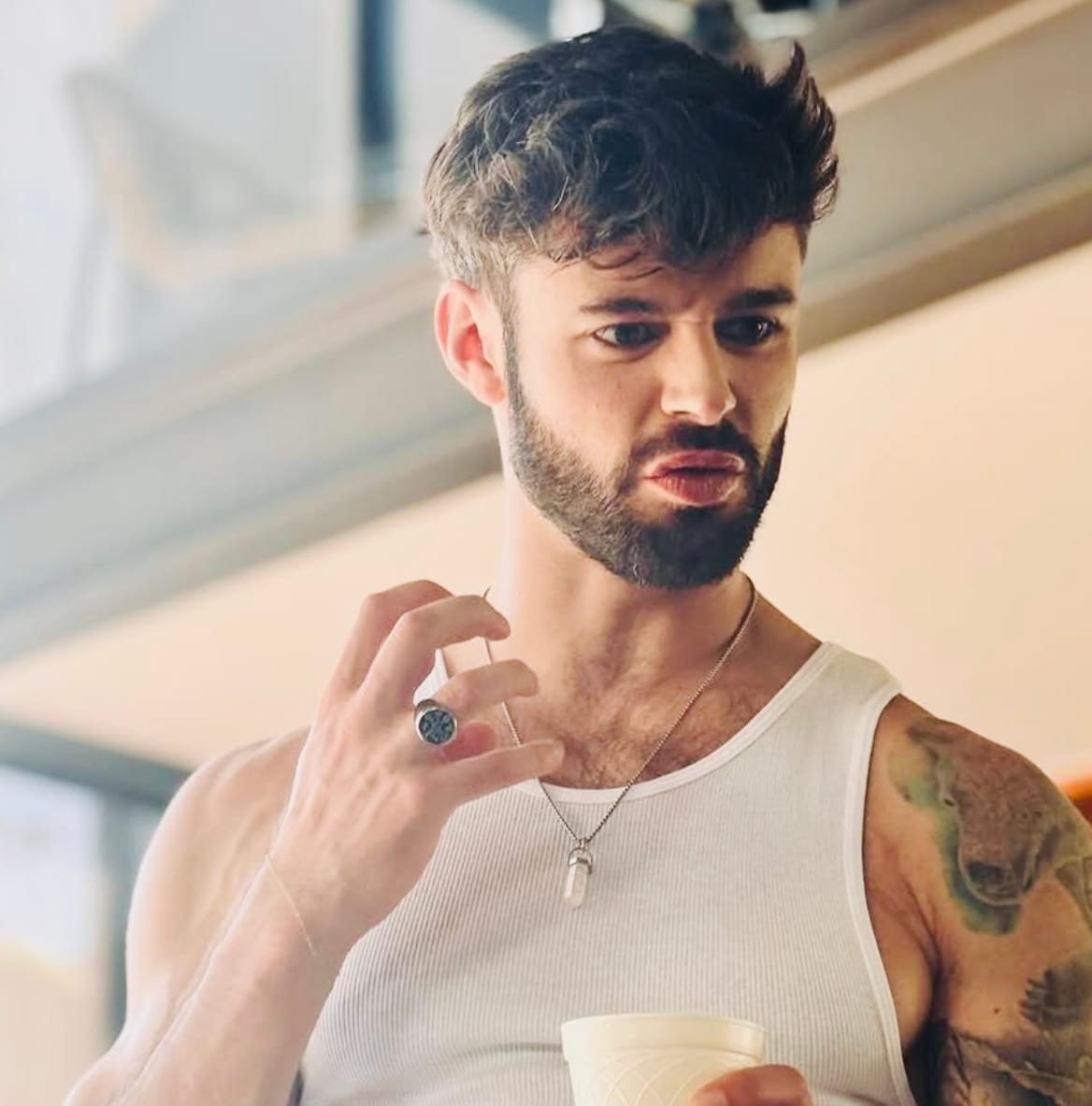
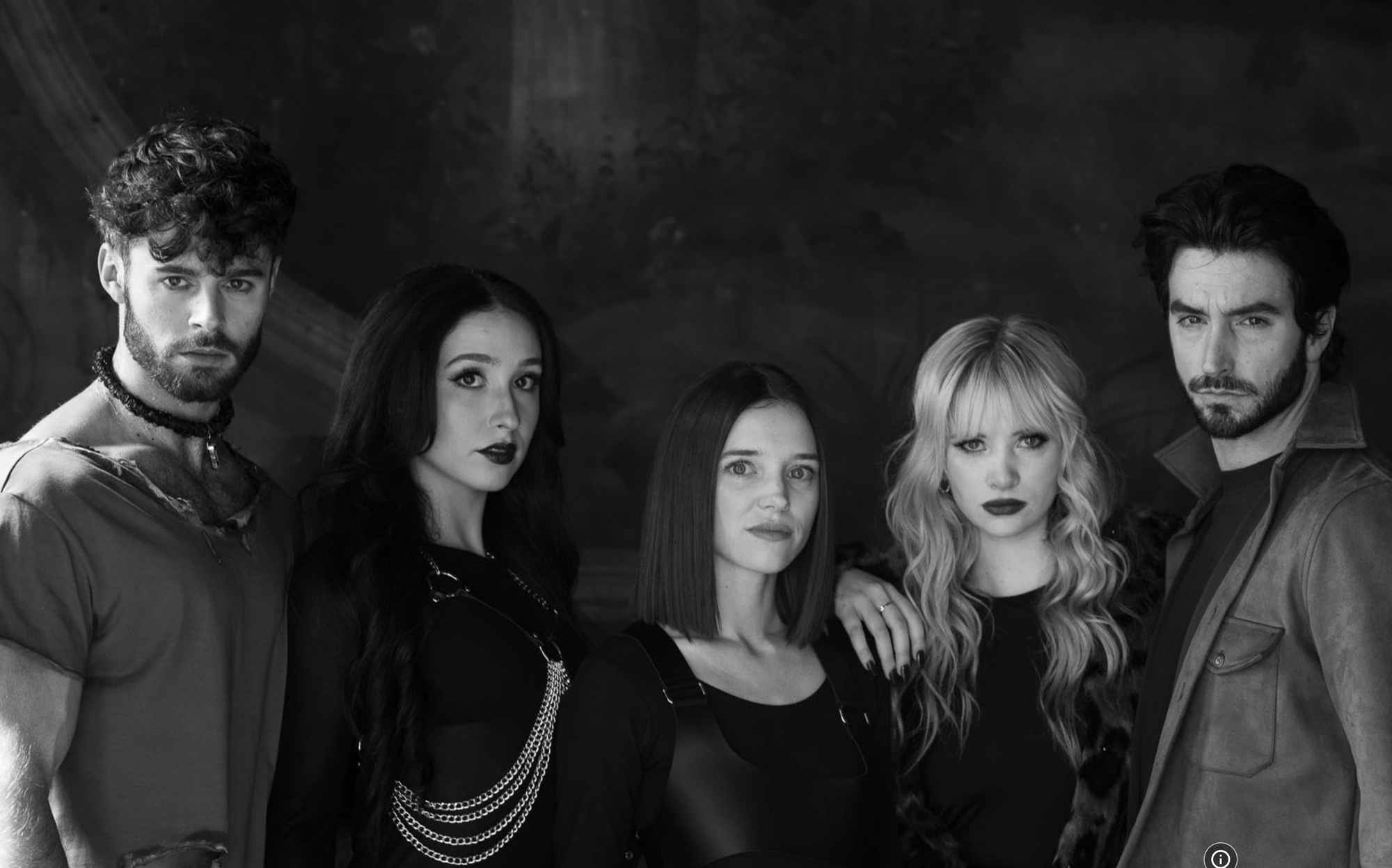
Notably, the series centers on five interconnected protagonists, each functioning as a lead in their own right. This structural choice allows multiple narrative threads to coexist organically. The story hints at a rich backstory—particularly surrounding Tina and Dorian—suggesting strong potential for a prequel.
▙ ▙
The story hints at a rich backstory—particularly surrounding Tina and Dorian—suggesting strong potential for a prequel.
Aline
Meanwhile, Noah’s relationship to Sophia introduces another layer of intrigue, subtly reframing what initially appears to be a straightforward dynamic.
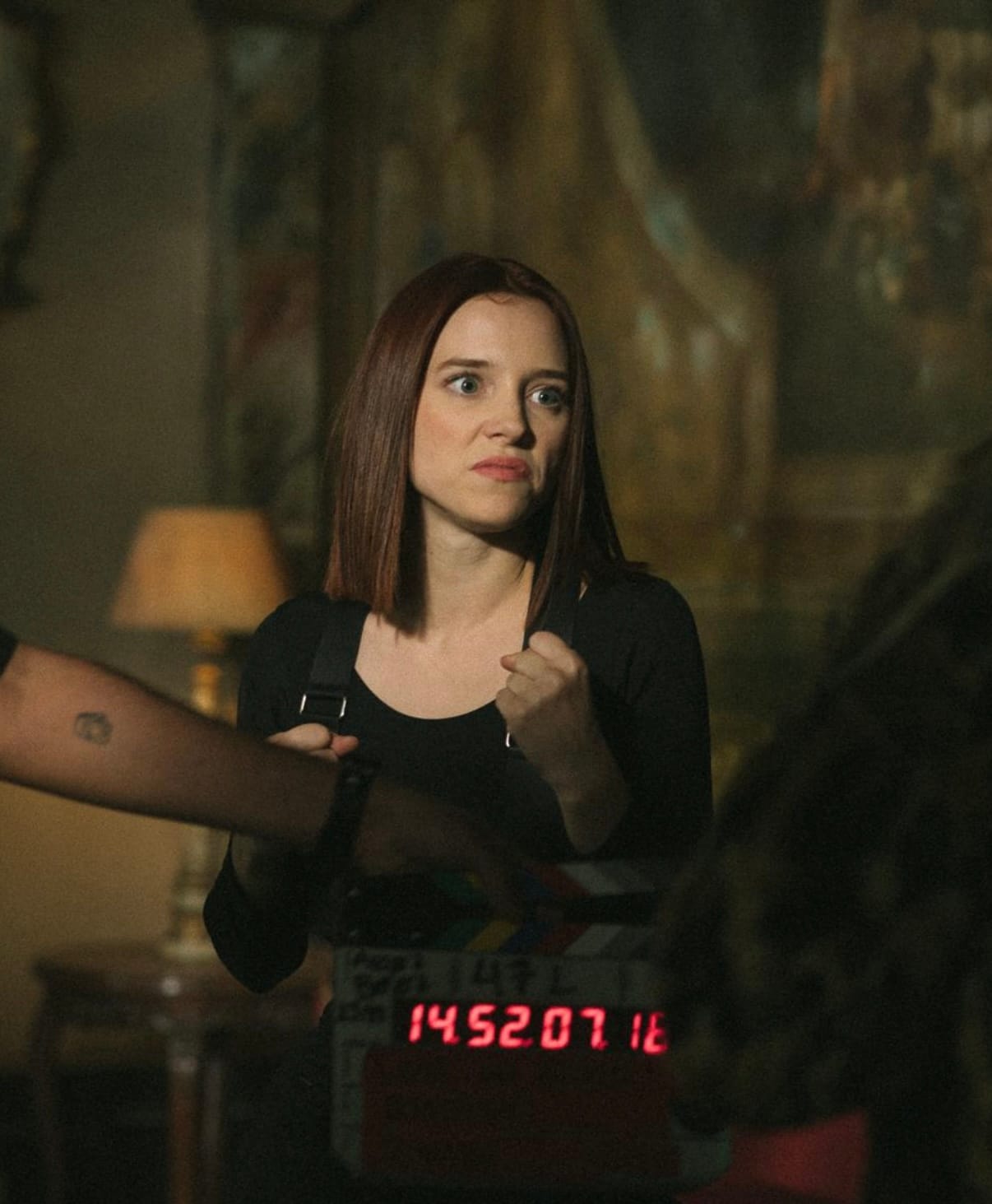
At the heart of the series are Amara and Viktoria, whose relationship evolves from a strategic alliance into something far more complex. Their arc is deliberately left unresolved, inviting speculation rather than offering artificial closure. While cliffhangers are often a point of frustration in vertical storytelling—given the industry’s inconsistent follow-through—Love & Blood feels different. The intent to expand this universe is evident, and crucially, believable.
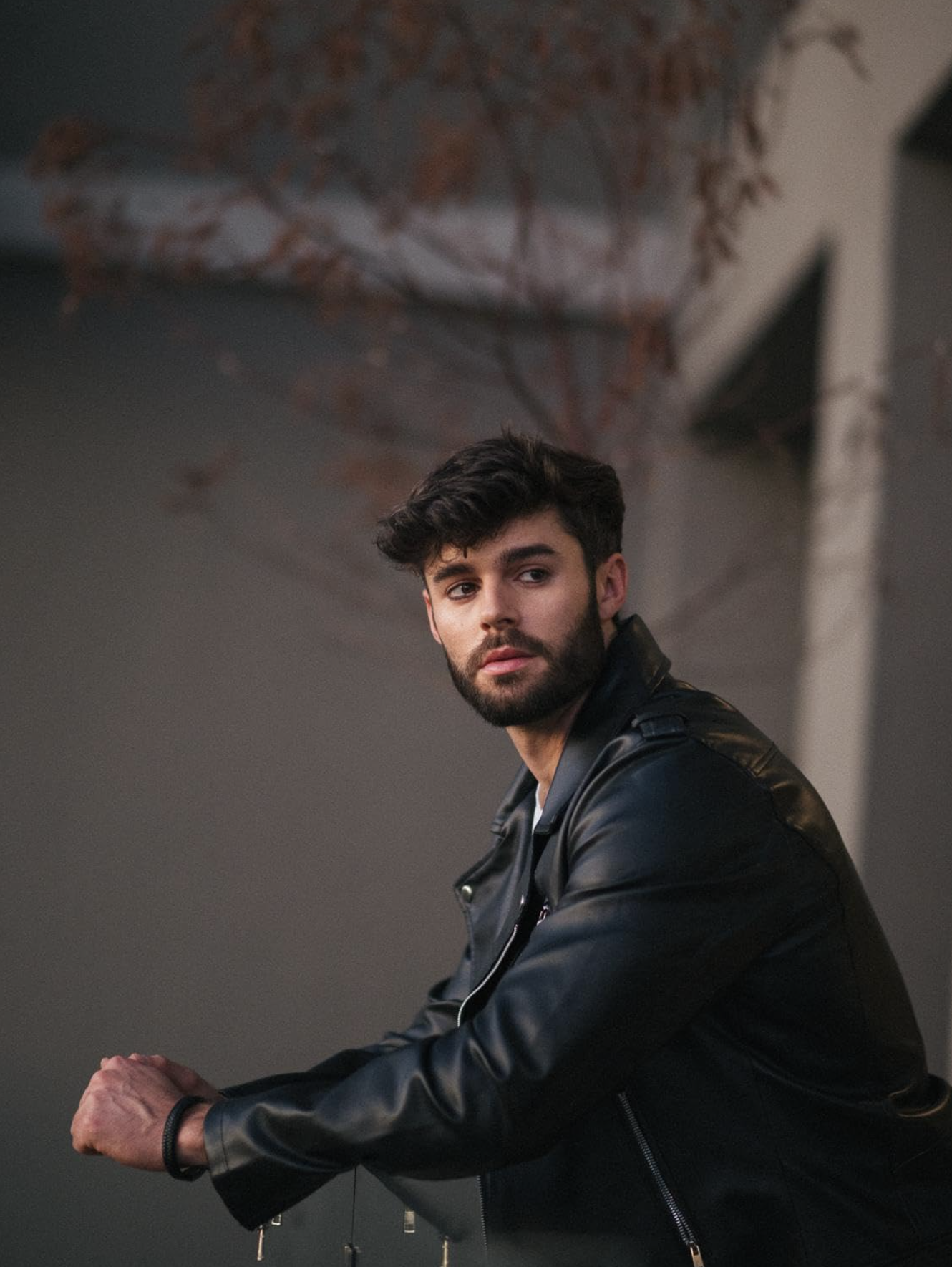
One of the series’ greatest strengths lies in its independence.
Free from platform-imposed metrics that often prioritize sensationalism, Love & Blood resists the industry’s reliance on violence, humiliation, and abuse as engagement shortcuts. This creative freedom results in a story that trusts its audience and respects its characters—an approach increasingly demanded by Western viewers.
Ultimately, Love & Blood exemplifies what VertiLand can become:
original storytelling, layered characters, genuine ensemble chemistry, and a narrative unafraid to evolve.
It stands as a compelling argument for investing in independent verticals that listen to their audiences rather than repeating outdated formulas.
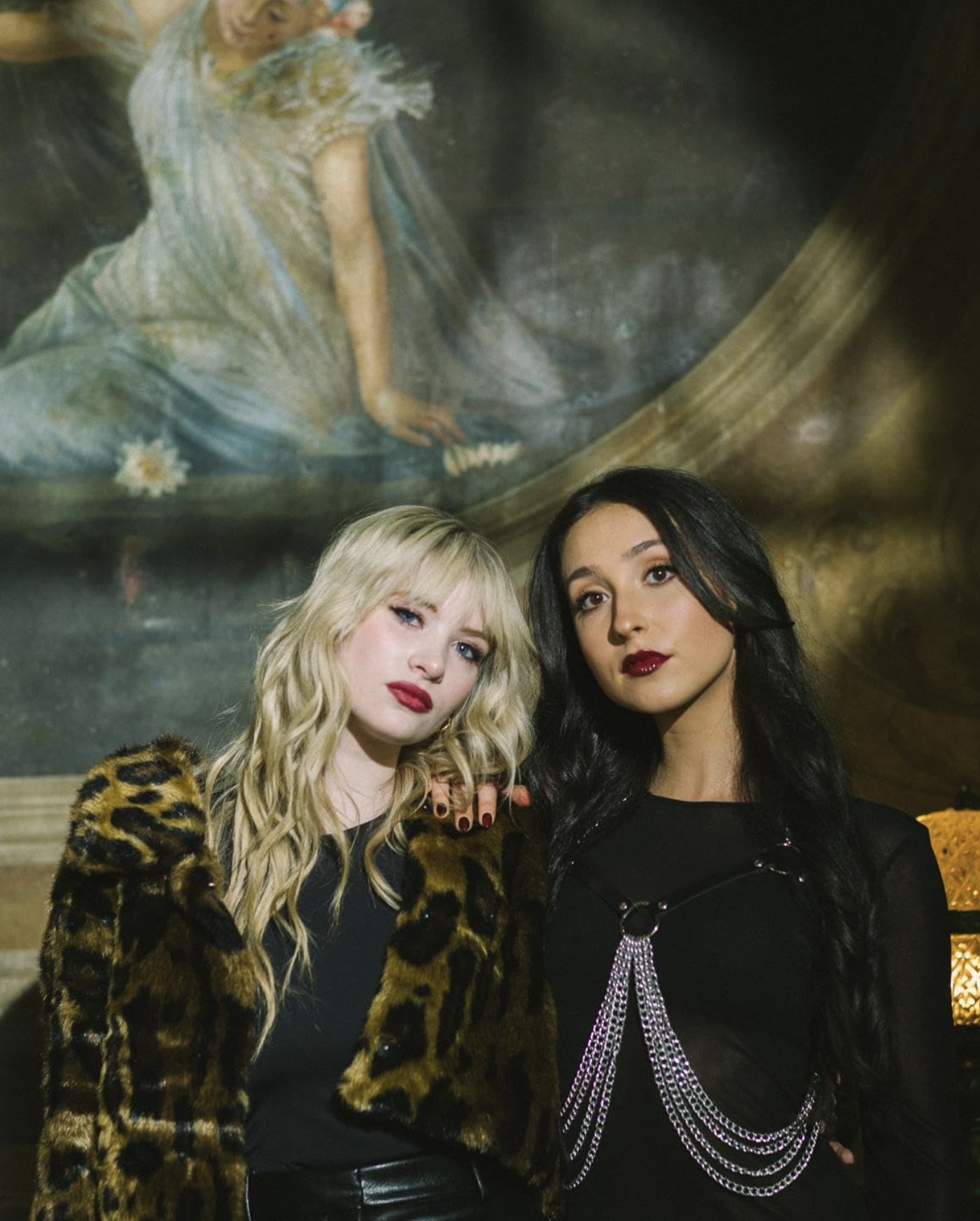
Congratulations to the entire cast and creative team for delivering a series that not only entertains but pushes the medium forward. This is the kind of storytelling vertical audiences are ready to champion.
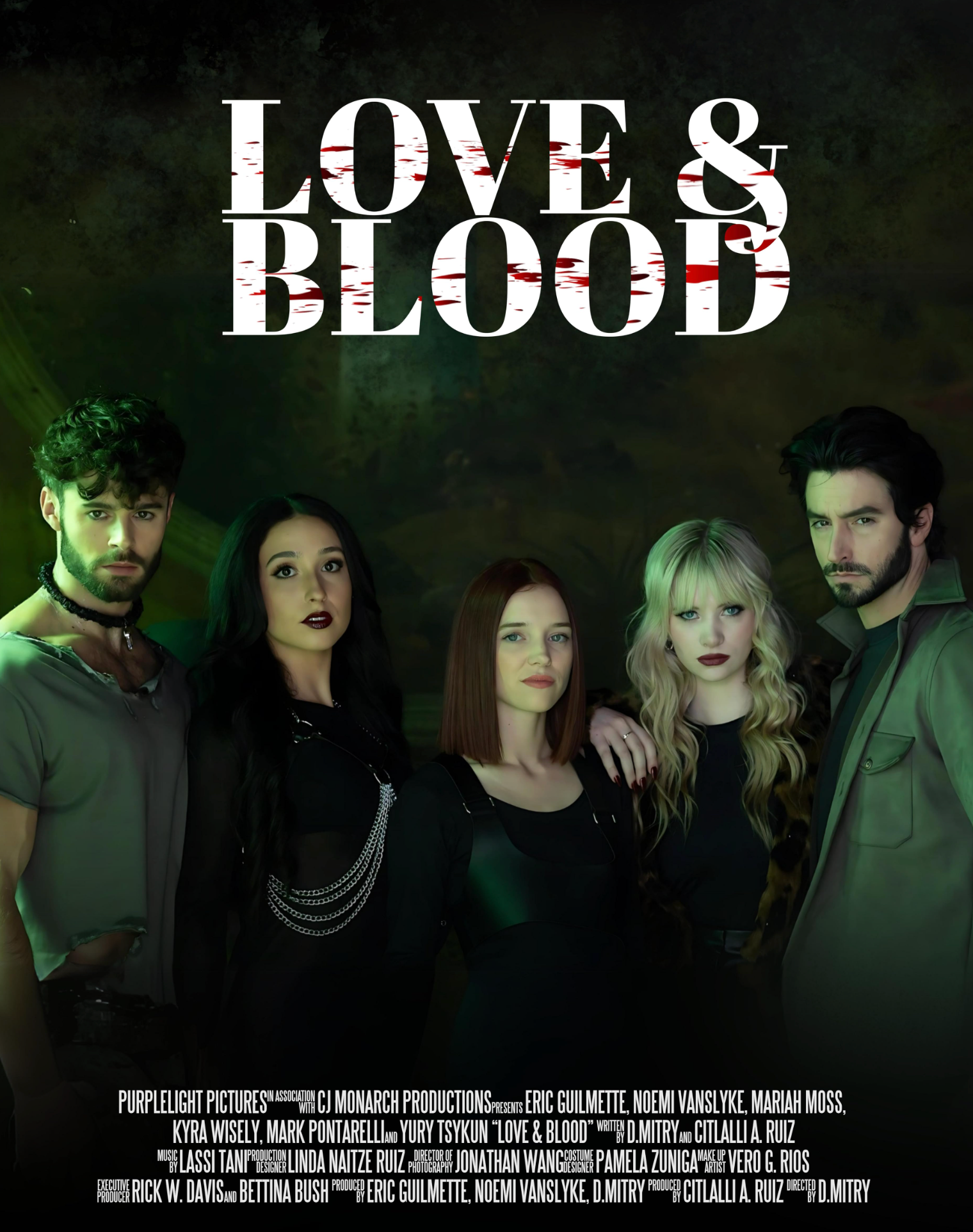
Cast: Eric Guilmette, Noémi VanSlyke, Mariah Moss, Kyra Wisely, Mark Pontarelli, Yury Tsykun, Pia Martinez
Directed by: D. Mitry
Written by: D. Mitry & Citlalli A. Ruiz
Produced by: PurpleLight Pictures
Images used in this article are sourced from the public internet and are presented for editorial context only. All rights remain with their respective owners.