Vertical Drama Review: Love in the Ashes of Us (2026)

⚈ ⚈
The most flawed aspect of Love in the Ashes of Us lies in its inability to give anything beyond the central romance real thematic weight.
-
Review by Alex
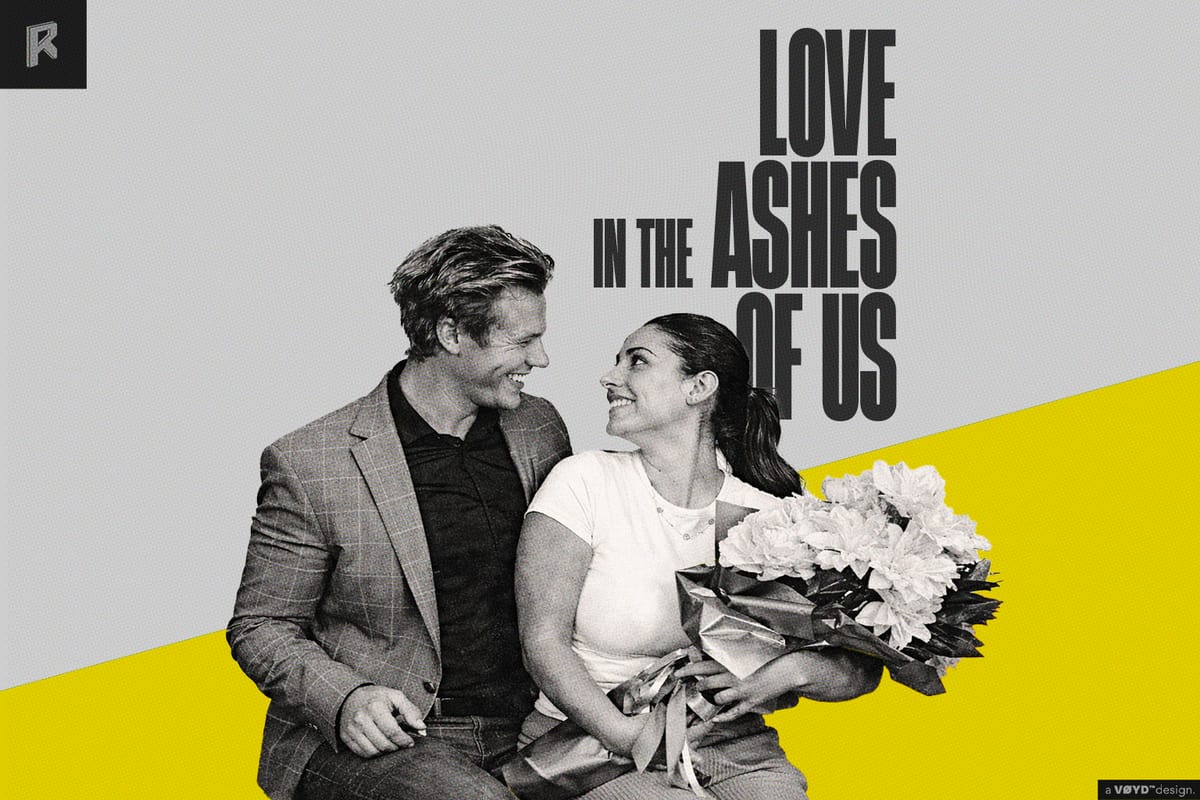
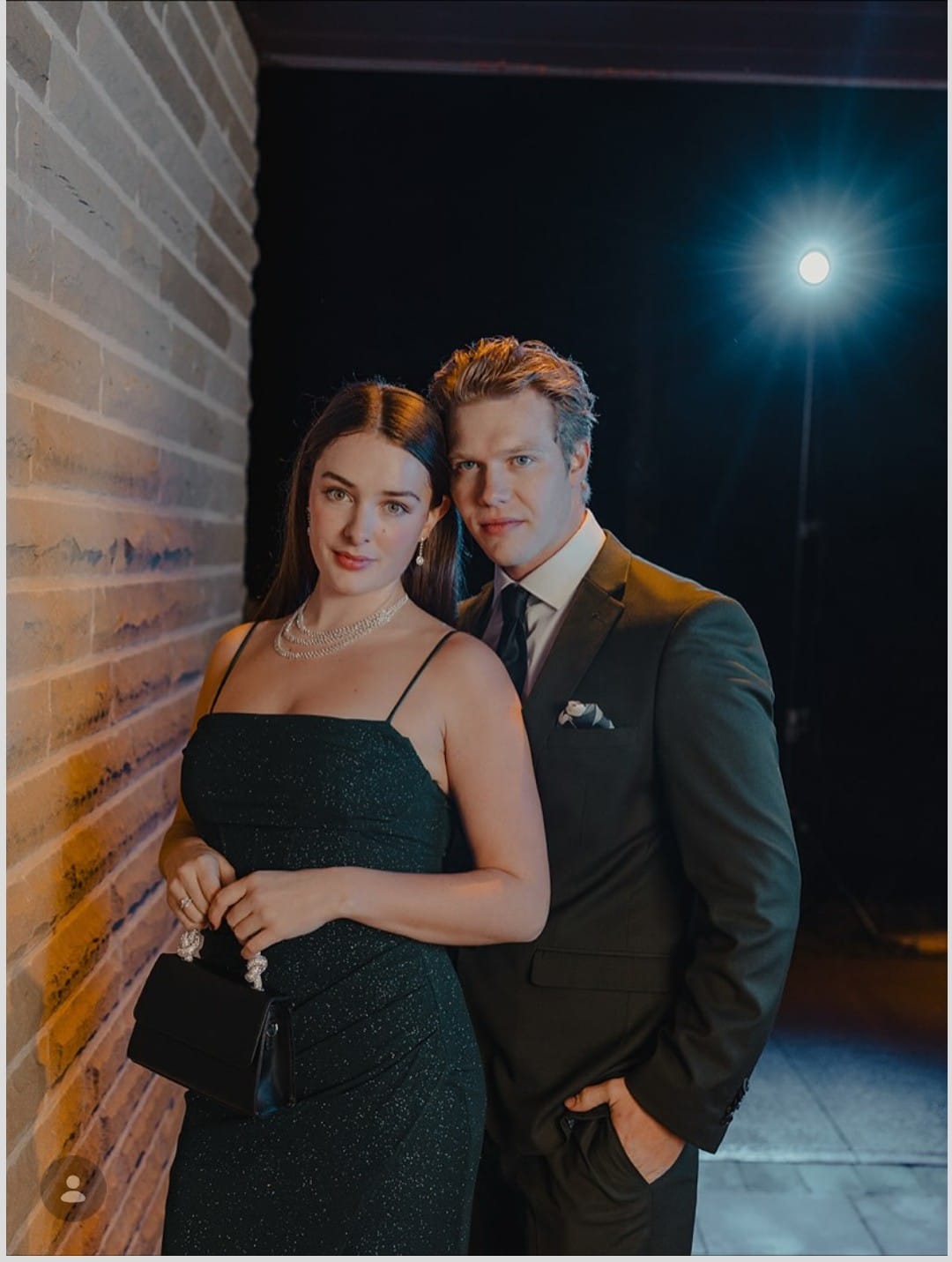
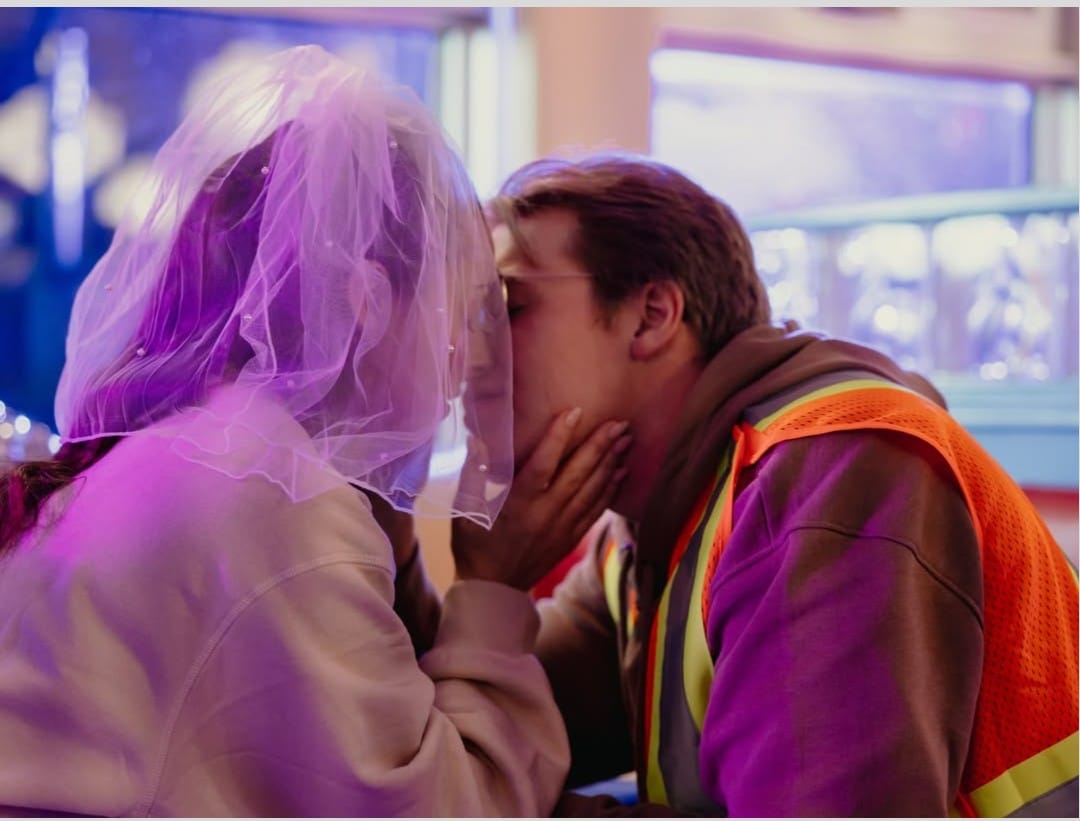
Love in the Ashes of Us, a ReelShort-exclusive vertical drama series, revolves around the fallout between two young lovers who are drawn further apart after the husband becomes the owner of a Fortune 500 company and increasingly entangled with his seductive second-in-command home-wrecker.
Although the general structure and consistent performances have their intended effect in providing a decently compelling vertical drama, the most flawed aspect of Love in the Ashes of Us lies in its inability to give anything other than the central narrative romance any true thematic weight and consequence.
The series mainly revolves around Nina, played to quite good effect by Rebecca Schmautz, as a soft-spoken but deeply intelligent woman constantly facing relationship-ending adversities from her long-term partner Easton, also played effectively by Ryan Whitty.
As the emotional anchor of the story, Nina often leaves room for greater complexity in terms of character and nuance.
Her birthmark, which is said to cover much of her face despite barely being visible at all, is unfortunately framed more as a personal burden than something to be fully accepted, forwarding a message in which looks and money matter more than self-acceptance. Although within the context of the series it functions as a first step in her development after the eventual split, Nina’s defining characteristic still lacks the thematic nuance that would make her more relatable and memorable. It could have been used as a strength rather than a flaw, proving that if Easton is truly unable to love Nina in her entirety because of her appearance, then it was never meant to be.
▙ ▙
The story seems almost allergic to the concept of personal accountability...
Alex
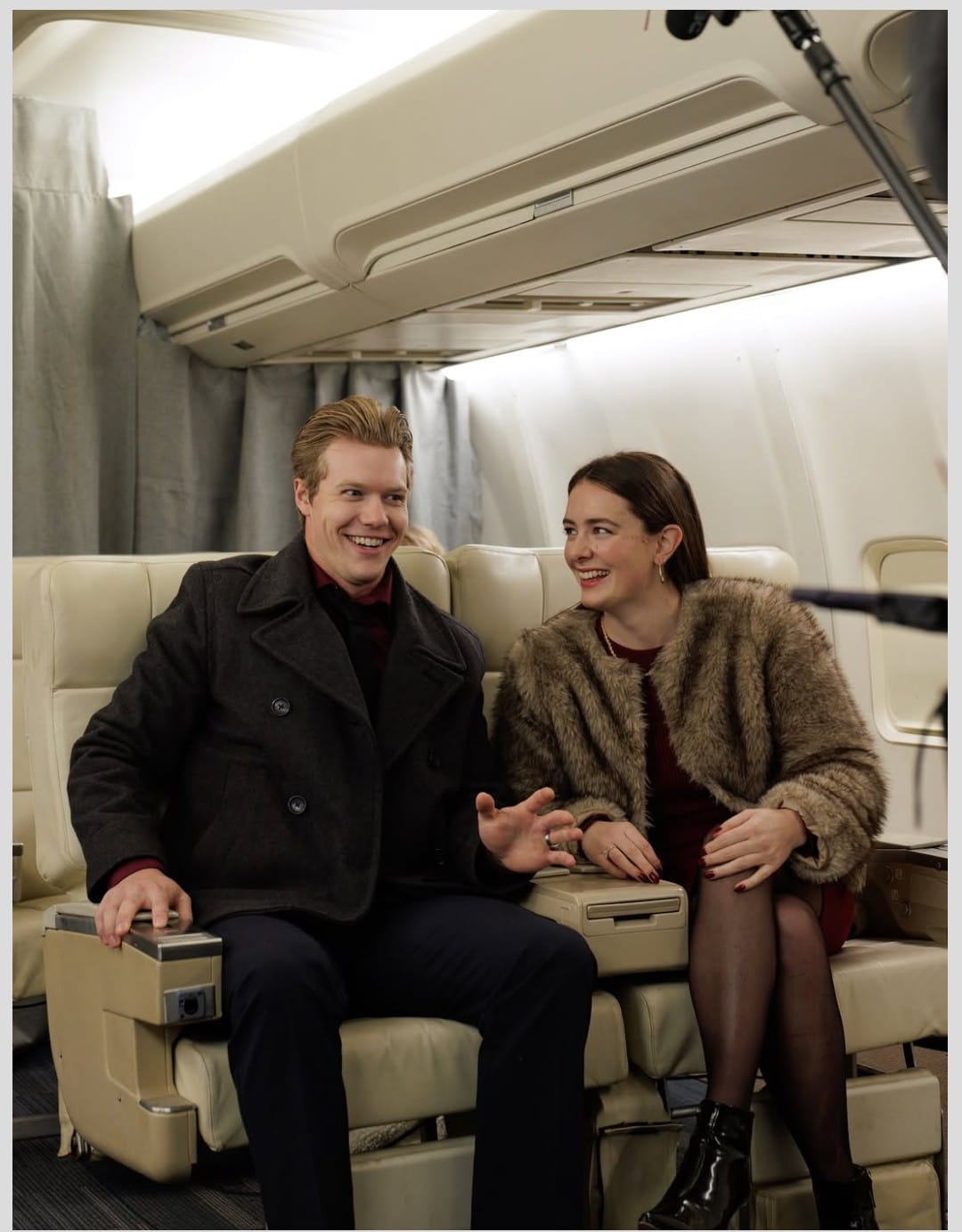
Easton, as a character, is probably the weakest link in terms of personality. Although I initially found him to be a relatively harmless, misguided rich boy seemingly doing his best, his antics gradually started to grow on my nerves as he began more openly, and less tastefully, cheating on Nina. Ryan Whitty does an excellent job portraying a morally slippery character, but the scenes where we are supposed to empathize with Easton’s personal conflict fall completely flat. Not because of the performance, which often shows a level of attitude and resourcefulness I appreciated, but because of the series’s tendency to abandon practicality and emotional logic in its more character-driven dramatic moments.
When the show introduces the idea of a pregnancy gone awry and the loss of unborn children, those scenes are often dramatically undercut by the series’s much stronger investment in the flawed love-triangle narrative. Moments involving life-altering events are repeatedly overshadowed by more sensational developments involving cheating and “true love,” which rarely earn the oversized cinematic treatment they are given. For a series so intent on wearing its romantic moral justice like a badge on its chest, it often minimizes its more harrowing and arguably more interesting dramatic material. That imbalance ultimately keeps the story from feeling as emotionally grounded or thematically rich as it could have been.
▙ ▙
Candice brings a delightfully reprehensible energy that offsets the show’s saccharine central romance...
Alex
Candice, the second love interest, works very well within the show’s overall framework, as her presence is designed almost entirely as the short-fused, explosive, erotic, antagonistic force typical of this kind of romantic melodrama.
Aslan Jordan-Knox gives Candice a deliciously nasty performance, playing someone constantly looking to make things worse with little concern for immediate consequences.
Portrayed as something close to the devil incarnate, Candice has no issue insulting, bribing, and even cackling in Nina’s face despite the latter’s overwhelming personal hardships. Through her role as the over-the-top, materially malevolent antagonist, her antics are quite effective at drawing in viewers looking for something a bit more delightfully reprehensible to balance out the saccharine central romance.
Although her malice may push the boundary of realism and plausibility, the blood she pumps into the show is often felt throughout each second.
▙ ▙
Even life-altering events are overshadowed by the show’s relentless focus on the love triangle...
Alex
While the show often has fun with its too-big-for-its-boots twists and turns at the center, the story seems almost allergic to the concept of personal accountability for its characters.
Like much else in the series, the consequences faced by its characters are given shockingly little narrative weight.
Even something like going flat broke and losing the love of your life, all in the span of about fifteen minutes, is met with surprisingly little emotional fallout. Instead of genuine dramatic responses, or even destructive ones, much of the visual and emotional language is reduced to mild annoyance except when the central romance itself begins to collapse. Those scenes do occasionally deliver the level of emotion you would expect, but by then they often feel oddly isolated from the rest of the show. There are moments when the emotional material does connect, particularly through Nina and Candice, but those scenes are either too noticeably forced or too unevenly spaced to fully carry the story.
Although the events in this story would typically be treated with rawness and nuance in a more realistic setting, Love in the Ashes of Us rarely approaches them that way, even when a shift in pace would clearly benefit such a meandering romantic drama.
Despite its lack of interest in the practical or moral consequences of its own story, the series remains a passable drama with good performances, shocking moments, and competent enough production values.
Functional and largely in line with what it promises, the series still suggests the need for a fresher voice willing to treat its character-defining events as important as the central romance itself. Still, it’s exactly what I expected. At least it doesn’t overstay its welcome.
Available on ReelShort
Director: Kyle Ellsworth
Images used in this article are sourced from the public internet and are presented for editorial context only. All rights remain with their respective owners.
✱