Vertical Drama Review: Tie Me Up, My Dom CEO (2025)

⚈ ⚈
What initially looks like a typical dominance fantasy slowly reveals itself as something more thoughtful.
-
Review by Liz
@portraitstorydiaries
Let’s be honest: whenever a story introduces a billionaire CEO, ropes, and a secret underground club, most viewers immediately think of Fifty Shades of Grey. For years, mainstream BDSM storytelling has leaned heavily on a particular formula. Brooding billionaires. Questionable consent.
Female protagonists who slowly reshape themselves around a dominating partner.
That template has become so familiar that audiences almost expect the same emotional blueprint every time.
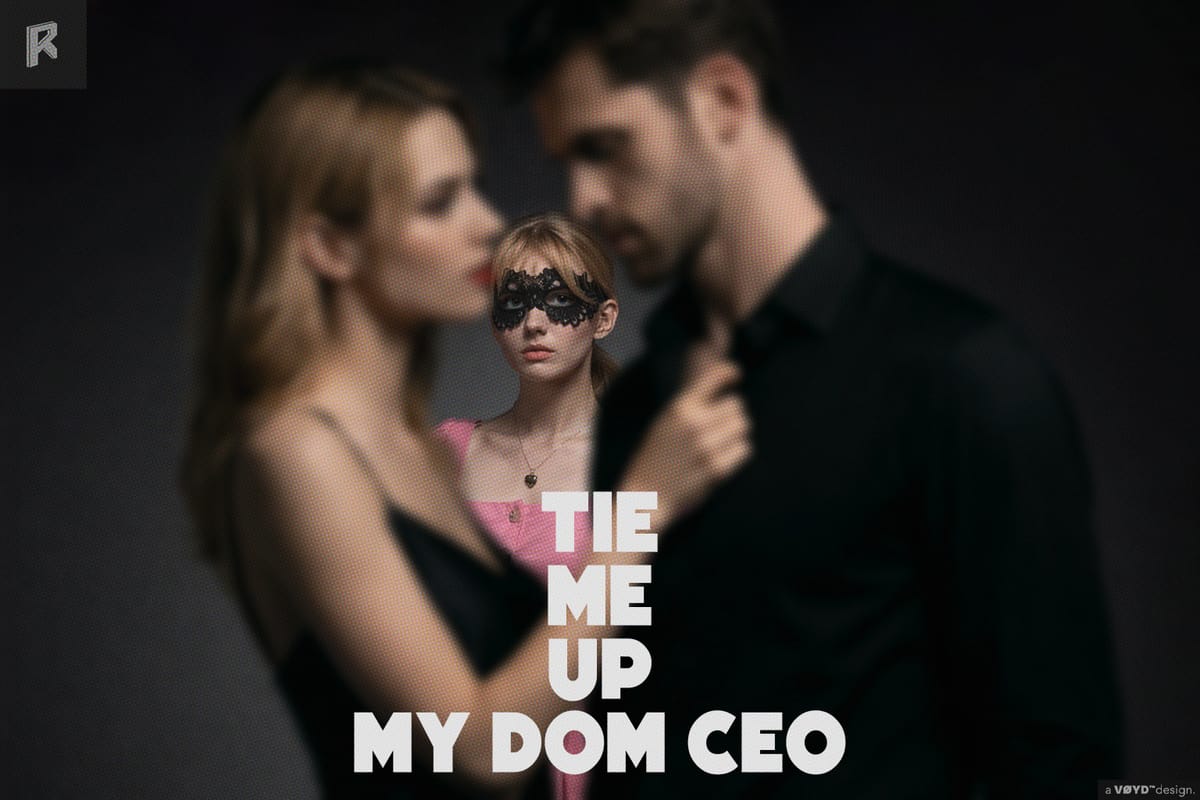
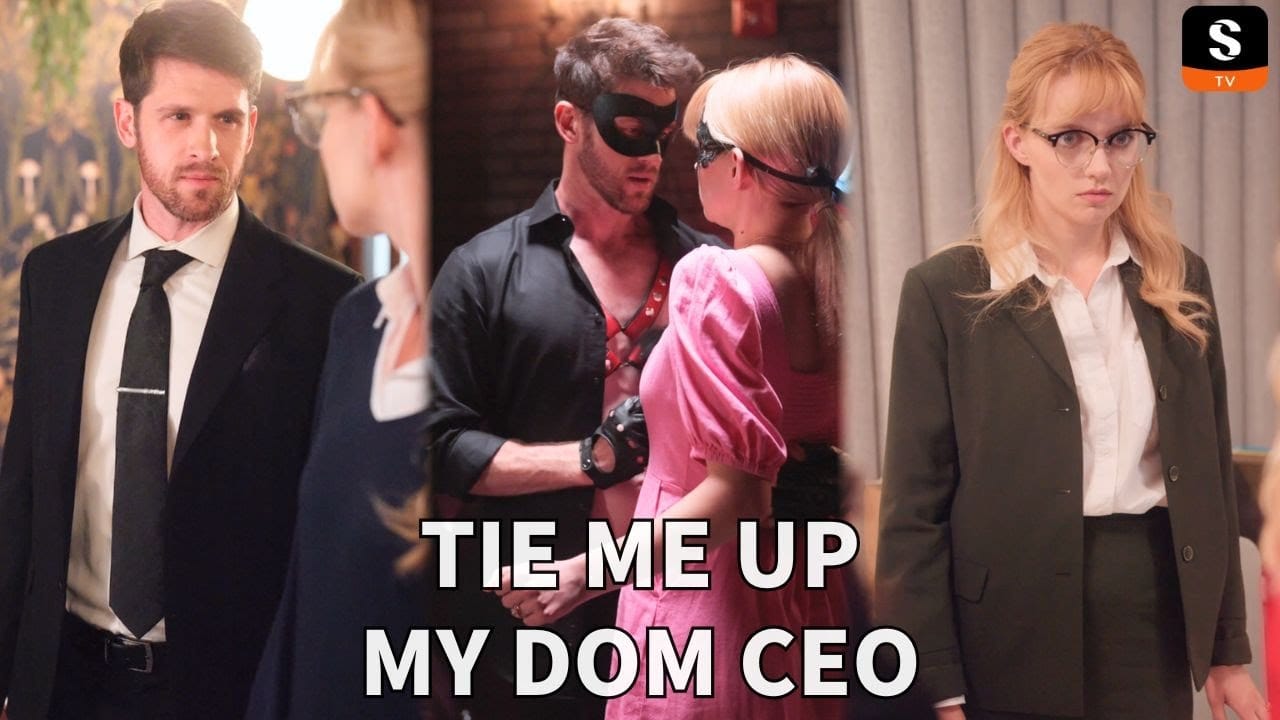
Tie Me Up, My Dom CEO knows that expectation exists, and at first glance the premise seems to walk directly into it. A powerful CEO with a secret life. A mysterious underground club. A woman who has spent years shrinking inside a marriage that barely sees her.
But the longer the series unfolds, the clearer it becomes that the story is trying to shift the conversation somewhere else.
What initially looks like a typical dominance fantasy slowly reveals itself as something more thoughtful. The series still leans into the seductive atmosphere of its setup, ropes, masks, and charged encounters included, but it pairs that sensual tension with something far more interesting. Instead of centering spectacle or shock value, the narrative places its attention on trust, consent, and emotional safety.
By the time the story finds its rhythm, it becomes clear that this is not simply a provocative romance. It is a story about a woman remembering who she is after years of living quietly inside someone else’s expectations.

▙ ▙
The story explores what it means to hold responsibility for another’s vulnerability...
Liz
The Quiet Beginning of Phoebe’s Journey
Phoebe Thompson enters the story as someone who feels almost invisible in her own life. Played by Madi Morelli with a sensitivity that feels emotionally authentic, Phoebe is introduced as a woman who has spent years adjusting herself to make other people comfortable. Her husband Colin barely notices her. The life she built has become a routine rather than a relationship. Even the way she moves through scenes suggests someone who has learned to stay small.
She apologizes often. She hesitates before speaking. She feels like someone who has slowly disappeared from the center of her own story.
That is why the shift that follows becomes so compelling.
Phoebe’s introduction to the underground club Elysium arrives through her fiercely loyal best friend Mia, whose energy is the complete opposite of Phoebe’s cautious world. What begins as curiosity slowly becomes something more meaningful.
Phoebe is not simply exploring a new environment. She is exploring parts of herself she has not allowed to exist for years.
Phoebe’s change doesn’t arrive through a dramatic makeover but through quiet signals. Bolder clothes replace the demure housewife wardrobe, her posture straightens, and she finally begins asking the questions she has avoided for years.
What do I want?
What do I deserve?
Why have I been pretending those questions do not matter?
Watching Phoebe rediscover those answers becomes the emotional backbone of the entire series.

▙ ▙
This focus on emotional nuance feels like a quiet act of creative defiance...
Liz
Jackson King and a Different Kind of Dominance
The character of Jackson King could easily have been written as another variation of the familiar billionaire archetype.
Powerful. Cold. Controlling.
Instead, Ryan Larson plays Jackson with an emotional steadiness that changes the entire dynamic.
Jackson never approaches Phoebe with the intention of controlling her. Instead, their dynamic grows through attentiveness, conversation, and careful communication.
He listens.
He checks in.
He understands that trust is something that has to be built slowly.
That approach fundamentally changes the tone of the relationship. Instead of presenting dominance as something aggressive, the story explores what it means for someone to hold responsibility when another person places their vulnerability in your hands.
The result is a relationship that feels grounded rather than manipulative.
Their chemistry grows through pauses and quiet exchanges rather than dramatic declarations, creating a tension that feels both sensual and emotionally grounded. Those smaller moments allow the audience to feel the emotional stakes behind the physical dynamic.
Their connection carries a quiet intensity that feels both intimate and grounded, allowing the tension between them to build naturally instead of relying on exaggerated power dynamics.
And in many ways, that emotional foundation is what separates the series from many of the stories it initially seems to resemble.
The Directorial Vision: Fighting for Nuance in a Sea of Tropes
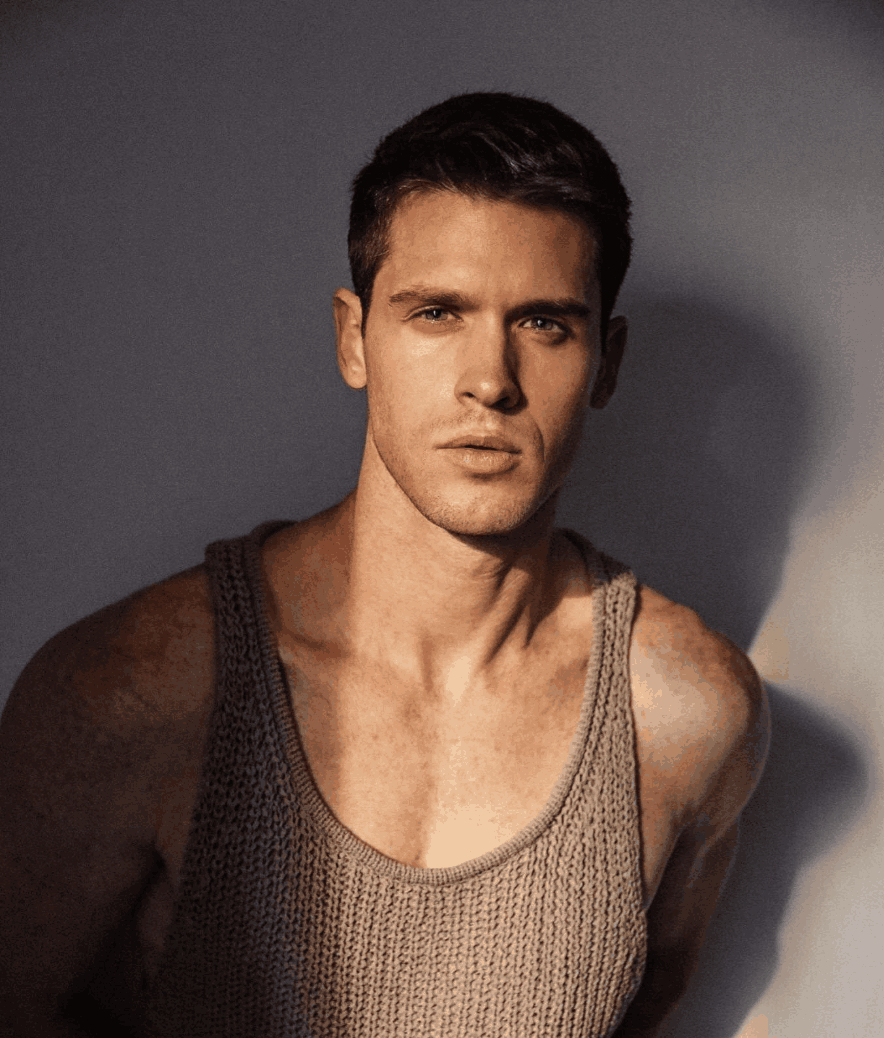
The reason this dynamic works so well does not feel accidental. It feels like a deliberate creative choice shaped by director Stephanie Tablizo.
The vertical drama industry moves quickly. Production schedules are tight and success is often measured through immediate audience metrics. In that environment, many projects lean heavily into extreme tropes because shock value and controversy generate fast attention.
Stories about dominance and submission can easily fall into that pattern.
But Tablizo’s direction clearly refuses to rely on those shortcuts.
You can feel a conscious pushback in how the scenes are handled. Instead of leaning into the shock value the premise could easily rely on, the camera keeps returning to the characters themselves. Conversations are given space, reactions are allowed to breathe, and emotional vulnerability is never rushed past. Because of that choice, intimacy is not treated like spectacle. It feels personal, layered, and grounded in Phoebe’s journey, which remains the true center of the story even when the surrounding drama becomes chaotic.
In a genre that often prioritizes speed and intensity, this focus on emotional nuance feels like a quiet act of creative defiance.
It suggests a director who understands the tropes of the genre but chooses to reshape them rather than simply reproduce them.
▙ ▙
It transforms a simple power fantasy into something more reflective...
Liz
The Vertical Drama Chaos We Love
Of course, Tie Me Up, My Dom CEO still embraces the dramatic chaos that makes vertical storytelling so addictive. Explosive confrontations, sudden twists, and even a brief dive into corporate-thriller territory keep the pace lively, while the supporting characters add their own sparks. Sydney Banton’s Amber brings volatile jealousy, Mia acts as the fearless friend who pushes Phoebe toward change, and Sable introduces a layer of intriguing tension that complicates the emotional landscape. These moments of chaos keep the story energized without pulling attention away from Phoebe’s personal journey.
A Few Uneven Moments
Even with its thoughtful approach, the series is not without its weaker moments.
The fast-paced structure of vertical dramas sometimes forces the narrative to jump quickly between emotional beats. Certain subplots, particularly some of the corporate intrigue elements, feel slightly rushed compared to the slower emotional development of the central relationship.
There are also moments where the surrounding drama becomes exaggerated enough to briefly distract from the more grounded themes the series explores so well.
But those uneven sections feel less like creative missteps and more like the natural result of working within the vertical format. The genre often demands heightened stakes and rapid pacing to maintain viewer engagement.
What ultimately keeps the story compelling is that it repeatedly returns to Phoebe’s emotional journey, even when the plot temporarily spirals into chaos.
A Story About Reclaiming Yourself
At heart, Tie Me Up, My Dom CEO is not really about dominance at all.
It is about recognition.
Recognition of desire, boundaries, and self-worth.
Phoebe’s story resonates because it reflects something many people recognize in their own lives. The slow realization that the life you are living no longer feels like your own.
Her journey is not about rebellion for the sake of drama. It is about remembering that her needs matter. That her voice matters. That wanting more from life does not make her selfish or difficult.
It makes her human.
The series does not rush that realization. It allows the audience to sit with the uncertainty that comes with change.
And in doing so, it transforms what could have been a simple power fantasy into something more reflective.
Final Thoughts
Tie Me Up, My Dom CEO begins with a premise that feels familiar, even provocative at first glance. But beneath the glossy setup, the story quietly challenges many of the usual assumptions about power and intimacy. Instead of framing dominance as control, it centers trust, communication, and emotional awareness, ultimately revealing that the most powerful act of all is learning to choose yourself.
Available on ShortMAx
Main Cast:
Madi Morelli — Phoebe Thompson
Ryan Larson — Jackson King / “K”
Quest De Salvo — Colin (Phoebe’s husband)
Supporting Cast:
Kim Davy — Mia (Phoebe’s best friend)
Sydney Banton — Amber
Quest De Salvo — Colin (Phoebe’s husband)
Olivia Sewell — Sable (Jackson’s former submissive)
Production Credits:
Director: Stephanie Tablizo
Writer/Creator - Zora Zou
Production Companies: Union Film Group & Ottawood Film
Images used in this article are sourced from the public internet and are presented for editorial context only. All rights remain with their respective owners.
✱