Vertical Drama Review: You Are My Destiny (2025)


⚈ ⚈
I didn’t brace myself for this story.
That was my first mistake.
-
Review by Liz
@portraitstorydiaries
You Are My Destiny looks like it knows exactly where it’s headed.
A tragic romance.
A familiar kind of sacrifice.
The promise of heartbreak you think you can prepare for in advance.
But the series doesn’t hurt you by surprise.
It hurts you by persistence.
By returning to the same emotional question until you understand there is no clean answer waiting at the end.
At its core, the story is brutally simple.
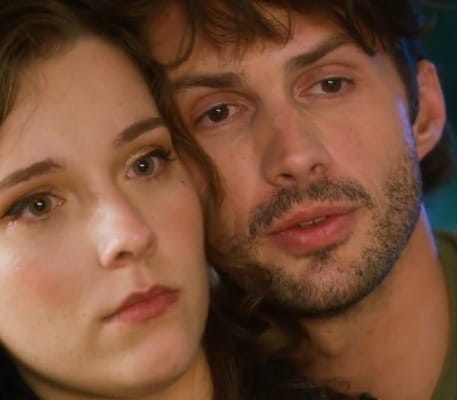
Logan is blind, isolated, and already abandoned when the series begins. Giselle enters his life not as a savior, but as a solution. She becomes his stability, his routine, his means of survival. She loves him without negotiation, without self-protection, and eventually without limit.
That imbalance matters.
The tragedy here isn’t simply what happens. It’s that love arrives without boundaries, and by the time anyone understands the cost, the damage has already been written into every choice that follows. This is a story about love that gives too much because it does not know how to give less. Love that feels noble until you realize it leaves no room for survival.
▙ ▙
The most painful moments aren’t the reveals.
They’re the waiting.
Liz
The long stretch where the audience understands what the characters don’t, and the story refuses to hurry toward relief. Scenes end without resolution, and the next begins in the same emotional space, as if nothing has been cleaned up yet. The weight accumulates not through one devastating moment, but because the hurt is never allowed to fully leave.
When Logan finally begins to see, Giselle is no longer there to share that clarity with him. The story doesn’t frame this as irony. It treats it as consequence.
Where the Story Lives and Breaks
None of this works without full commitment from the cast, and that commitment is present across the board.
▙ ▙
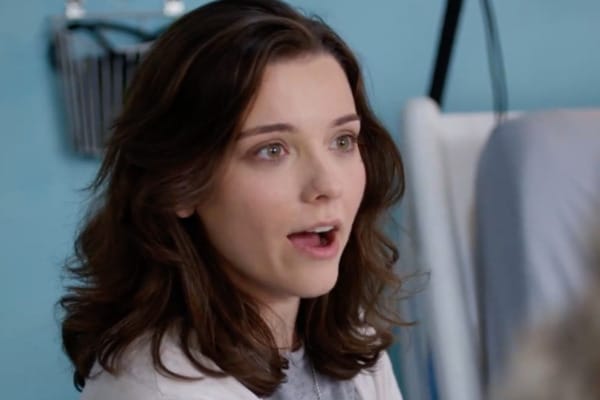
Samantha Drews as Giselle is the emotional foundation of the series.
Liz
There is nothing showy in her performance. She never asks the audience to feel sorry for her. Instead, she plays Giselle as someone who keeps going even when it costs too much, even when it’s unfair, even when the world gives her no reason to believe endurance will be rewarded.
There were moments where it stopped feeling like a performance at all. It felt like watching someone endure. The love she shows, particularly toward Astra, isn’t sentimental or staged. It’s instinctive. Protective. Worn thin in the way real love becomes when it has been stretched past its limits.
Samantha carries that exhaustion quietly, and that restraint is what makes the performance devastating.

▙ ▙
Zack Rist’s Logan is harder to sit with, and that discomfort is essential.
Liz
This is a character you love and resent at the same time. Logan makes choices that hurt people. He misses things he should recognize sooner. He reacts too late. Zack doesn’t soften any of that. He allows Logan to remain frustrating, even unlikable at times. You feel the guilt before Logan articulates it. You see the regret arrive after the damage is already done. Even when it becomes difficult to defend him, there is still something recognizably human there. Broken. Stubborn. Real.
You don’t leave the story feeling settled about him, and you’re not meant to.

▙ ▙
April Korovichenko as Astra quietly anchors the series.
Liz
There’s an honesty to her performance that cannot be manufactured. She grounds the story in a way none of the adults manage to. Her presence cuts through the emotional chaos. The quiet moments with her land harder than many of the larger dramatic turns because they feel unguarded. Astra becomes the emotional center without ever being positioned as one, and that restraint gives her scenes lasting weight.
The supporting cast functions effectively where the story allows space. Blake Bailor and Richard Neil bring softer shades of regret and moral uncertainty, reinforcing the idea that harm here rarely comes from outright villains. More often, it comes from inaction and silence.
Where the Balance Slips
Loving this drama does not require pretending it is flawless.
The early episodes fall into familiar genre loops. Misunderstandings escalate quickly. Humiliation arrives repeatedly. Harm is introduced before emotional consequence has time to settle. This pattern is not unique to You Are My Destiny, but its repetition risks dulling the empathy the story works so hard to earn.
When pain arrives too quickly and too often, it stops feeling revelatory and starts feeling procedural. The danger isn’t just exhaustion. It’s emotional numbing.
This is where the genre itself becomes part of the critique. Romantic tragedy often mistakes escalation for depth, and in those early episodes, the series occasionally falls into that trap. The suffering feels imposed rather than emerging organically from character choice.
That said, the performances prevent this section from collapsing under its own weight.

▙ ▙
Sarah Hamilton’s Regina is played with control rather than excess.
Liz
Her cruelty is deliberate, measured, and disturbingly believable. She never tips into caricature. The harm she causes feels precise, not exaggerated, which allows the discomfort to register without turning into spectacle.
And this is where the series ultimately surprised me.
As it progresses, the story begins trusting its characters more than constant escalation. The pain does not disappear, but it changes shape. It begins to carry consequence rather than shock. The quieter stretches, where nothing explodes and the characters are forced to live with what has already happened, are where the story becomes most effective.
When the series allows silence to do the work, it gains weight instead of volume.
The balance isn’t perfect, but when it holds, the emotional impact deepens rather than overwhelms.
The Weight It Leaves Behind
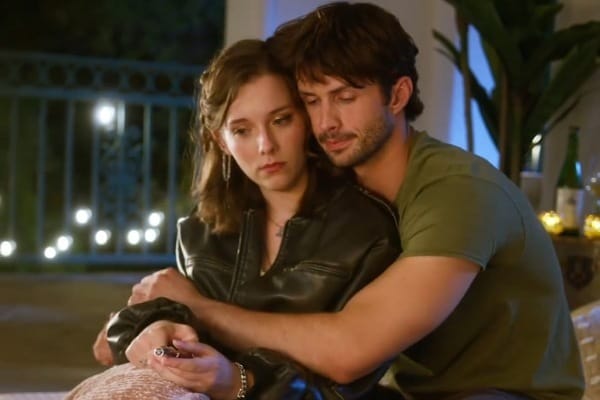
You Are My Destiny is not a comforting love story. It’s about love that gives too much, too early, without protection. It’s about people who don’t know how to care without causing harm, and the damage that lingers long after intention fades.
What stayed with me wasn’t just the heartbreak. It was the endurance. The understanding that love here doesn’t fix anything, but it still matters. It still leaves a mark.
Some stories pass through you.
This one settled in.
Not loudly.
Just heavily enough that even now, thinking about it, I can feel it again.
And that’s not something I say lightly.
Available on ReelShort
Directed by Nani Li Yang
Images used in this article are sourced from the public internet and are presented for editorial context only. All rights remain with their respective owners.
✱