
Vertical Drama Weekly: Google Enters Microdrama as Disney and Peacock Go Vertical
Google enters microdrama, Disney+ launches a vertical feed and Peacock experiments with vertical sports. The vertical drama ecosystem continues to evolve.


Industry analysis of the global vertical drama and microdrama market.
✱
This week saw several major shifts across the vertical drama ecosystem. Google entered the microdrama space through a partnership with Range Media, while Disney+ and Peacock introduced new vertical video features inside their streaming platforms.
Week of Mar 9-15, 2026
Join Real Reel
Google and Range Media launch microdrama initiative
Google has quietly entered the microdrama space through its content partnership 100 Zeros, working with Range Media Partners to develop short-form scripted series designed for vertical consumption.
The initiative brings together Google’s distribution ecosystem and Range’s Hollywood packaging network, with veteran producers from traditional television formats already attached to early development projects. Unlike the vertical drama apps that have driven the format’s early growth, the collaboration positions microdrama within a broader creator and platform ecosystem rather than as a standalone mobile-first product.
This move suggests that vertical storytelling may begin to intersect more directly with Hollywood development pipelines, where talent representation, packaging and platform distribution operate together. For the microdrama industry, it marks one of the first meaningful signals that Big Tech platforms are exploring scripted vertical formats beyond creator-driven content.
 Katie Kilkenny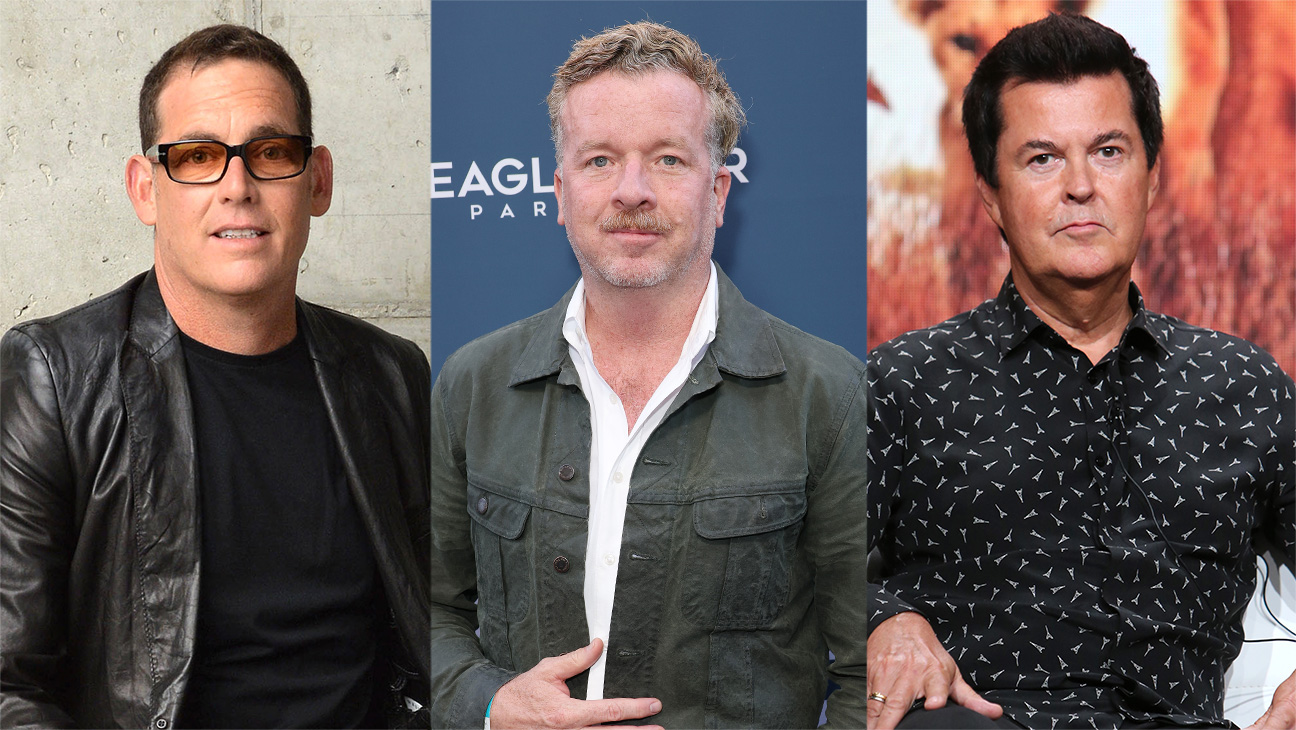
Disney+ launches “Verts” vertical video feed
Disney+ has begun rolling out a new vertical video feature called Verts within its mobile app in the United States. The feature presents short-form clips from films and television series in a swipeable vertical feed, allowing users to quickly browse content, add titles to their watchlist, or jump directly into the full program.
The company describes the feature as a discovery tool designed to surface new content and increase engagement on mobile devices. Disney executives also suggested that Verts may evolve beyond simple clips, eventually supporting additional storytelling formats and new forms of personalized content.
Disney’s move signals that vertical video is no longer confined to standalone microdrama apps. Instead, it is becoming part of the product architecture of major streaming platforms, functioning as a discovery and engagement layer for long-form content. For the streaming industry, vertical is increasingly less about format and more about how audiences navigate and sample media on mobile devices.
 Kayla Cobb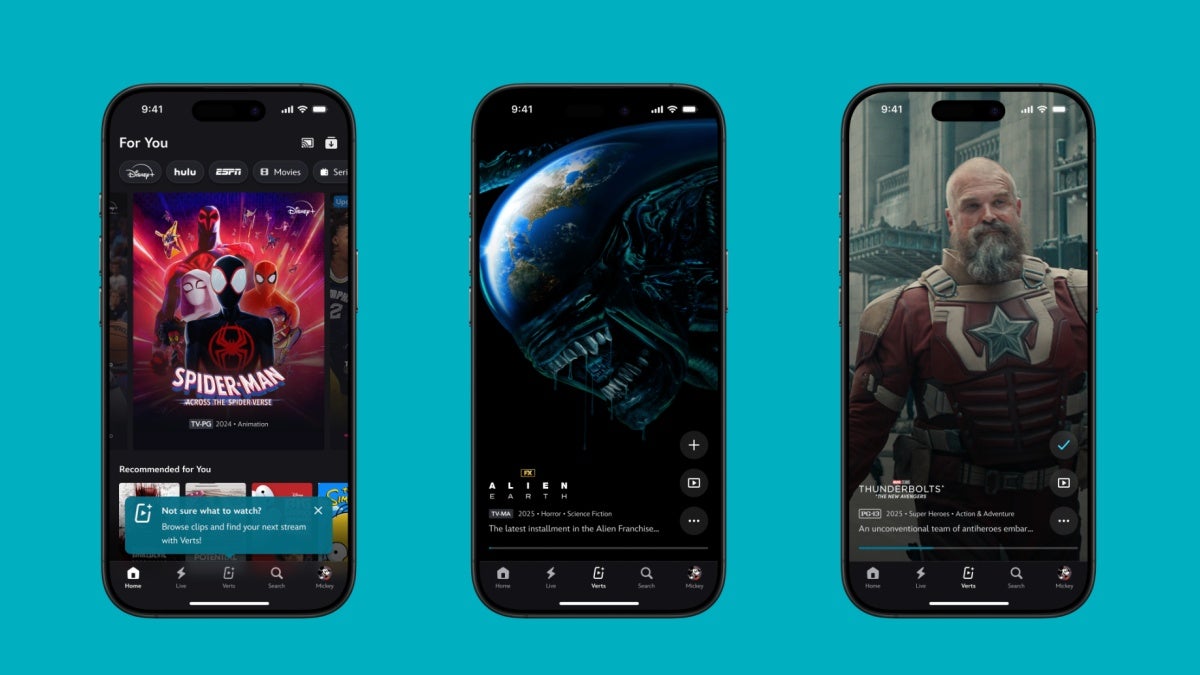
Peacock expands vertical video and experiments with vertical sports
NBCUniversal’s Peacock is also expanding its vertical video strategy, positioning a swipeable vertical feed more prominently within its mobile interface. The company is experimenting with vertical formats across entertainment and sports content, including tests involving live NBA vertical video streams.
At the same time, Peacock introduced a new AI-powered personalization feature called “Your Bravoverse,” designed to tailor short-form content recommendations based on user behavior and fandom.
Peacock’s approach highlights how vertical video is becoming intertwined with personalization and live content, not just scripted storytelling. If successful, vertical feeds could evolve into a broader engagement layer connecting clips, live streams and AI-driven recommendations within streaming platforms.
 Lucas Manfredi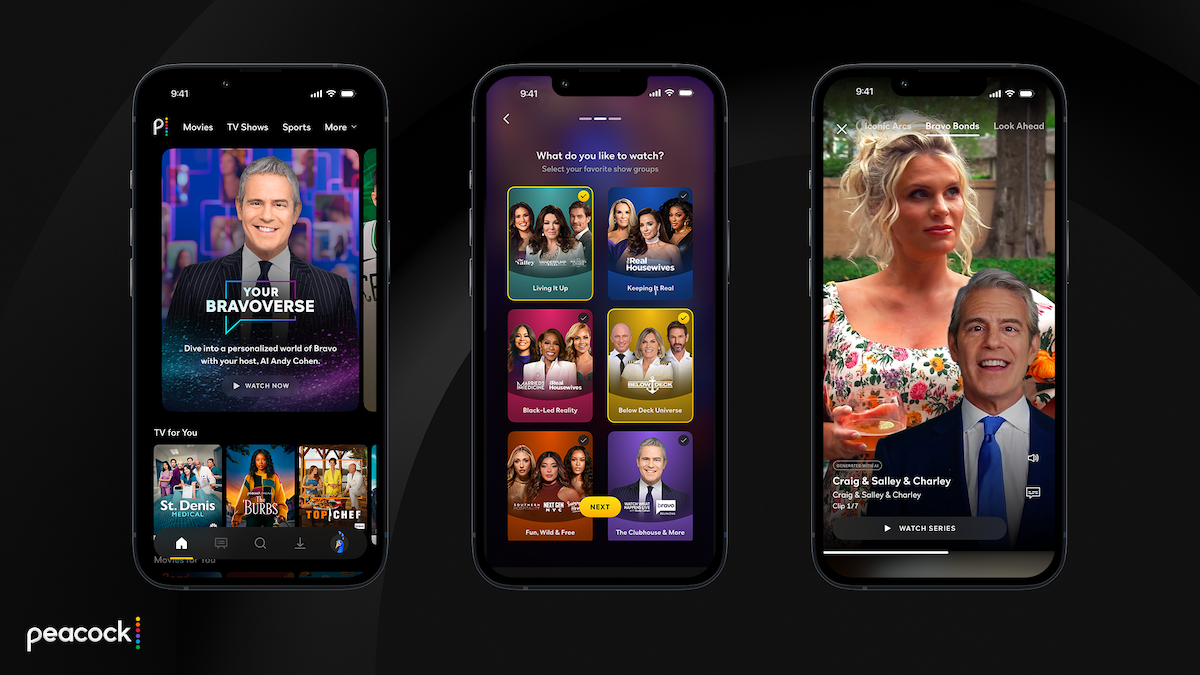
Genre producer Charles Band launches new microdrama studio
Veteran genre producer Charles Band, founder of Full Moon Features, announced the launch of a new microdrama-focused production company, FMA Productions. The venture aims to produce vertical drama series in collaboration with established creators from the microdrama space.
Band’s involvement brings a long history of independent genre filmmaking into the vertical drama ecosystem, with production strategies built around fast turnaround cycles and high-concept storytelling.
Vertical drama production is beginning to attract experienced genre producers accustomed to rapid, low-budget storytelling models. Their entry suggests that vertical content production may increasingly borrow techniques from independent film and B-movie production pipelines, potentially accelerating the scale and efficiency of microdrama output.
 Jesse Whittock
Vigloo unveils fully AI-produced vertical drama
Global microdrama platform Vigloo released its first fully AI-produced English-language series, Bloodbound Luna, a 22-episode vertical drama reportedly created in just eight weeks by a production team of fewer than ten people.
The company stated that it plans to produce around 30% of its annual content slate using AI-driven workflows, combining automated scripting tools, generative imagery and streamlined editing pipelines.
AI production is moving from experimentation into content supply infrastructure. If platforms can reliably produce vertical series through AI-assisted pipelines, the competitive advantage in microdrama may shift toward production speed and cost efficiency, rather than purely creative differentiation.
 Nico Franks
China Watch:Policy discussions push microdrama toward higher production standards
Industry discussions surrounding China’s national policy meetings this week emphasized the need for short-form drama exports to shift from viral storytelling toward higher-quality narratives and stronger international appeal.
Local governments and production forums are also increasingly linking microdrama development with AI production tools and regional creative industry policies, signaling continued institutional support for the format’s expansion.
China remains the world’s largest microdrama production ecosystem. As the industry there begins to emphasize quality standards, regulation and AI integration, those changes could influence how the global vertical drama market evolves over the next several years.
✱