Interview · R:ID ╳ Tina Randolph Contogenis ❘ Vertical Isn’t Emerging, It Emerged When Agents Took It Seriously

This is an original R:ID editorial interview. Reproduction or redistribution without prior written permission is prohibited, except for brief quotations with attribution.
Vertical
Is Not a Side Project.
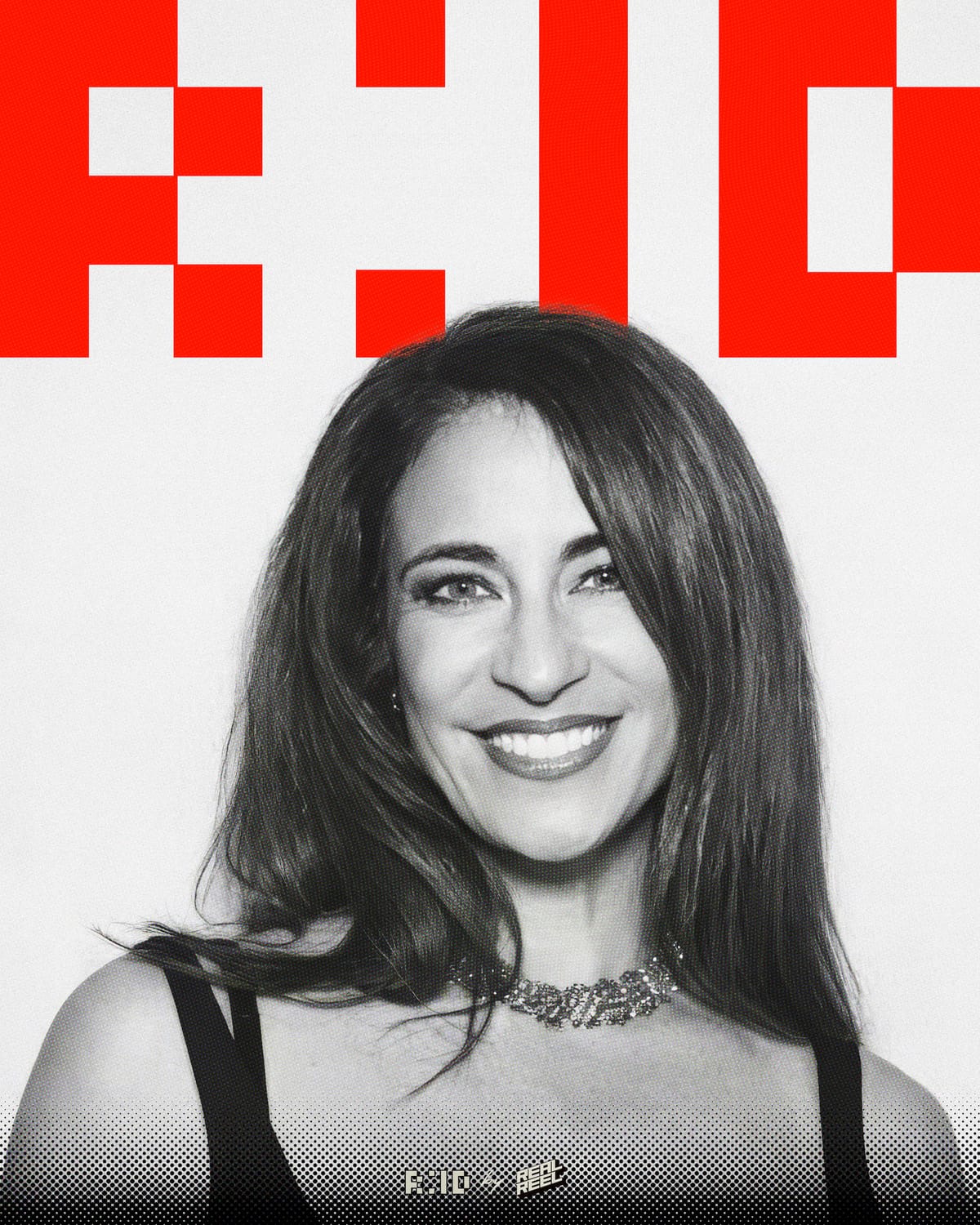
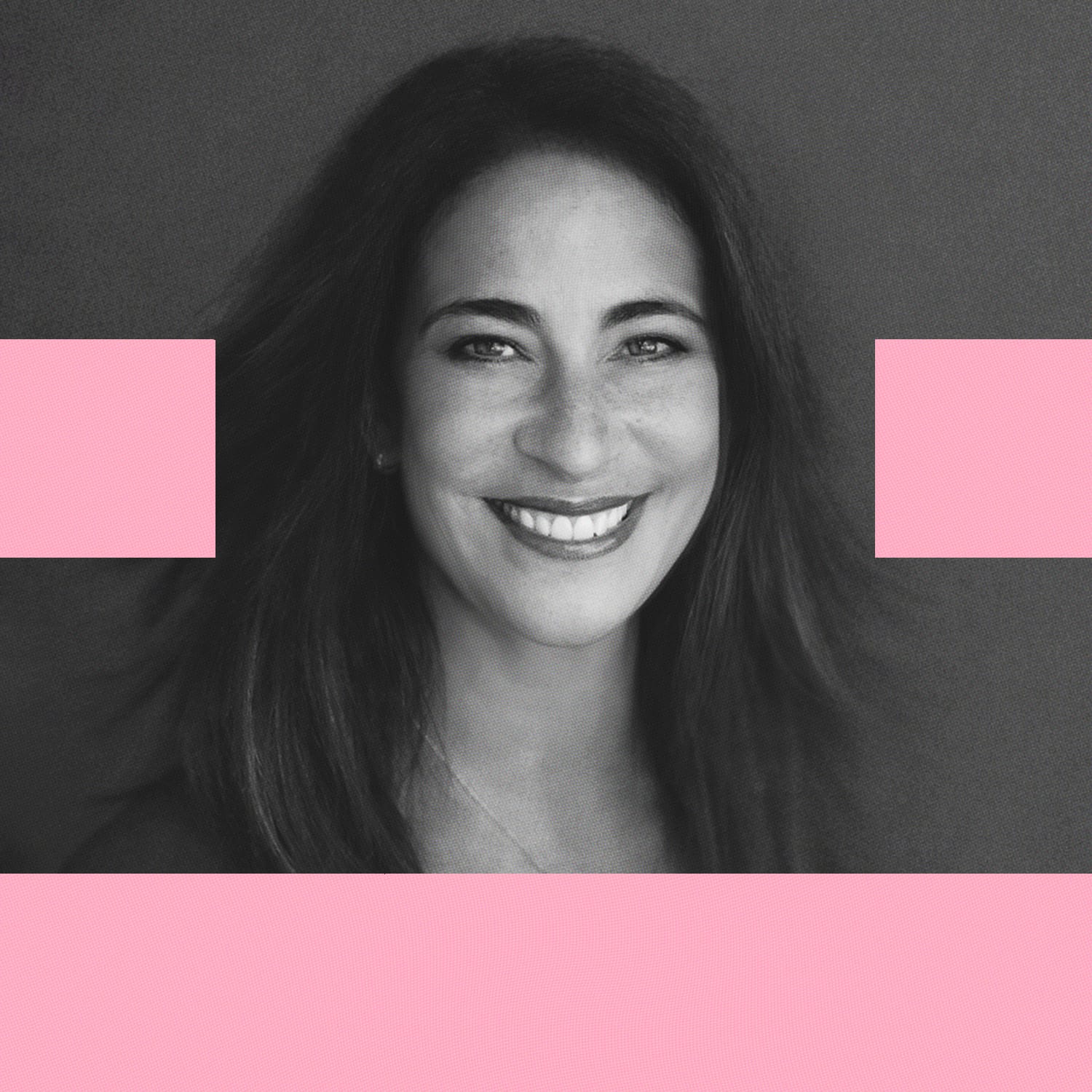
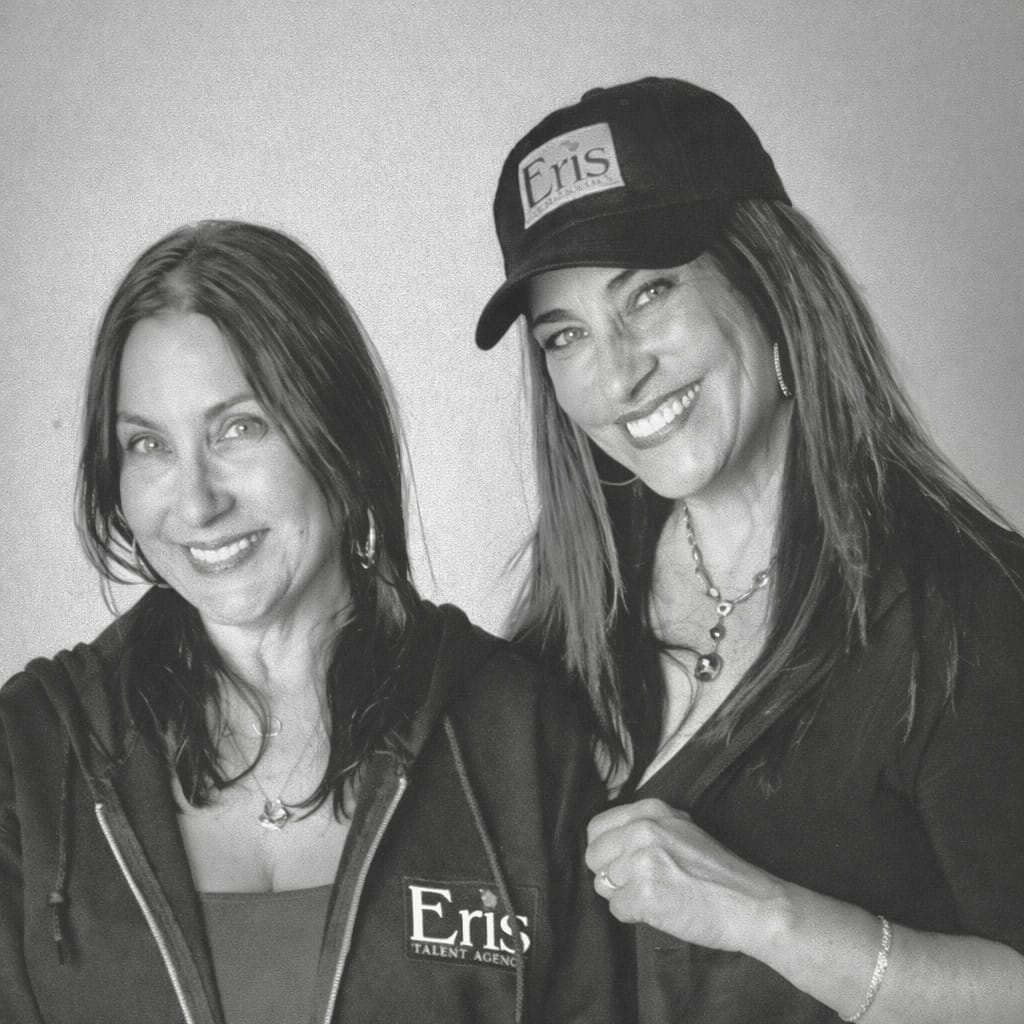
Tina Randolph Contogenis, founder of Eris Talent Agency, the first Hollywood agency to open a division specifically dedicated to vertical-drama actors.

⁙
Opening
▜ ▜
Talent agencies sit between production demand and actor availability. Their role is not simply to broker work, but to translate shifting production systems into viable career paths for actors. When a production model changes, the agent’s job changes with it.
Under the highly compressed speed of vertical drama, this intermediary function becomes more visible and more consequential. The format did not “emerge” because it was new, but because it began producing sustained volume at industrial scale.
Tina didn’t move Eris into vertical drama to chase a trend. She did so because work was already being made. As production volume slowed across traditional film and television, vertical accelerated, bringing new timelines, new economics, and new risks for representation.
In this conversation, Tina reflects on how the agent’s role has been rewritten since COVID and the strikes, and what it now takes to manage talent inside a system built for constant motion.
⁙
Q&A
R:ID:
When you look at your career today, what part of your identity as an agent has changed the most over the past five years, and what has remained surprisingly consistent?
Tina:
Since COVID and the strikes, the industry has undergone a structural shift. Seasons are shorter, pilot season has largely disappeared, and overall production volume is down. As agents, we’ve had to adapt how we operate and find new ways to create employment for our clients.
▙ ▙
What hasn’t changed is simple.
Actors want to work. They want to play roles and bring characters to life.
R:ID:
At what point did vertical and micro-drama stop feeling like a trend and begin to register as a structural shift?
Tina:
Almost from the beginning.
We’ve been involved in this space for more than three years, back when people still called them “mobisodes.” Early on, the content quality was inconsistent and the category wasn’t taken seriously. But we saw certain actors booking constantly—and sometimes earning higher day rates than our SAG clients. Inside our own agency, that led to real debates, but we could also see what wasn’t public yet: major players and new U.S. apps moving in.
A year ago, I asked a group of fellow agents who even knew what “vertical” meant—no one did.
A year later, the awareness is clearly shifting.
For us, the broader perception turned around last summer (around August), as more trade coverage appeared and larger companies started openly signaling involvement. Even SAG exploring a framework helped legitimize the category; and we’ve heard talk of a potential Emmy-related category in 2026—nothing confirmed, but the direction of travel is obvious.
▙ ▙
...Vertical is no longer an emerging category. It has already emerged. What we’re seeing now is how it settles
...
R:ID:
You’ve spoken often about representation and access. Does vertical drama expand opportunity, or does it simply redistribute it in a new form?
Tina:
▙ ▙
I see it as a distinct form of entertainment. That’s what matters. The closest comparison is soap operas: fast-moving melodrama built for a specific audience.
The viewership is in the billions.
At that scale, audience behavior is real, and so is the market. Vertical is no longer an emerging category. It has already emerged. What we’re seeing now is how it settles.
R:ID:
Eris was early in formally building a vertical/micro-drama division. What problem were you solving internally when you made that decision?
Tina:
Internally, we did not want to water down our agency. We have worked so hard to establish a strong theatrical division. However, with the strikes and production moving out of state, we were facing the most difficult period in our company's history: lack of work for our talent. Our developing talent began asking for us to submit to these verticals. But unfortunately these had a really bad reputation at this time. We did not want to push anything we didn't believe in. So we reached a compromise: our talent can do implied intimacy, but we do not agree to simulated scenes. That boundary helped our team feel we were supporting the elevation of the space, not the lowest common denominator. We also became very selective. We encourage talent to read scripts, and we’ll pass on material that feels exploitative or simply “gross,” because there are plenty of good scripts now. Operationally, we also developed a tighter script-screening process—using tools to quickly flag intimacy, violence, and other sensitive elements—so we can match projects to each actor’s boundaries.

R:ID:
What qualities make an actor successful in vertical drama—especially qualities traditional casting metrics often overlook?
Tina:
▙ ▙
At the entry level, physical appeal matters. It’s part of the format. But that only gets you in the door. What sustains a career is acting ability.
These are full-length projects compressed into a high-speed schedule—sometimes 15 pages a day, essentially a feature in a week. That pace rewards discipline, stamina, and craft. The actors who last are not just a pretty face—they can actually act.
R:ID:
Do you see vertical drama as a stepping stone into traditional film/TV, or as a parallel career track that can stand on its own?
Tina:
We have this conversation with our actors every day. One thing that differentiates Eris is that when we sign someone for the vertical division, we also allow access to our theatrical division—which is not typical and took internal discussion. Some vertical talent may not have traditional TV credits yet, but they’re proving themselves through volume and performance reps.
▙ ▙
We’ve seen vertical actors cross into studio features and TV opportunities. It’s on us—agents, casting, and the ecosystem—to legitimize the space and champion talent across both worlds.
R:ID:
Vertical platforms move faster than legacy systems. How has that speed shifted the balance of power between talent, platforms, and agencies?
Tina:
It’s a completely different ballgame. Speed demands real-time coordination and transparency. We work hard to keep relationships strong on all sides—platforms, production, and talent—so everyone stays aligned. Practically, we run availability and interest like a live booking system: each actor has a shared sheet tracking interest, auditions, chemistry reads, dates, and holds. If five platforms are circling the same actor, we need to move fast—but fairly. We don’t use one platform to drive up another’s rate. We publish rates so everyone knows the number upfront. If the actor likes the script and the production meets the rate, they get first position.
R:ID:
In a format that rewards constant visibility and rapid turnaround, how do you protect talent from burnout?
Tina:
Most actors in this space learn to regulate themselves, but burnout happens—especially with back-to-back overseas shoots, minimal turnaround, and long hours.
We monitor schedules closely. If someone is stacking projects with no recovery time, we stop and have a direct conversation before approving another booking. We’re very close with our clients—often in constant text threads—and sometimes we’re the ones saying: you need a break, even if you don’t want to admit it yet.
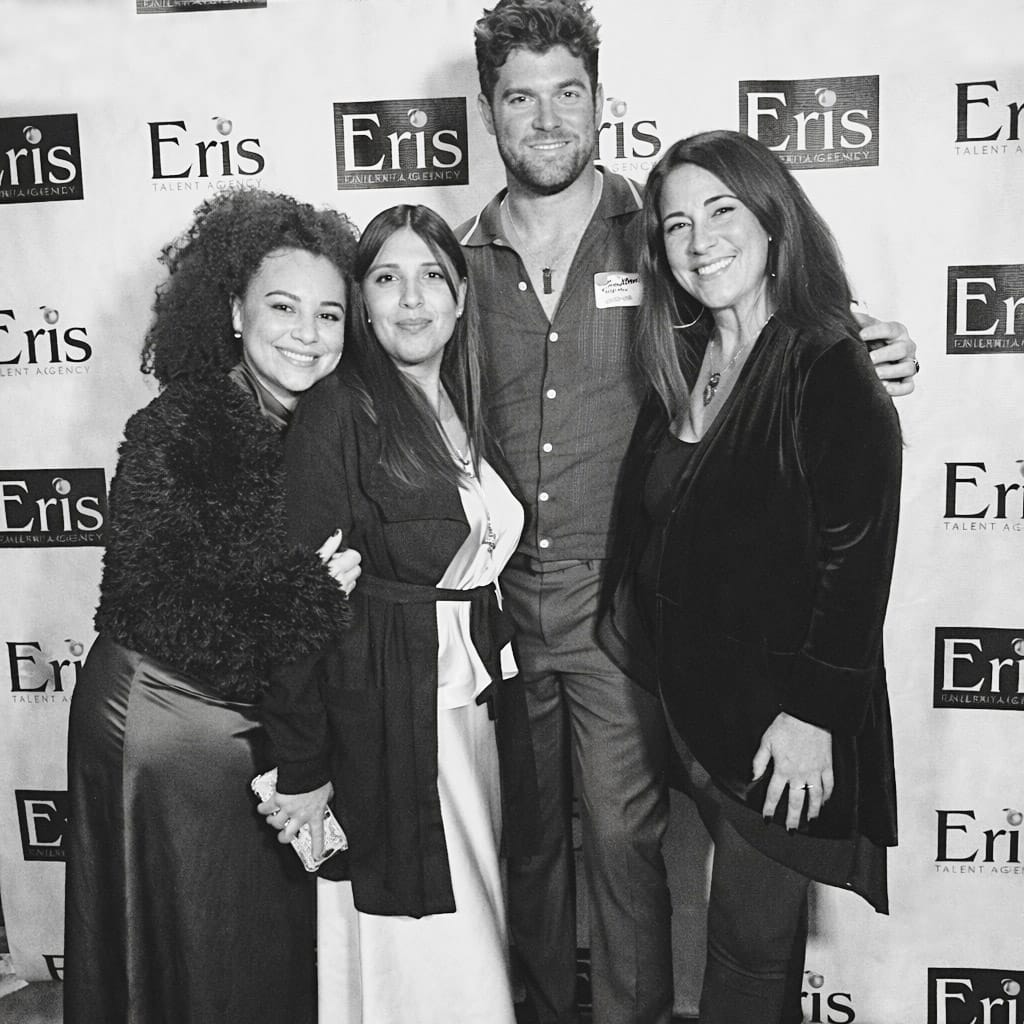
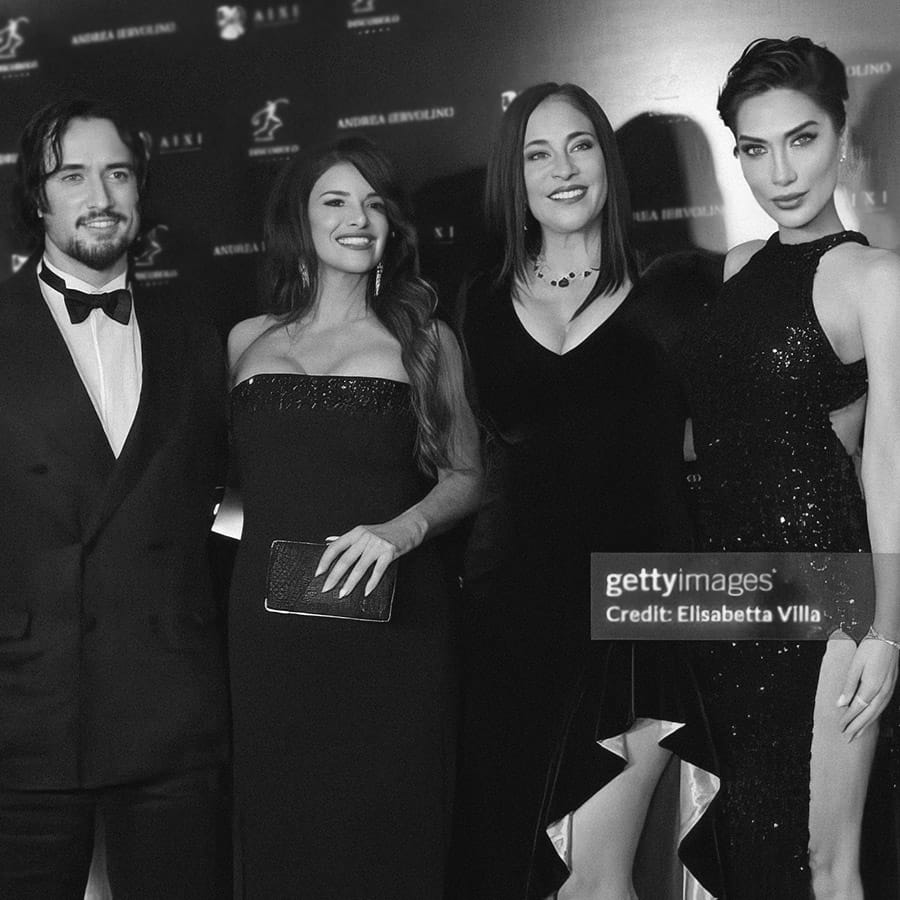
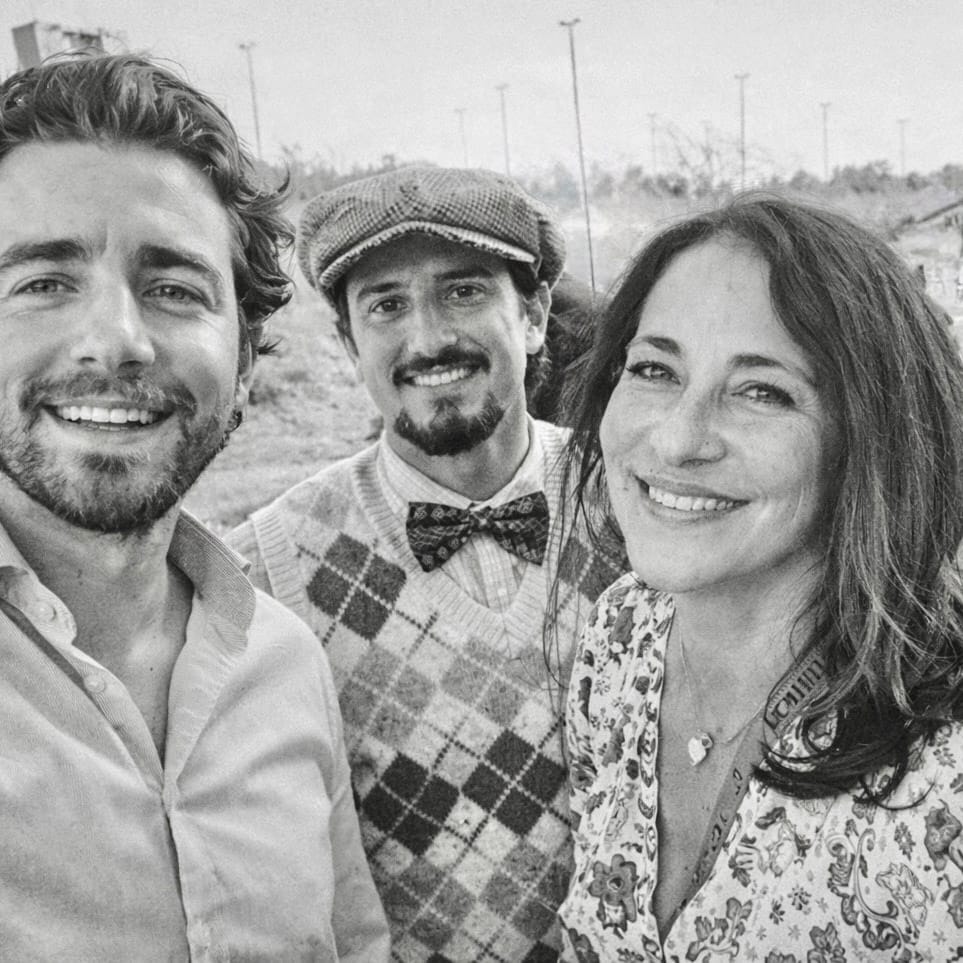
Photos shared by the interviewee. All rights reserved.
R:ID:
If unions were to fully enter the vertical drama space, would today’s production speed and economic model still be viable—or would the system need to be rebuilt?
Tina:
▙ ▙
If unions fully enter, the model would slow down and costs would rise. A lot of casting directors have been in conversation with the union, but meaningful operational adjustments haven’t fully landed yet.
There are also practical constraints: manpower, restrictions, and the question of why companies would absorb those costs without clear benefit. Meanwhile, a lot of the biggest names in this category are non-union and thriving, so the incentive to shift is limited until the framework fits the realities of the work.
R:ID:
Many vertical stars are non-union. Why aren’t they rushing to join—and what would change that?
Tina:
Honestly, most of our successful vertical talent either have no plans to join the union or would lose access to the work if they did.
They’re working regularly, building fanbases, landing brand deals, and gaining millions of followers. The biggest thing is: they’re not working at Starbucks or driving Uber—they’re making a living as actors.
▙ ▙
We found some vertical actors earning in the annual range of traditional series regulars, as they are able to work all year. In that context the why join becomes a very real question.
R:ID:
Looking ahead, what do you think the industry is most fundamentally misunderstanding about the vertical drama era we’re in right now?
Tina:
Many traditional executives still categorize this as social media or TikTok-style content.
That’s a mistake.
This is a structured production with a huge audiences, real crews, and real economics.
R:ID:
Do you think Hollywood A-list actors will enter the vertical space in the coming years?
Tina:
They already are. There are A-listers filming vertical projects now, and more are circling. It’s not five years away—it’s happening.
As scripts diversify beyond the most obvious tropes, more established talent will participate. If you’re smart, you jump into a new storytelling system early.
R:ID:
Vertical drama sits between traditional production and creator-led digital. How do you classify it inside an agency structure?
Tina:
▙ ▙
It’s a hybrid—digital, TV, and film at the same time. Before a dedicated vertical framework existed, SAG was trying to place this under a “digital social media” contract, but that contract assumes creators are making their own content.
That’s not what this is. These are actors performing in produced narratives. So we approach vertical as its own division with its own pacing, operations, and distribution realities.
R:ID:
What advice would you give to actors looking around the vertical industry right now?
Tina:
▙ ▙
One of the biggest mistakes I see is talent going in without representation because they don’t want to “deal with” an agent.
But even for one actor, the logistics are intense—rates, availability, billing, scheduling, paperwork, negotiation. If you want to act at volume, you need someone organizing the business so you can focus on performance.
R:ID:
How do you think about raising quality without losing what sells in this format?
Tina:
I love seeing actors band together to create their own material. You still have to respect what sells in this space, but you can stretch the form—gradually—toward stronger storytelling.
It’s a balance. Good writers often want to bring “prestige” instincts into this space, which is understandable — but that approach doesn’t always translate cleanly. It’s like trying to turn a romance novel into a Jane Austen novel overnight, or turning a phenomenal street-taco place into a five-star restaurant.
You don’t have to. Keep what works, and evolve the craft step by step.
R:ID:
You’re getting inquiries about U.S. actors going to China to shoot. What’s your view?
Tina:
I have actors who would love to go to China—and some are already there. My main concern is incentives and conditions. Rates in China are often lower than what established U.S.-based vertical talent are already earning, so the business case can be hard. Work hours also need better regulation. My advice is simple: if you want bigger names, you have to meet their U.S. rate (or close the gap).
Otherwise, you’ll realistically attract the rising talent who want the experience and exposure, not the top earners already booked back-to-back.
R:ID:
Is Eris open to submissions in the vertical space—and what kinds of talent are you actively seeking?
Tina:
Yes—we look at every submission.
We’re always open to new talent in this space. For men, we’re often looking for 20–35 (or even up to 40) who can play younger, with a real “romantic lead” look, and we can help train and build. For women, we love a strong “girl-next-door” type. The key is professionalism: reliability, speed-readiness, and real acting chops.
⁙
R:ID Epilogue
For Tina, vertical drama is not a trend to debate but a system to manage. The format rewards speed while exposing gaps in protection, transparency, and sustainable rates.
If the audience is real and the work is real,
the industry will eventually have to build infrastructure that aligns with those conditions.
About Tina Randolph Contogenis
Tina Randolph Contogenis has been in the entertainment industry for over four decades. She graduated from SDSU with an emphasis in telecommunications and film. She immediately went on to work for a well-known company in the world of television production. Later, Tina changed her focus to film producing and music management and then ultimately landed as a talent manager. After launching the careers of several young stars, Tina switched to agenting. In 2017, Tina founded Eris Talent Agency which now represents over 1200 clients with offices around the globe. Tina envisioned an agency that focused on diversity, inclusion, and innovation. Now with two partners and a TEAM of 20 and offices around the globe, Eris Talent and Literary Agency is making their mark.
Tina is also a voting member of the Television Academy.
✱
R:ID #04
╳ Tina Randolph Contogenis
R:ID™ is Real Reel’s interview column
on creative identity in the algorithm age,
studying not the work,
but the makers and the identities
shaped through their practice. ☻
MORE R:ID ⇲
 Real Reel
 Real Reel
 Real Reel