Vertical Drama Review: 30 Days To Love


⚈ ⚈
30 Days To Love
stands out as a refreshing and confident example of how the genre can evolve without relying on shock-driven shortcuts.
-
This review is written by
Aline
from I Love Verticals.

As a long-time admirer of comedy and romantic comedies in the Vertical space, 30 Days To Love stands out as a refreshing and confident example of how the genre can evolve without relying on shock-driven shortcuts.
This series deliberately avoids many of the most overused—and increasingly criticized—tropes in Verticals: there are no slaps, no abusive family members, no gratuitous bullying, no exaggerated “villain” archetypes, no sexual violence, and no conflict manufactured purely for outrage.
What makes this particularly noteworthy is that the story not only survives without these elements—it thrives because of their absence.
The drama in 30 Days To Love is grounded in character psychology rather than spectacle. Conflict emerges organically from flawed communication, emotional imbalance, and mismatched intentions, allowing the narrative to feel both relatable and layered. Rather than deploying violence or humiliation for momentary impact, the series invests in character development as its primary storytelling engine.

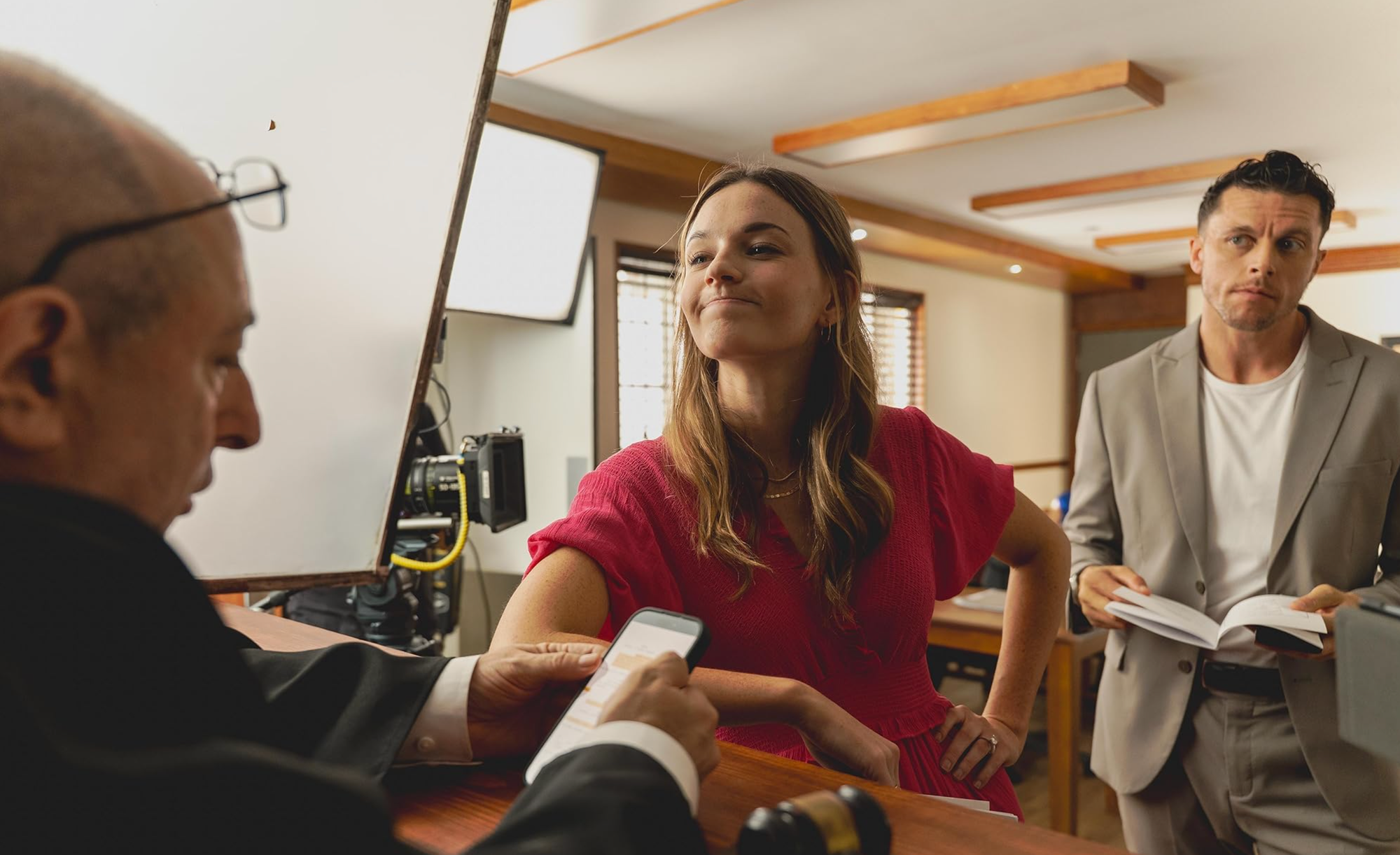
Ryan begins the story as a deeply controlling partner—though not intentionally malicious. His behavior stems from a misguided belief that love means management and optimization rather than trust. This subtle distinction is important: Ryan does not see himself as oppressive, which makes Sofia’s decision to file for divorce both justified and dramatically compelling. The premise of the series—30 days to reconsider that decision—becomes a narrative countdown not to reconciliation, but to personal growth.
What 30 Days To Love does particularly well is reframe the romantic arc.
This is not a story about two people falling in love for the first time; it is about two people learning how to love each other properly.
Ryan must unlearn control and rediscover partnership, while Sofia must reclaim agency without abandoning emotional vulnerability. The tension comes from whether change is truly possible, not from external threats or artificial obstacles.
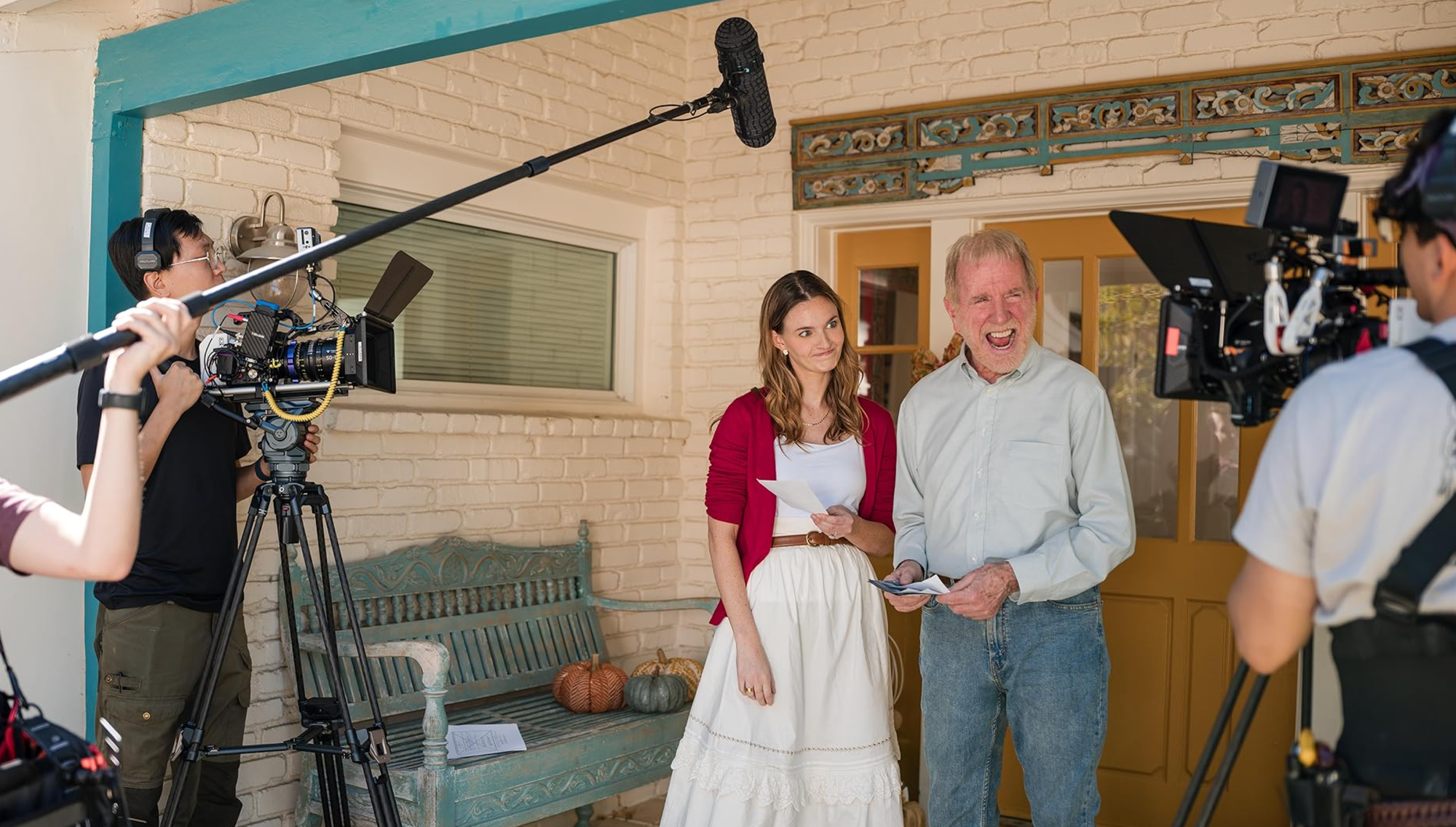
The supporting cast further reinforces this thematic focus.
Sofia’s parents function as a narrative mirror—an older version of the central couple with reversed dynamics—highlighting how unresolved patterns can persist across generations. The grandmother character adds a layer of humor and cultural texture, bringing a controlled dose of Vertical-style chaos without undermining the emotional integrity of the story.
From a production standpoint, 30 Days To Love demonstrates how a well-cast ensemble paired with a focused script can elevate the genre.

...
it offers a blueprint for sustainable storytelling: emotionally intelligent writing, tonal balance, and character-driven conflict.
Aline
The series proves that Verticals do not need sensationalism to retain viewer engagement. Instead, it offers a blueprint for sustainable storytelling: emotionally intelligent writing, tonal balance, and character-driven conflict.
In an ecosystem often crowded with recycled plots and escalating shock value, 30 Days To Love distinguishes itself as a confident, modern rom-com that understands both its audience and its medium.
Directed by
Qianqian Zhao
Written by
Christian McLaughlin
Cast:
Grace Swanson / Jackson Tiller / John Henry Richardson / Thresa Richardson / Adam Chisnall / Jennifer Gionfriddo / Becky Brown / Evan Camacho / David Moskovitz
Produced by
Production House 8
on TasteLife
✱