Vertical Drama Review: Golden Feather: Temptation Game (2025)

⚈ ⚈
Same series, different platform, different experience.
-
Review by Aline
from I Love Verticals
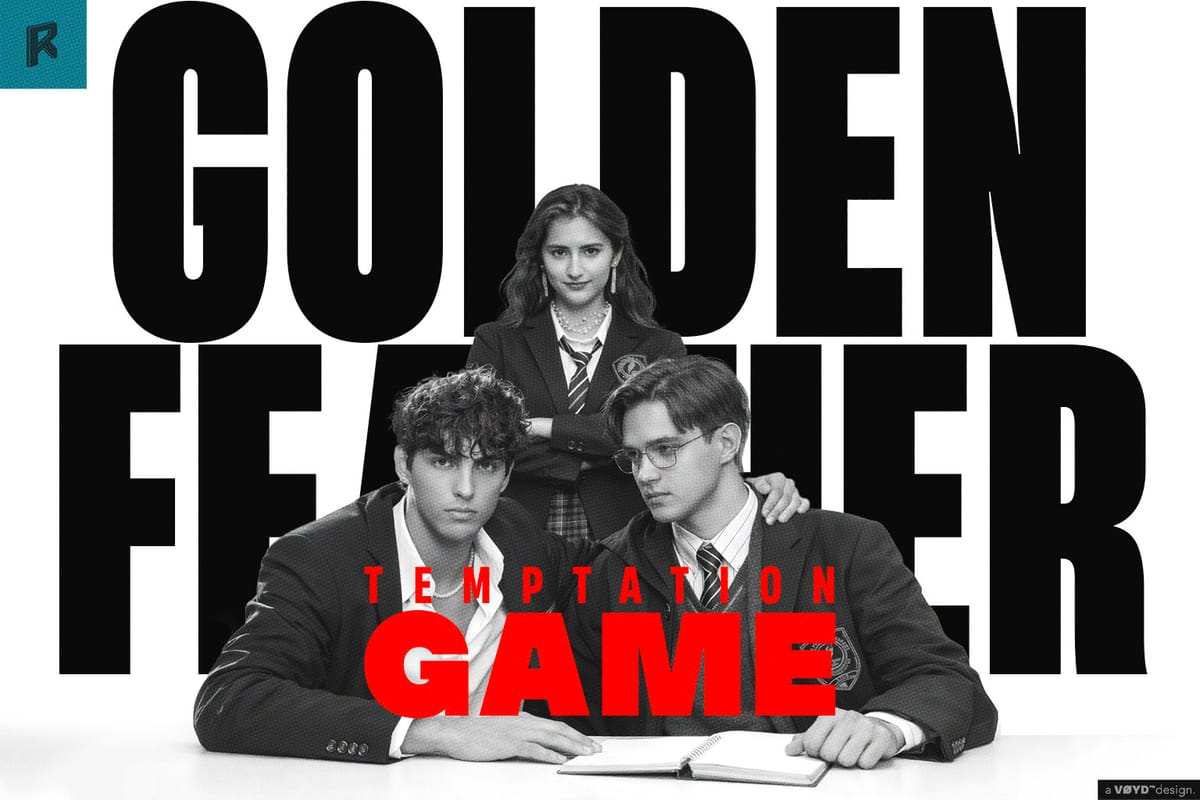
Golden Feather: Temptation Game arrives with a premise that immediately signals strong commercial potential within the vertical drama ecosystem.
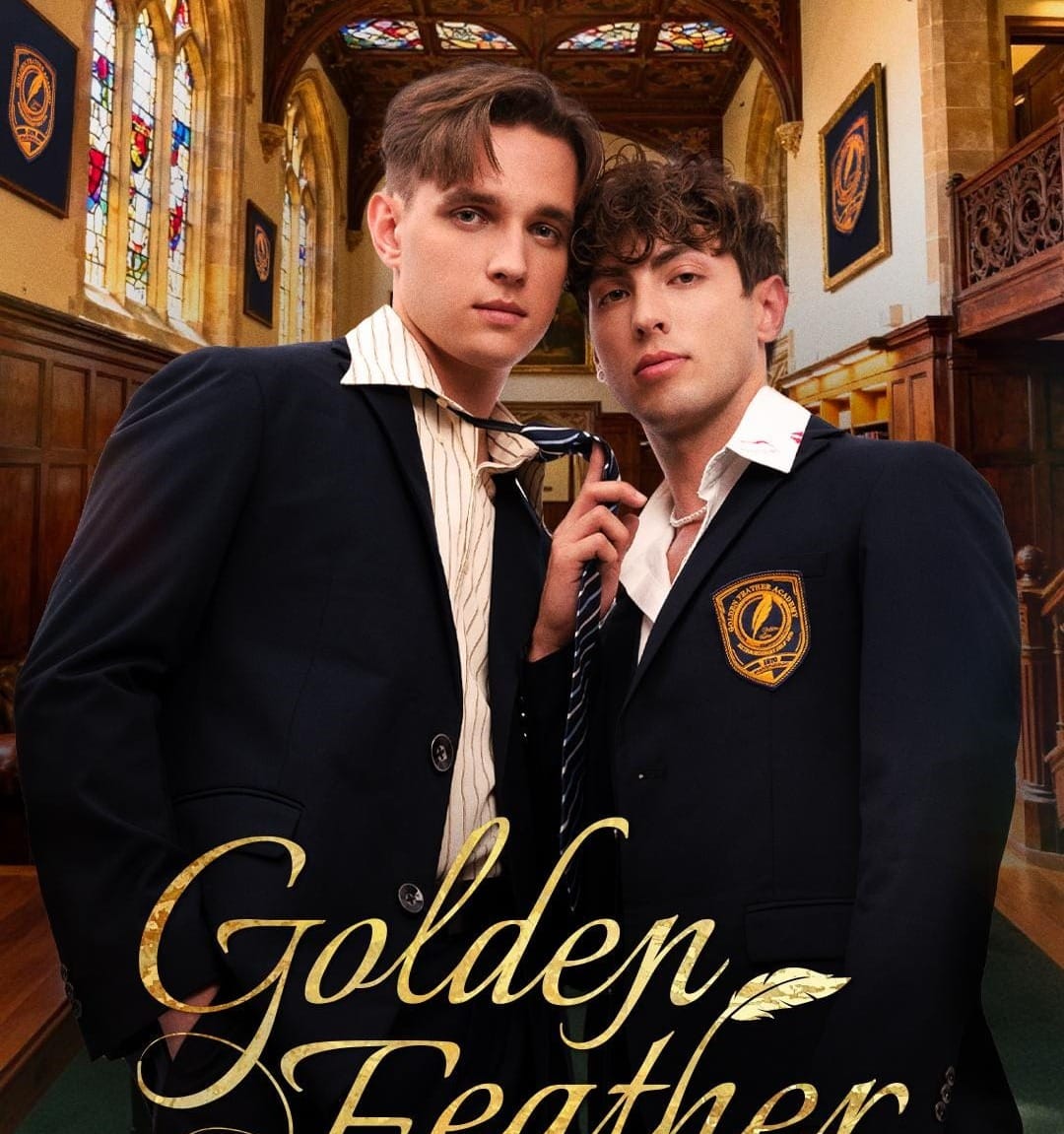
Clearly inspired by the structural DNA of Cruel Intentions (1999), the series reframes the familiar manipulation-driven seduction narrative with a modern twist: instead of targeting a woman, the protagonist is tasked with seducing a male target.
In a marketplace often saturated with recycled billionaire-romance templates, this setup alone positions the project as a refreshing conceptual entry point.
From a development standpoint, the foundation is solid. The core themes — power games, calculated seduction, social hierarchy, and emotional manipulation — are already proven to function well in serialized short-form storytelling. Structurally, this type of narrative naturally lends itself to cliffhangers, escalating stakes, and character-driven reversals, all of which align with vertical consumption habits.
▙ ▙
In a marketplace often saturated with recycled billionaire-romance templates, this setup alone positions the project as a refreshing conceptual entry point.
Aline
▙ ▙
Visually, the production delivers.
Set design is polished, wardrobe choices effectively reinforce character archetypes, and the overall aesthetic presentation meets — and at times exceeds — current platform standards.
▙ ▙
The casting is equally promising.
Quinn Holmes and Brandise Scheuer, both familiar presences within the vertical space, bring reliability and screen awareness to their roles. Scheuer performs convincingly as the calculating mastermind, maintaining strong control over tone and intention throughout. Holmes, meanwhile, arguably delivers one of his more focused performances to date, demonstrating improved emotional precision and presence in key dramatic beats.

▙ ▙
Newcomer Anton Solovev rounds out the central trio with a physically expressive performance that suggests strong potential.
Aline
While the visual production, casting, and performances are strong, the viewing experience was heavily impacted by technical issues — particularly in the version distributed on NetShort. During my initial watch on that platform, the sound design felt deeply inconsistent. One notable example occurs in Episode 16, where characters walk in complete silence for roughly fifteen seconds, with neither ambient sound nor background score. A similar issue happens at the end of the same episode during a confrontation scene involving a thrown drink, where the moment again plays without audio.
However, after revisiting the series on ReelShort, it became clear that these problems were not inherent to the production itself. The ReelShort version restores background music in multiple sequences and presents noticeably improved audio blending overall. While the dubbing of Anton’s character still feels slightly detached from the on-screen performance, the integration is significantly smoother and far less distracting than in the NetShort release.
This strongly suggests that portions of the background score and audio layering were either improperly exported, compressed, or removed in the NetShort distribution pipeline. The result is that viewers depending on the platform can experience what feels like an entirely different level of technical quality for the same series.

▙ ▙
...viewers depending on the platform can experience what feels like an entirely different level of technical quality for the same series...
Aline
From an audience perspective, this raises a broader concern for the vertical ecosystem. Subscribers paying for premium access should reasonably expect consistent technical quality regardless of the platform through which they watch a title. When the same production is delivered in noticeably weaker form on one service compared to another, it not only undermines the viewing experience but can also unfairly damage audience perception of the cast, creative team, and overall production value.
Platform-side delivery quality is therefore not a minor technicality — it directly shapes how the work itself is judged.
Importantly, none of these issues originate from writing, casting, or visual direction. On paper and on set, Golden Feather demonstrates the components of a highly viable vertical drama: a marketable premise, visually strong production values, and capable performers.
Within the current vertical production landscape — where compressed timelines and tight budgets are standard — this case serves as a reminder that post-production is not merely a technical afterthought but a core storytelling layer. Strong examples already exist across the ecosystem, with platforms such as DramaPops consistently demonstrating that high-quality editing, color grading, and especially sound mixing are fully achievable within the vertical format when properly prioritized. Their productions underline how technical polish can significantly elevate audience immersion and narrative credibility.
▙ ▙
Golden Feather demonstrates the components of a highly viable vertical drama.
Aline
Ultimately, Golden Feather: Temptation Game stands as a project with clear creative ambition and strong foundational elements. The premise is compelling, the visual execution polished, and the performances — particularly from Quinn Holmes and Brandise Scheuer — demonstrate genuine commitment to the material.
Rather than a failure of storytelling or acting, the series illustrates how distribution and post-production handling can dramatically alter audience reception. In its stronger platform version, the narrative tension and character work are far easier to appreciate, reinforcing that the production itself holds real merit.
Within today’s fast-turnaround vertical industry, this serves as an important reminder: technical delivery is not a secondary step, but an essential part of storytelling integrity. When properly supported at the platform level, projects like Golden Feather clearly have the ingredients needed to resonate far more strongly with viewers.
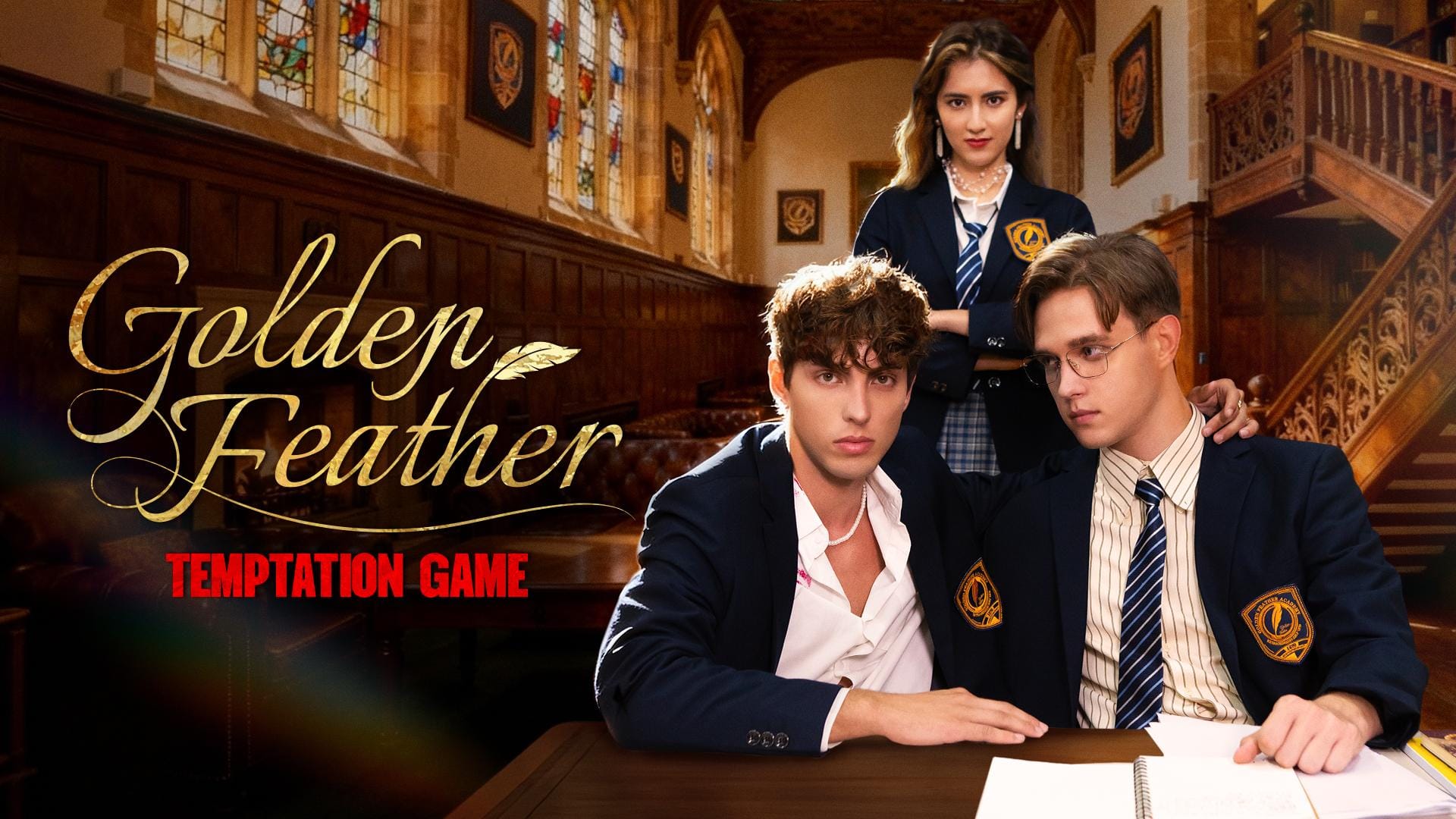
Available on NetShort & ReelShort
Directed by Xin Ma
Cast: Quinn Holmes, Anton Solovev, Brandise Scheuer, Ariana Hardie, Irika Moon
Writen by Huating Song
Produced by Content Republic
Images used in this article are sourced from the public internet and are presented for editorial context only. All rights remain with their respective owners.
✱