Interview · R:ID ╳ Sasha Tkachenko ❘ Vertical Storytelling Isn’t an Escape. It’s Discipline and Delivery.

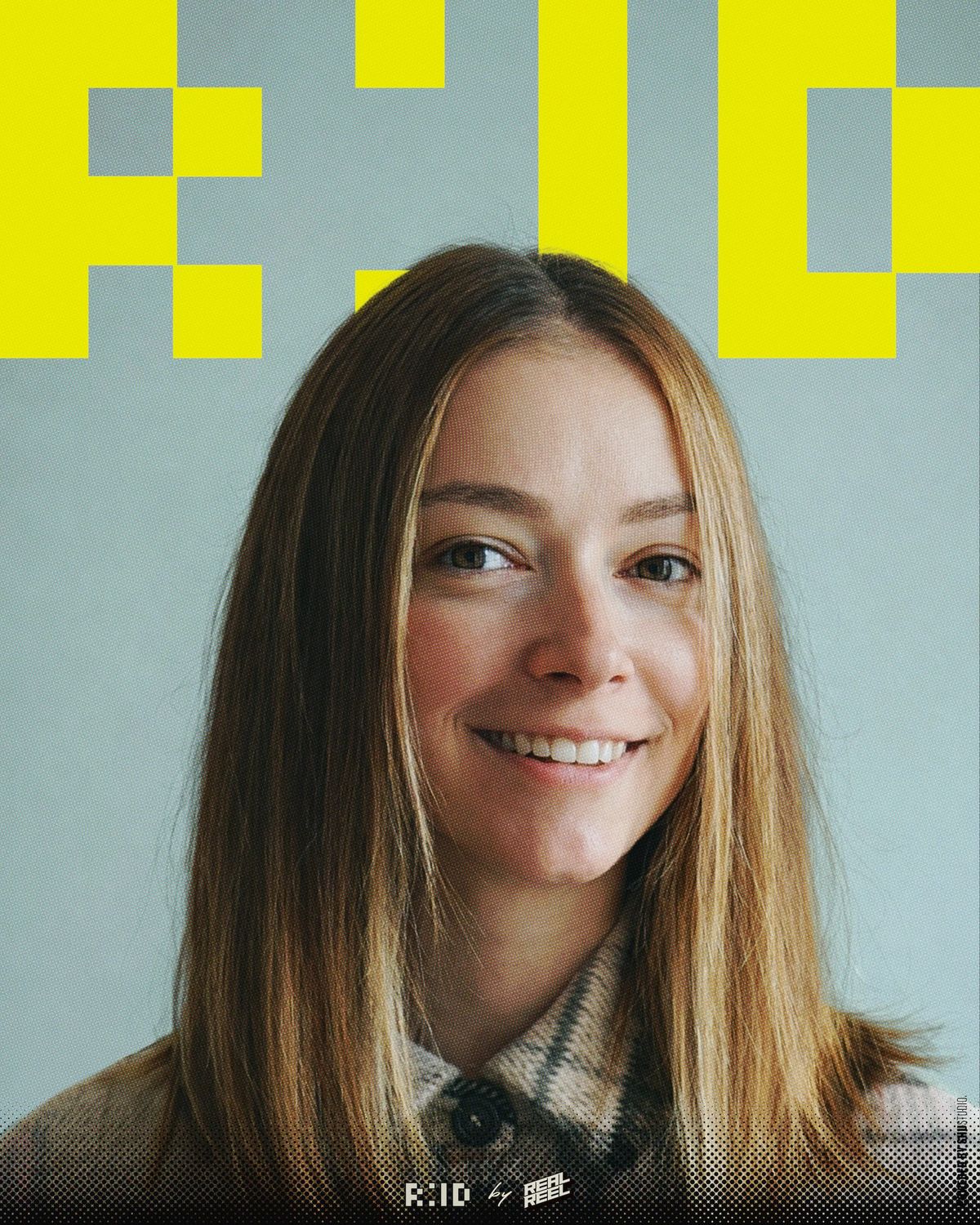
This is an original R:ID editorial interview. Reproduction or redistribution without prior written permission is prohibited, except for brief quotations with attribution.
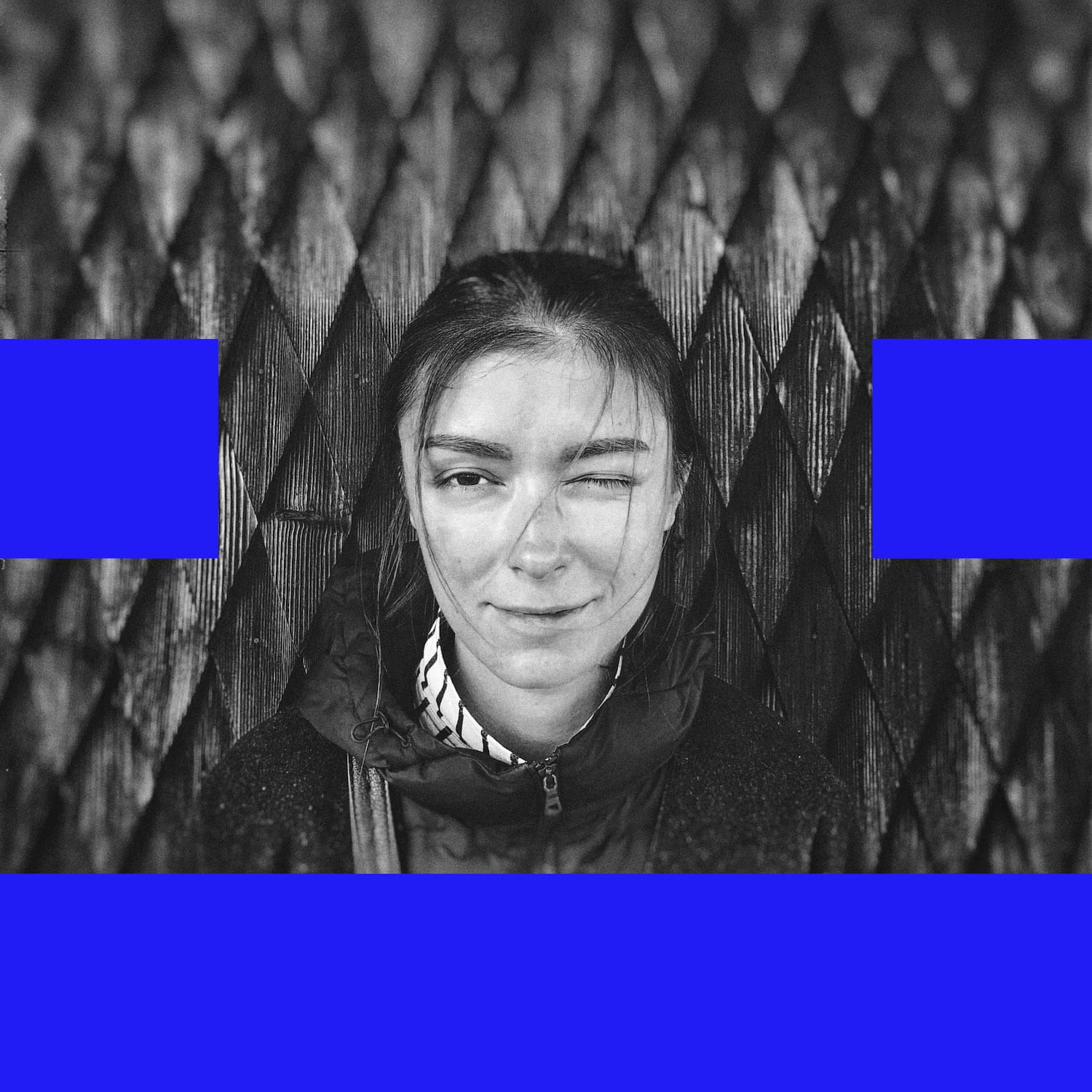
From Television
to Vertical,
Not an Escape.
My Drama Studio Head
Sasha Tkachenko
on Narrative Compression, Creative Control,
and Sustained Delivery.

⁙
Opening
▜ ▜
At a moment when vertical drama is increasingly reduced to an “algorithmic product,” the forces that truly shape its form are often not algorithms themselves, but the people operating at the intersection of production and platform.
Sasha is one of them.
At My Drama, where she serves as Studio Head, Sasha works inside a platform operating in close strategic association with Fox Entertainment, including studio level participation in shaping its large scale vertical production strategy over the next two years. In an ecosystem where most vertical series cycle quickly and burn fast, My Drama has also seen select titles sustain audience attention beyond their expected lifespan. That tension between speed and staying power is the terrain Sasha is managing.
In this exclusive interview, she does not attempt to defend vertical drama, nor frame it as an inevitable future. She focuses instead on the questions that determine whether the work holds.
When stories are compressed, pacing accelerates, and emotion is front loaded,
where does control actually live
and how is quality sustained under pressure
⁙
Q&A
R:ID:
What was your background? Why did you decide to move into vertical storytelling?
Sasha:
I come from traditional television and film. Before moving fully into series production, I worked for several years with the Molodist Kyiv Inernational Film Festival, which is an independent festival and also the largest television festival in Ukraine.
As for why I transitioned into vertical drama, I would say that, from my perspective, the industry is currently transforming. Today, everything comes down to how you distribute content and how you attract your audience.
I believe vertical drama is one of the most effective formats for reaching audiences and delivering what viewers truly want. That’s why it has become so popular. It introduces new concepts, but it also revives storytelling ideas that had been forgotten for a long time and that audiences are still eager to watch.
For me, vertical drama represents evolution. Television is a great space. It offers both courage and comfort. But if you stop learning new things, you stop evolving. Vertical drama allows me to keep learning and, at least internally, to stay young.
R:ID:
When people outside the industry ask what you do as Head of Studio, how do you usually explain your role?
Sasha:
In many ways, not much has changed for me, because, at heart, I am still a producer. A producer is someone who makes things happen.
Writers and producers are often all too familiar with the fear of a blank page. It’s probably one of the most frightening moments in the creative process. My work begins with that fear and continues through the process of transforming an idea into something that can actually be uploaded to a platform.
My days are usually spent fighting that fear, first alone, then together with my teams and our production partners, and constantly pushing projects forward. There is a lot of writing involved, but even more rewriting and re-editing.
Many newcomers, both in vertical drama and in traditional television, think that writing a script is the hardest part. Writing is challenging, but the real difficulty begins when rewriting starts. That’s often the moment when people decide they never want to do it again. The ones who stay are the ones who keep delivering.
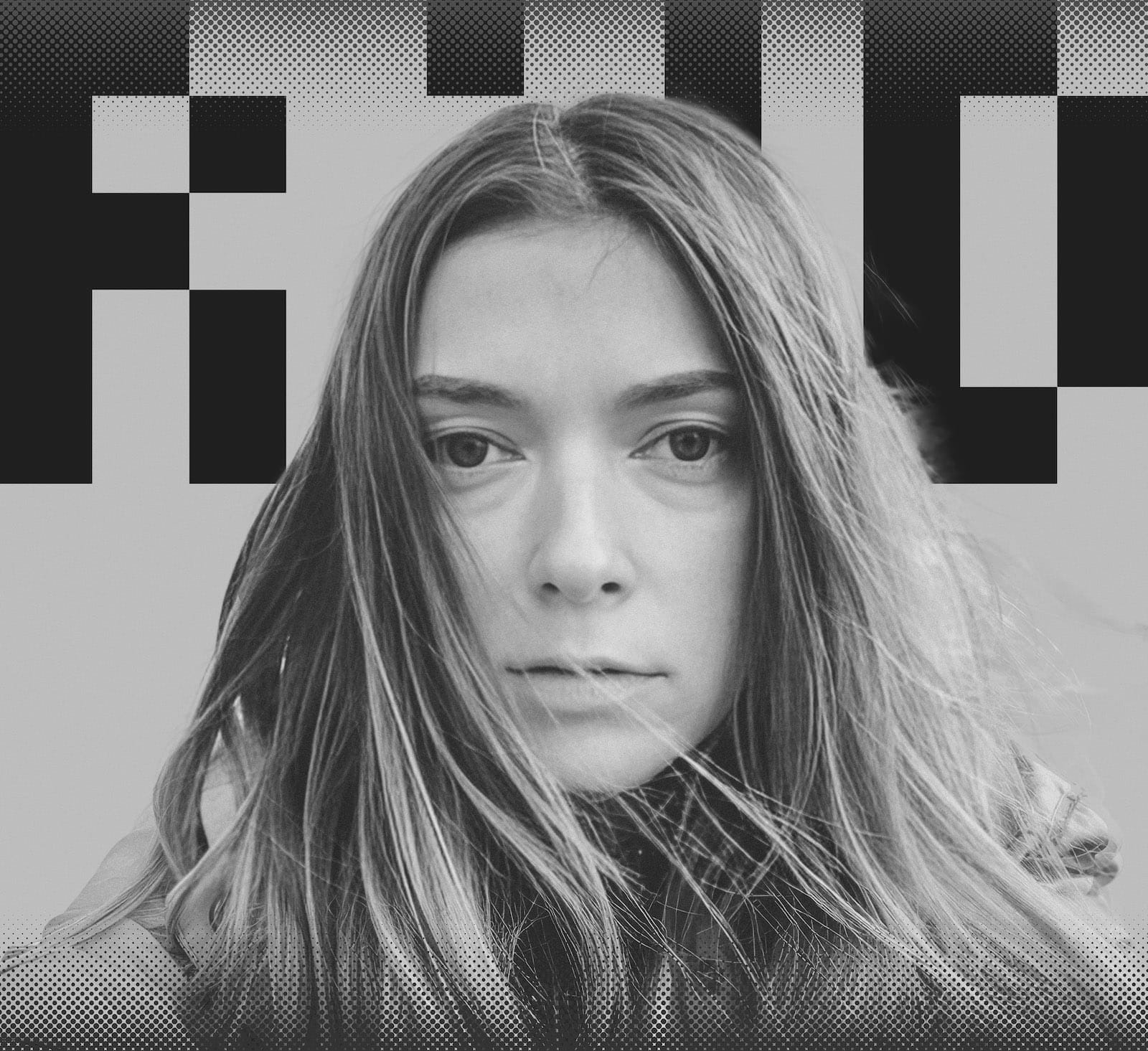
▜ ▜
I firmly believe that most of a project’s final quality is determined during pre-production.
Sasha Tkachenko
R:ID:
How do you divide your time between development, production oversight, collaboration with production companies, and the tech or data side of the platform?
Sasha:
It took me some time to fully onboard into the tech side of the business, including optimization processes and becoming more curious about AI. Even now, I sometimes struggle, but I’m fortunate to have strong peers who help and support me.
When it comes to how I divide my time between development, pre-production, production, and post-production, my approach is strongly shaped by my television background.
I firmly believe that most of a project’s final quality is determined during pre-production.
If pre-production fails, production is likely to fail as well. People often say that post-production will fix everything, but unfortunately, post-production cannot fix fundamental problems. That’s why we sometimes invest more time in writing and pre-production. It’s the only way to deliver consistent quality.
R:ID:
What is the typical development timeline for a vertical drama project?
Sasha:
It depends on whether we are working with a new production partner or with a team that already has experience in vertical drama.
For new production companies, it usually takes at least three months to get a title published. For more experienced teams, the process can sometimes be shortened to around nine weeks.
When it comes to script development, we unfortunately do not have the luxury of spending three months. Typically, script development lasts around four to six weeks.
R:ID:
How does vertical drama differ from traditional horizontal storytelling in terms of structure and character building?
Sasha:
I believe the biggest difference is audience motivation.
In traditional horizontal content, viewers watch because they want to know what is going to happen next. In vertical storytelling, audiences often already know what will happen, what they want to understand is why it happens and how it unfolds.
We always keep this in mind when structuring our stories. Vertical content is also primarily consumed in private. People do not usually watch it together with their partners or friends. As a result, audience attention spans are even shorter.
We need to deliver quick emotional payoff, quick dopamine. That means more twists, stronger dialogue, and higher intensity across the board. Otherwise, viewers lose interest very quickly and move on to something else, often social media.
R:ID:
From an IP perspective, do you see vertical drama as a fast-cycle format, or do you believe it can support long-term IP with multiple seasons?
Sasha:
Like any other genre, vertical drama cannot rely solely on producing hits. Of course, we aim for hits, but the reality is that some projects perform at an average level, some become hits, and some turn into major successes.
When it comes to reshooting or revisiting material, we do not produce identical scripts. However, we do revisit concepts and titles that show potential, making changes and improvements while remaining inspired by earlier works.
At My Drama, diversification is important. When we see that a title performs well, or when we understand how it can be improved, we may revisit it and adjust elements that did not fully land the first time, allowing the project to spark again.
In fact, we already have titles moving into second seasons, with one scheduled to publish very soon, which reinforces our belief that long-term IP is possible in vertical drama, when the foundations are strong.
R:ID:
For creators coming from a traditional TV background, what experience should they keep, and what mindset should they change when entering vertical drama?
Sasha:
When it comes to casting, locations, and wardrobe, creators should keep their professional experience, but they must always consider whether these elements truly serve the script and help open it up as much as possible.
At the same time, openness is critical. Experience is valuable, but only if paired with a willingness to learn new approaches.
When someone with ten or twenty years of television experience comes in believing they already know everything, they are likely to fail. Those who succeed are open-minded, eager to study best practices, and willing to watch a large amount of vertical content. You cannot truly onboard into vertical drama without watching it.
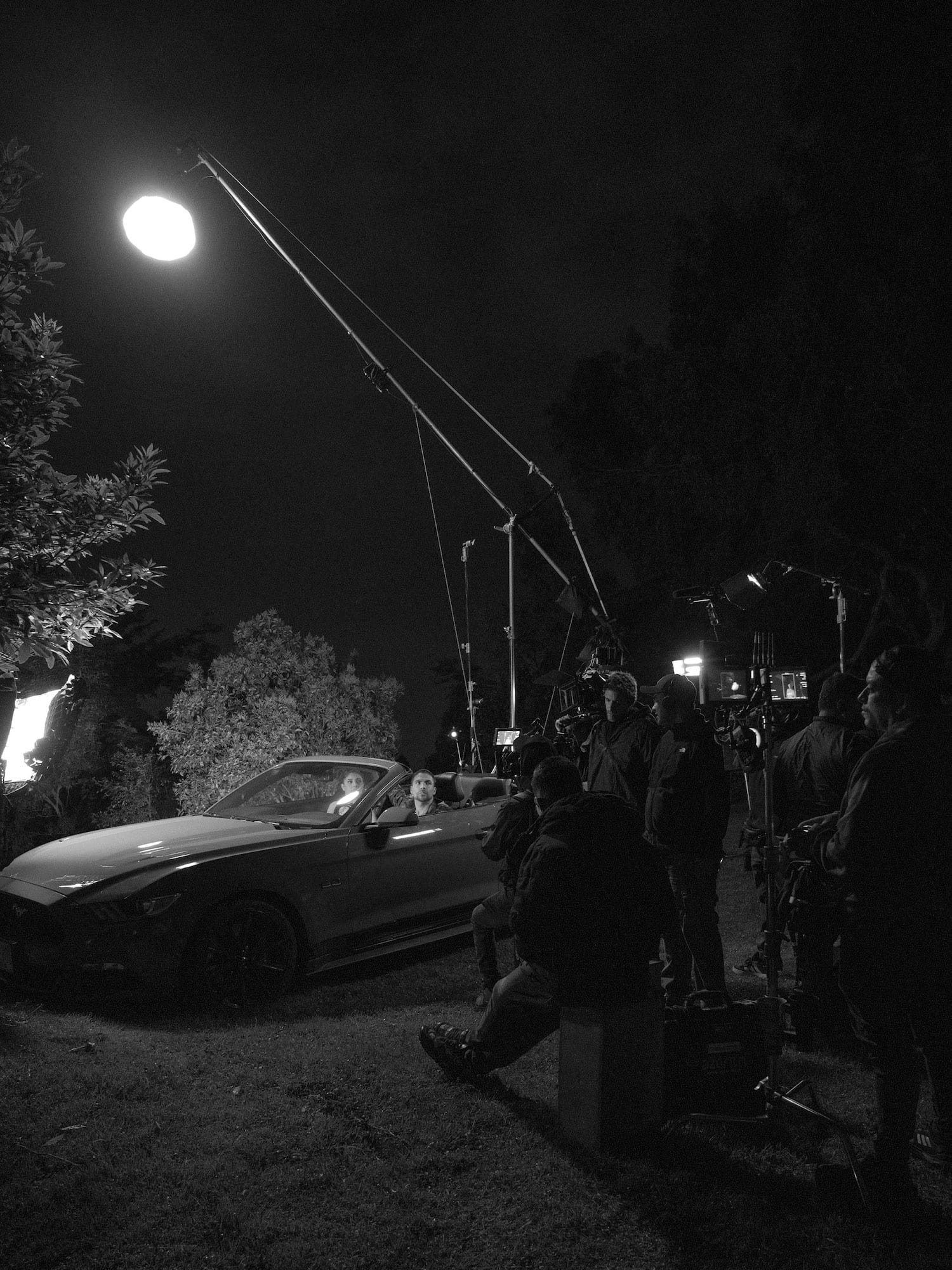
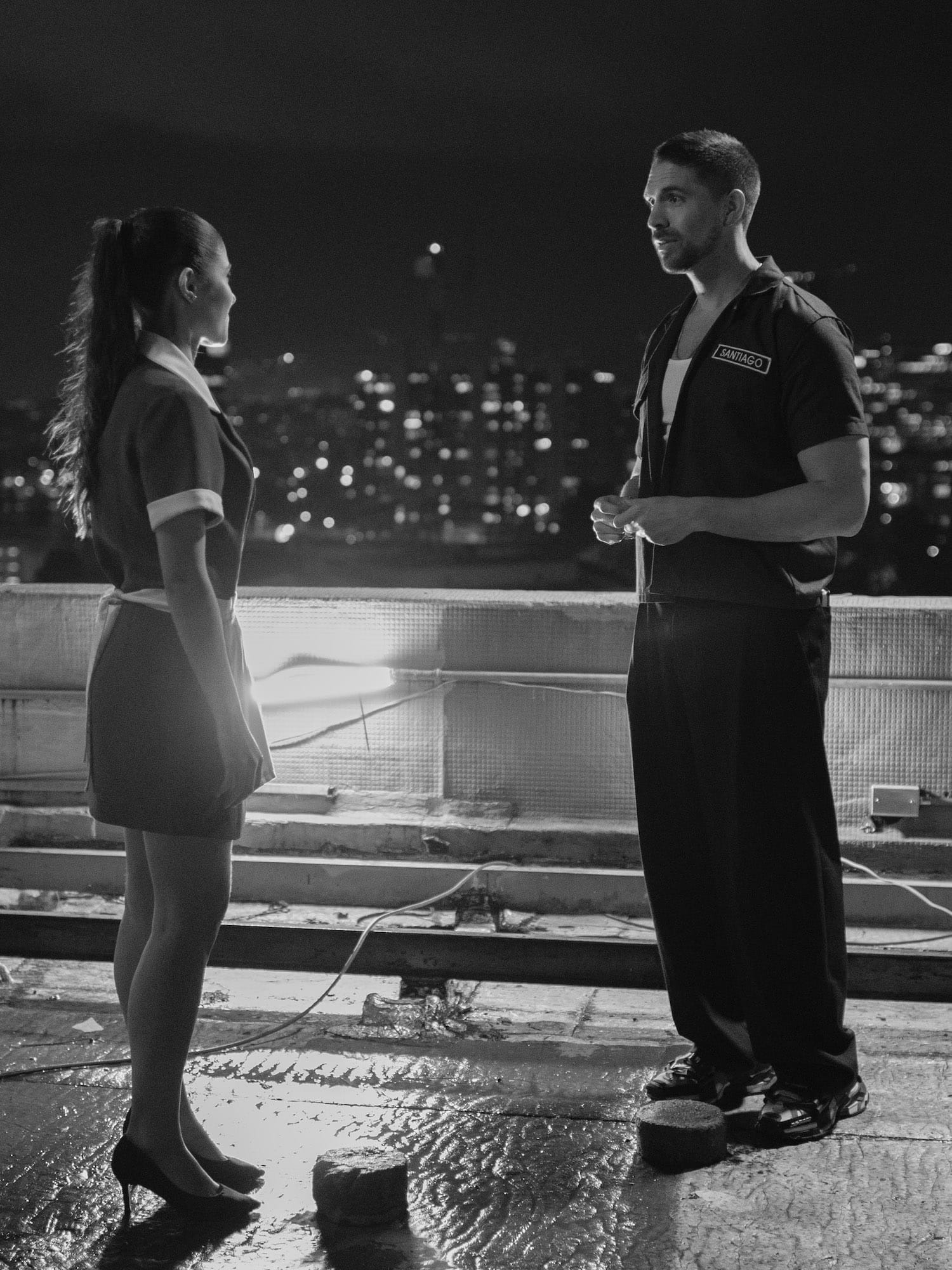
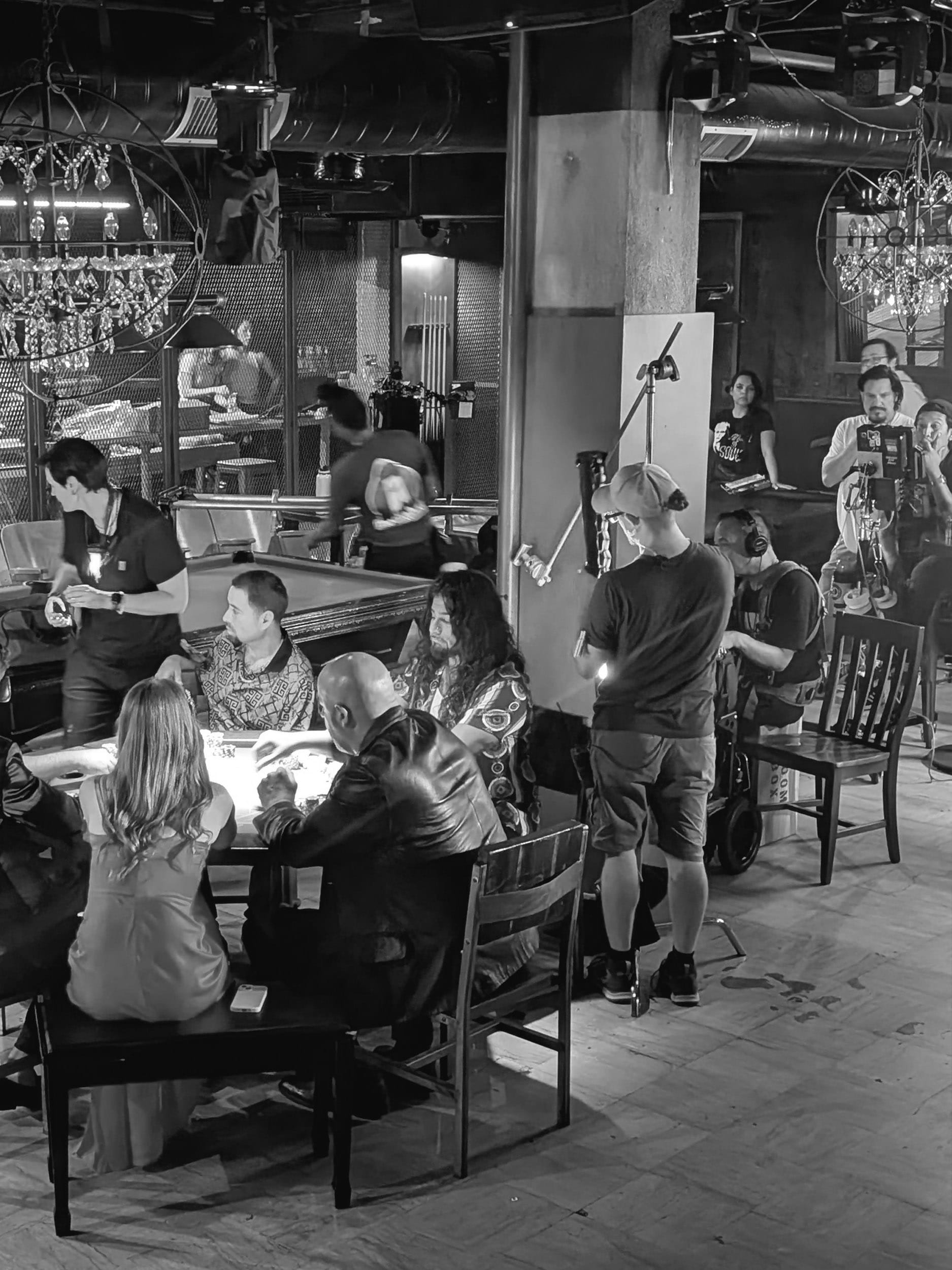
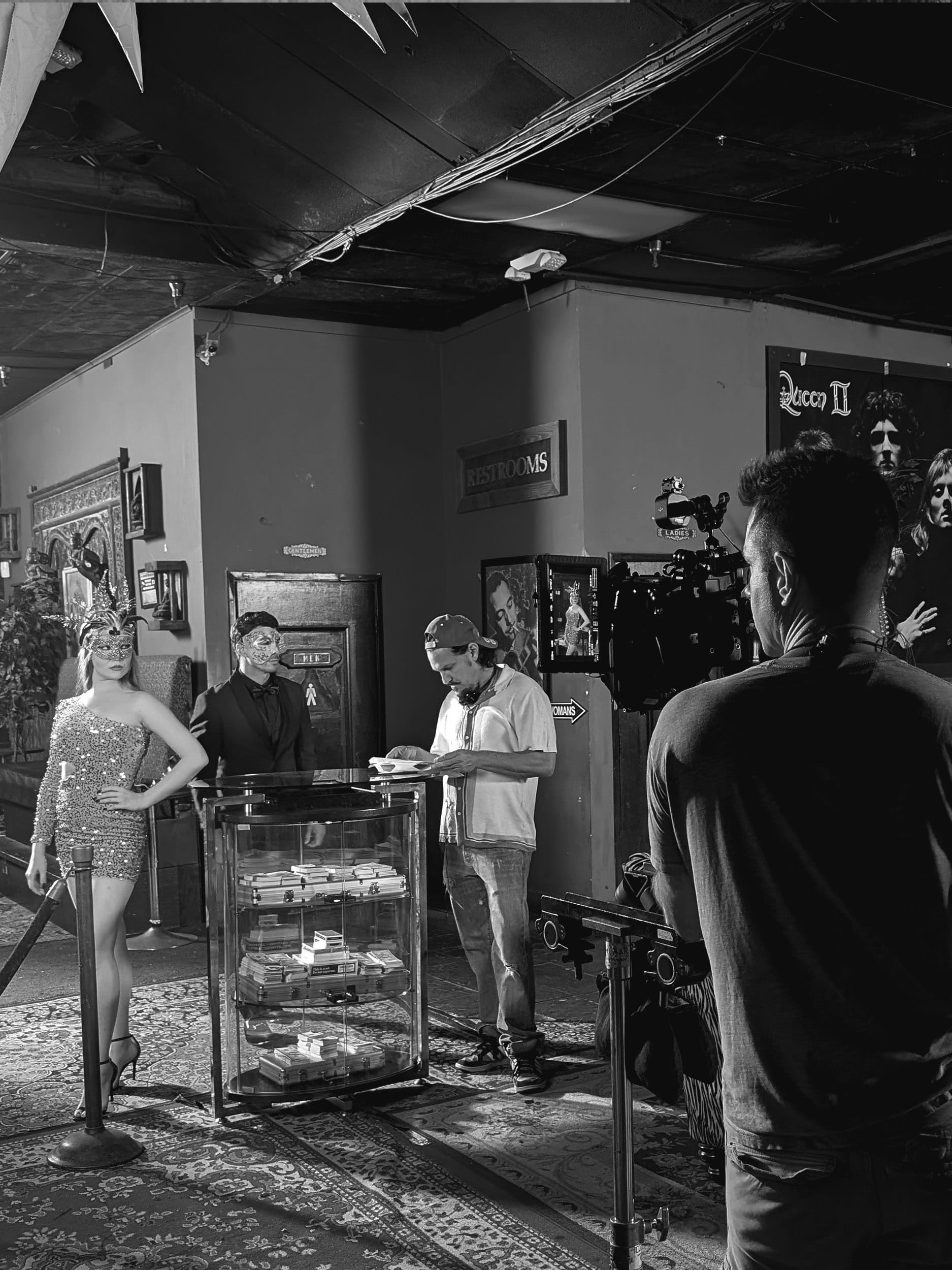
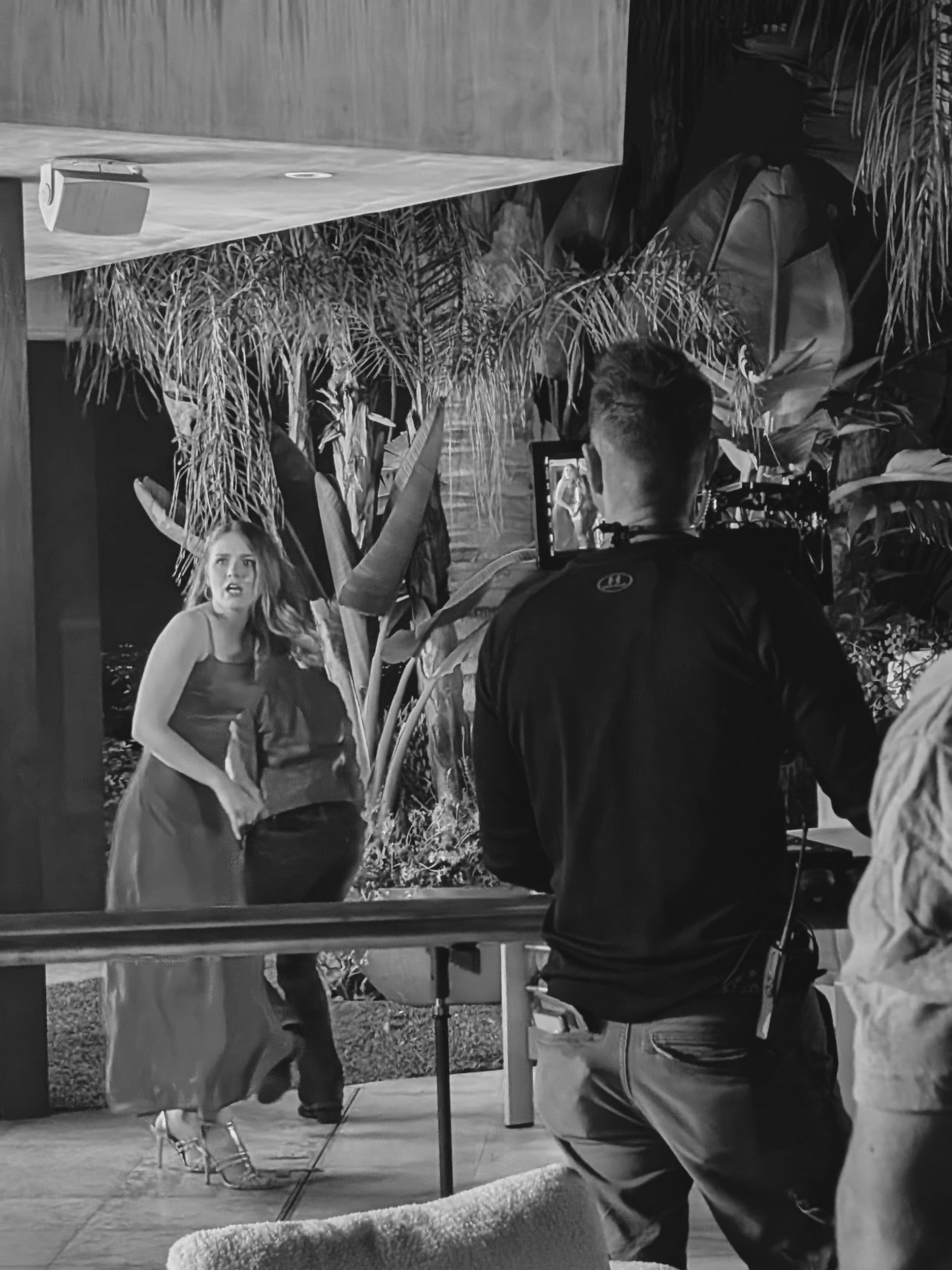
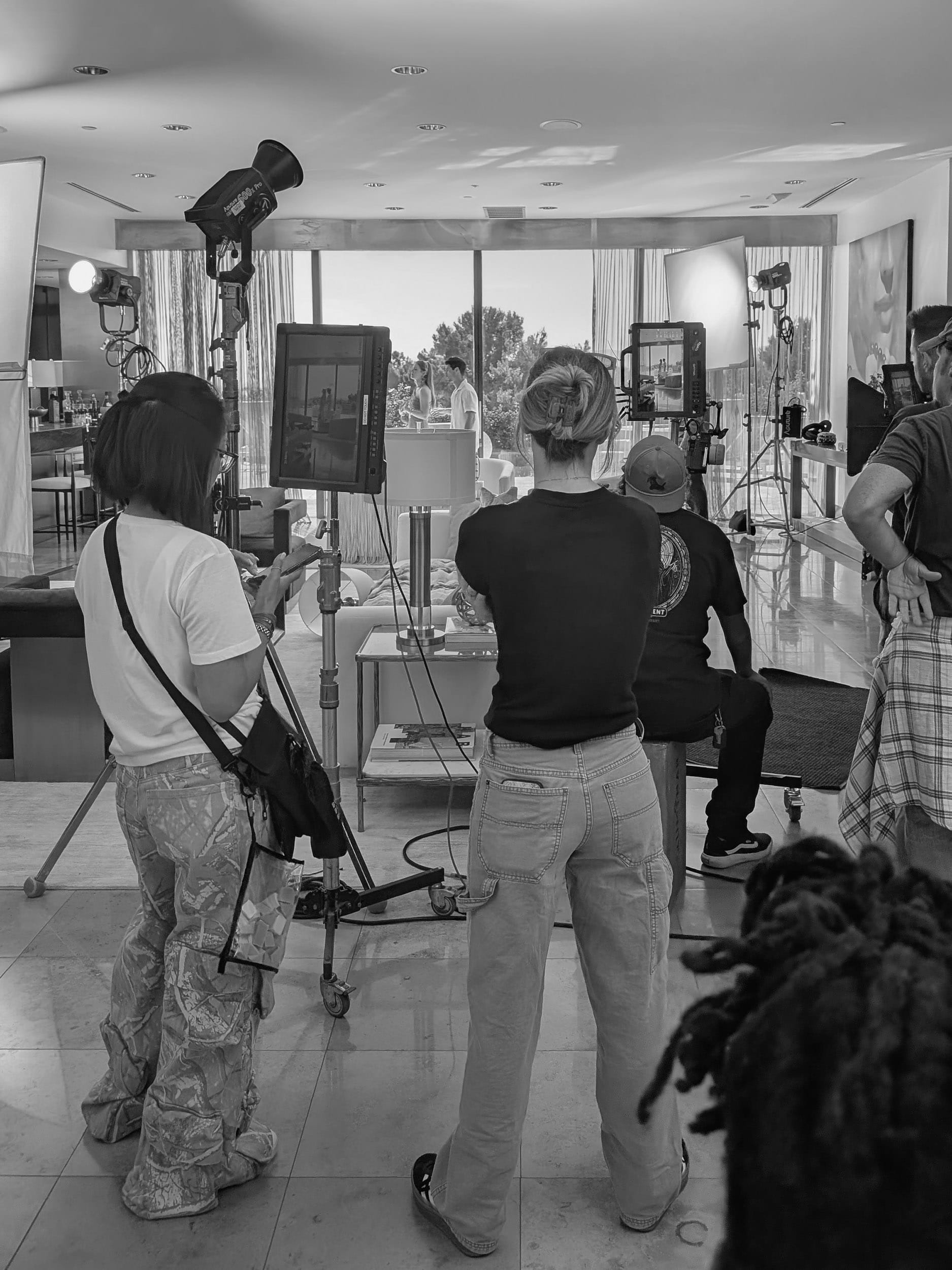
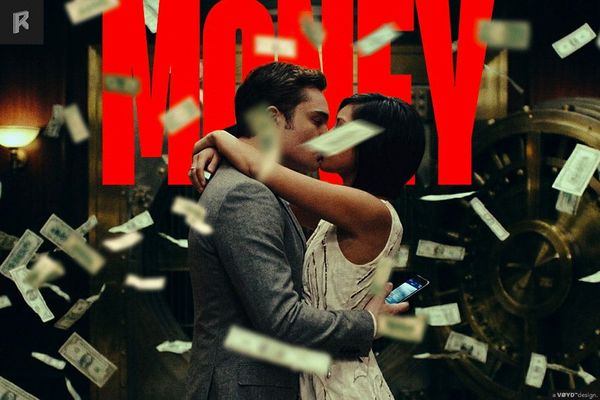
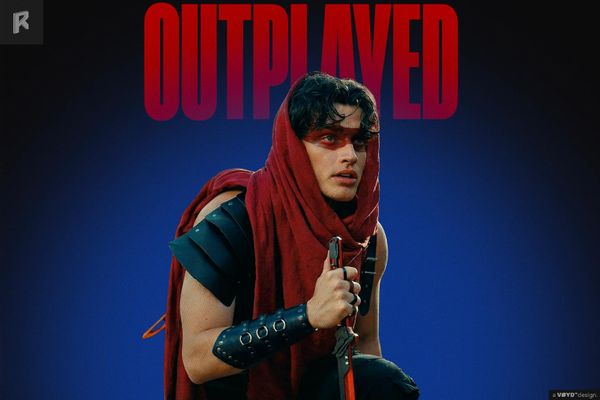
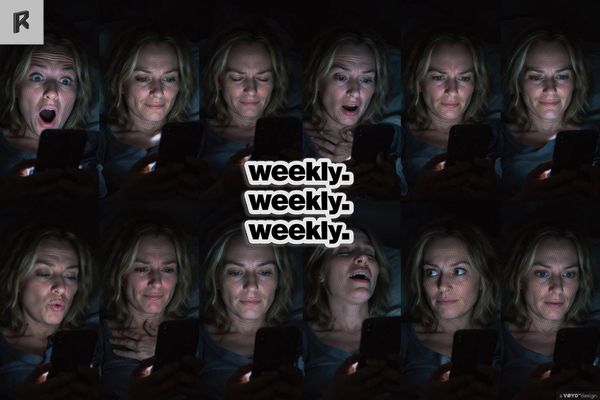
Images courtesy of My Drama.
R:ID:
Many vertical dramas cast influencers. What is your perspective on this trend?
Sasha:
Influencers are also widely used in linear TV and VOD platforms because they bring existing influence and visibility to projects.
At the same time, many of the best-performing vertical dramas have turned their actors into new influencers. However, long-term success depends on emotional delivery.
If an influencer or actor cannot express emotions across a broad range, the success may be short-lived. A single title might perform well, but without strong emotional acting, it is difficult to sustain a long-term career.
R:ID:
How can writers or production companies approach My Drama for collaboration?
Sasha:
Most of us are accessible through LinkedIn, which is one way to reach out.
More commonly, creators can contact us through our partnership email ([email protected]). We always respond, even if it may take some time. Anyone genuinely interested in collaboration will hear back from us.
R:ID:
As a platform that works closely with data, how do you balance data-driven decisions with creative instincts?
Sasha:
For me, data is a mirror of audience love. If the data is not strong enough, it means we have done something wrong.
My main goal is to deliver content that audiences truly engage with and enjoy. When creative decisions become too detached from audience response, we return to analytics and ask ourselves whether we are grounded or drifting too far away.
We rely heavily on data, and I believe that approach is both appropriate and necessary.
R:ID:
The vertical drama market currently skews toward women aged 20–55. Are you actively expanding into other audiences and genres?
Sasha:
Yes, absolutely. Audience expansion is a priority for us.
We already have titles aimed at broader audiences, and we see increasing interest from male viewers across the market. We also strongly believe in LGBTQ+ content and have produced several titles in this space, with more to come.
R:ID:
How do you currently use AI in your workflow, and what is your overall view of AI in this industry?
Sasha:
We do use AI in certain areas, but we do not rely on it completely.
I do not believe AI will replace humans. Instead, it will replace those who refuse to adapt and learn how to use it. That is my perspective.
R:ID:
My Drama recently won a Webby Award for Best Streaming Service. What does this recognition mean to you, and how do you see the industry evolving in the next few years?
Sasha:
Awards are a sign that we are doing something right, and we are grateful for that recognition. We are thankful to the industry and, most importantly, to our viewers.
Looking ahead two to five years, I believe the industry will continue to expand. We will see more viewers, more genres, and likely more regulation, which will make the market more mature.
In many ways, I feel vertical drama is at a similar stage to where VOD series were in the early 2000s. In a few years, we may reach a position comparable to where major streaming platforms are today.
R:ID:
From an operational perspective, where is My Drama primarily based, and are you planning further geographic expansion?
Sasha:
Our offices are primarily based in Europe, while much of Holy Water’s operations are centered in North America.
We are actively exploring expansion beyond Europe, North America, and English-speaking markets.
R:ID:
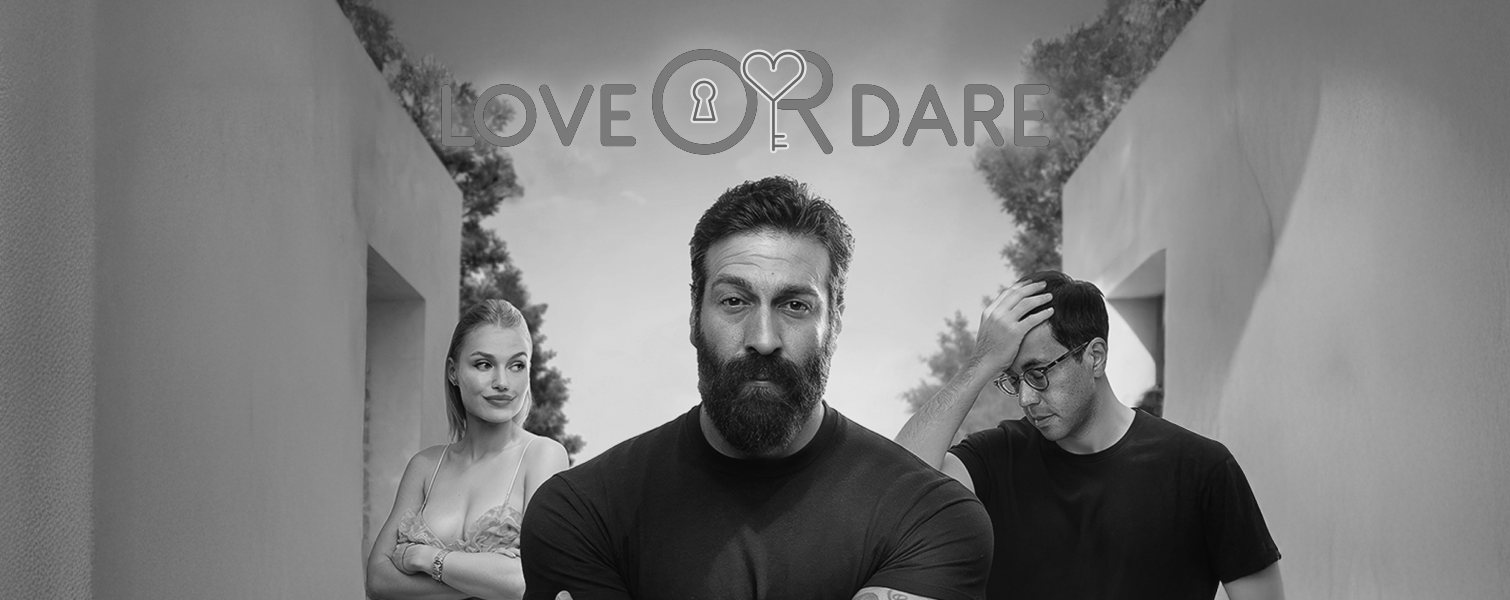
My Drama recently launched its first vertical reality series, Love or Dare. What makes this project significant?
Sasha:
Love or Dare is our first reality series, and it is based on a successful Eastern European IP.
The project was particularly interesting because adapting reality content to the vertical format is both challenging and new. I have a strong background in reality television, and translating that experience into vertical storytelling required a different approach.
The production team was extremely experienced in traditional formats, having worked on major reality shows in other markets. What made the project successful was their openness and willingness to learn. That mindset allowed us to create a strong final product.
At this stage, it is still early to fully assess audience reaction, as not all materials have been released. Once more data is available, we will be able to share more concrete insights.
⁙
R:ID Epilogue
For Sasha, what survives in vertical storytelling is not spectacle, but judgment.
Not volume, but the ability to keep delivering under pressure.
Vertical drama will not replace television.
But it is already exposing where television’s assumptions no longer hold.
About Sasha Tkachenko
Sasha Tkachenko is Studio Head at My Drama, where she oversees development, production strategy, and creative operations across the platform’s vertical drama slate. With a background in traditional television and reality formats, she approaches vertical storytelling through the lens of production discipline, pre-production rigor, and sustained delivery. Her work focuses on translating compressed attention and accelerated cycles into controllable creative systems. At My Drama, she plays a central role in shaping how vertical drama scales beyond short-term performance into repeatable, long-term production models.
✱
R:ID #01
╳ Sasha Tkachenko
R:ID™ is Real Reel’s interview column
on creative identity in the algorithm age,
studying not the work,
but the makers and the identities
shaped through their practice. ☻
MORE R:ID ⇲
 Real Reel
 Real Reel