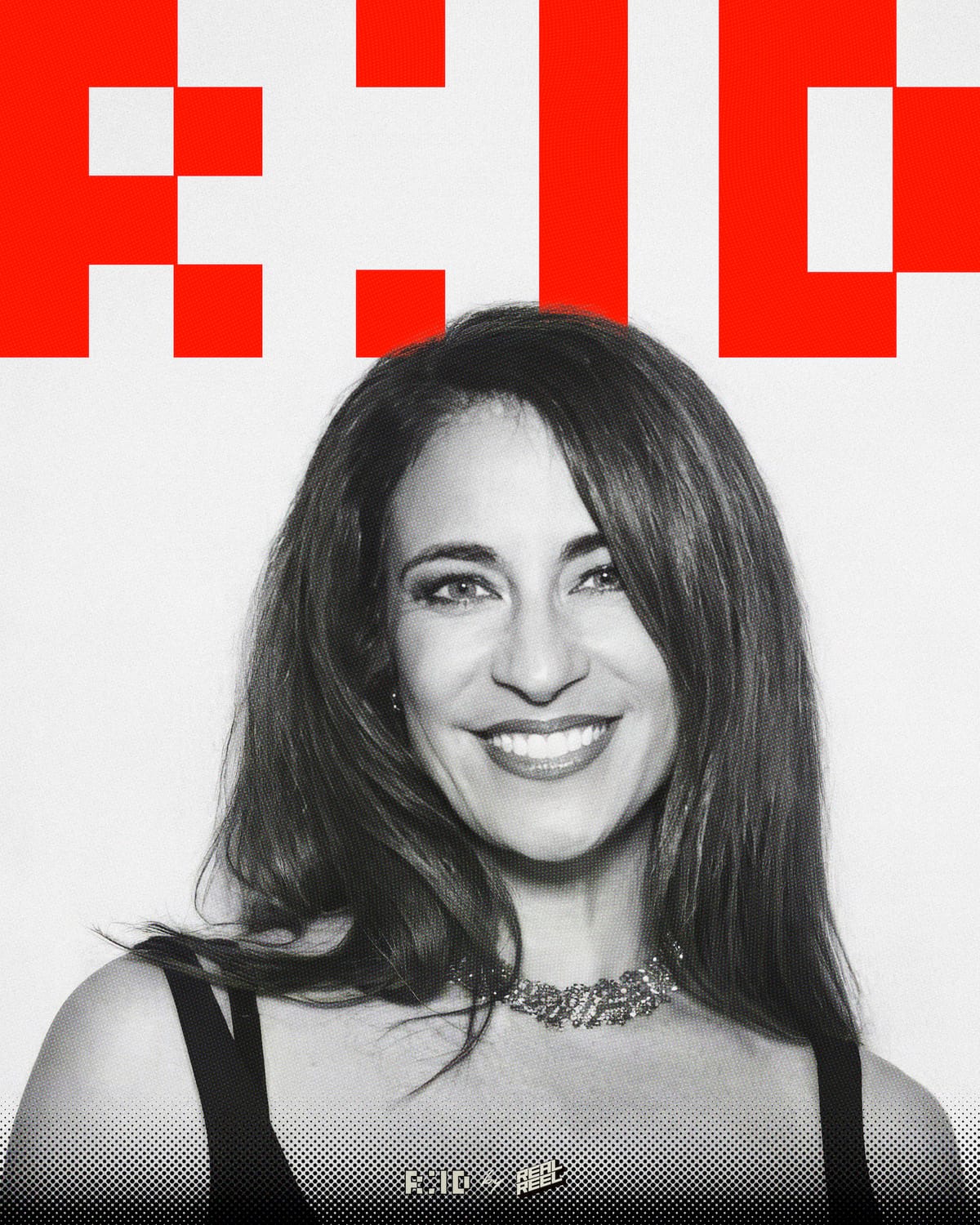
Interview · R:ID ╳ Ted Lucas ❘ The Old Way Is Over

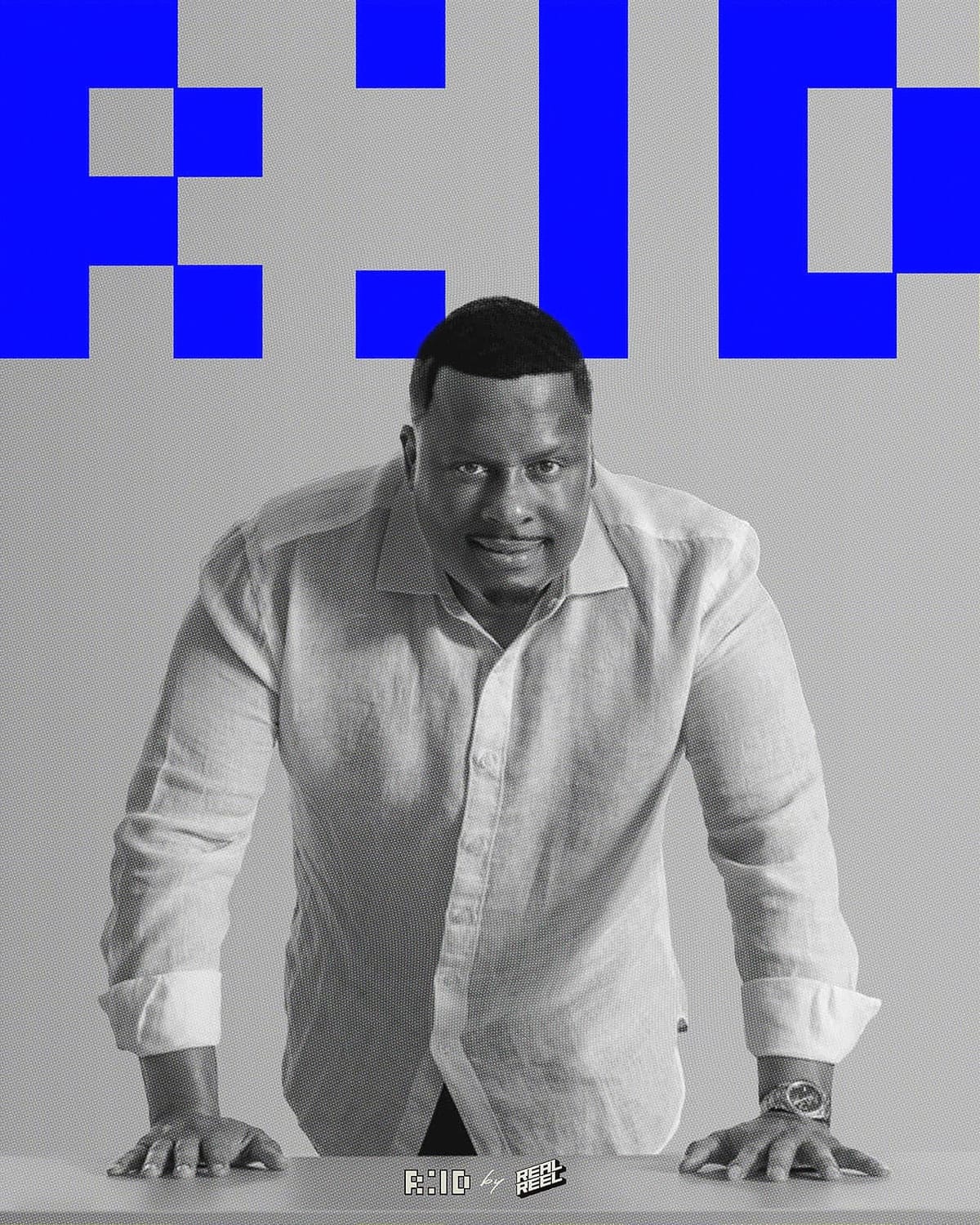
This is an original R:ID editorial interview. Reproduction or redistribution without prior written permission is prohibited, except for brief quotations with attribution.
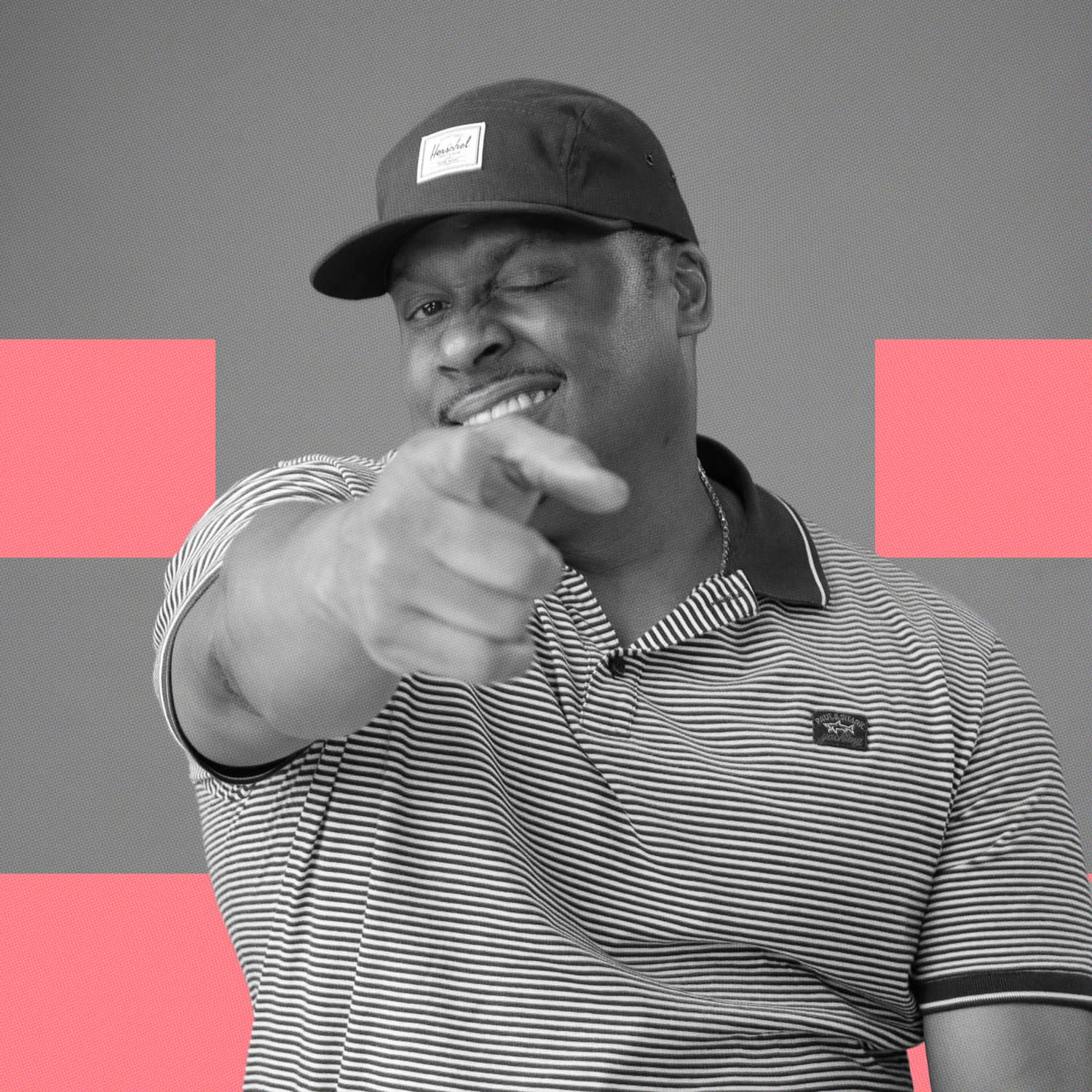
Music Infrastructure, Creator Ownership, and Why Ted Lucas Sees Vertical as the Next Distribution Shift
Slip-N-Slide Records founder and VURT creator Ted Lucas on bringing music-industry thinking into the emerging vertical storytelling ecosystem.

⁙
Opening
▜ ▜
The old way is over.
This is not 1980, this is not 1990, this is not 2000. This really is 2030.
For decades, Ted Lucas helped shape the sound of Southern hip-hop through Slip-N-Slide Records, launching artists such as Trick Daddy, Trina, Rick Ross and Plies. His career was built around identifying talent early, building audiences directly, and creating distribution pathways that allowed artists to grow into long-term careers.
Today, Lucas believes a similar shift is beginning to happen in storytelling.
With VURT, Lucas is bringing a music-industry way of thinking into the vertical storytelling conversation: find talent early, build direct audience relationships, and create clearer paths for creators to participate in the economics of their work.
In conversation with Real Reel, Lucas reflects on the experience that pushed him toward building a new platform, why he sees vertical storytelling as a generational shift in how stories are consumed, and why he believes the next era of media distribution will need to function differently for creators.
⁙
Q&A
R:ID:
You spent decades building your career in the music industry. How did that experience shape the way you think about storytelling and distribution today?
Ted:
I was born and raised in Miami, Florida. One thing about Miami is we didn’t really have an industry here for the music business. So we had to go out and create our own wave.
We had to make people in New York and L.A. understand that people from the South, people from Miami, could create amazing music and sell millions of records.
▙ ▙
If there’s a lane that’s not fully there yet, how do you help build it? How do you help creators capitalize on it? That’s what I’ve been doing my whole life.
So that mindset stayed with me. If something doesn’t exist, you figure out how to build it. If there’s a lane that hasn’t really been created yet, how do you help talented people capitalize on it?
R:ID:
About a year ago you began moving into the vertical storytelling space with VURT. What specifically happened during that period that made you decide to build a platform in this area?
Ted:
Entertainment is something I’ve always had passion for. And when I see something that needs help, or something that feels like it has a real future if it goes in the right direction, that excites me.
What really woke me up was putting out my documentary, Miami King Pins. It was very hard, harder than it should’ve been, to get distribution in place.
▙ ▙
Coming from the music business, I’m like, why is this this hard? It shouldn’t be this difficult.
That was the moment that made me decide to go in this direction. If I’m going through this, there are a lot of creators out there who really need help too.
R:ID:
Music has often been the first creative industry to adapt to new forms of media consumption. What lessons from the music business do you think the film and television industries are only now beginning to understand?
Ted:
▙ ▙
Meet people where they at.
Kids consume everything through their phones now. They learn through their phones, they watch through their phones, they discover culture through their phones.
If that’s where the audience is, then storytelling has to move there too.
▙ ▙
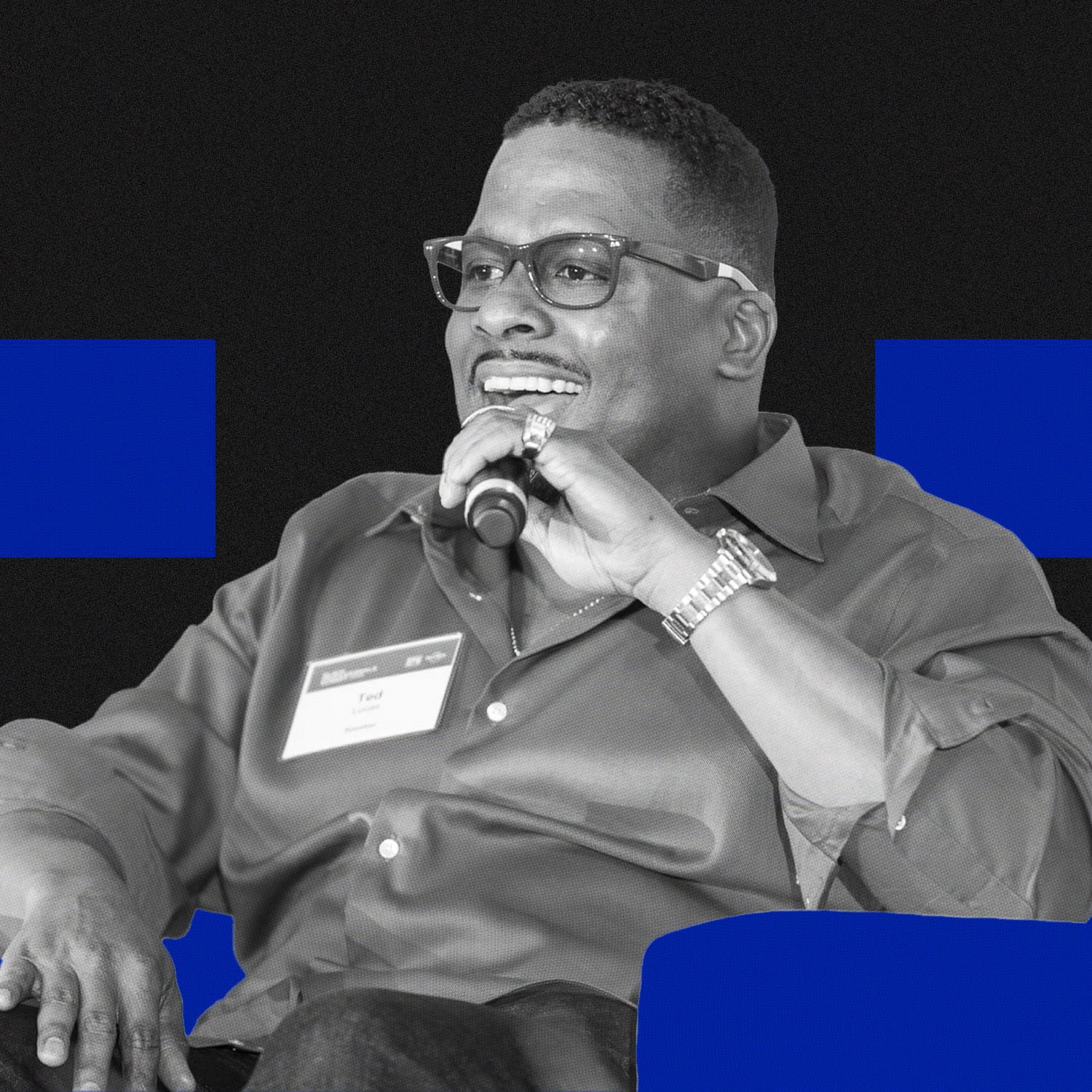
...I don’t want to put creators in a box. I want to open the door and let the audience decide what works...
R:ID:
Do you see vertical storytelling primarily as a technological change in format, or as a deeper cultural shift in how audiences consume stories?
Ted:
▙ ▙
The old way is over. This is not 1980. This is not 1990. This is not 2000. This really is 2030, to tell you the truth.
People live on their phones now. They watch stories in their hands all day. So this isn’t something temporary, it’s where things are headed. So no, I don’t think this is just some fad or something that’s here today and gone tomorrow. It’s going to continue to get bigger and bigger.
That’s what got me excited about it. I feel like we’re moving where the future is headed.
R:ID:
When I looked at the platform, I noticed some content still carries the pacing and structure of traditional film and television. How do you think about the relationship between legacy storytelling formats and the emerging vertical format?
Ted:
I think it’s a little bit of both. You’ve got the old generation that still watches things the old way, and you’ve got the new generation that’s watching in a vertical situation. I wanted to make sure we can capture both audiences.
▙ ▙
Kids don’t wait to go home and watch TV no more like we did. They watch all day, every day, in their hand. So the industry has to adapt to what’s going on right now.
That doesn’t mean everything from before disappears. It means you start giving people content in the format they want to watch it in.
R:ID:
Many companies are entering the vertical storytelling market today. What gap in the current ecosystem did you feel still needed to be addressed when creating VURT?
Ted:
▙ ▙
The structure makes it too hard. That’s the problem.
If I spend my own money, I’m going to market it, promote it, do everything I’ve got to do, why should it still be that hard just to get distribution? Why is the answer still no so often? Why can’t it be, “Let’s work together!”?
That’s what lit a fire in me. If I’m going through that, then a whole lot of creators are definitely going through that. So VURT came out of that frustration.
R:ID:
How do you define VURT at this stage: as a streaming platform, a creator platform, or something closer to creator infrastructure?
Ted:
I want to give creators an opportunity to be great at what they do. I don’t want to put people in a box. VURT is not going to be one of those places that only focuses on one kind of audience or one kind of way of doing things.
▙ ▙
I want to be able to take somebody who has a great idea and give them a platform where they can release it, grow with it, and build something.
Not just throw it on YouTube for free and hope for the best.
So for me, yes, it’s a platform. But it’s also about helping creators become entrepreneurs and helping them grow their vision into a business.
R:ID:
Your approach to creators sounds similar to how record labels historically developed artists. Do you see VURT operating in a similar way: identifying talented creators early and building long-term relationships with them?
Ted:
Correct. I’ve been blessed enough in music to find talented people early and get in business with them. It’s no different now. I want to find talented film directors, talented creators, and get in business with them too.
▙ ▙
I want to help them grow their brand to where their vision can actually go. That’s the part that excites me.
In music, I was able to find artists at an early stage and help them become great. My plan is to do the same thing with creators.
R:ID:
In practical terms, how do you plan to support creators once they join the platform, especially in areas like production funding or marketing?
Ted:
We definitely going to have marketing budget for them. We’re going to have funds available for creators that we build that need the funding to take it to the next level.
I want to be able to sit down with film directors and say, let’s fix this, let’s change that, how much more do you need to add to your budget to make this great and take it to the next level? I like to see people that got something good and turn it into something great.
R:ID:
Many vertical platforms today narrow themselves around one genre or one audience. You seem to be resisting that.
Ted:
I don’t think we should put creators in a box. I don’t believe in putting film directors or creators in a box.
▙ ▙
We’re going to open the door for everyone, and then let the fans come back and tell us what they like best. Letting the fans make the decision!
I know everything ain’t going to be perfect on day one, but we’re going to get better and better every week.
R:ID:
Do you think some genres work better than others in vertical storytelling?
Ted:
I think this format is still opening up. I want to provide all kinds of genres and let the people tell us what they respond to. I’m not trying to force creators into one lane before the audience has even had the chance to speak.
To me, that’s part of the opportunity.
▙ ▙
This is still new enough that fans can help shape it.
R:ID:
Much of today’s vertical audience is still understood as female-skewing. How do you think your broader content mix fits into that?
Ted:
I think women are going to get guys to sit down and watch vertical too. That’s already happening.
▙ ▙
Just like people used to say, “Let’s have a Netflix night,” I think vertical is going to spread that way too.
Somebody’s already watching it, they like it, they share it, and they bring somebody else into it. So our job is to make sure we serve the audience that’s already there and give them something great enough that they’ll bring other people in.
R:ID:
A lot of platforms talk about creator ownership. What does that actually mean in your structure?
Ted:
We’re not trying to lock people up with difficult contracts.
▙ ▙
We want to do good business. We want to make money together.
In the traditional film system, maybe a creator gets five percent, ten percent, depending on who they are. I think those days are over. I want you to be able to provide for your family off what you do. I want you focused on creating, not working somewhere else and trying to do this at night.
So the vision for me is: let’s split the revenue 50-50 down the line, where you can actually make money and start getting ready for your next film.
R:ID:
You also mentioned transparency as part of the model.
Ted:
Yes. We’re building it so creators can actually see what’s going on.
I don’t want you waiting nine months or a year later to find out how your content did.
▙ ▙
We want a wallet on the platform where creators can see how revenue is coming in, what they made in the last 30 days, what they made in the last 15 days, how their numbers are doing.
And if somebody is doing well, maybe we can even give them an advance so they can start the next film right away. That’s how I think it should work.
R:ID:
At the moment the platform is free to access. How do you think about the long-term monetization strategy for VURT as the audience grows?
Ted:
Like anything in life, you have a start.
▙ ▙
Right now, we’re focused on giving people something great.
If you give people a great product, they’ll want to come back, and eventually they’ll want to pay for it.
We’re not about making money in the beginning. We’re about building something that people really enjoy.
Now, could advertising come into effect? Yes. We’ve already had conversations with advertisers who are interested in the space. And branded placement can absolutely become part of the revenue picture too. But first you’ve got to get the product right. If the demand is there, the rest will start taking care of itself.
R:ID:
What does the release pipeline look like at this stage?
Ted:
Ideally, I’d like to put out at least five new originals a month. That’s my plan.
What you see right now is me tapping into my network. We got over 100 already up and ready to come on the day of release. And we got originals in the pipeline currently right now being made.
Within the next 30 days, there’s going to be new originals coming out.
R:ID:
One thing you kept returning to is the music analogy. But in film and vertical, creators are not always foregrounded the same way artists are in music. Why do you still believe that model can work?
Ted:
▙ ▙
Because of old thinking.
People still think TV and film have to work the old way. But now, with social media, creators can be their own brand too. People can follow them, DM them, learn how they think, see how they work.
We don’t have to wait for an award show to tell people who directed something or who made it. If a creator is consistent and keeps putting out great work, people will want to know who’s behind it. I strongly believe that.
Now, does every creator want the spotlight? Maybe not. I understand that. But for the ones who do want that kind of support, we want to help them build it.
R:ID:
If VURT succeeds the way you envision, what role could it play in the larger storytelling ecosystem?
Ted:
What I hope is that this platform can do what the music business was able to do for me.
I’ve been in the business of creating millionaires in music. I believe we can do the same thing in this space too.
▙ ▙
I want people to be able to say, “I started over here, and now I’m a multi-millionaire.”
That’s really the vision: create a place where creators can build something real, make money, provide for their families, and keep going!
⁙
R:ID Epilogue
The most interesting thing about Ted Lucas’s entry into vertical storytelling may not be VURT as a product, at least not yet. It is the framework he brings with him.
Lucas is not coming from the traditional streaming world, nor from the established vertical-drama playbook. He is coming from music, from a business built around discovering talent early, developing it over time, and tying distribution more closely to creator identity and revenue participation.
Whether that philosophy translates cleanly into the vertical ecosystem remains to be seen.
▙ ▙
But at an industry level, the proposition is already notable: as mobile-native storytelling grows, more outsiders will enter the space not by copying existing vertical platforms, but by importing systems from adjacent industries.
Lucas’s wager is that the next phase of vertical may not just be about faster content or cheaper production.
It may be about building new creator infrastructure, and convincing filmmakers to think a little more like artists, brands, and long-term rights holders.
About Ted Lucas
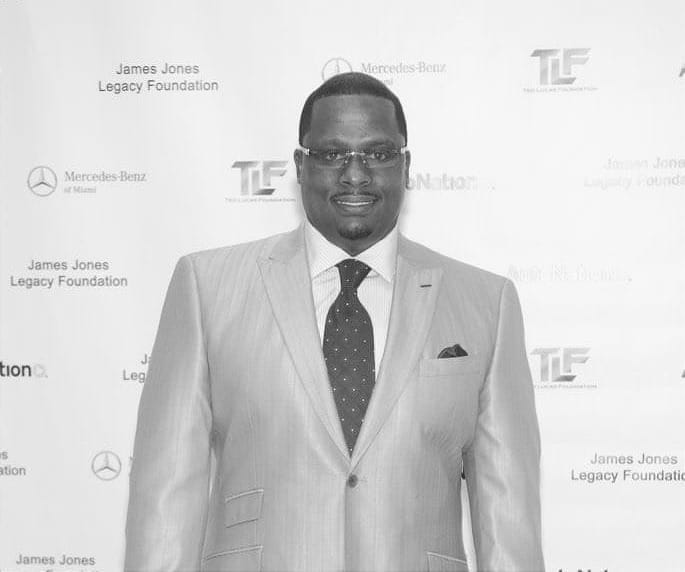
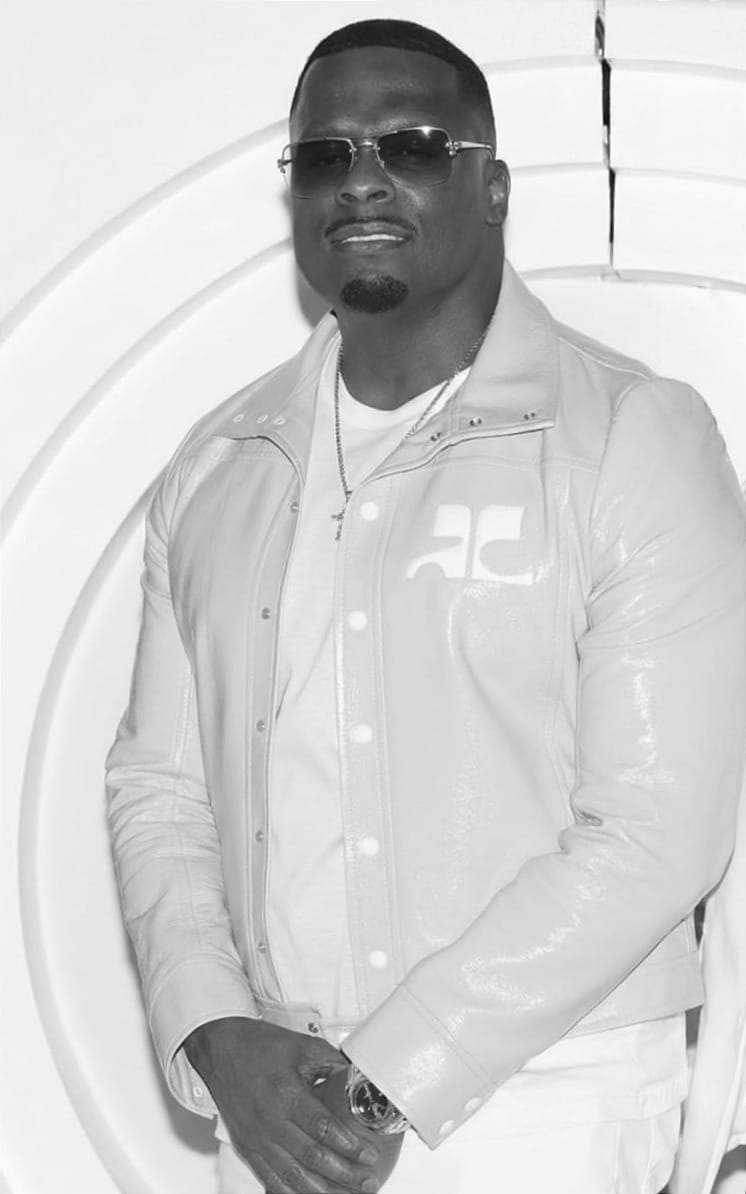
Ted Lucas is a Miami-based music executive, entrepreneur, and film producer best known as the founder of Slip-N-Slide Records, the influential label that launched artists including Trick Daddy, Trina, Rick Ross, and Plies. Known for identifying talent early and building artist-driven businesses, Lucas has spent more than two decades working across music, film, and media production. He is now the founder of VURT, a mobile-native platform focused on vertical storytelling and creator-led distribution.
✱
R:ID #07
╳ Ted Lucas
R:ID™ is Real Reel’s interview column
on creative identity in the algorithm age,
studying not the work,
but the makers and the identities
shaped through their practice.
MORE R:ID ⇲
 Real Reel
 Real Reel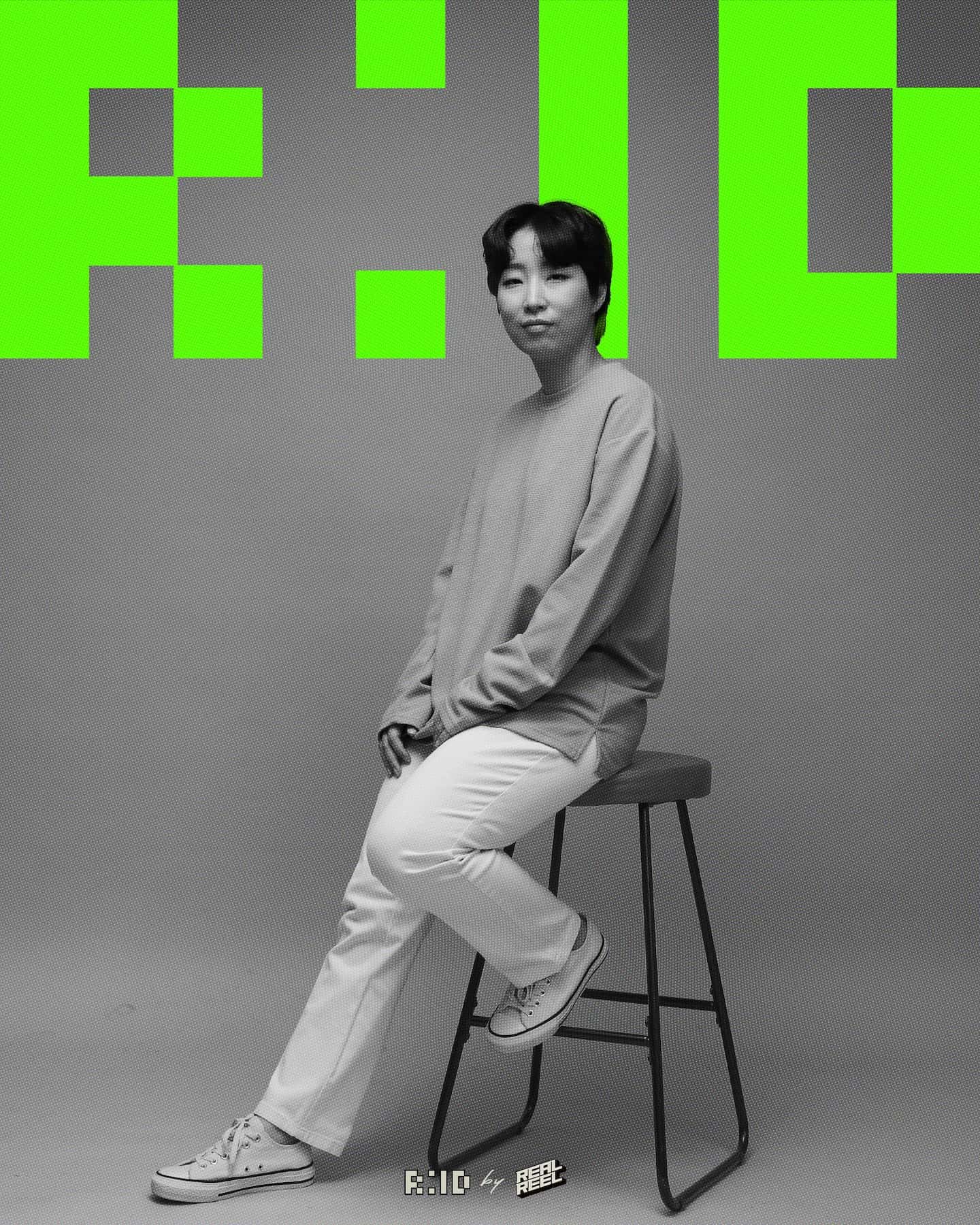
 Real Reel