Interview · R:ID ╳ Timothy Oh ❘ The Judgment Layer in a Rapidly Shifting Industry


This is an original R:ID editorial interview. Reproduction or redistribution without prior written permission is prohibited, except for brief quotations with attribution.

From Cultural Nuance
to Commercial Instinct,
Rooted in Decisions.
COL Group General Manager Timothy Oh on thinking globally, filtering what travels, and why vertical drama is structural, not stylistic.

⁙
Opening
▜ ▜
Vertical drama didn’t “arrive” as a new format.
It arrived when mobile behavior became the distribution layer.
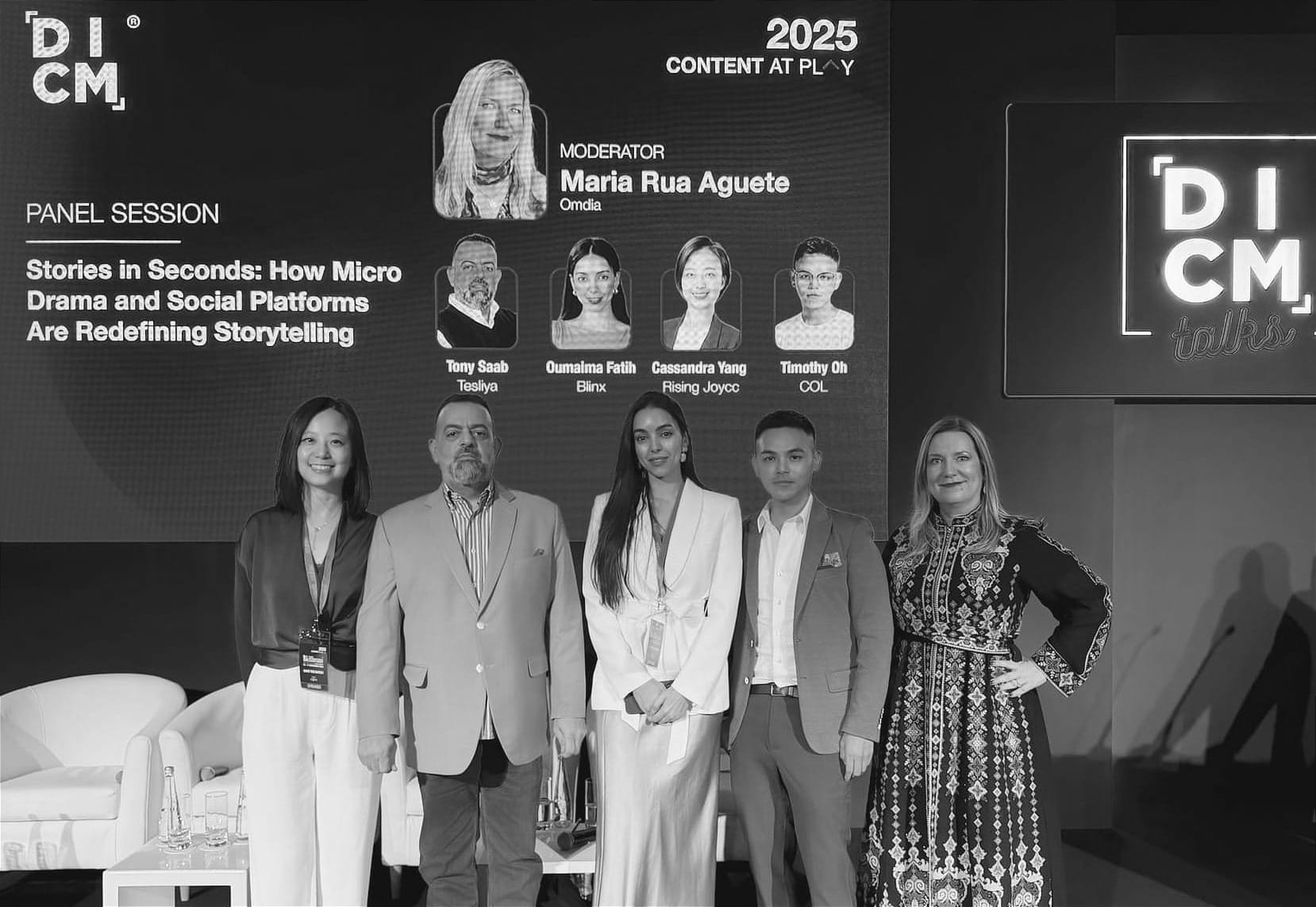
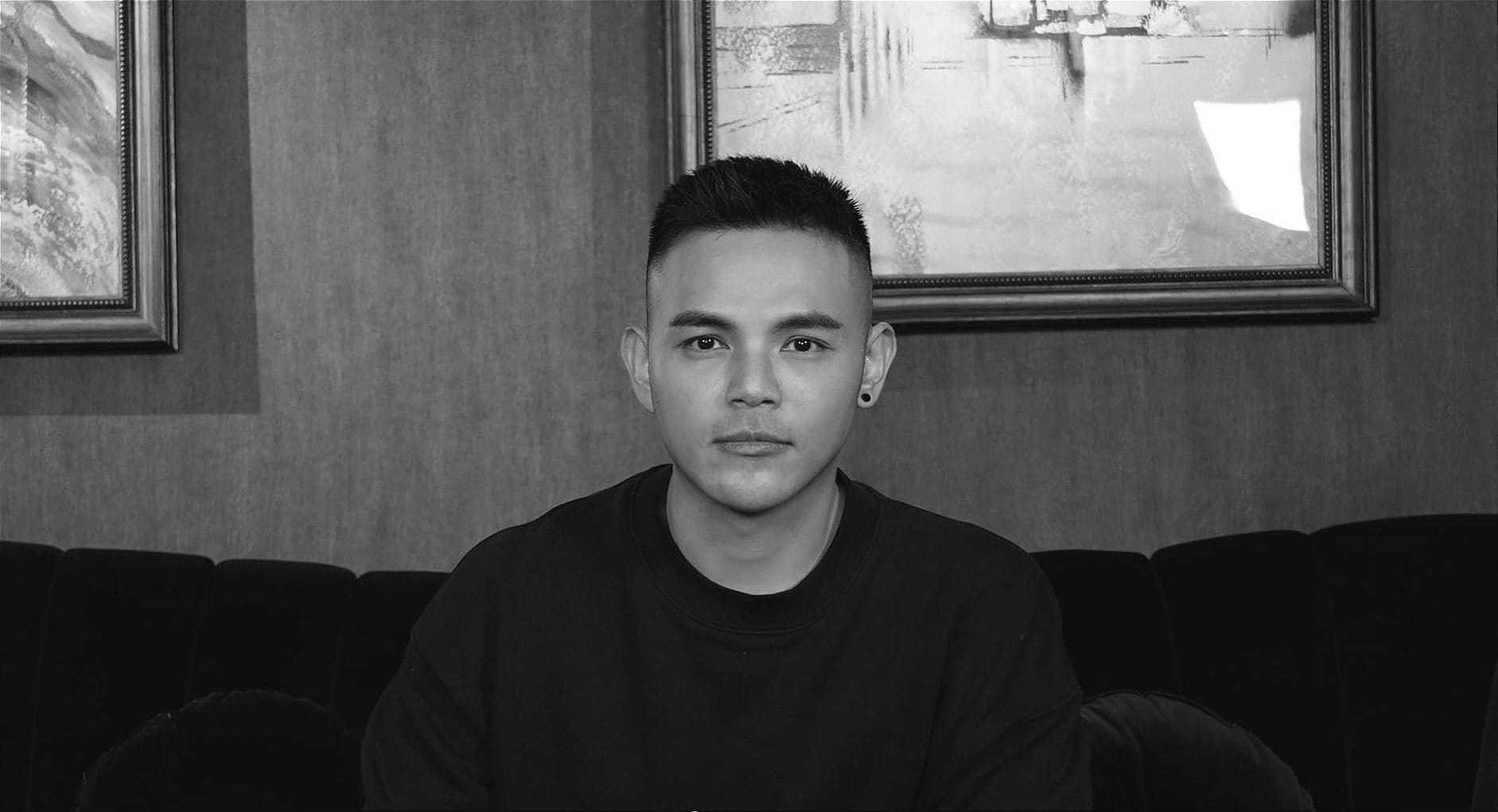
Timothy Oh has worked across filmmaking, factual programming, artist management, studio marketing, and gaming — and now operates at the intersection of international expansion, partnerships, and B2B strategy inside the global vertical drama ecosystem.
He is currently a General Manager at COL Group International, a group with a stake in Crazy Maple Studio (operator of ReelShort) and a broader vertical drama ecosystem that includes FlareFlow.
Across these roles, formats have changed. One thing has not: how judgment is formed before execution.
In this R:ID conversation, Oh breaks down how international work fails when cultural nuance is ignored, why “thinking globally” is often misunderstood, and why vertical drama is not a creative trend but a structural consequence of mobile behavior.
⁙
Q&A
R:ID:
What was the first moment in your career when you truly had to think internationally, not just work internationally?
Timothy:
That shift really happened when I was working at Sony.
What I realized very quickly is that cultural nuance is not a soft skill, it determines whether things function at all. The way people communicate, receive information, acknowledge agreements, all of that is deeply shaped by background.
▙ ▙
I often compare it to dating. Someone might come from a very privileged background and be used to certain things. That doesn’t mean they lack values. It just means they were shaped differently.
In international work, if you start asking, “Why do they talk like this?” or “Why are they always late?” and you take it personally, you will get offended very easily. And you cannot get offended easily if you want to work globally.
R:ID:
So practically speaking, what happens when cultural judgment is missing?
Timothy:
Misalignment shows up in very small but very real moments.
I once worked on a project where Japanese broadcasters were extremely time-sensitive, while Thai producers were much more flexible with time. The Japanese team felt disrespected. The Thai team didn’t even register the issue.
No one was wrong. But without cultural awareness, the situation becomes emotional instead of operational. That’s usually where things break.

▙ ▙
...I still respect creative instinct, but I assess things through commercial sense first, because execution is expensive and mistakes scale quickly...
R:ID:
You started as a filmmaker. How did your judgment change as you moved into marketing and general management?
Timothy:
When you’re young and making films, you care about telling a story that feels honest. You care about whether the team enjoyed the process, whether your perspective came through. Commercial viability isn’t the first concern.
▙ ▙
But over time, reality reshapes you. People ask about budgets, rates, timelines. You deal with rent, mortgages, real obligations. At some point, you realize filmmaking, or any content, is fundamentally dollars and cents.
That realization changed how I evaluate projects today. I still respect creative instinct, but I assess things through commercial sense first, because execution is expensive and mistakes scale quickly.
R:ID:
What did marketing teach you that creative work alone could not?
Timothy:
Marketing trained me to think in terms of demand.
If something is already in demand, your job is to serve it well. If it’s not, you either create demand, or you don’t do it.
A classic example is Apple. They don’t wait for people to ask. They remove something and force the ecosystem to adapt. That’s how demand is created.
So today, when I look at a project, I’m always asking: is this something people are already looking for, or are we prepared to create the question?
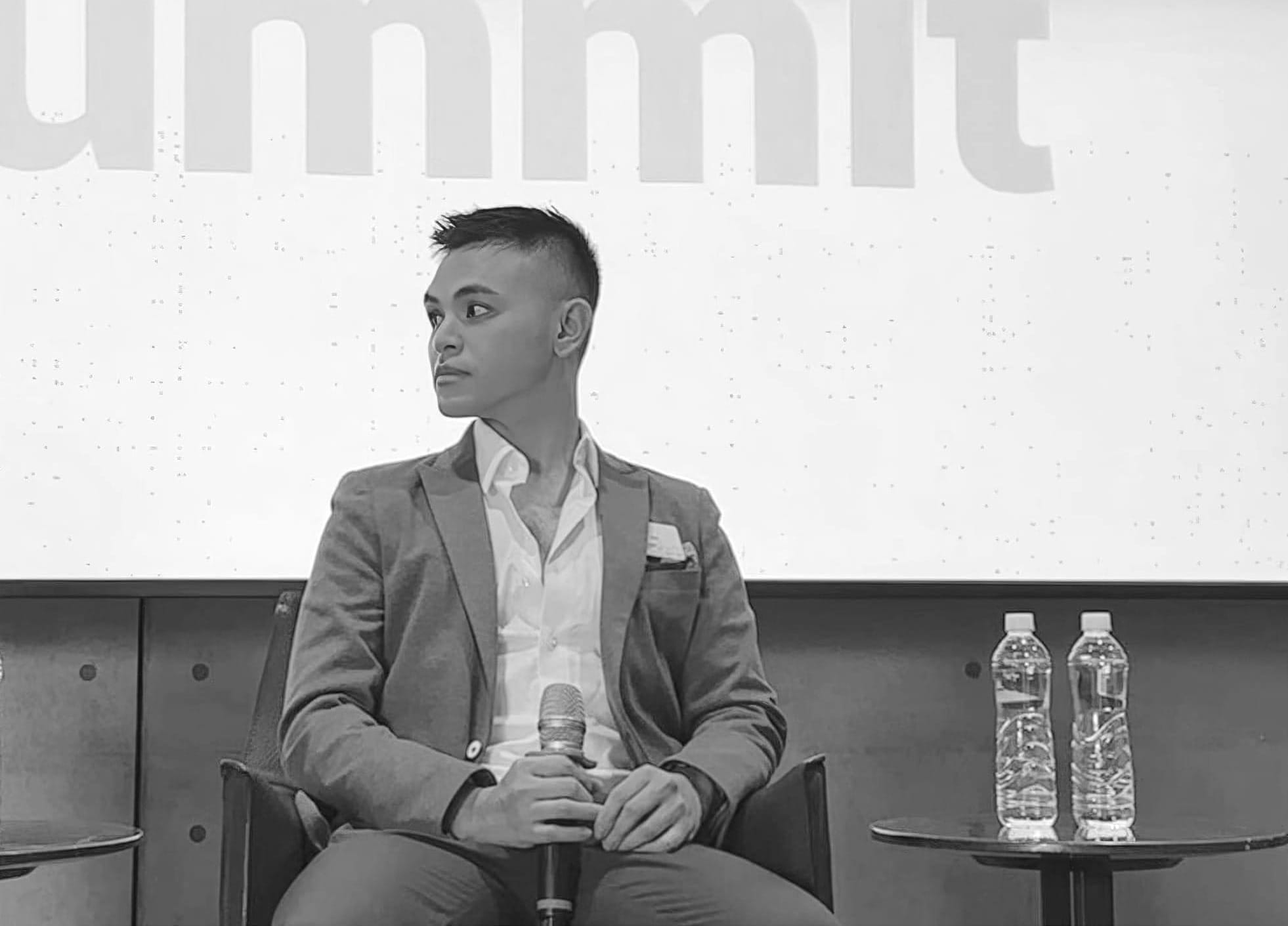
R:ID:
You’ve worked at Sony, in gaming, and now at COL. How do you judge whether a company truly has global potential?
Timothy:
The biggest indicator is whether a company compromises its vision in order to expand.
Companies that scale well globally usually have strong top-down direction. They don’t fragment strategy by region. When every local office defines its own logic, the company becomes global in name but local in execution.
▙ ▙
People often say, “Think globally, act locally.” But the real problem is when companies think locally and act globally. That never works.
You need to think globally first, in how decisions are made, and then allow local execution to follow. At COL, we may use some local tools or software, but the mentality of the company is not restricted by what we use locally. If an opportunity comes from Brazil, we say yes.
R:ID:
In what ways does COL differ from a traditional Chinese content company?
Timothy:
COL is very clear that it is not simply “expanding out of China.” It is building international business as a core identity.
Major infrastructure investments, like studio developments, are designed for international productions, not just domestic ones. The Singapore office was set up as an international business hub, not a local subsidiary.
▙ ▙
That tells you something important. The question isn’t, “How do we go global from China?” but, “How do we operate internationally, and move value in multiple directions?”
That mindset is rare, especially among Chinese companies.
R:ID:
At what point did you realize vertical drama isn’t just a content format — but a structural opportunity?
Timothy:
Vertical drama makes sense because mobile behavior already made the decision for us.
People have been holding phones vertically for years. Browsing is vertical. Short-form consumption is vertical. Someone simply formalized the monetization layer.
The bigger realization came from gaming. Console games were built for hardcore users. Mobile games expanded the audience dramatically — people playing in between moments, not committing hours.
Vertical drama does the same. It reaches people who will never sit through a complex prestige series but immediately understand a simple, emotionally direct story.
That’s why it’s structural — not stylistic.
R:ID:
Was there a moment when you realized neither a purely Chinese nor purely Western logic could explain certain markets?
Timothy:
Yes — especially when it comes to sensitivity.
There are themes that are openly discussed in Western markets but extremely difficult to even raise in other contexts. Sometimes the challenge isn’t the content itself, but the question of why it’s being brought up.
At the same time, China is far ahead in mobile usage and behavioral design. There is a lot to share, but how you communicate that matters. People are very sensitive about perceived leadership or advancement.
So judgment isn’t just about knowing trends. It’s about knowing how to frame them.

R:ID:
Within COL’s global expansion, how do you see your role: cultural translator, negotiator, filter?
Timothy:
My role is largely a filter.
Many ideas are interesting, exciting, or well-intentioned — but sometimes not practical for a Chinese organization. Western companies like to explore ideas. Chinese companies prefer to move quickly once something makes sense commercially.
▙ ▙
So I balance what the world finds exciting with what is executable, profitable, and fast. It’s negotiation, translation, and filtering at the same time.
It’s not an easy role, to be frank. It’s challenging — but necessary.
R:ID:
As more players enter vertical drama, what will separate long-term builders from short-term participants?
Timothy:
▙ ▙
Collaboration and credibility.
If you remain a single-function player, you become a commodity. Vertical drama has very high engagement right now — high “love” — but long-term success requires respect.
That respect comes from partnerships, legacy, and scale. You either build a platform that commands authority — or you align with people who already do.
R:ID:
Some argue that once Hollywood fully enters vertical drama, Chinese companies going global will lose ground. How do you see it?
Timothy:
There will be consolidation, because this is an expensive space. But I don’t see it as China versus Hollywood.
What I see is convergence, especially through Chinese-American professionals who understand both systems. Chinese companies are extremely ROI-driven, fast, and commercially disciplined.
That doesn’t disappear when Hollywood enters. It evolves.
R:ID:
If you had to leave one sentence for yourself three years from now, what would it be about?
Timothy:
▙ ▙
Judgment.
What we do now has a legacy on how we feel years from now. We won’t remember every detail, but we remember how it made us feel: the stress, the anxiety, the joy.
Someone once asked me if I take “haunted showers.” Moments alone when past decisions replay in your head. I realized I do.
I want fewer haunted showers. And that always comes back to judgment.
R:ID:
Anything you want to leave creators or builders in this space with?
Timothy:
We are in a fast-paced, fast-growth space. I think it’s important to enjoy the moment we’re in, not constantly worry about what’s coming next.
People will consume content wherever they want. We can shape how we do things, but we cannot change the world.
The world that really matters is our head — not just the people around us. I want to encourage people in the entertainment industry, especially in vertical drama, not to trap themselves in situations that are hard to get out of.
It’s not a conventional business statement, but it’s important.
⁙
R:ID Epilogue
For Timothy, vertical drama is not a “new storytelling style.”
It is a distribution truth finally being monetized.
The deeper work is judgment:
how companies think globally without fragmenting,
how cultural nuance is handled without offense,
and how commercial instinct evolves without erasing the creative self.
The future of vertical will belong to those who can translate across systems —
without losing speed, and without losing sense.
About Timothy Oh
Timothy Oh is General Manager at COL Group, focused on international expansion and B2B partnerships across marketing, PR, and content distribution.
He began his career in filmmaking and factual programming, later working across artist management, studio marketing, radio, and gaming before returning to entertainment through the vertical drama ecosystem.
✱

R:ID #05
╳ Timothy Oh
R:ID™ is Real Reel’s interview column
on creative identity in the algorithm age,
studying not the work,
but the makers and the identities
shaped through their practice. ☻
MORE R:ID ⇲
 Real Reel
 Real Reel
 Real Reel