Vertical Weekly:Beauty Brands, India Rules, Global Scale

▙ ▙
Beauty brands go vertical, India tightens controls, COL expands global licensing, queer microdramas break out, and the U.K. press calls it an industry
Week of Dec. 13–19, 2025
Join Real Reel
⁙
Beauty goes vertical: Maybelline commissions a holiday micro-drama on ReelShort.
Maybelline New York rolled out a branded vertical micro-drama, Maybe This Christmas, starring Lacey Chabert and Dustin Milligan, produced by Maximum Effort. The project runs as a short-form, phone-native holiday series and was developed in under six weeks, according to campaign coverage. The brand framed the series as a narrative-led alternative to conventional short-form ads, distributed through ReelShort and social platforms. The move reflects how major consumer brands are now treating vertical micro-dramas as a standalone media buy, not just a promotional experiment.
 ByJennimai Nguyen
⁙
India moves toward regulation: ShareChat’s QuickTV introduces age ratings and parental PIN locks.
India-based ShareChat has added content ratings (U, U/A 13+, U/A 16+, A) and PIN-based parental controls to its micro-drama app QuickTV, restricting access to mature content by default. The update follows growing scrutiny of short-form drama apps in the Indian market and positions QuickTV as one of the first major platforms to implement a structured classification system. The change signals that micro-dramas in India are entering a phase of platform normalization and compliance, rather than operating as an unregulated growth category.
 ET
ET
⁙
COL Group expands global licensing: FlareFlow adds ~50 “blockbuster” vertical titles to its catalogue.
In a Dec. 18 release, COL Group International announced that its micro-drama platform FlareFlow has added around 50 high-performing vertical titles to COL’s international licensing catalogue, bringing the total library to 1,000+ microdramas available for global partners. The company positions the catalogue as a turnkey offering for broadcasters, streamers, and media platforms, with localization and marketing assets included. Executives emphasized distribution across 170+ regions, underscoring how vertical drama libraries are now being packaged and sold through traditional content licensing frameworks, not just app-based ecosystems.
 COL Group Co.,Ltd.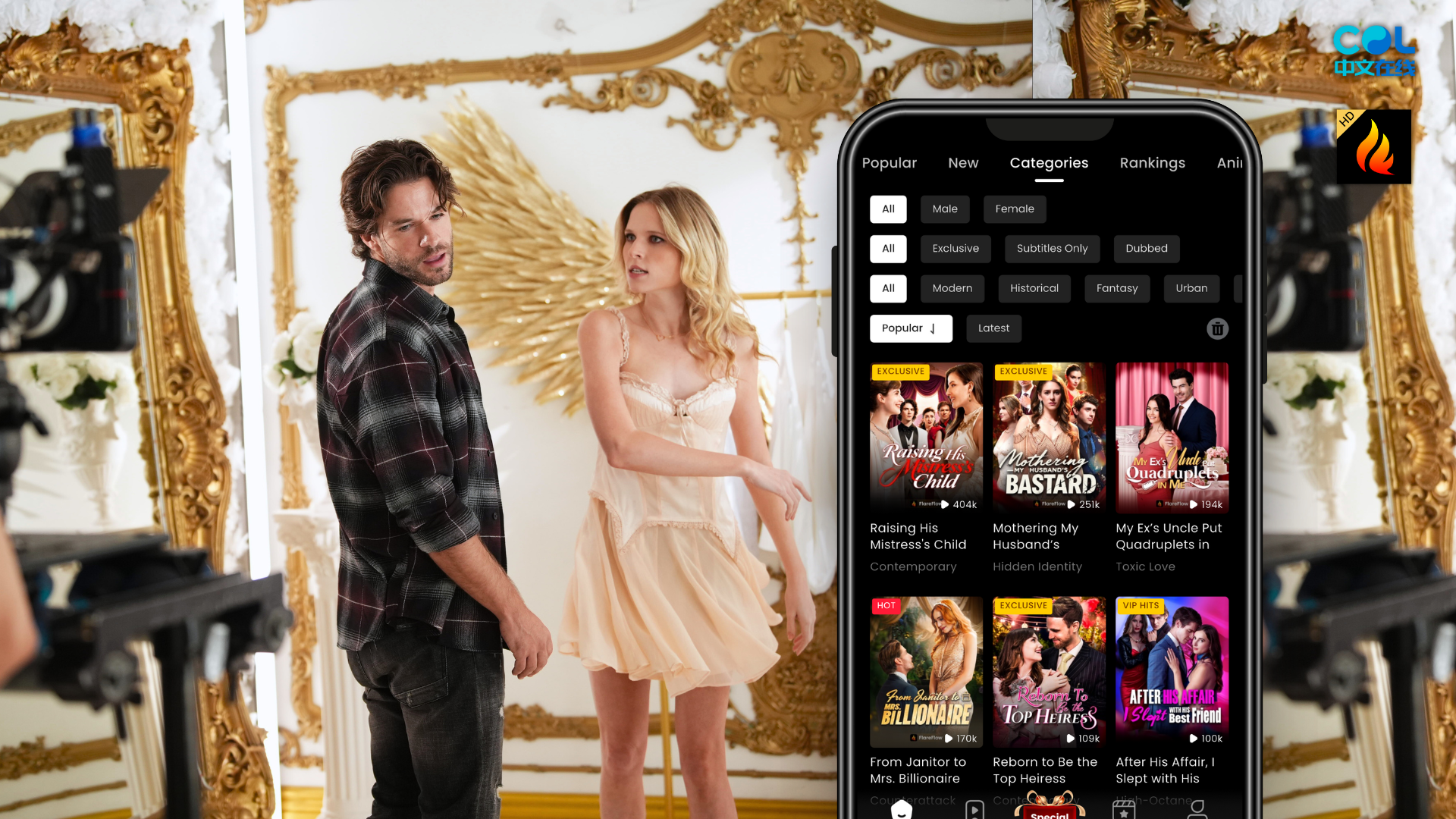
⁙
FlareFlow pushes “micro-binge” positioning as it scales internationally.
Separately, FlareFlow highlighted a “micro-binge” consumption pattern in corporate communications, describing typical episodes at 60–90 seconds and average viewing sessions of 15–25 minutes. While the metrics are company-reported, the framing is notable: vertical micro-dramas are increasingly described using the same engagement language as long-form streaming, reinforcing their pitch as habit-forming entertainment, not disposable clips.
 COL Group Co.,Ltd.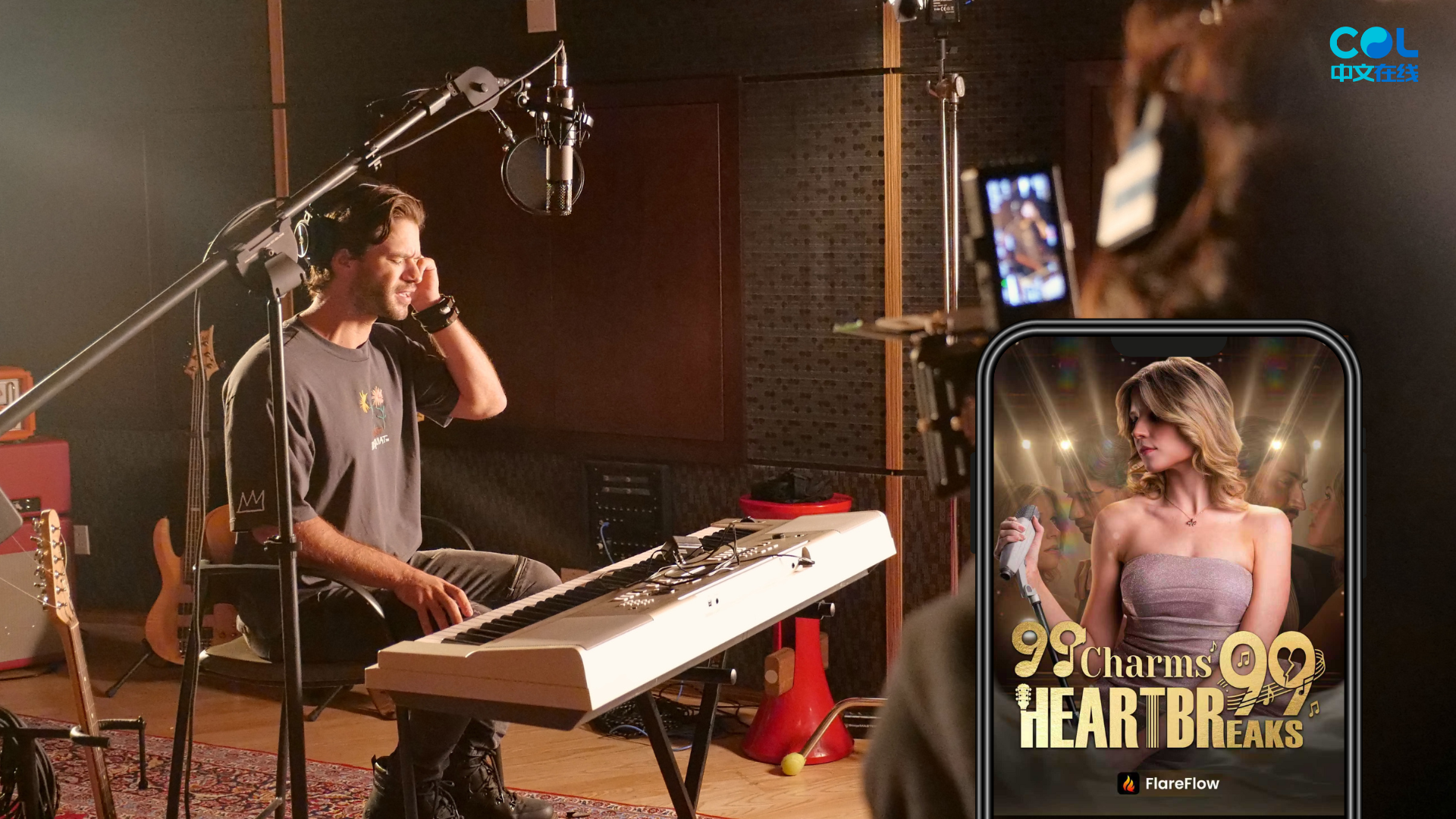
⁙
Queer micro-drama breaks out: The Prince’s First Love crosses into mainstream attention.
The ReelShort series The Prince’s First Love, a queer romantic comedy told across dozens of sub–two-minute episodes, gained viral traction this week after social clips surpassed one million views on X. Coverage by Condé Nast–owned Them marked a rare crossover moment, where a vertical micro-drama was treated as a culturally relevant title rather than a niche app series. The attention highlights how the format is beginning to support identity-driven storytelling capable of traveling beyond its original platform.
 Mathew Rodriguez
⁙
Mainstream U.K. press names the category: micro-dramas as a billion-dollar industry.
A Dec. 19 feature in The Guardian framed micro-dramas as a fast-growing, billion-dollar global sector, linking Asian revenue models with emerging Western platforms and Hollywood participation. The article situates vertical dramas within a post-strike production landscape defined by lower budgets, faster turnaround, and mobile-first audiences. Importantly, the framing is no longer speculative: the category is described as an industry, not a trend.
 Adrian Horton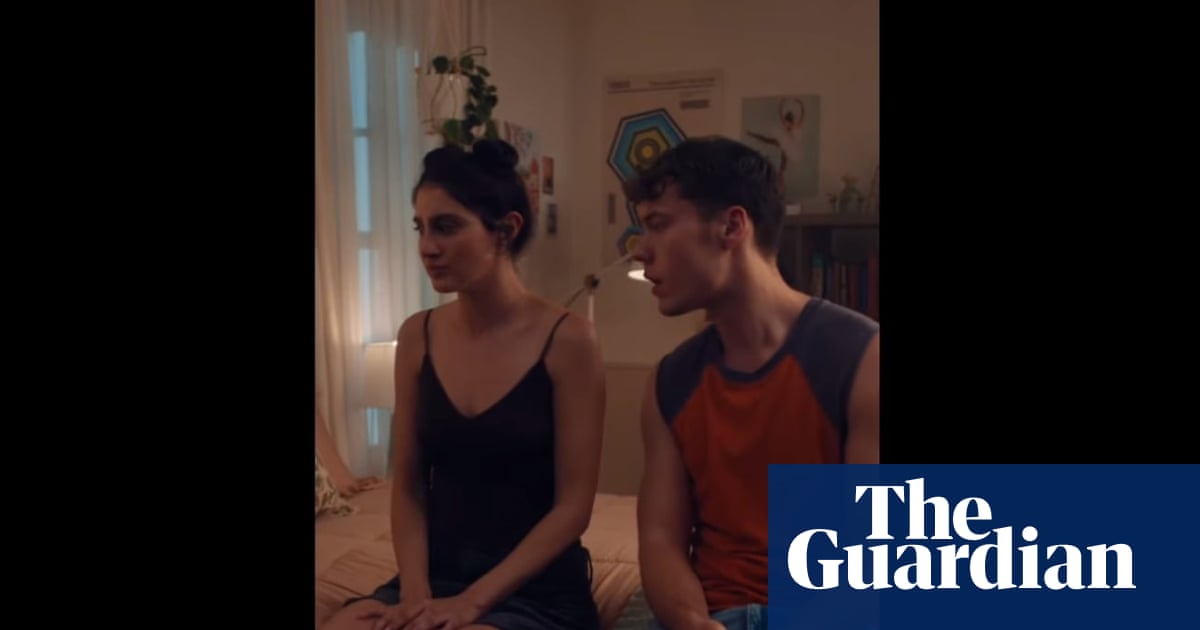
✱