AGC Studios launched a creator-led division spanning film, television and microdrama, while WME and Live Nation expanded infrastructure around creator-owned media businesses. Elsewhere, AI entered a Netflix feature workflow and an Apple Studios labor contract, Hoorae extended its TikTok vertical slate, and Fremantle began turning legacy television into mobile-first entertainment.
⦿⦿
For much of the past year, the interesting question was which companies would enter vertical, AI or creator-led entertainment.
This week, the better question was what happens to those companies once they do.
Week of Sep 28-Oct 04, 2026
AGC builds a studio pipeline around creator-owned IP
AGC Studios launched AGC Digital, a new division led by Jared Jacobs that will identify, develop, finance and commercialize IP emerging from the digital ecosystem. Its remit spans film, scripted television, unscripted, kids and family, native digital and microdrama.
The important part is what AGC is bringing to the relationship: financing, production, marketing and international distribution. Creators already arrive with ideas, content and an audience; AGC wants to provide the studio infrastructure that can turn those assets into franchises while allowing creators to retain control of their IP. Jacobs previously worked across creator partnerships and digital strategy at Warner Bros. Unscripted Television and creator-led development at Night Studios.
This is a different proposition from hiring creators as talent. Their existing audience is becoming part of the development package.
The creator audience is moving upstream into studio development.
 Jeremy Kay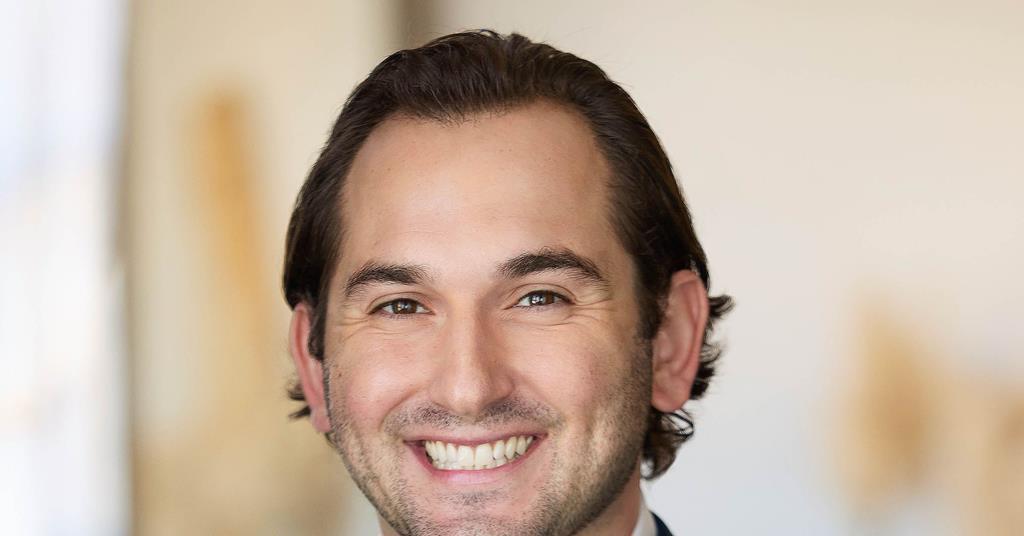
Ben Affleck puts AI inside a Netflix feature workflow
Ben Affleck confirmed at Bloomberg Screentime that AI was used for “lots of things” during the making of his upcoming Netflix thriller Animals, although he declined to identify the specific shots or processes involved. The film arrives after Netflix acquired InterPositive, the AI production company Affleck co-founded.
The lack of detail is almost as revealing as the announcement. Hollywood’s AI conversation has spent years moving between demos, fully generated films and arguments over replacement. Animals points to a quieter model: AI embedded somewhere inside an otherwise conventional live-action production, without becoming the product itself.
That makes the next question operational rather than theoretical. Which parts of a mainstream production are actually changing — and which remain firmly human?
Hybrid production is becoming harder to separate from production itself.
 Tony Maglio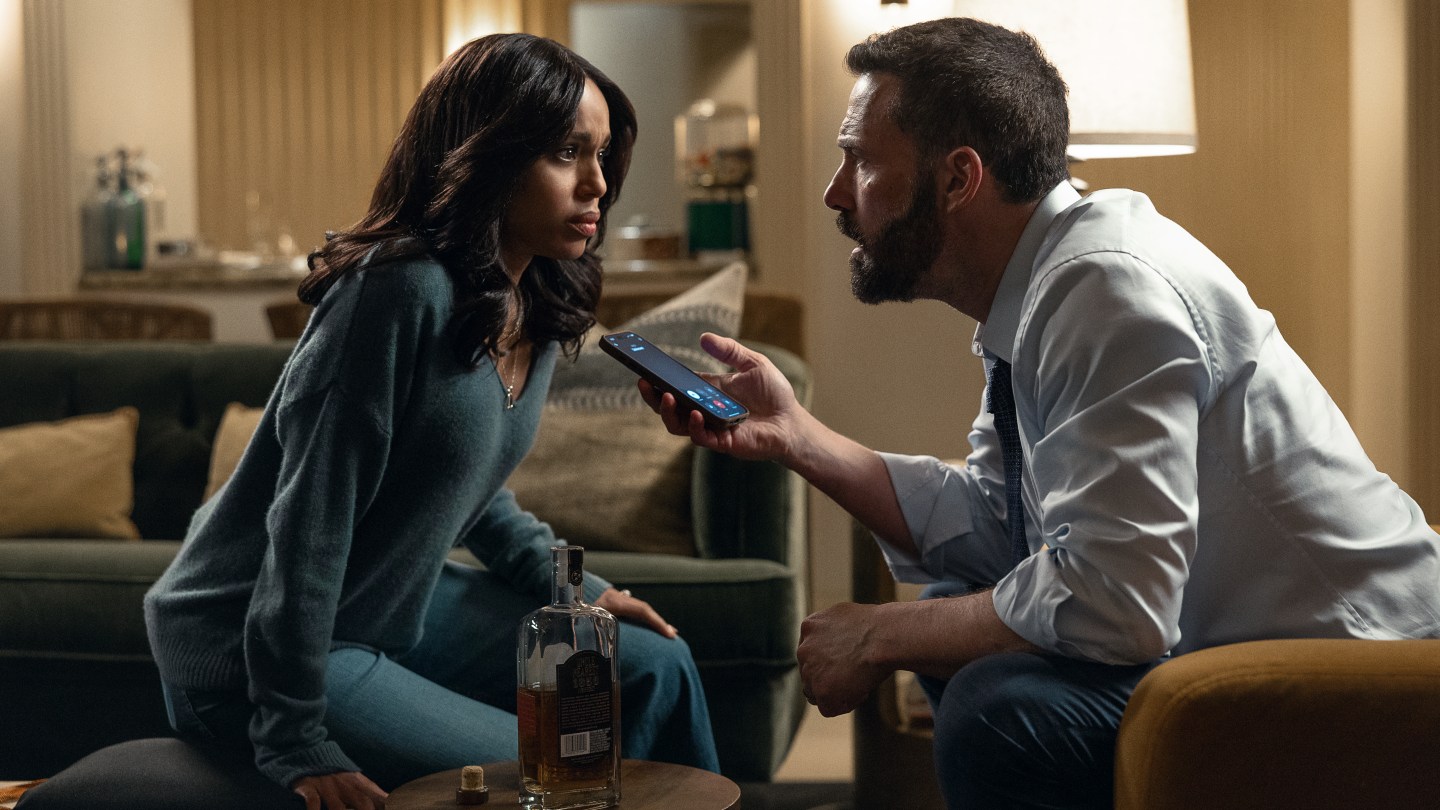
Apple’s VFX workers put AI protections into their first contract
Apple Studios’ in-house VFX workers secured their first collective bargaining agreement with IATSE on September 30. The contract establishes minimum rates, healthcare and retirement benefits, overtime and turnaround protections — and incorporates the AI protections negotiated under the broader IATSE-AMPTP Basic Agreement.
The timing matters. As AI tools move deeper into post-production and VFX workflows, the labor conversation is moving with them. The issue is no longer simply whether studios will use AI, but what protections follow workers into departments where that use becomes routine.
There is another divide worth watching: most VFX workers remain employed by outside vendors rather than directly by studios. As in-house crews gain union protections, the difference between those two labor structures may become increasingly important.
AI production rules are becoming contract terms, not just policy statements.
 IATSE Communications
WME starts operating the businesses behind its talent
WME launched Creator Labs, an in-house digital operations unit designed to help clients build and run their own media businesses. Led by Joanne Lee, the unit supports channel management, publishing, content syndication and distribution across YouTube and other platforms. WME also invested in video strategy and operations company Astra Media.
The move reflects a basic change in representation: more talent now owns the content and distribution infrastructure that once belonged to studios or networks. For an agency, securing the next deal is no longer always enough; clients may need help operating the media business they already control.
Put next to AGC Digital, the shift becomes clearer. Studios are learning how to develop creator-owned IP, while agencies are learning how to service creator-owned distribution.
When talent owns distribution, representation starts looking like infrastructure.
 Caitlin Huston
Hoorae and TikTok move from a vertical experiment toward a slate
Hoorae Media announced The Compatibility Experiment, a new scripted vertical series premiering October 14 on TikTok and PineDrama. The relationship-driven series borrows the mechanics of reality dating shows but builds them into a scripted mobile format.
One title alone would not mean much. What matters is that it follows Hoorae’s Screen Time and sits within a broader Hoorae Digital–TikTok relationship around premium short-form storytelling. Screen Time passed 150 million views earlier this year; now the partnership is returning with another format rather than treating the first as a one-off test.
That repeatability is the signal. TikTok’s role in scripted mobile entertainment is gradually moving beyond hosting or discovery toward something closer to an ongoing content pipeline.
The experiment becomes more interesting when there is a second show.
 Blexmedia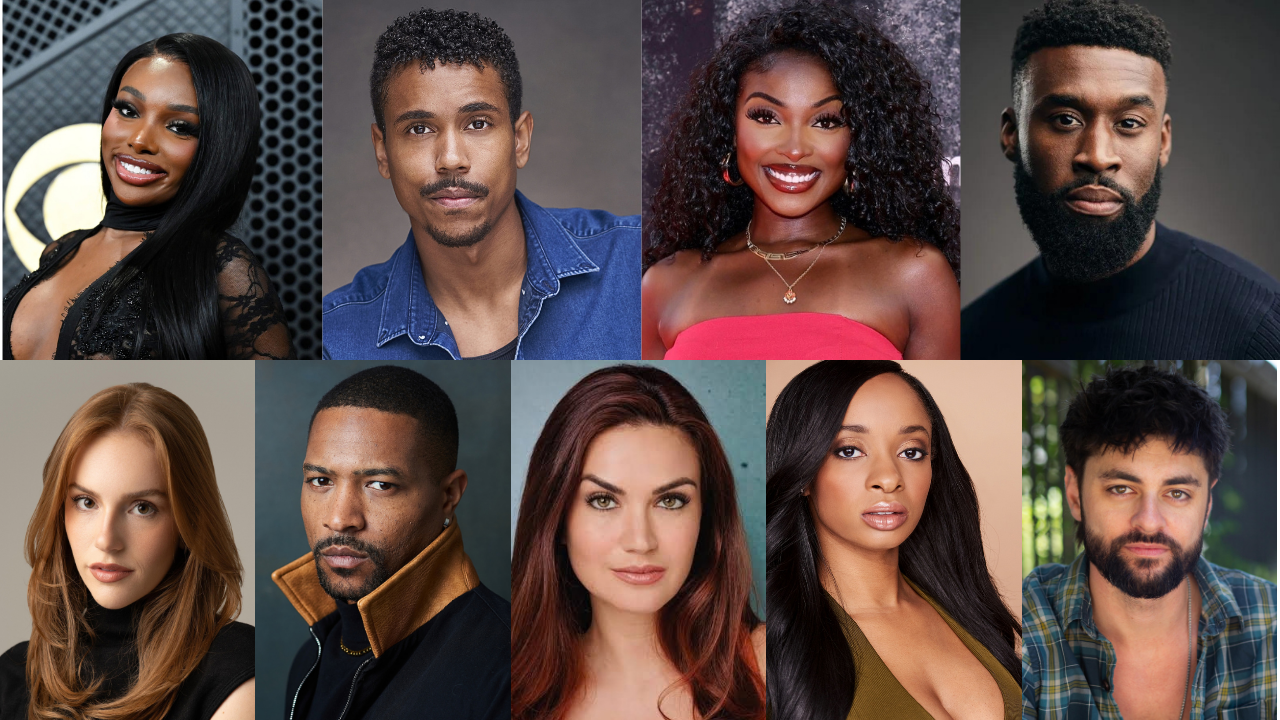
Live Nation puts acquisition capital behind creator businesses
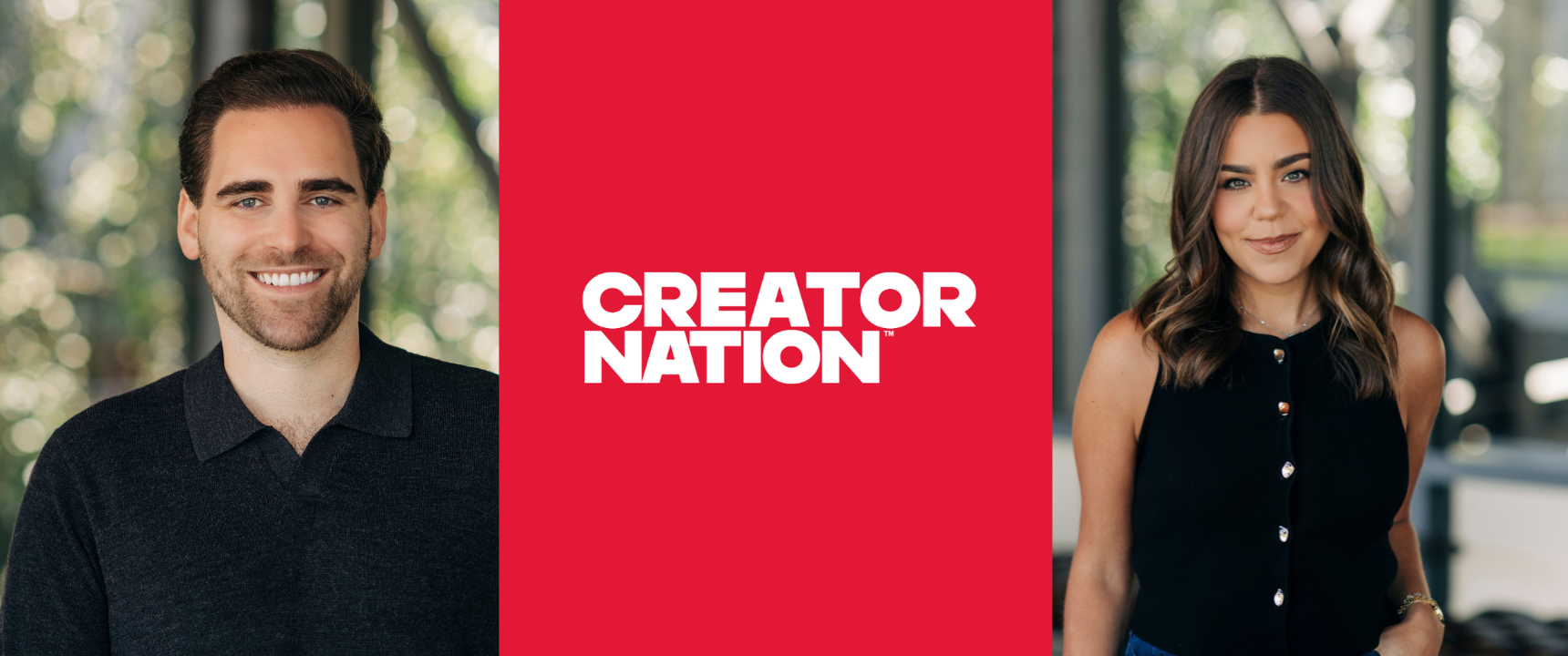
Live Nation is backing Creator Nation, a new company founded by creator-management veterans Scott and Alexis Fisher. The business plans to acquire and grow creator-management firms and adjacent companies while providing resources across content, commerce, brand partnerships and live experiences. Its first acquisitions are expected in the coming months.
This sits slightly outside Real Reel’s scripted core, but the capital structure makes it worth watching. Creator management is beginning to attract the same build-and-acquire logic already familiar across traditional entertainment services.
The larger pattern also connects directly to AGC and WME this week: creators are increasingly being treated not simply as promotional reach or individual talent, but as the center of businesses that can own audiences, IP, distribution and eventually other companies.
Creator businesses are beginning to look like institutional entertainment assets.
 |
|
Fremantle finds a new window for old television
Fremantle and RoseBerry Media are turning storylines from Australian soap Neighbours into standalone vertical microdramas for RoseBerry’s Epis platform. The first adaptations draw from episodes featuring Margot Robbie’s Donna Freedman and use RoseBerry’s AI-assisted workflow to identify and restructure story arcs from the existing long-form material.
RoseBerry has already built relationships with rights holders including Fremantle, Banijay Rights and All3Media International. That makes the bigger opportunity less about Neighbours itself than about the libraries sitting behind it.
For rights owners, verticalization creates a potential new exploitation window without financing an entirely new production. But it also opens questions around editorial transformation, performer rights, residuals and whether archive television can actually retain a mobile-first audience.
The next source of vertical inventory may already be sitting in television libraries.
 Michael Schneider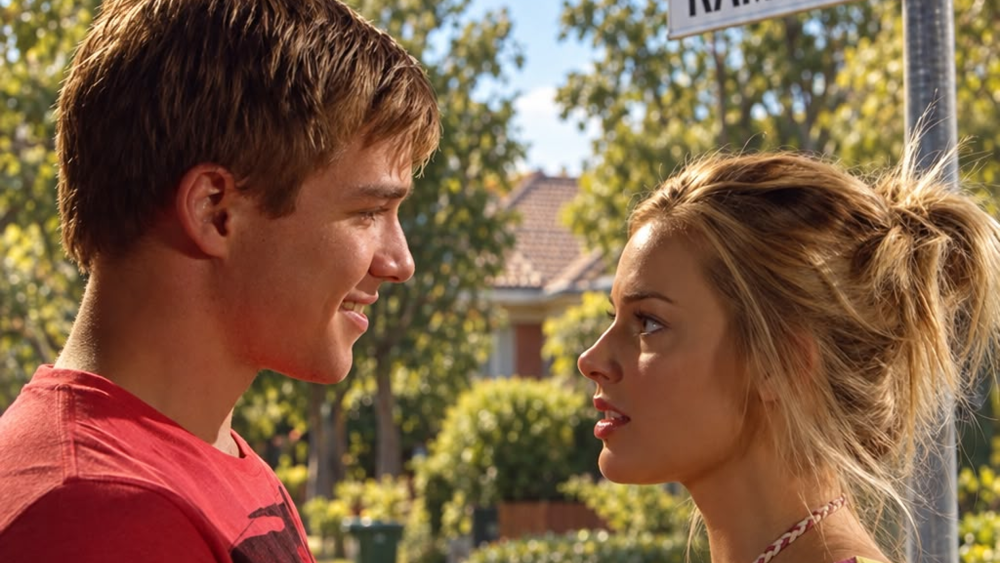
Also Worth Watching
Elsewhere this week, Upworthy launched Upworthy Studios, led by Sarah Yourgrau, to develop entertainment from its existing social audience; Screenburn opened a marketplace for production-ready microdrama scripts, using its own retention scoring system to qualify projects; and in China, 224 Class I microdramas were filed in September, a second consecutive monthly record, with broadcasters and state-backed organizations accounting for 25 projects.
Taken together, they point to three smaller shifts worth tracking: digital audiences moving upstream into development, microdrama infrastructure forming around pre-production, and China’s supply base continuing to broaden.
Further Reading
Amazon, Disney, Netflix All Have Vertical Feeds Now. What Happens to the Rest of the Industry? - RoseBerry’s latest Neighbours deal builds on a shift Real Reel tracked in May, when the company entered the market with library agreements covering major international television distributors.
 Real Reel
Vertical Drama Didn’t Come From TV. It Came From TikTok. - As Hoorae and TikTok move from one successful vertical into a broader scripted relationship, this earlier Playbook looks at why the format’s underlying grammar came from social platforms rather than traditional television.
 Real Reel
✱