YouTube introduced seasons and episodes for Shorts as microdrama viewing surged, while MACRO and MANSA formed a joint vertical development and financing partnership. Jeffrey Katzenberg announced plans for an AI animation studio, SISTER invested in brand-led entertainment, and new production and monetization models emerged across the U.S. and China this week.
⦿⦿
The interesting part this week was not another round of companies “entering” vertical, AI or creator-led entertainment.
It was what they changed once they got there.
Week of Sep 21-Sep 27, 2026
Mobile-first entertainment used to describe where audiences were watching.
Increasingly, it describes what entertainment companies are reorganizing themselves around.
Audiences already move freely between social feeds, streaming platforms, televisions and dedicated apps. The more interesting change is happening behind the screen: development, financing, production and distribution systems are beginning to follow them.
Mobile-first is becoming less about the device, and more about how the entertainment business responds to audience behavior.
YouTube gives Shorts seasons and episodes
YouTube introduced Shorts Series at Made on YouTube this week, allowing creators to organize Shorts into seasons and episodes, with custom thumbnails and sequential playback. The feature is rolling out across mobile, web and TV.
The numbers behind the announcement are just as important. YouTube says microdramas generated more than 6.5 billion views in the first half of 2026, with watch time up more than 50% year over year. Views of microdrama content on TVs rose more than 90%. That complicates the usual definition of mobile-first: a format can be designed around the phone without staying there. YouTube is now giving serialized short-form content some of the navigation and viewing structure traditionally associated with television.
Mobile-first may describe how a story is designed, not where it ultimately gets watched.
 Kurt Wilms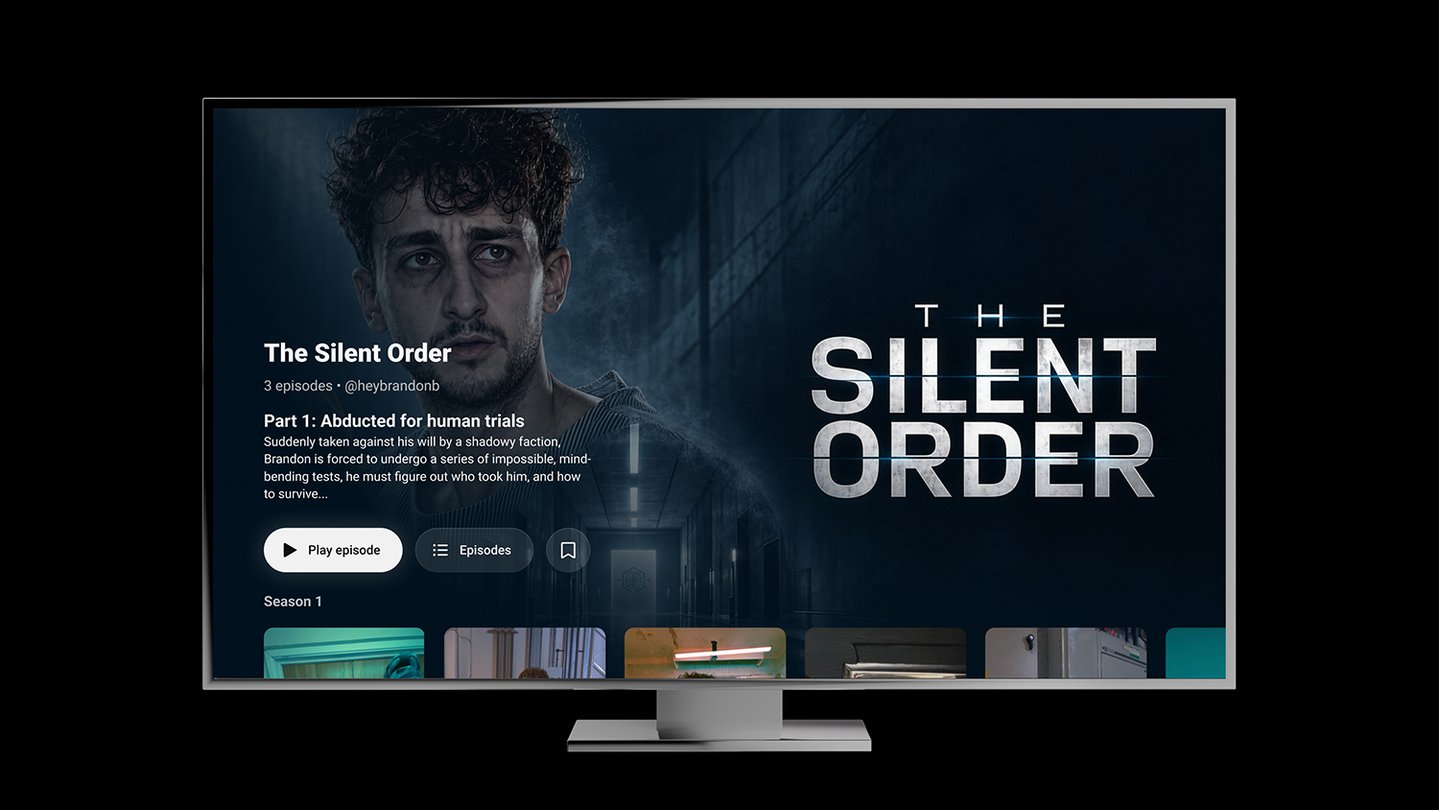
MACRO and MANSA turn vertical into a development and IP partnership
MACRO Television Studios and MANSA Studios are partnering to develop, finance and produce vertical series. The companies will jointly develop, market and promote projects and share ownership of the underlying IP, with MANSA bringing its existing mobile-first production experience into the partnership.
That ownership structure makes the deal more interesting than another Hollywood producer testing microdrama. MANSA has already been building its own vertical slate and distribution system; MACRO brings traditional television development, production relationships and a broader media business. Here, vertical is being treated as something worth developing and owning from the start, rather than content commissioned for someone else's app.
Hollywood's next step into vertical may be less about production volume than who owns what gets created.
 Marc Alexander
Jeffrey Katzenberg wants to build an AI animation studio
Jeffrey Katzenberg told TheWrap that he plans to create a new venture focused on animated film and television made with AI, pairing filmmakers with AI production resources. He described the eventual structure as either a digital platform or an actual studio, with animated features and television among the intended output.
For now, this is a plan, not an operating studio: there is no announced company, slate, financing structure or technology partner. But Katzenberg has spent much of his career building animation businesses, from Disney's animation revival to DreamWorks Animation. His move matters because the question is shifting from whether individual filmmakers can make AI films to whether an entertainment company can be designed around AI production from the beginning.
The next AI experiment may be the studio itself.
 Sharon Waxman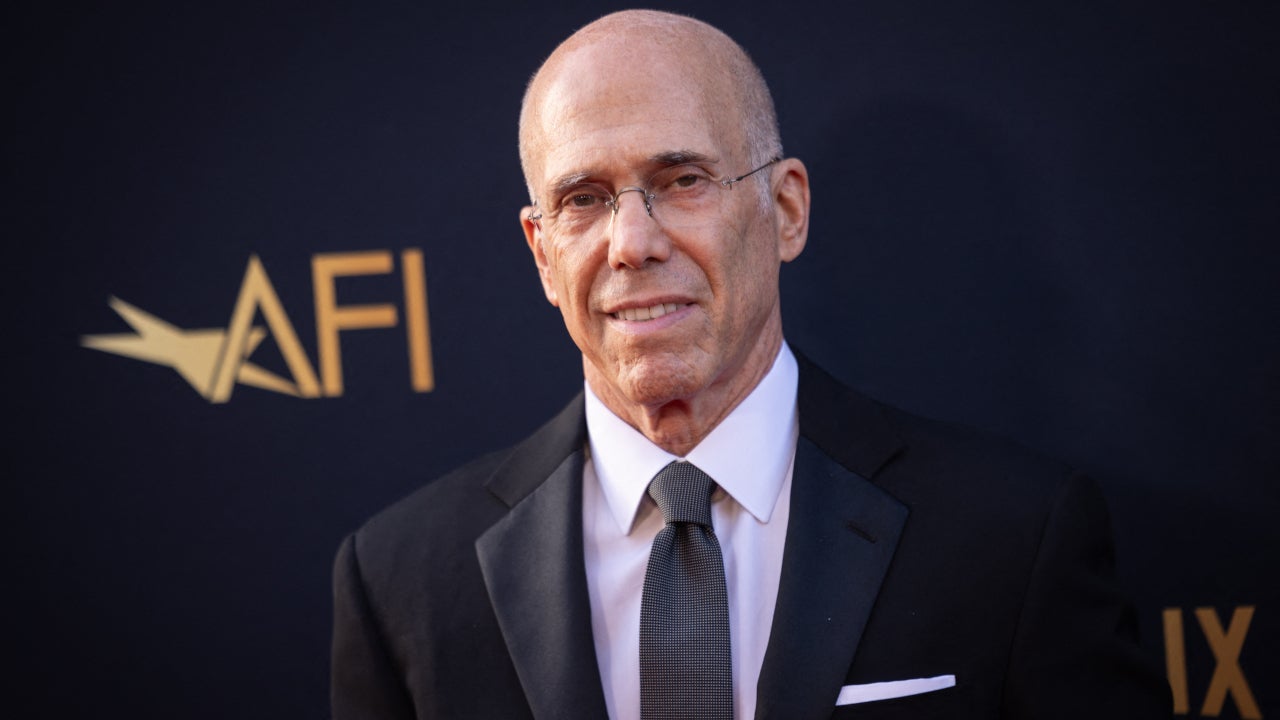
SISTER invests in Common Interest's brand-led entertainment model
SISTER Group, the studio co-founded by Elisabeth Murdoch and Jane Featherstone, has taken a minority stake in Common Interest and formed a strategic partnership to develop audience-led IP with brands involved from the start. The companies say projects are already in development across formats including film, television, podcasts and live experiences.
Common Interest already includes Baby Teeth, which recently produced the Jamie Oliver microdrama Finding Jamie with Life360. The new partnership pushes the model further upstream: rather than bringing a brand into finished entertainment, the two companies want to test what happens when commercial partners, audience strategy and IP development are considered together at the beginning.
Brand money is moving closer to development and IP.
 Common Interest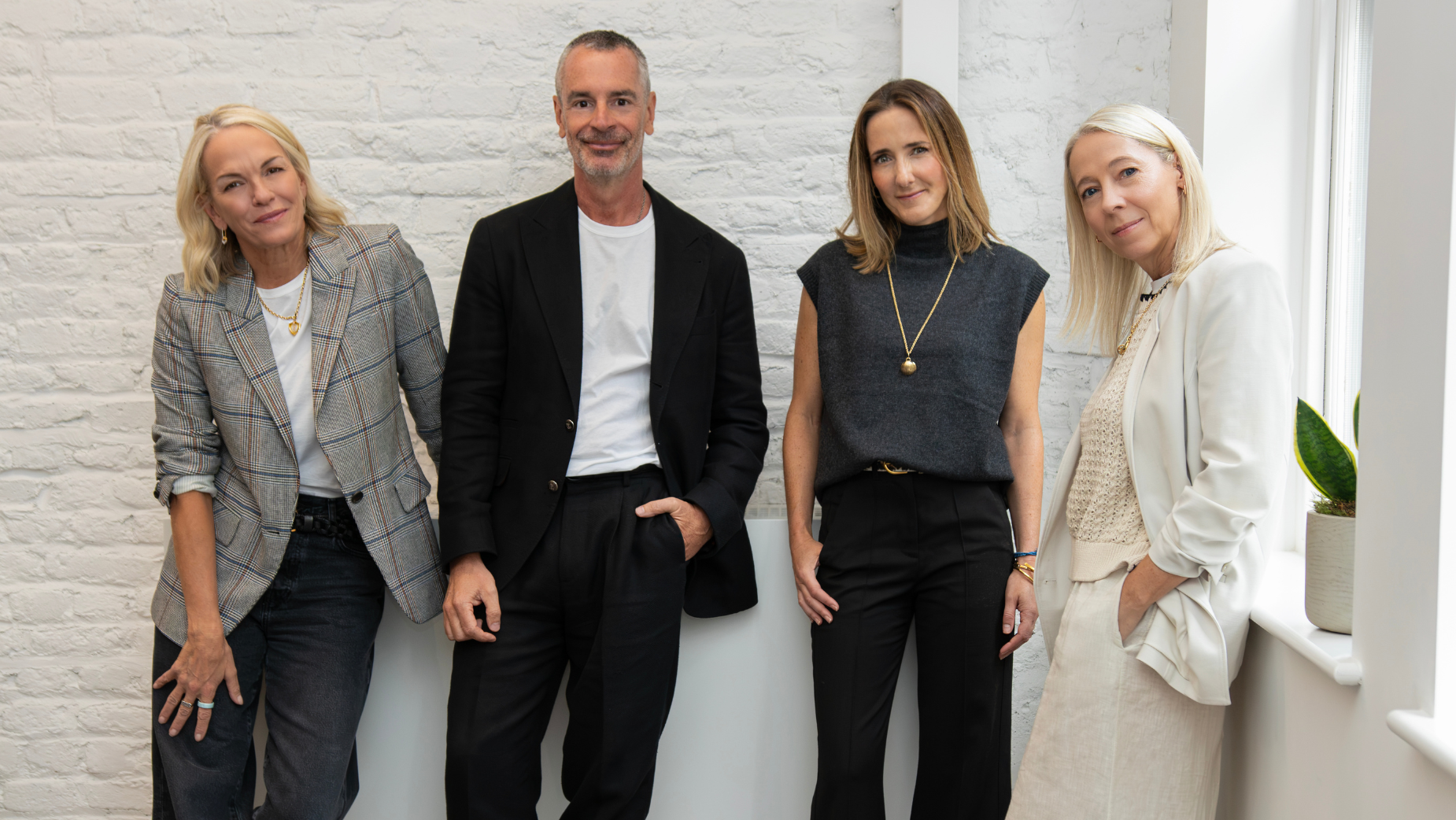
HeyRuby lets creators launch before the season is finished
HeyRuby introduced a self-service publishing model this week that allows microdrama creators to launch once they have six completed episodes, then continue releasing episodes on a regular schedule instead of financing and completing a traditional 40-, 50- or 60-episode season first.
The company says creators receive 70% of ticket revenue, rising to 80% for exclusive content, with 100% of viewer tips going to creators. Those are HeyRuby's own published terms, and the platform is still small. But the production logic is worth watching: make enough to launch, measure audience response, generate some revenue, then decide how much more to produce. That looks much closer to the creator economy than the current full-season microdrama model.
The test comes before the full production spend.
 Hey Ruby/Real Games Media Team
CAKES Body launches its own media company
Social-first consumer brand CAKES Body launched CAKES Media, an entertainment arm focused on original programming and owned media. Its first release, the YouTube documentary Viral: The New American Dream, arrived September 22 alongside episodic short-form social content, with further programming already in development.
CAKES says it generated more than $100 million in gross sales over its first three years, largely through a social-first strategy. The media venture is an early test of whether the same audience relationship that helped build a consumer company can support entertainment people choose to watch independently of the product. It is too early to call CAKES a studio in the traditional sense, but the direction is clear: the brand wants to own more of the content around its audience.
Some social-first brands now want to own the entertainment too.
 Jennimai Nguyen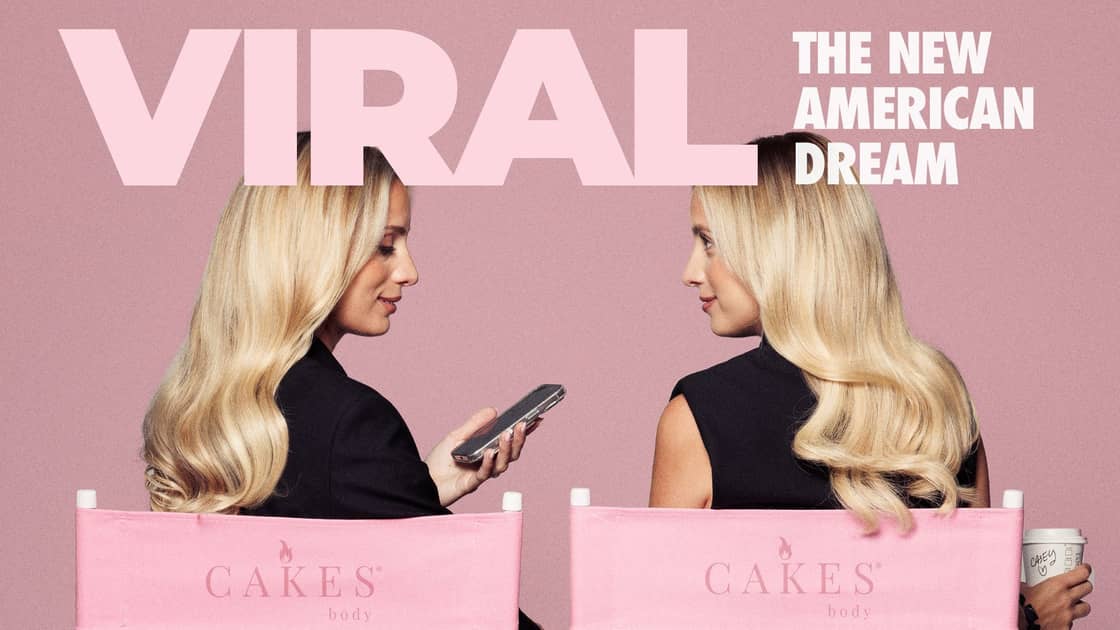
Paramount–Warner Bros. settlement puts production into the merger terms
Paramount Skydance reached a settlement with California and 11 other states over its proposed Warner Bros. Discovery acquisition, removing a major legal obstacle to the transaction, subject to court approval. The agreement includes five years of enforceable production commitments: 30 films annually for the first two years, rising to 32, plus at least $1.5 billion in additional U.S. film-production spending over 2025 levels across five years. A separate $47.5 million workforce fund would support workers affected by the merger.
The settlement does not resolve the broader debate over Hollywood consolidation; critics argue that behavioral commitments do not address the loss of competition created by combining major studios. For the production business, however, the unusual part is concrete: film output, domestic spending and labor protections have become enforceable conditions attached to a major media merger.
Production itself has become part of the merger negotiation.

WeChat ties microdrama incentives to viewing time
WeChat Open Platform and WeChat Marketing announced new incentives for microdrama Mini Programs beginning October 16. Programs using WeChat's smart hosting system and reaching an average viewing time of at least five minutes can qualify for incentives of up to 70%, including cash and advertising credits. Selected new dramas jointly distributed through WeChat's official microdrama program can reach up to 100% in combined incentives when average playback exceeds ten minutes.
The percentages will get attention, but the metric underneath them is more revealing. WeChat is rewarding time spent watching, not simply views or uploads. In a super-app that already combines discovery, advertising, payment and Mini Programs, that gives producers a direct economic reason to optimize for sustained viewing.
In mature microdrama markets, retention is becoming part of the payment system.
This Week's Take
There is no single business model connecting these eight stories.
YouTube is redesigning a platform. MACRO and MANSA are sharing IP. Katzenberg is thinking about a new production company. SISTER is putting capital behind brand-led development. HeyRuby is changing when creators need to finance a season. CAKES wants to turn a social audience into a media asset. WeChat is attaching money to viewing behavior. Paramount's settlement reaches all the way back to how much production a merged studio must actually make.
What connects them is simpler: the format is no longer the only thing changing.
The companies, financing structures, release models and distribution systems around the content are changing with it.
The next phase of emerging entertainment may be defined less by new formats than by the companies built around them.
Further Reading
TikTok Is Not a Vertical Drama Platform. But It's Working On It — A closer look at what happens when a social-video platform starts building infrastructure around serialized storytelling.
 Real Reel
The Quiet Takeover: How AI Is Rewriting the Short Drama Playbook — Real Reel's earlier look at AI moving from a production tool into the wider short-form entertainment pipeline.
 Real Reel
✱