Vertical drama runs on outsized moments — reveals, rescues, reversals — to carry a relationship across dozens of short episodes. This review of ReelShort's Bound by Duty, the third adaptation of Cora Reilly's Born in Blood Mafia Chronicles, examines when that engine strengthens a romance, and when it quietly replaces one.
⚈ ⚈
By the third adaptation, ReelShort knows how to recreate the events. The romance is another matter.
-
Review by Amy
The setup is familiar mafia-romance shorthand: a grieving boss, an arranged wife, a dead first love, a secret from her previous marriage nobody's supposed to find out about. If you've watched enough mafia romances, you already know the ingredients.
Vertical drama loves a good emotional disaster.
Bound by Duty prefers three before lunch.
Most vertical romances run on a fairly simple engine: the relationship advances because something forces a character to make a new emotional choice. Bound by Duty runs on a different one. Instead of letting conflict build scene to scene, it keeps manufacturing large, self-contained set pieces and asking them to do the relationship's work by sheer scale — an elaborate seduction scheme staged like a heist, a casino under siege, a secret detonated and defused almost in the same breath. Each one is a perfectly good vertical-drama event on its own. Strung together, they start to feel less like two people changing each other and more like two characters being moved from one trope station to the next.
The set-piece engine isn't a flaw unique to this show — it's one of the two or three default mechanisms modern vertical drama runs on, and it's not hard to see why.
A big swing gives you a built-in cliffhanger, a thumb-stopping moment, a reason to tap through to the next episode without needing three scenes of setup.
Used well, it's almost perfectly engineered for the format. The problem shows up when the event stops tracking anyone's psychology and starts existing purely to refill the plot. Eventually the audience stops asking what happens next and starts asking why any of it is happening at all. Bound by Duty leans so hard on the mechanism that its heroine, Valentina, becomes legible mainly through what's happening to her rather than what she wants. She spends so much time reacting to the plot that it's surprisingly difficult to tell who she is when nothing is happening.

▙ ▙
A wound needs a defined shape before a writer can spend it.
Amy
You can see the same engine handled three different ways across this franchise. Bound by Honor, which is named one of the best vertical dramas of 2025, kept every set piece — however big — pointed at one unmoving question: will these two end up together. Bound by Love swapped that discipline for something else, leaning on intimacy to generate momentum in a way our review at the time flagged as a weaker substitute for actual desire. Bound by Duty makes its own version of the trade: bigger, more elaborate events standing in for emotional throughline. Three adaptations.
Three different ways of weakening the emotional throughline that made the first one work.
It isn't that the events themselves are the problem.
A seduction scheme staged as a heist is a genuinely fun premise for this genre — vertical drama should be able to swing that big.
What derails it is execution that never quite answers the questions the premise itself raises, so the spectacle ends up doing a job the character motivation should have been doing instead. Later in the series, a rival organization storms one of Dante's properties looking for him and ends up making contact in the least efficient way possible — the kind of sequence where the plot mechanics get so loud you stop tracking anyone's objective and start tracking the screenplay's. Organized crime, it turns out, is not exempt from questionable logistics.

▙ ▙
A set piece can get us to the next episode. Only the relationship gets us to the ending.
Amy
There's a craft lesson underneath that, too: a wound needs a defined shape before a writer can spend it. Valentina's first marriage, to a man who couldn't desire her, could have produced any number of specific injuries — a fear of rejection, a fear of humiliation, a sense of having been deceived. Those are three different engines, and Bound by Duty treats them as interchangeable, which means later behavior that's supposed to feel like a natural extension of that wound instead reads as the plot needing her to do something.
To its credit, the show does occasionally let the set-piece machinery serve character instead of the reverse. In one quieter beat, Valentina spots an error in Dante's books before he does, and he starts registering her as someone with value beyond beauty and vulnerability
a real, useful shift in a genre that too often keeps its heroines waiting to be rescued.
It's staged conveniently enough that you can see the writer positioning the pieces (one assumes organized crime has a finance department), but
the instinct is sound, and it's a good reminder that the smallest scene in the show is doing more character work than the biggest one.
None of this is an argument against formula. Grieving boss, arranged marriage, dangerous ex, dead first love — these tropes exist because they work, and vertical drama is unusually good at using them as shorthand.
But shorthand is only worth what the audience still understands about the person underneath it.
A set piece can get us to the next episode.
Only the relationship gets us to the ending.
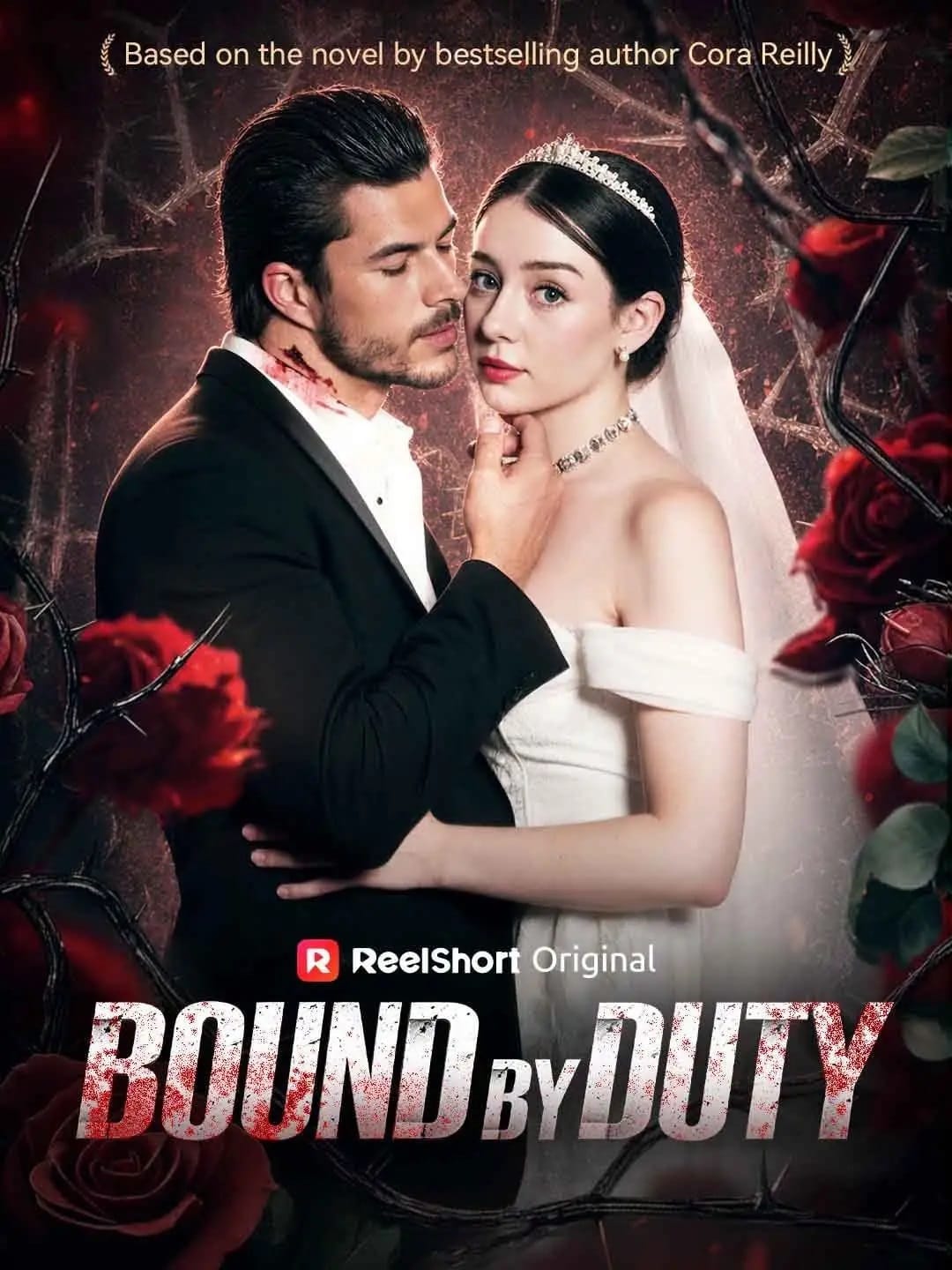
Available on ReelShort
Images used in this article are sourced from the public internet and are presented for editorial context only. All rights remain with their respective owners.
Credits
Written by Amy
Design & Motion by VØYD
Further Reading
- Bound by Love (ReelShort) Review - Our review of ReelShort's first sequel, examining how the story shifts its narrative engine from desire to intimacy as the plot expands.
 Amy
Amy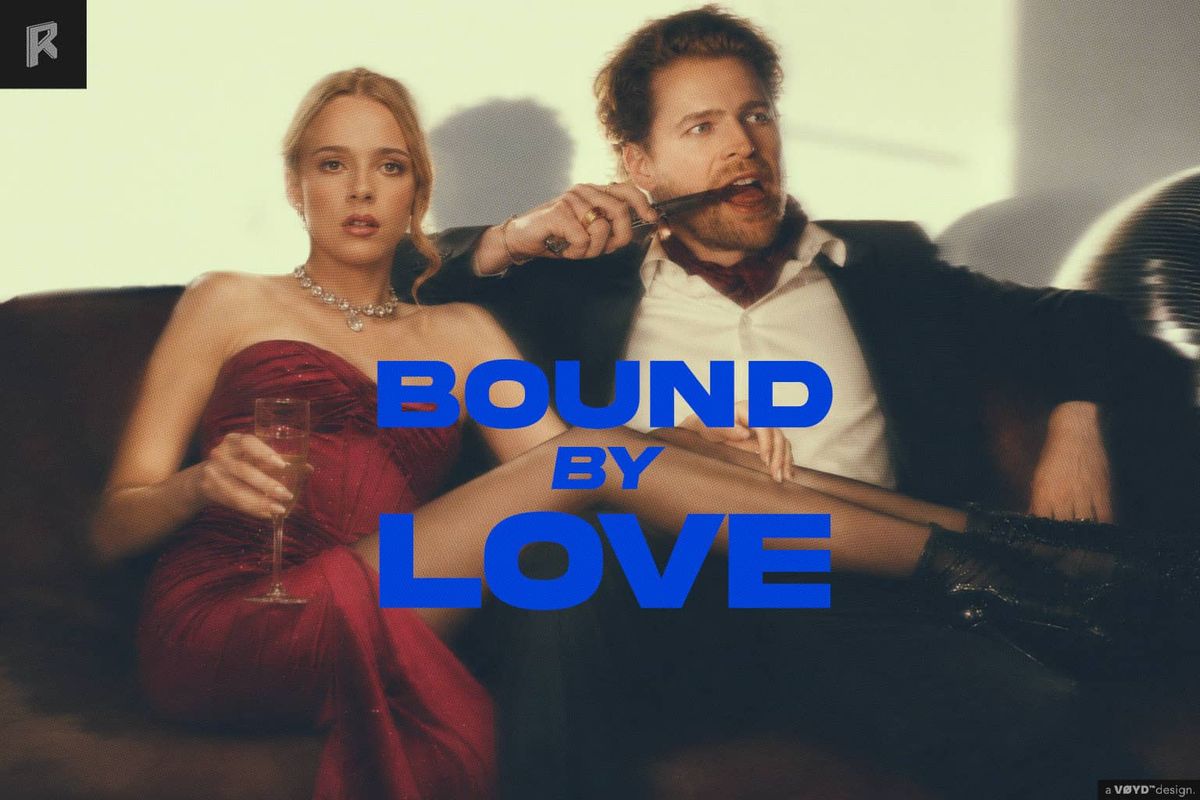
- Vertical Drama Does Not Usually Make Sequels: ReelShort's Bound by Love Production Insight - ReelShort's Head of Content and Senior EP walk through the greenlight, script and set decisions behind building a sequel in a format built for one-and-done hits.
 Real Reel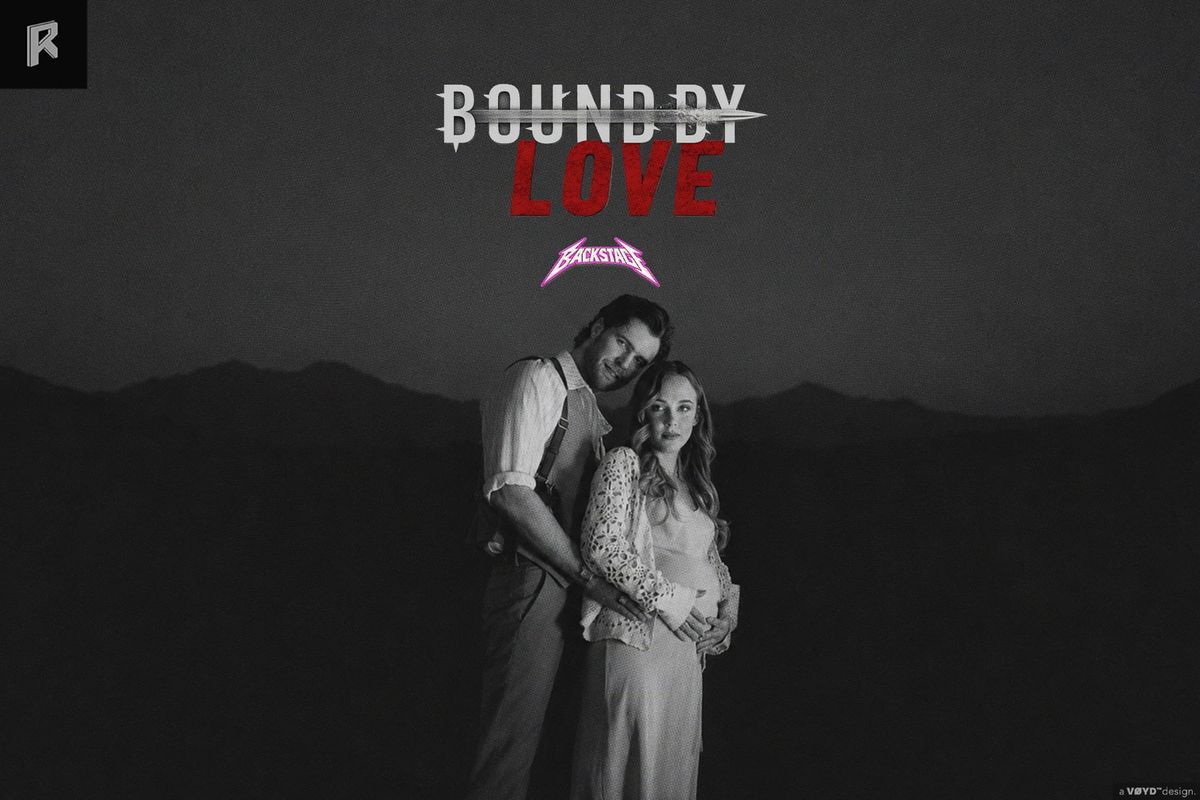
✱