Industry analysis of the global vertical drama and microdrama market.
⦿⦿
This week's expansion didn't come from platforms. It came from producers who decided vertical was already where their IP lived.
Week of Jun 8-14, 2026

This week in vertical drama and microdrama, the format attracted a new class of participant. Bradley Bell — the Emmy-winning creator of The Bold and the Beautiful — founded a microseries studio. The Jamie Oliver Group entered vertical video production. Brands arrived at Cannes Lions with microseries commissioning budgets. And European markets signalled active local infrastructure in Germany and Belgium simultaneously. The production layer of the industry expanded faster than the platform layer this week.
Bradley Bell × aTwist: The Creator of The Bold and the Beautiful Launches a Microseries Studio
On June 11, Variety broke the exclusive: Bradley Bell — 16-time Emmy winner and head writer of CBS's The Bold and the Beautiful for over three decades — is producing his first microseries, Hollywood Starlet, for aTwist (formerly MicroCo), the US platform founded by Jana Winograde, Susan Rovner, and Lloyd Braun. Bell is producing with his son Oliver Bell through Red Flair Entertainment, a company they founded specifically for vertical series. Season 1 comprises 44 episodes of 90 to 120 seconds, launching mid-August at Sunset Las Palmas Studios. The cast draws from established microseries talent: Bella Mraz, Molly Anderson, and Eric Guilmette, who also co-produces. By June 14, Deadline reported from the Monte-Carlo Television Festival that Season 2 is already in development before Season 1 has aired.
Bell did not produce a single microseries title as an experiment. He founded a studio. That distinction — committing a production infrastructure to the format rather than testing it — is the signal.
When the architect of one of American television's longest-running soaps formalises a move into microseries, the format's creative legitimacy with Hollywood's working production class advances in a way that press coverage alone cannot manufacture.
 Michael Schneider
Jamie Oliver Group × Baby Teeth: A Lifestyle IP Company Enters Vertical Production
On June 9, Deadline reported exclusively that the Jamie Oliver Group is developing a microdrama with UK creative company Baby Teeth, shooting in the UK this month with a global consumer technology brand as co-partner. An official announcement is expected imminently. The project sits inside a broader strategic reset at Jamie Oliver Group, which has appointed a new Brand Director and is shifting toward formats, IP, and digital-first content after internal restructuring last year.
The Jamie Oliver Group is not a platform or a vertical studio. It is a lifestyle media and IP company that has decided to produce original scripted vertical content — as a primary format choice, not a distribution experiment. That entry category has not been common until now.
A legacy lifestyle IP company developing a vertical microdrama in partnership with a global tech brand is a signal that branded microseries is becoming a serious format choice for non-entertainment companies with owned IP and direct audience relationships.
 Jesse Whittock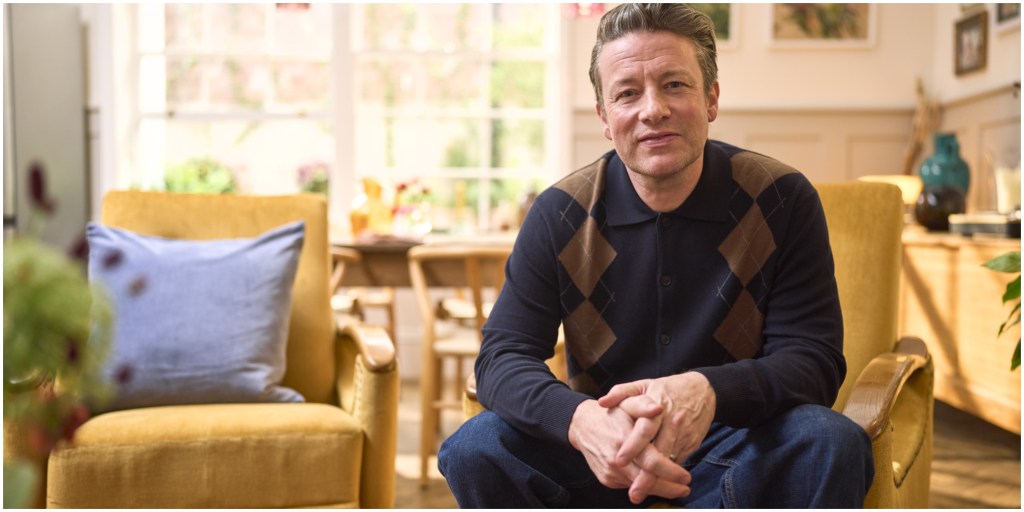
Versant Media × GammaTime: The Last Major US Cable Group Enters Microseries (Catch-Up)
Announced June 3 — reported here as the story continued developing this week.
Versant Media Group — the Comcast spinoff controlling USA Network, Syfy, E!, and CNBC — has taken a minority stake in GammaTime as part of the platform's Series A. The deal goes beyond investment: Versant and GammaTime will co-develop original vertical series drawing on Versant's IP library and brand portfolio. GammaTime, founded by former Miramax CEO Bill Block, raised $14 million in seed funding in October 2025 from investors including Alexis Ohanian, Kris Jenner, and Kim Kardashian. The Series A adds institutional media weight to that roster.
Versant follows Fox, Peacock, BET, and Disney — all of whom made formal moves into microseries in the preceding months. Unlike those deals, the Versant arrangement explicitly pairs capital with IP access and co-development.
Every major US cable media group has now made a formal move into microseries. The question has shifted from whether legacy cable will participate to how each company's IP library will be converted — and which platforms will control that conversion.
 Jordan Pinto
Variety × Cannes Lions: Brands Are Commissioning Microseries as an Advertising Format
On June 10, Variety published a pre-Cannes Lions analysis documenting brands including P&G, Crocs, and Maybelline moving into microseries as a primary marketing vehicle — not influencer content, but serialised branded storytelling with cliffhangers and paywall mechanics. John Attard of AI production startup Framewerx told Variety: "Every conversation I've had recently is about microdramas and virtual product placement. Brands want control, and they want quality." Cannes Lions has formally scheduled a session titled "The Microdrama Boom" for June 24, listed under its Creator Pass programme, with Second Rodeo's Keenan Brown and Hannah Stocking among the confirmed speakers.
Brand advertising entering microseries as a commissioning source — not just a monetisation layer — creates a production funding pathway independent of platform deals.
For studios and creators, advertising budgets as a commissioning source means a new buyer category with different creative constraints and different budget structures than platform licensing. That changes the production negotiation entirely.
 Todd Spangler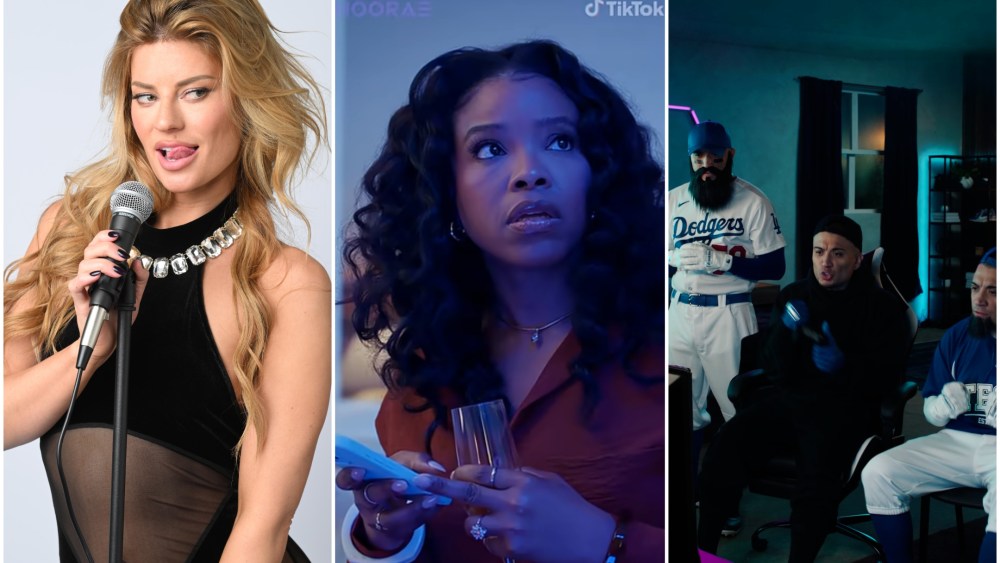
SerienCamp 2026: Europe's Largest TV Conference Adds a Dedicated Microdrama Track
SerienCamp — Germany's leading television industry conference, running June 9–11 in Cologne — introduced a dedicated microdrama strand this year for the first time: "Turn The Screen? Vertical & Microdrama and the Future of Storytelling," a three-hour session on June 10. C21Media reported from the conference that Germany's first AI-powered microdrama studio, Deep Sauce Labs, announced its forthcoming platform Badaboom. Separately, Belgian production company Dedsit disclosed it is currently producing 20 microdramas for Play Shorts — one of the largest single commissioned slates in production in Europe.
SerienCamp is not a fringe event. It is where European broadcasters, streamers, and producers set their format agenda. A dedicated track at this conference means European commissioning conversations about vertical drama are now happening at an institutional level.
Germany and Belgium both signalled active local production infrastructure in the same week. European markets are moving from observation to production — and doing so through existing TV industry channels, not new vertical-specific platforms.
 Scott Roxborough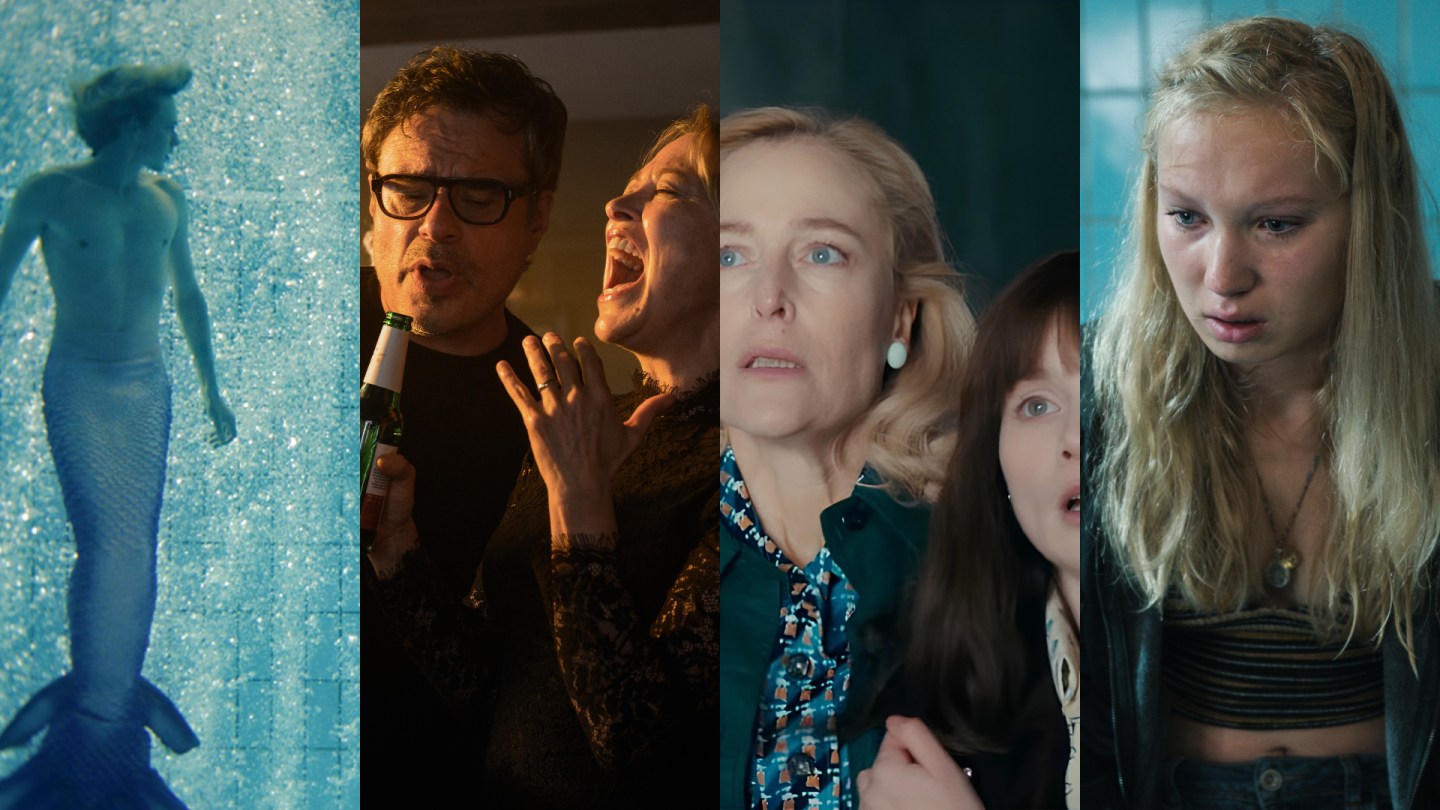
APOS 2026: DramaBox and ReelShort Called the Most Profitable Streamers in Asia
Variety's interview with Vivek Couto, CEO of Media Partners Asia, published ahead of the APOS summit in Bali (June 16–18), contained the week's most cited data point: DramaBox and ReelShort together generate combined annualised revenue of close to $1.5 billion, with most users in the US. Couto described them as rare exceptions in the streaming landscape — genuinely profitable, at scale — and placed microdrama alongside AI as the two structural forces redefining Asia's media business. APOS has scheduled a dedicated panel, "Inside the Micro-Drama Pipeline," for its second day.
The $1.5 billion figure is the most authoritative combined revenue disclosure to date, coming from MPA rather than from the platforms themselves.
For investors and platforms still modelling whether microseries can generate sustainable returns, MPA's confirmation that the two leading platforms are profitable at combined $1.5 billion annualised revenue removes a key uncertainty from the equation.
 Naman Ramachandran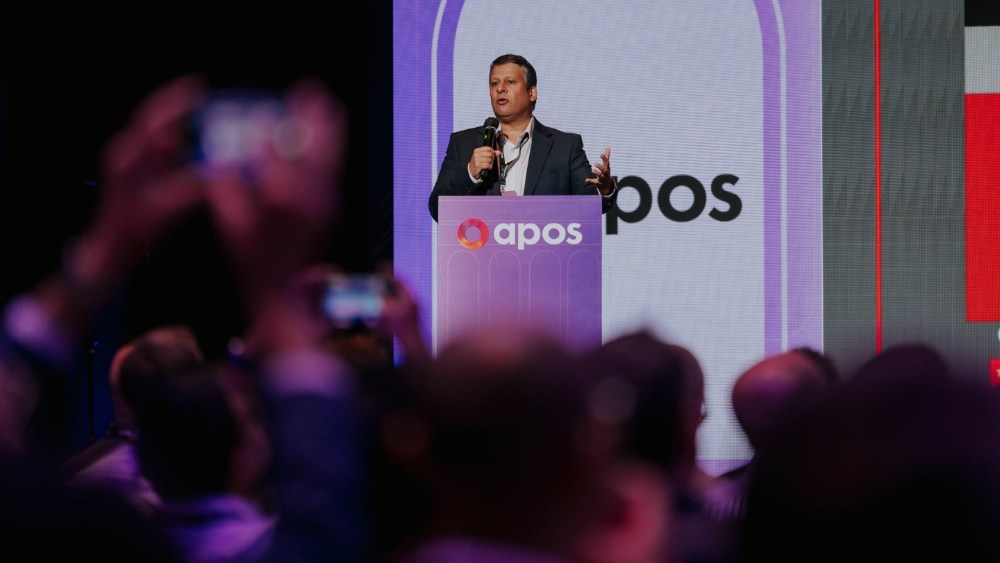
✱