Industry analysis of the global vertical drama and microdrama market.
⦿⦿
Five completely different companies made the same decision this week: build vertical, not around it.
Week of Jul 27-Aug 02, 2026
This week, vertical video moved from experiment to default infrastructure across five unrelated companies. Story TV committed to 1,000 South Indian microdramas. HBO Max launched a vertical discovery feed. NBC's Tonight Show beat Comedy Central to the first late-night microdrama. Xfinity commissioned its own vertical reality series through NBCUniversal. And Global Mofy's earnings revealed what scaling AI-native content actually costs.
HBO Max: last major streamer joins vertical discovery
HBO Max launched "HBO Max Shorts" and an AI-powered conversational search tool, "Ask HBO Max," on July 28 — a vertical, scrollable feed surfacing clips and scenes from its library to help subscribers find something to watch. The clips are generated with an in-house AI tool using scene-level metadata, with human editors selecting and verticalizing the final content. Both features are in limited testing with select US users.
The launch makes HBO Max the last major streamer to deploy a vertical discovery feed, following Netflix's Clips, Disney+'s Verts, and Peacock's own mobile-first push — closing a loop that began well over a year ago.
Every major streamer now has a vertical feed. The format didn't win the argument — it won by default.
 Aisha Malik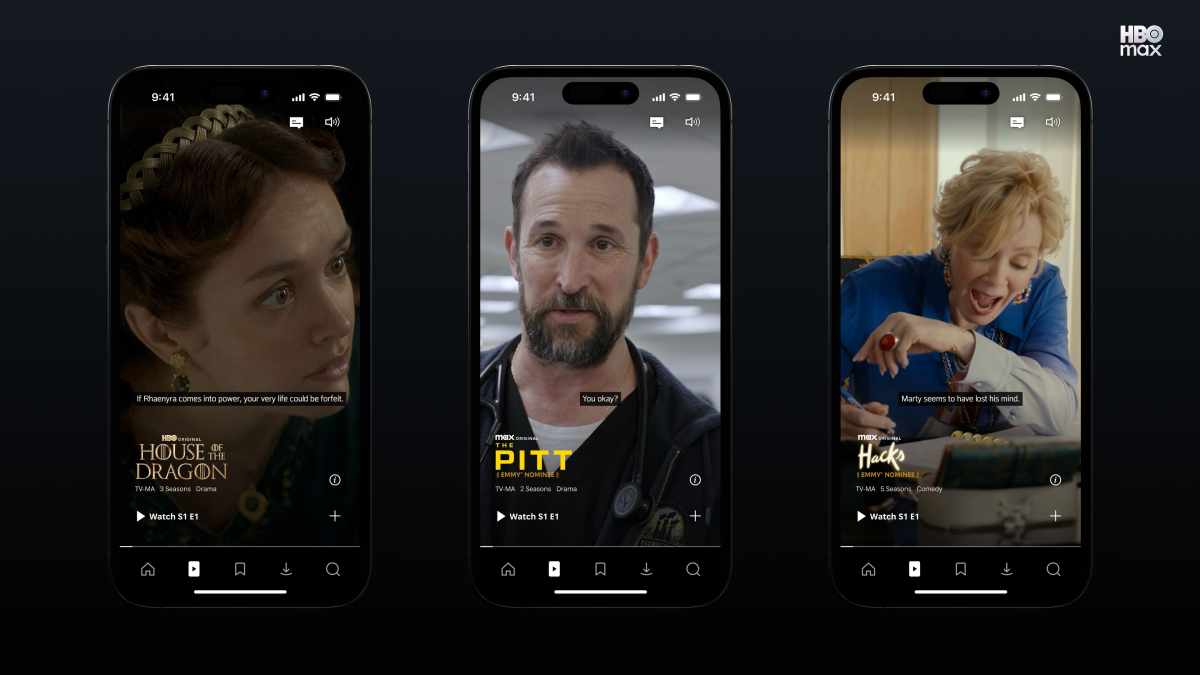
The Tonight Show: NBC beats Comedy Central to the first late-night microdrama
The Tonight Show Starring Jimmy Fallon launched its first microdrama, Who Billionaire? Me Billionaire, on July 27 — beating Comedy Central's The Daily Show to air by over a week, despite Comedy Central announcing its own microdrama first, on July 21. Written by A.D. Miles, the vertical soap spoof stars Fallon alongside John Stamos, established microdrama actor Kasey Esser, Tonight Show writer Rose Kelso, and TIME100 creator Delaney Rowe. The series was filmed in a single day during a scheduled day off and posted to TikTok, YouTube, and Instagram, alongside Peacock's newly launched microdrama section.
The two late-night franchises are now racing on parallel, undeclared tracks: Comedy Central announced first, but NBC shipped first, using its existing production infrastructure to turn the format around inside a week rather than developing it as a discrete production. The first episode topped 900,000 views on TikTok within days.
Comedy Central announced a microdrama. NBC just launched one — and speed, not originality, decided who got there first.
 Jed Rosenzweig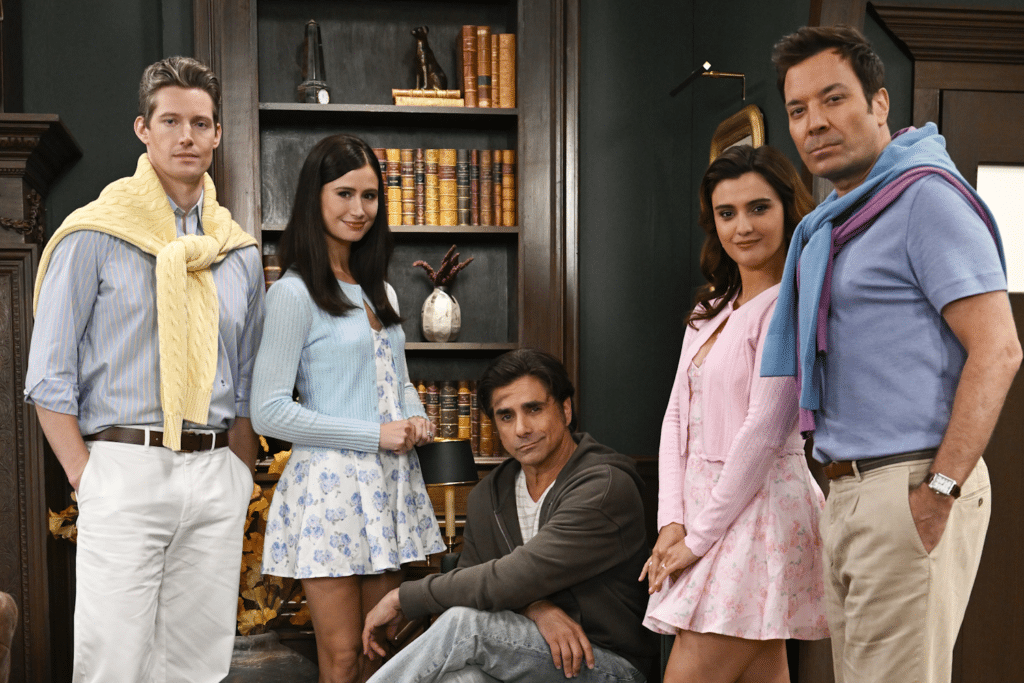
Story TV: 1,000 originals bet on South India's four languages
Story TV, the microdrama platform owned by Eloelo Group, announced on July 30 its largest regional investment to date: more than 1,000 original vertical dramas across Telugu, Tamil, Kannada and Malayalam by March 2027. South Indian users already average 95 minutes daily on the platform, with Hyderabad, Chennai, Bengaluru and Kochi among its top-performing cities, and existing South Indian titles have crossed 250 million views. The slate brings on regional talent including director Alagar, cinematographer Laxman Kumar and Nandi Award-winning cinematographer Om Prakash.
The move marks a shift from Hindi-first national scaling toward language-specific regional production — a bet that vertical drama's next growth curve in India is won city by city, not through a single national catalog.
Story TV isn't localizing content for South India. It's building four separate production pipelines to earn it.
 Authors Corner
Xfinity: telecom brand builds its own vertical reality series
Comcast's Xfinity announced "Best in Class" on July 29, a seven-episode vertical reality competition produced exclusively for Instagram and TikTok. Six college creators compete for a six-figure Xfinity brand partnership, hosted by TIME100 Creator Katie Feeney. The series is produced by NBCUniversal's Rock Studios and premieres August 5, with weekly episodes.
This isn't Xfinity sponsoring existing creator content — it's a telecom brand commissioning original vertical IP through a major studio's in-house production arm, following branded microdrama plays from Albertsons and P&G, but at NBCUniversal-backed production scale.
Xfinity didn't sponsor a creator series. It commissioned one, and put NBCUniversal's own studio behind it.
 Brian Steinberg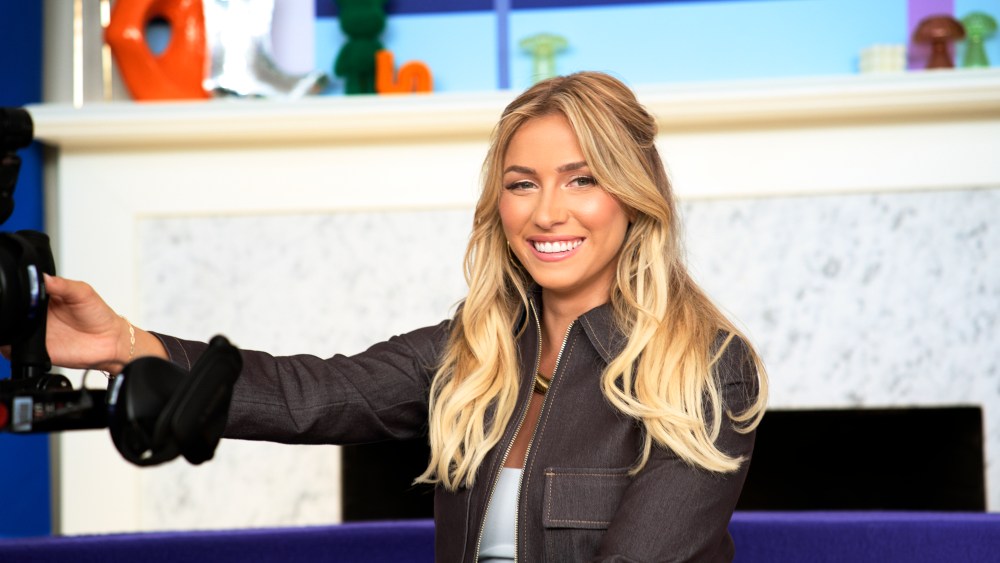
Global Mofy: AI production revenue climbs, so do the losses
Chinese AI virtual-production company Global Mofy (Nasdaq: GMM) reported on July 28 that revenue for the six months ended March 31, 2026 reached $39.9 million, up 49.4% year-over-year, partly driven by a new AI digital-asset sales business. R&D spending nearly tripled to $14.4 million, and the company continues short-drama co-production under its Mofy Clips brand with China Literature.
The growth came at a cost: gross profit fell 27.9% to $8.5 million, and cash and restricted cash stood at just $2.8 million at period's end — a rare public financial snapshot of what scaling AI-native short-drama production actually requires, not just what it earns.
Revenue climbing while cash reserves shrink to $2.8 million is the clearest sign yet that AI production's unit economics aren't solved.
 Stock Titan Editorial Team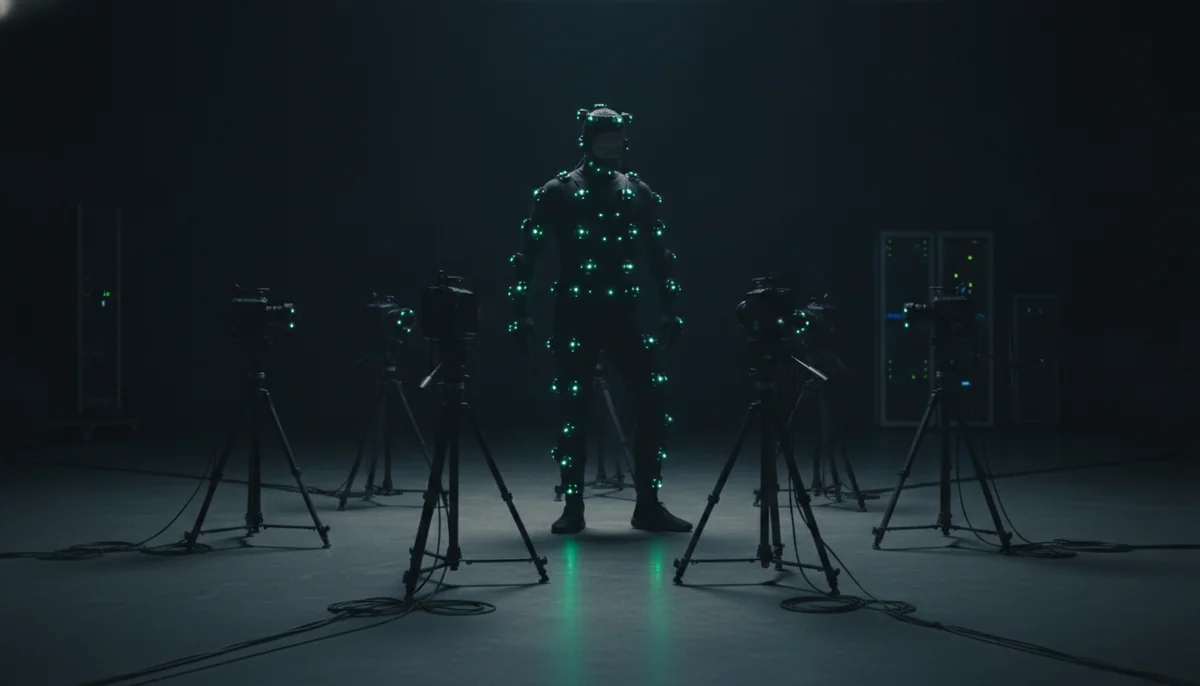
World 1: Mark Cuban-backed sports company builds "Microsports" for the feed
World 1, a sports-entertainment company whose founders include Mark Cuban, Abu Dhabi holding company Palms Sports, and ten Olympic medalists, unveiled "Microsports" this week — entirely original athletic competitions where world titles are won or lost in roughly 30 seconds, engineered specifically for vertical video. The company is launching with two events, "Fastest" and "Strongest," with CEO Brett Morris framing the approach as building sports "for the phone" rather than adapting legacy competitions into shorter clips. World 1 has also created "World 1 Arena," a modular stage designed to drop into large indoor venues in any major city.
Rather than repackaging existing sports into vertical highlights — the approach most leagues and broadcasters have taken — World 1 is attempting to originate a sports category natively for the format, monetizing through sponsorship and licensing rather than subscriptions.
Everyone else is cutting existing sports down to fit a phone screen. World 1 is trying to build sports that never needed cutting down.
 Tony Maglio
China: AI virtual couple returns for a sequel microdrama
The AI-generated virtual pairing from the hit AI comic-drama known in English as Your Deep Affection Invades My Remaining Life — which racked up 2.5 billion views across four seasons in a single month after its June launch — returned on July 28 with a sequel series, titled in English as After the Breakup: Male and Female Perspectives Collide, reported by Sina. The announcement drew renewed online attention to "virtual CP" content, with the sequel gaining 290,000 likes within half a day and more than 124,000 saves within three hours of release, according to the report.
The pairing's continuity as a recurring "couple" across separate AI-generated titles — rather than a one-off character or single series — points to virtual performers being treated as reusable, franchisable assets in China's AI short-drama pipeline, mirroring how human stars build followings across multiple projects.
An AI pairing getting a sequel isn't a technical milestone anymore. It's a franchise decision.
 影像拾遗集
影像拾遗集
✱