Vertical Drama Review: The Summer I Turned My Sexiest (2026)
GammaTime’s latest vertical drama highlights a key industry tension: relatability is rising, but emotional structure hasn’t caught up. As microdrama evolves, casting alone is no longer enough to sustain audience investment.

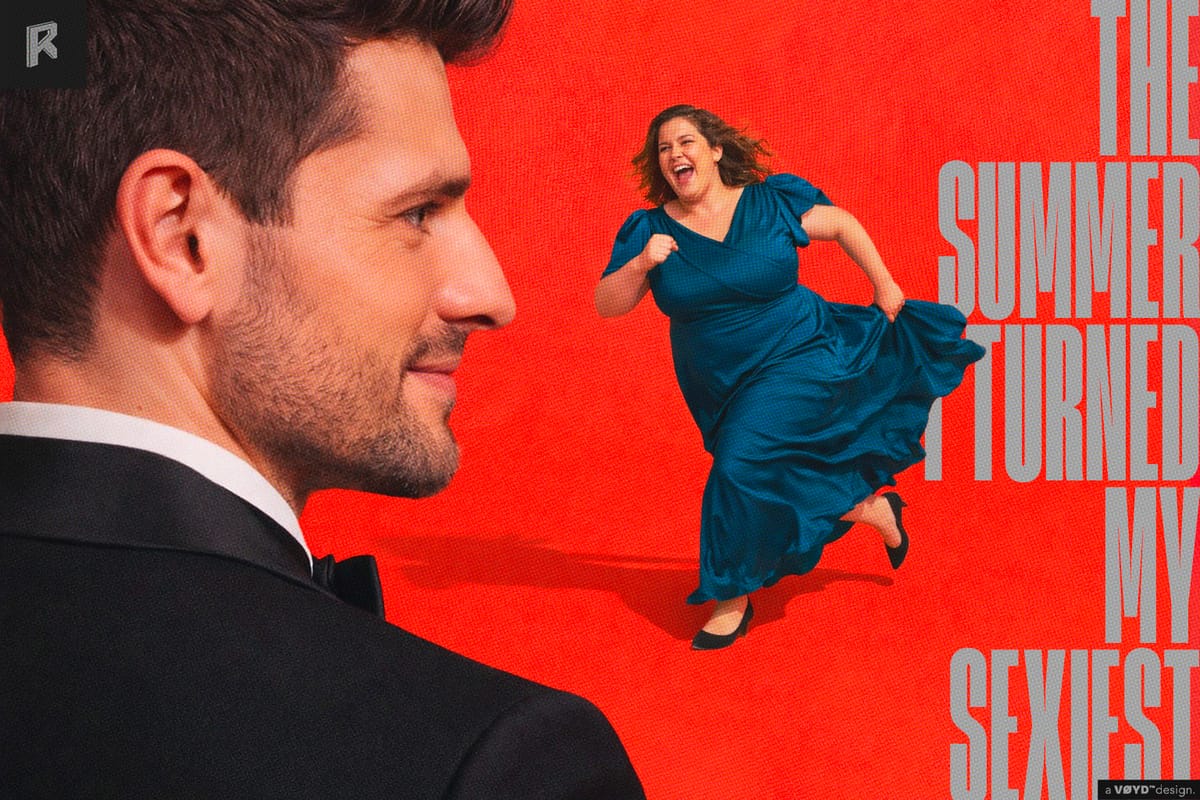
Vertical drama and microdrama continue to reshape mobile-first storytelling, with platforms testing how speed, casting, and emotional engagement interact. GammaTime’s The Summer I Turned My Sexiest reflects this shift, highlighting how vertical video is evolving from surface-level attraction toward deeper narrative structure.
⚈ ⚈
The Summer I Turned My Sexiest reflects a key shift in vertical drama, where relatability is becoming more central to storytelling. As the format evolves, how that relatability translates into sustained audience engagement remains an open question.
-
Review by Lila
The vertical drama format is still evolving, and GammaTime’s The Summer I Turned My Sexiest sits within that process, a project that reflects both a familiarity with the format’s core language, and some of the ongoing questions around how that language translates into sustained engagement.
The series opens efficiently. The heroine’s situation is established with clarity, allowing audiences to enter the story quickly. The resort setting provides a clear backdrop, with production design and lighting supporting a sun-soaked, escapist tone. The performances support the progression of the story and maintain continuity across episodes, with the leads carrying the central dynamic in a straightforward way.
There are also moments where the show feels more distinct, particularly a sequence in which the heroine’s ex-husband and his secretary interrupt an intimate scene.
The timing lands, and the tonal shift brings a more playful energy, briefly giving the series a different rhythm.
▙ ▙
Relatability opens the door, but deeper engagement sustains attention...
Lila
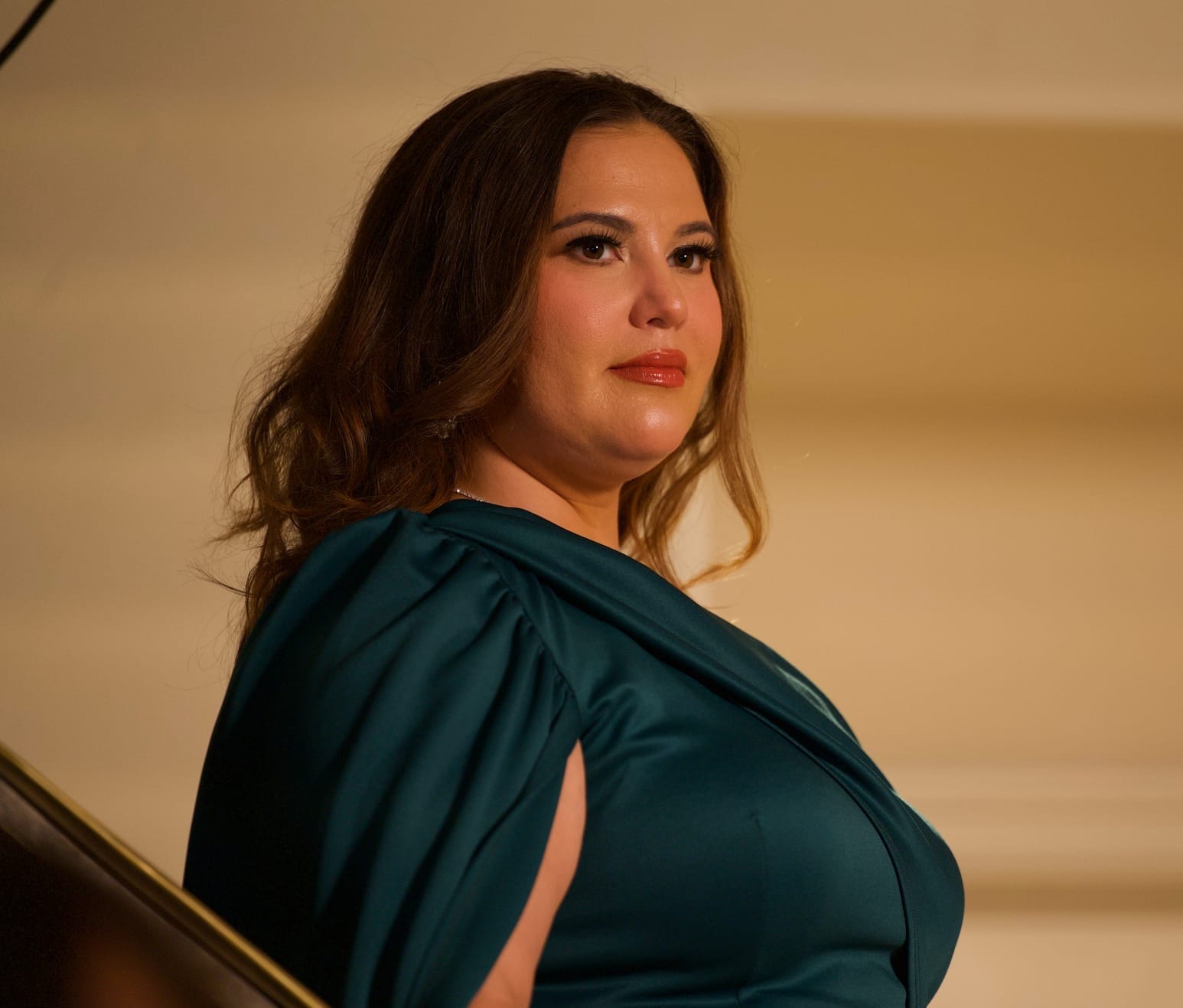
Underneath the romance, the series touches on a more grounded theme: the experience of a plus-size woman navigating confidence, desirability, and social expectation.
While explored lightly, it introduces a perspective that remains relatively underrepresented in the vertical space.
In that sense, the premise recalls films like Bridget Jones's Diary, where audiences are given the time to understand the heroine beyond circumstance: her contradictions, her humor, and her sense of self. That emotional familiarity becomes the foundation for everything that follows, shaping how relationships are perceived and believed.
Building on that, the casting choice also connects to a broader dynamic within vertical drama.
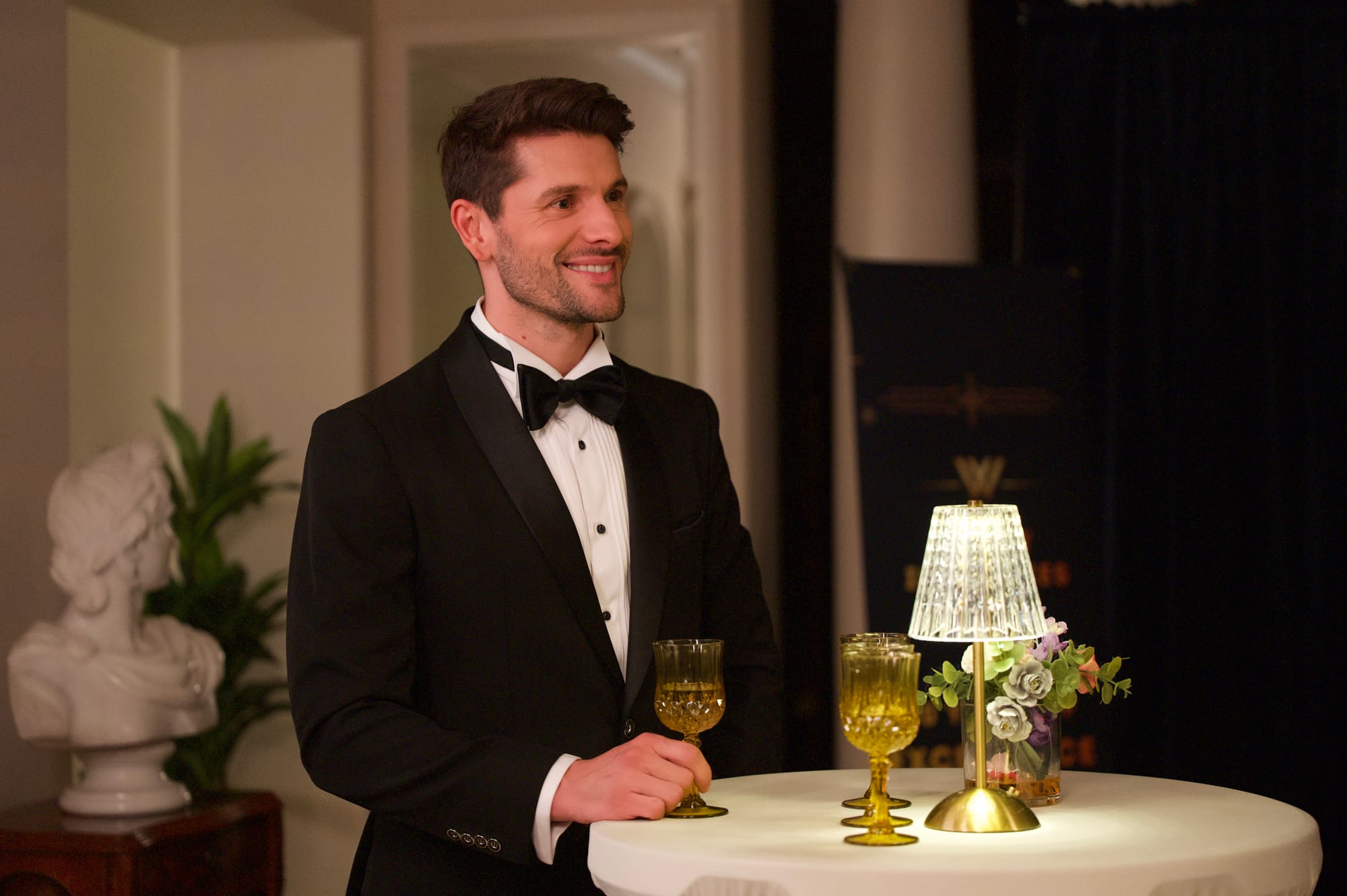
The current audience for many vertical series skews toward adult women, which has influenced casting strategies across platforms. In many cases, productions move away from highly idealized leads, and instead favor protagonists who feel more recognizable, closer to the everyday experiences of their viewers.
▙ ▙
The relationship leans more on momentum than on accumulation...
Lila
This shift can be meaningful.
By reducing the distance between character and audience, these stories create a different kind of accessibility: one where viewers are not only watching the narrative, but also projecting themselves into it.
At the same time, as relatability becomes a more visible strategy across the space, it also opens up a broader creative question: how do stories move beyond identification, and toward deeper emotional engagement over time?
In that sense, the focus is less on the casting choice itself, which points in an interesting and potentially valuable direction, and more on how it connects with different storytelling approaches as the format continues to evolve.
Where the series becomes more complex is in how it builds, and sustains, its central relationship.
The connection between the two leads is established early and moves forward quickly, which aligns with the pacing logic of vertical storytelling. Much of that progression is carried through presence and repeated interaction, rather than through clearly differentiated character beats. As the series continues, the relationship leans more on momentum than on accumulation, shaping how audiences experience its emotional trajectory.

▙ ▙
The story unfolds in a fluid way, shaped by moments and interactions...
Lila
A similar dynamic appears in the show’s broader narrative positioning. Across the early episodes, the series moves between different tonal and genre directions: romantic, dramatic, and occasionally comedic... without fully settling into a single narrative engine. Rather than building toward a clearly defined trajectory, the story unfolds in a more fluid way, shaped by moments and interactions.
In a format where pacing is compressed and attention is highly competitive, this raises a familiar question within the vertical space: what anchors audience investment from episode to episode?
The Summer I Turned My Sexiest demonstrates an understanding of how to create immediate engagement and maintain a consistent tonal direction. The next layer, one that many projects in the space are still working through, is how to align that immediacy with a more clearly articulated emotional and narrative throughline.
The series reflects a production approach that operates within the established conventions of the format, and sits within an ongoing phase of experimentation as vertical drama continues to define its storytelling language.

Available on GammaTime
Cast: Juanita Anderson, Volodymyr Pielikh, Bruce Clifford, Alexis Abrams
Images used in this article are sourced from the public internet and are presented for editorial context only. All rights remain with their respective owners.
✱