As vertical drama continues to reshape mobile storytelling, CandyJar is emerging as one of the format's most consistent voices. Life Is Not A Game, directed by Maria Vera Alvarez, is a strong example of what microdrama can achieve when emotional authenticity drives the narrative — proving that vertical video is no longer just a format, but a legitimate storytelling medium.
⚈ ⚈
Life Is Not A Game: When Self-Doubt Is the Final Boss
-
Review by Sarah
from EscapismViaVerticals
CandyJar has steadily been establishing itself as a home for some of the strongest young adult vertical romances in the space, and Life Is Not A Game firmly continues that streak.
Life Is Not A Game takes well-loved tropes and roots them in emotional honesty while still delivering the heightened beats that make vertical dramas so engaging. The result is a story that feels both comforting and sincere.
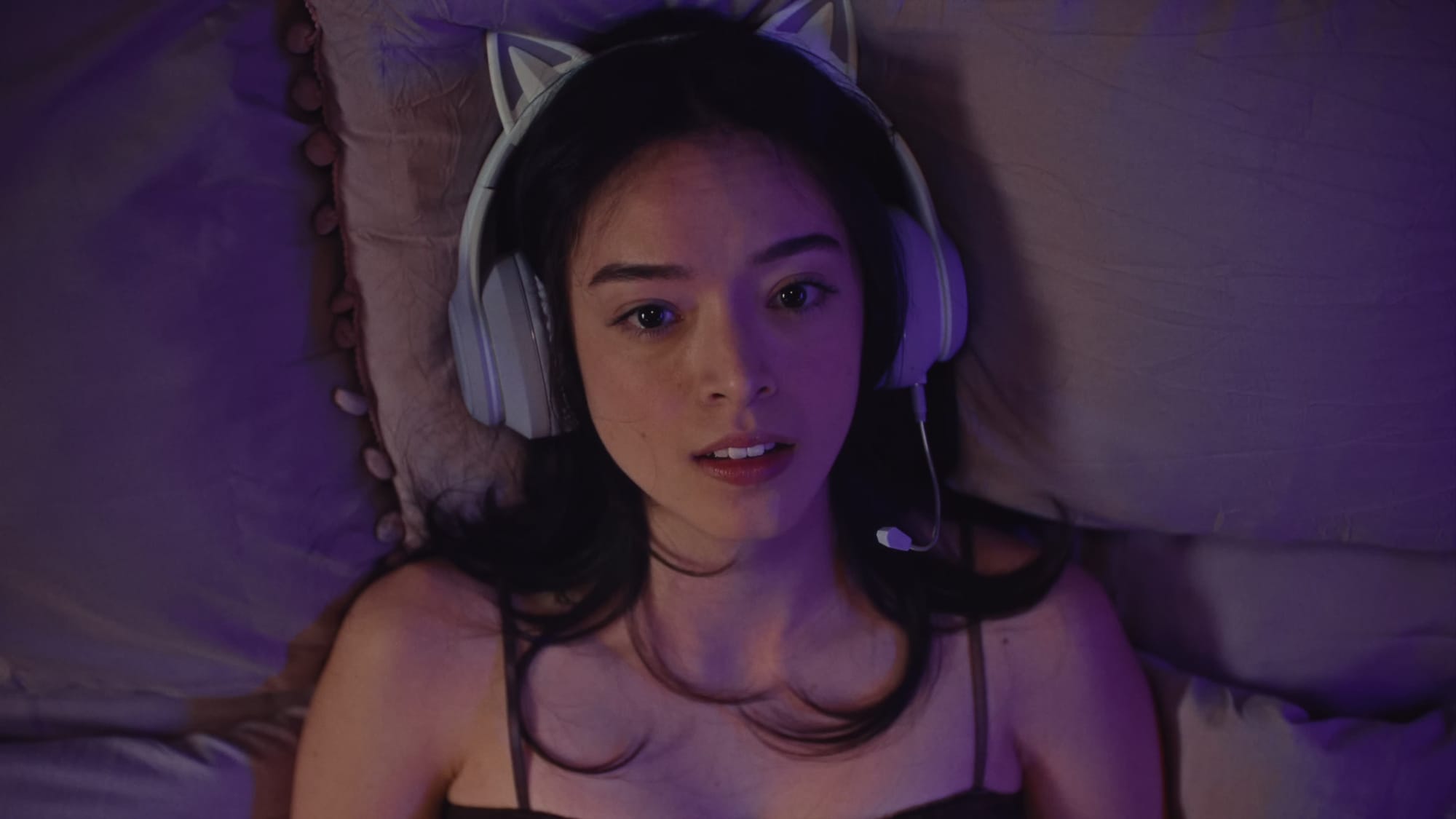
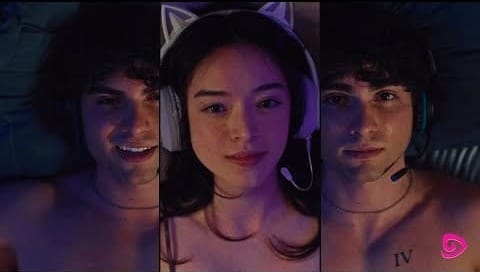
The story follows Charlotte, played with quiet vulnerability by Halle Fletcher. Charlotte is a socially awkward teen who finds refuge in her gaming persona, Mars. What she does not realize is that her online teammates, TJ (Noah Andre) and Cory (Nate Memba), are high school jocks who exist in a social world she has always felt excluded from.
That contrast between her digital confidence and real life insecurity becomes the foundation of the story’s emotional pull.
▙ ▙
His interest begins when she is still at her most reserved and unassuming...
Sarah
This project serves as a reunion for Halle Fletcher, Noah Andre, and Olivia Rose Williams, who previously worked together on Cheer Up, Baby. That existing chemistry translates effortlessly on screen, giving their interactions a natural ease that strengthens both the central romance and the surrounding tensions.
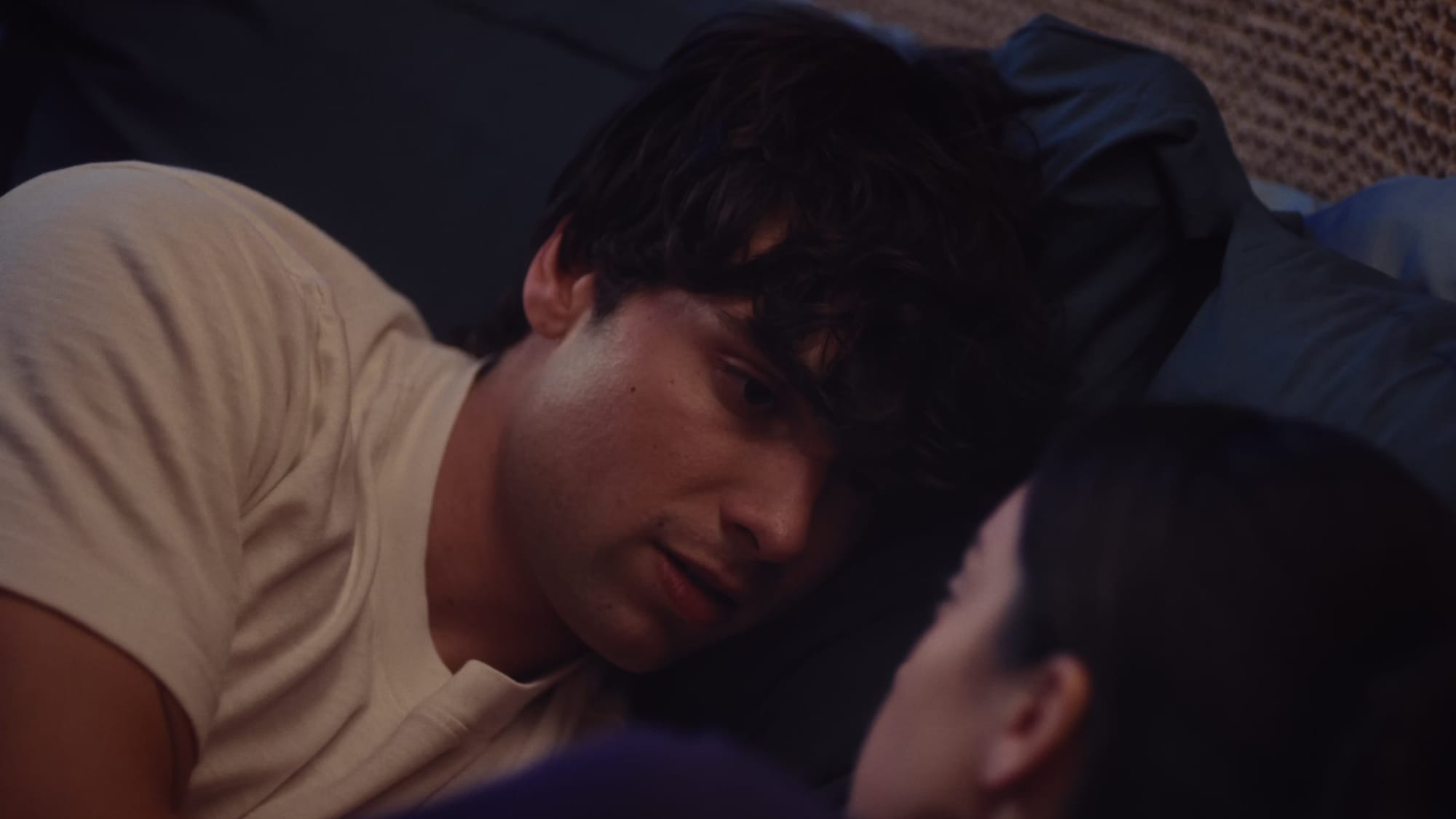
What elevates the narrative is how it handles TJ. Rather than falling into the typical “popular boy notices the girl after a glow-up” trope, the series makes it clear that TJ is drawn to Charlotte before any transformation takes place.
His interest begins when she is still at her most reserved and unassuming, grounding his character in sincerity and avoiding the superficiality that often weakens male leads in this genre.
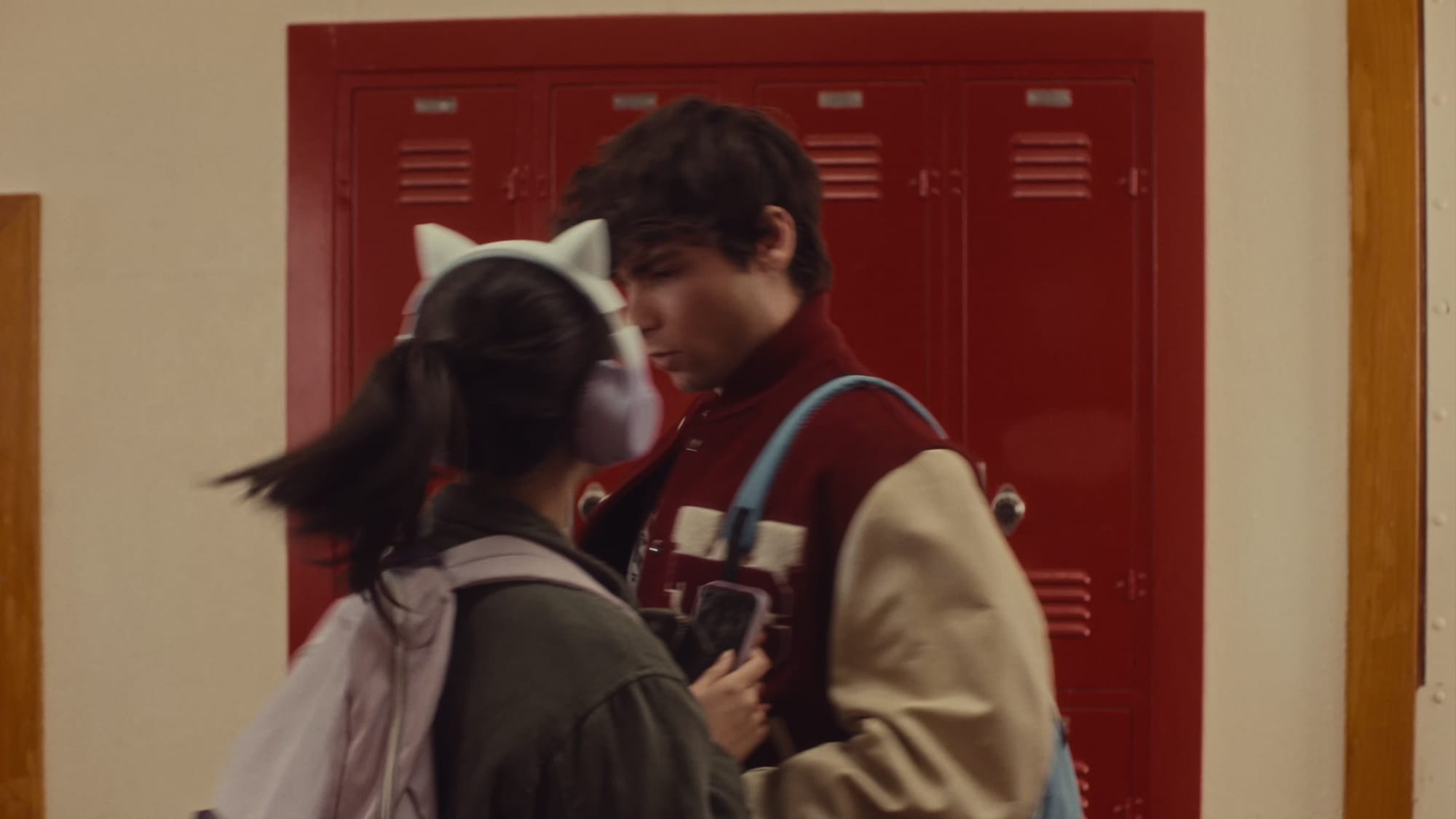
The relationship between Charlotte and TJ is built through a series of small, meaningful moments rather than grand gestures. TJ’s quiet jealousy when he sees Charlotte with Cory, his easy support when he believes Mars has come out to him, and his consistent respect for her boundaries all contribute to a dynamic that feels both tender and earned.
▙ ▙
A dynamic that feels both tender and earned...
Sarah
Even Charlotte cutting herself off mid-confession becomes a powerful beat, reinforcing just how much is left unsaid between them.
No character feels wasted.
Tracy (Emma Reinagel) and Cory act as emotional anchors, guiding both the leads and the audience through themes of identity, self-acceptance, and friendship. Tracy, in particular, embodies the fiercely protective best friend who both shields Charlotte and challenges her to grow, while Cory’s quiet loyalty allows Charlotte to navigate her truth at her own pace.
Sadie, played by Olivia Rose Williams, is another standout. She embodies the “villainess bully” archetype, but the writing keeps her grounded. Her actions stem more from entitlement and immaturity than outright cruelty, making her feel recognizable rather than exaggerated.
▙ ▙
Even Charlotte cutting herself off mid-confession becomes a powerful beat...
Sarah
Overall, Life Is Not A Game succeeds because it respects its characters. It understands that even within a trope-driven format, authenticity matters. Strong performances across the board bring nuance to roles that could have easily been one-dimensional.
My only real criticism is that I wish it were longer.
The buildup makes you want to stay in this world, particularly during the competition arc, which feels like it deserved a more fully realized payoff.
Whatever happens next is up to our imagination, but if there is anything audiences should take away from this, it is the importance of embracing the parts that make us who we are and allowing ourselves to be loved for them.
Available on CandyJar
Directed by Maria Vera Alvarez
Images used in this article are sourced from the public internet and are presented for editorial context only. All rights remain with their respective owners.
✱