The vertical drama market is maturing, and the latest wave of microdrama releases signals a clear shift in audience expectations. Platforms like CandyJar are moving beyond shock-driven storytelling, investing instead in emotionally grounded Young Adult narratives designed for vertical video consumption. Next Door, produced by Inkitt Media, offers one of the clearest examples yet of how BL vertical drama can evolve, without abandoning the genre conventions that built its audience.
⚈ ⚈
Next Door succeeds because it understands that familiarity is not inherently a weakness.
-
Review by Aline
from I Love Verticals
Among the growing number of BL vertical dramas entering the market, Next Door stands out not because it abandons familiar genre conventions, but because it approaches them with greater emotional nuance and restraint.
Produced by Inkitt Media for CandyJar and directed by Caroline Plyler, the series demonstrates the platform’s continued investment in emotionally driven Young Adult storytelling.
Based on the novel by Michael BN, Next Door follows Kit and River, childhood friends whose lives diverged as they grew older. By the time the audience reconnects with them, they occupy very different social spaces within their high school environment. Kit is openly gay, artistic, and marginalized by the school’s social hierarchy, while River performs the role of the confident athlete aligned with the “popular crowd.”
The setup is familiar to anyone familiar with BL storytelling, particularly within YA spaces, but the execution elevates the material.

▙ ▙
The emotional execution feels more considered...
Aline
The “popular kid and marginalized outsider” dynamic is something we see a lot in BL stories, but here it feels more layered and emotionally grounded than usual.
What separates Next Door from many of its contemporaries is its willingness to treat its characters as emotionally contradictory teenagers rather than simplified fantasy projections.
Kit, portrayed by Nicolas Hermick, emerges as the emotional anchor of the series.
The character initially appears vulnerable, isolated, and emotionally exposed, but the writing gradually reveals a stronger internal resilience. Rather than framing him purely as a victim, the series allows him agency. His willingness to confront River despite anticipating rejection becomes one of the story’s defining emotional beats. Hermick’s performance captures both fragility and quiet confidence, avoiding the exaggerated emotionality that can sometimes dominate vertical performances.
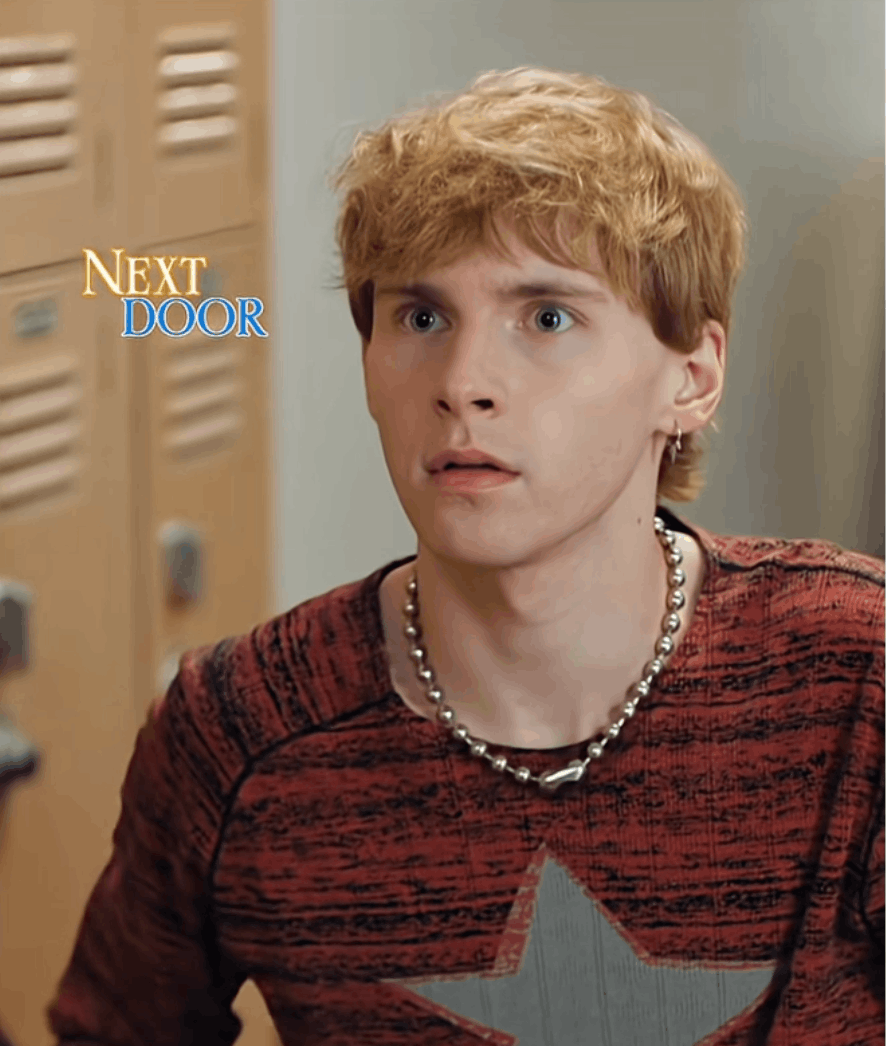
River, played by Justin Stanek, is arguably the series’ most complex character.
Initially, he is difficult to sympathize with. His participation in the performative masculinity of the school environment, combined with his unwillingness to publicly acknowledge his feelings, creates understandable frustration. However, the series carefully reframes his behavior through context rather than abrupt redemption. River is not portrayed simply as “closeted,” but as a teenager trapped within a carefully maintained social identity. The pressure of his mother’s public image, combined with his fear of social collapse, creates a believable internal conflict.
▙ ▙
River is a teenager trapped within a carefully maintained social identity...
Aline
Importantly, Next Door avoids reducing queerness to trauma alone.
While fear, repression, and bullying exist within the narrative, the story remains grounded in emotional connection rather than suffering.
This tonal balance becomes one of the series’ greatest strengths.
The supporting cast contributes meaningfully to that balance. Bella Chadwick’s Carrie embraces the “Drama Queen” archetype with precision, functioning as both antagonist and narrative catalyst. Meanwhile, Nick Lunetta’s portrayal of Darius adds unexpected depth to what initially appears to be a standard bully character. His aggression toward Kit is eventually contextualized through his own internalized struggles, offering a more layered depiction of adolescent insecurity and identity conflict than is typically found within the format.
One particularly notable aspect of Next Door is its handling of bullying and violence. In recent years, vertical dramas, especially within BL spaces, have increasingly leaned into exaggerated humiliation and graphic physical abuse as narrative shortcuts for emotional stakes. Next Door deliberately avoids that escalation. The bullying Kit experiences remains grounded and socially realistic rather than sensationalized.
This restraint significantly strengthens the emotional credibility of the series and allows audiences to connect with the characters more authentically.

▙ ▙
Next Door avoids reducing queerness to trauma alone...
Aline
From a structural perspective, the pacing reflects a recurring CandyJar challenge. Like several of the platform’s recent productions, Next Door would likely have benefited from additional episodes to further develop secondary relationships and emotional transitions.
However, despite the compressed runtime, the series succeeds in delivering a satisfying emotional arc.
The production also reflects a broader trend within the vertical market: the increasing sophistication of Young Adult storytelling. Rather than relying solely on shock value or hyper-toxic relationship dynamics, Next Door prioritizes emotional realism, character vulnerability, and relational tension. This evolution suggests that platforms like CandyJar are beginning to identify an audience demand for softer, more grounded romantic narratives.
Ultimately, Next Door succeeds because it understands that familiarity is not inherently a weakness. The genre conventions remain intact, but the emotional execution feels more considered.
Through layered performances, restrained conflict, and relatable teenage anxieties, the series positions itself as a meaningful example of how BL vertical dramas can evolve beyond formula while still embracing the escapist appeal that defines the medium.
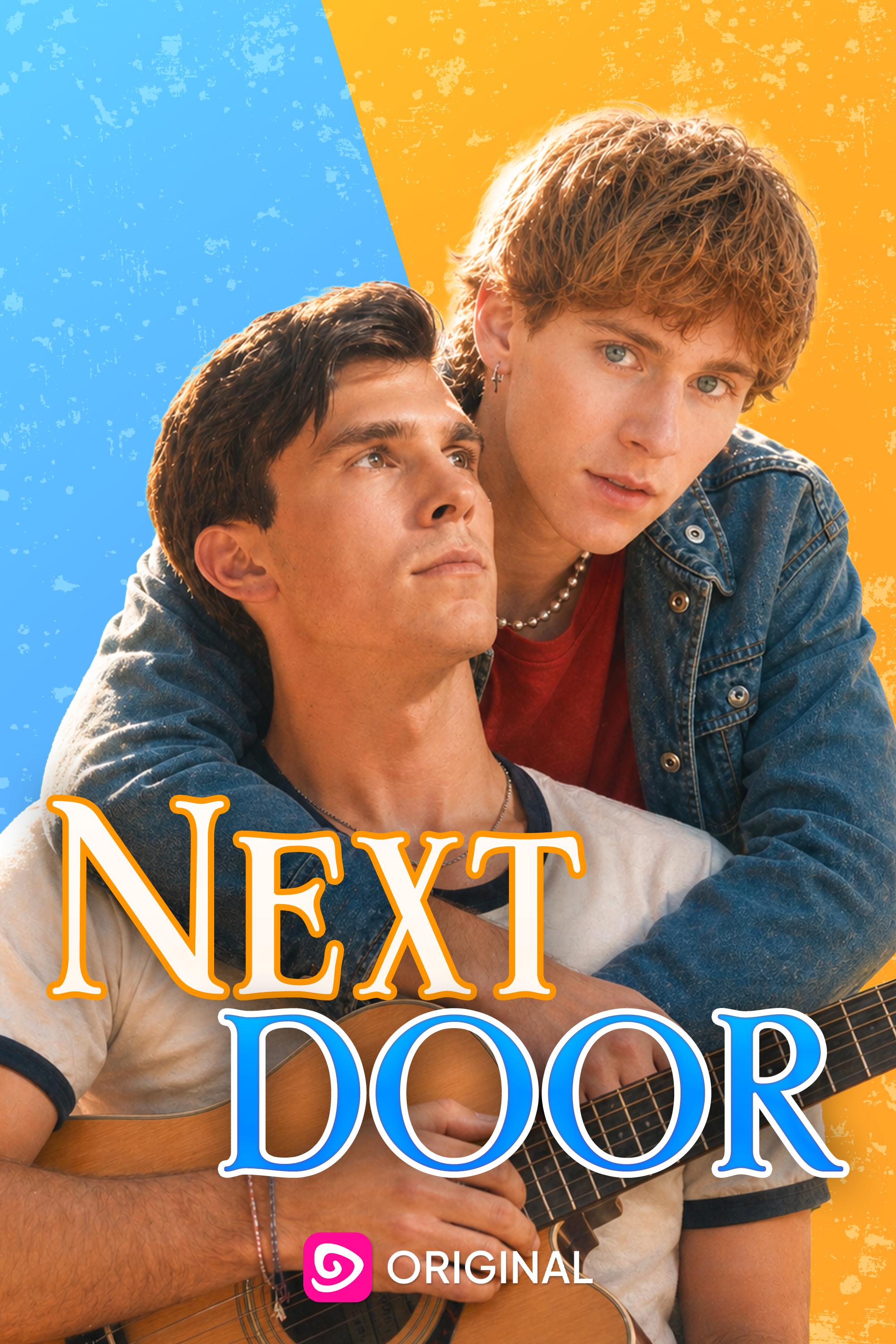
Available on CandyJar
Directed by Caroline Plyler
Produced by Inkitt Media
Based on the novel Next Door by Michael BN
Starring Nicolas Hermick Justin Stanek Nick Lunetta Sophie Steele Bella Chadwick Ben Trotter
Images used in this article are sourced from the public internet and are presented for editorial context only. All rights remain with their respective owners.
✱