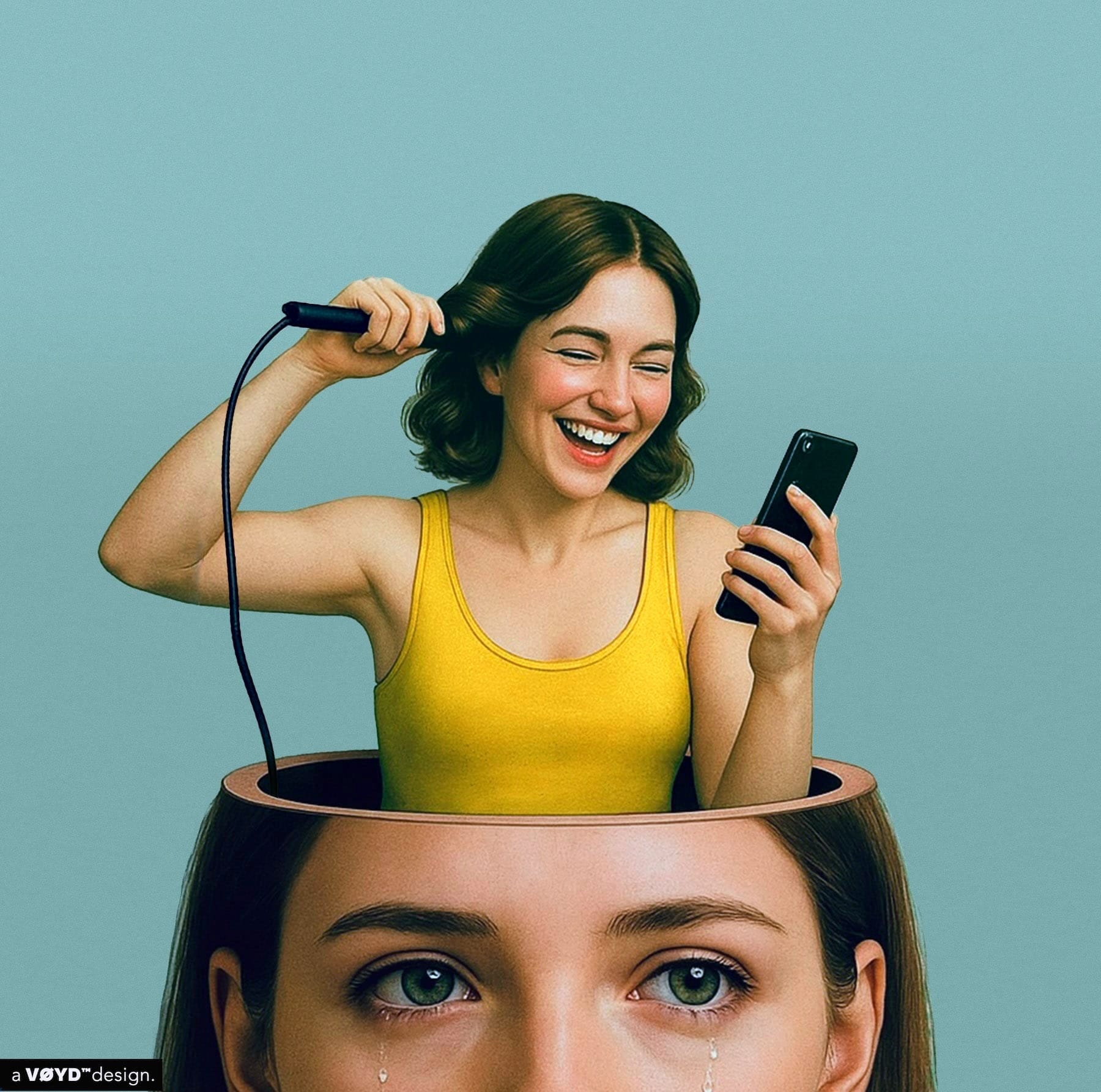
The vertical drama format has long been defined by escalation — bigger twists, louder villains, faster cliffhangers. SuperPunchyApp's launch title Step By Step tests a different hypothesis: that a microdrama built on cinematic visuals, restrained performances, and grounded emotional storytelling can hold a vertical video audience just as effectively. Produced by Super Punchy Studio and directed by Salvador Paskowitz, it's one of the most visually ambitious vertical drama debuts of 2026.
⚈ ⚈
The surprising thing is that Step By Step never really feels predictable.
-
Review by Aline
from I Love Verticals
Familiar Tropes, Unfamiliar Execution
One of the biggest challenges facing the Vertical industry today is not finding new stories. It is finding new ways to tell old ones.
After years of billionaires, fake marriages, secret heirs, and forbidden romances, audiences have become incredibly good at recognizing a plot within the first few episodes. When Step By Step was announced, it appeared to fall into one of VertiLand's oldest and most recognizable categories: two people spend the night together only to discover afterward that their parents are in a relationship and are about to make them step-siblings.
For many viewers, that premise alone probably sounded predictable.
The surprising thing is that Step By Step never really feels predictable.
Not because it constantly reinvents the story, but because it approaches the material with a very different mindset than most Vertical productions.
Produced by Super Punchy Studio and directed by Salvador Paskowitz, the series often feels less like a traditional Vertical and more like a romantic drama that happens to be distributed in a Vertical format.
A Vertical With a Horizontal Soul
The most striking aspect of Step By Step is its tone.
The story embraces familiar romantic tropes, but the execution feels noticeably more grounded. The dialogue is more natural, the performances are restrained, and the conflicts are driven by character emotions rather than dramatic plot devices.
At multiple points, it genuinely feels like a cozy afternoon movie rather than a Vertical.
This distinction may seem minor, but it represents an interesting direction for the medium. Many Verticals are built around escalation. Bigger twists. Bigger betrayals. Bigger villains. Bigger cliffhangers. Step By Step takes the opposite approach. It slows down. It allows scenes to breathe. It trusts its characters to carry the story.
That decision pays off because the series focuses on a relatively small cast. Instead of introducing dozens of side characters and rotating villains, the narrative revolves around six central figures. This allows viewers to spend meaningful time with each of them and creates a stronger emotional investment throughout the story.

▙ ▙
It slows down. It allows scenes to breathe. It trusts its characters to carry the story...
Aline
Nicole Mattox Anchors the Series
Piper quickly establishes herself as the emotional center of the narrative.
Professionally, she appears highly competent. Despite being on vacation, her work remains a constant presence in her life. She handles the pressure of working for a politician with impressive confidence and rarely seems overwhelmed by her responsibilities.
Her personal life, however, is considerably more complicated.
The relationship with her mother is warm and supportive, while her relationship with her sister Lily feels fractured almost immediately. The death of their father decades earlier continues to shape the family dynamic in ways that are never fully explained but constantly felt.
Nicole Mattox delivers one of the strongest performances of the project.
What stands out most is her ability to communicate internal conflict without relying on dramatic speeches. Some of the most effective moments occur when Piper says very little. A particular scene near a window, with Parker blurred in the background, captures an extraordinary amount of emotion in only a few seconds. The cinematography deserves credit for the composition, but the emotional impact comes directly from Mattox's performance.
The Mystery of Parker
Parker initially appears to be a fairly conventional romantic lead.
He is charming, persistent, attractive, and perhaps slightly too confident.
Yet as the series progresses, subtle details suggest there is much more happening beneath the surface. Several business meetings imply that Parker occupies a position of influence. Conversations with his father hint that he may actually be the successful one in the family rather than the other way around.
The fascinating aspect is that the series never fully explains what Parker actually does.
The mystery remains unresolved from beginning to end.
Normally this might feel frustrating, but in this case it almost becomes part of the character's appeal.
Seth Edeen deserves significant praise here.
Having watched several of his previous projects, this performance feels like a major step forward. His facial expressions are noticeably stronger, his emotional reactions feel more authentic, and he demonstrates a level of subtlety that elevates the material considerably.
This may genuinely be his best role to date.
Chemistry Was Never Going To Be A Problem
Given the history of working together, it was never really a question whether Nicole Mattox and Seth Edeen would have chemistry. The answer was obvious before the series even premiered.
What makes the relationship interesting is not the chemistry itself but the different ways Piper and Parker react to their situation.Piper immediately prioritizes her mother's happiness. Having witnessed years of loneliness and emotional sacrifice, she is prepared to suppress her own feelings if it means protecting her mother's relationship.
Parker approaches the situation completely differently. He loves his father, but he does not view their parents' relationship as a reason to abandon his own happiness. He remains openly flirtatious and surprisingly optimistic about finding a solution.
This imbalance creates much of the emotional tension throughout the series and helps prevent the relationship from becoming overly simplistic.
▙ ▙
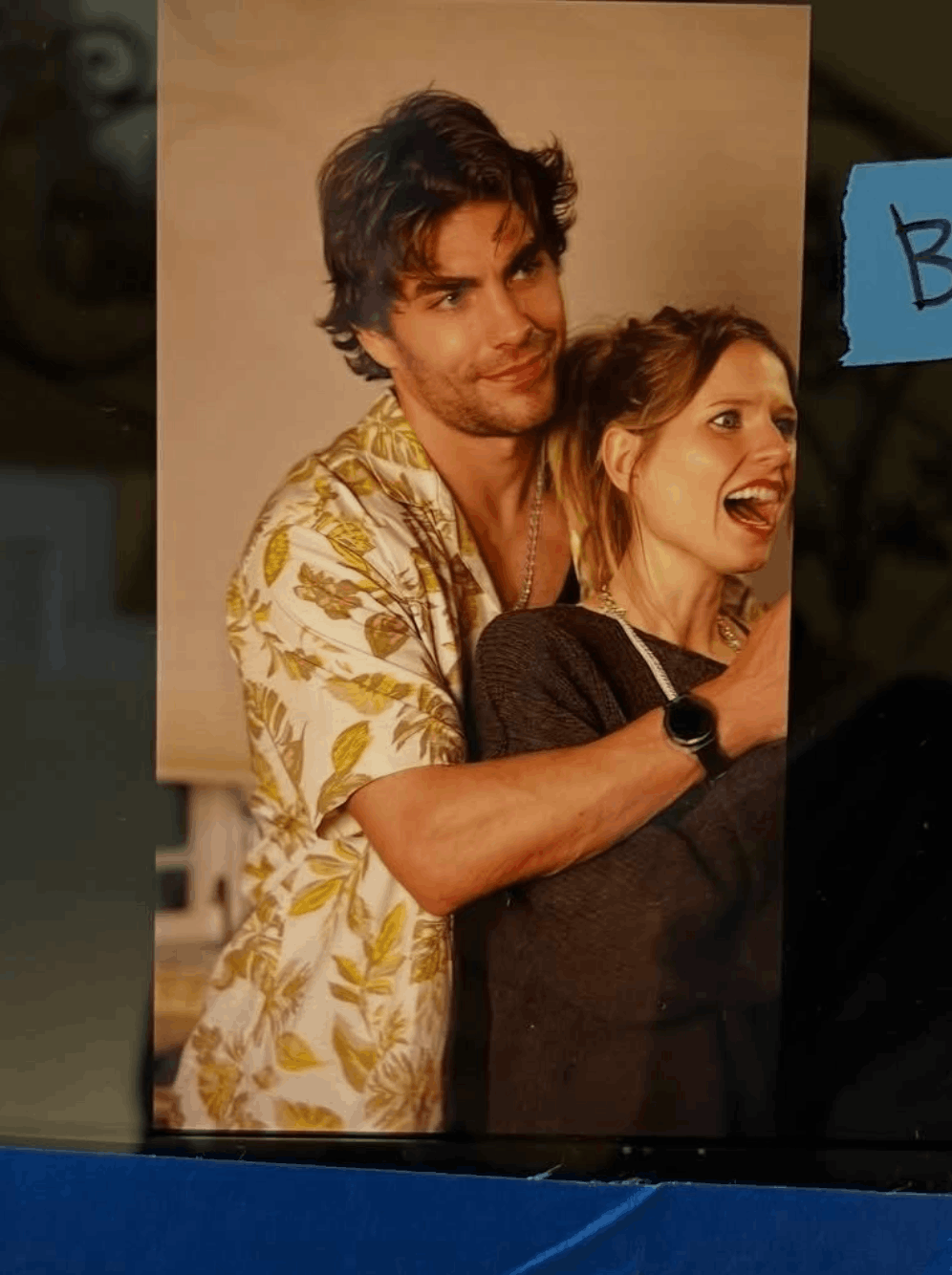
Many Verticals are built around escalation. Step By Step takes the opposite approach...
Aline
Xavier and Joyce: A Refreshingly Grounded Pair of Parents
When parents appear in Verticals, they are often introduced as sources of conflict. Toxicity, manipulation, emotional abuse, and even physical violence have become familiar shortcuts within the format, particularly in stories involving forbidden or complicated relationships.
Step By Step deliberately moves away from that pattern.
Xavier and Joyce are loving, supportive parents who have both spent years alone before finally finding genuine happiness with each other. Their relationship reinforces the series’ broader commitment to a more grounded and realistic tone. Rather than existing simply to create obstacles for Piper and Parker, they have their own emotional history and a believable reason to want this second chance at love.
Joyce also handles the tension between Piper and Lily with notable patience. Lily openly struggles with her mother’s new relationship, yet Joyce never dismisses those feelings or responds with anger. She prioritizes communication, gives Lily room to process her grief, and tries to understand her resistance rather than treating it as disobedience.
When Xavier and Joyce eventually learn about Piper and Parker’s relationship, they accept it surprisingly quickly. The resolution may feel slightly too easy, especially considering the emotional weight placed on the situation throughout the story. Still, their reaction remains consistent with the way they have been written from the beginning. Neither parent is controlling or judgmental, so their willingness to listen and support their children feels believable, even if the transition could have benefited from more development.
Supporting Characters That Matter
One of the most pleasant surprises comes from Holly. From her very first scene, she brings an infectious positivity to the story. Given her connection to Parker, many viewers will likely assume she is being positioned as a future antagonist.
Thankfully, the series avoids that route entirely. Instead, Holly remains supportive, energetic, and consistently enjoyable throughout the narrative. Haley Lohrli feels perfectly cast in the role. Her natural charisma makes Holly instantly likable and provides welcome energy whenever she appears.
Then there is Lily. What initially appears to be a straightforward villain arc gradually reveals itself to be something far more complex. The tension between Lily and Piper is obvious from the beginning. Lily arrives carrying resentment, frustration, and what feels like genuine hostility. For several episodes, she appears destined to become the story's primary antagonist.
Then the layers begin to emerge.
Rather than simple jealousy or malice, much of Lily's behavior stems from unresolved grief.
Unlike Piper, she never fully moved past the loss of their father. The prospect of her mother moving on emotionally feels less like a new beginning and more like an erasure of someone she is still struggling to let go.
As a result, Lily becomes one of the most nuanced characters in the series.
Molly Anderson is a major reason why this works.
Her experience playing both villains and sympathetic leads becomes a huge advantage here. Lily constantly exists in a gray area between frustrating and understandable. One moment you want to argue with her. The next, you want to comfort her. That emotional ambiguity makes her significantly more compelling than the average Vertical antagonist.

▙ ▙
One moment you want to argue with her. The next, you want to comfort her...
Aline
Visual Quality That Raises The Bar
If there is one area where Step By Step truly separates itself from the competition, it is the visual presentation.
Quite simply, this is one of the most attractive Verticals currently available.
The image quality is excellent. The lighting feels cinematic. The framing demonstrates a level of care that is still relatively uncommon within the format.
Many productions talk about elevating Verticals. Step By Step actually looks like it is trying to do it.
This visual ambition contributes heavily to the "horizontal" feeling that defines the project. Even when the storyline follows familiar territory, the presentation constantly makes it feel fresh.
An Ending That Creates Questions
For most of its runtime, the series maintains remarkable clarity. Unfortunately, the final ten minutes become noticeably more confusing. Without even discussing the cliffhanger itself, several scenes near the conclusion feel disconnected from the emotional logic established earlier. The parents appear surprisingly accepting of Piper and Parker's relationship following the wedding revelation, yet Piper still decides to leave.
The motivations behind that choice remain unclear.
An additional scene involving Piper receiving a message from work and then seemingly returning to wedding-related events only adds further confusion.
Even after rewatching the ending, it feels as though a missing scene or explanation may have been removed somewhere during editing.
The cliffhanger itself is not the problem.
The issue is that the emotional setup leading to it feels incomplete.
Final Thoughts
Despite a somewhat confusing ending, Step By Step represents one of the most promising examples of where Vertical storytelling could go next. The plot itself is not revolutionary. VertiLand has seen variations of this premise for years.
What makes the series stand out is its confidence in execution.
By prioritizing stronger cinematography, more natural dialogue, layered supporting characters, and grounded performances, the creative team transforms a familiar story into something that feels surprisingly fresh.
For a launch title, it is an impressive statement from SuperPunchyApp.
And if this level of quality is any indication of what the platform hopes to produce moving forward, VertiLand may have an exciting new player entering the space.

Available on SuperPunchyApp
Produced by Super Punchy Studio
Directed by Salvador Paskowitz
Written by Halo Gracey & Kristin Monroe Paskowitz
Cast: Nicole Mattox, Seth Edeen, Nicole Dionne, Jon Briddel, Molly Anderson, Haley Lohrli
Images used in this article are sourced from the public internet and are presented for editorial context only. All rights remain with their respective owners.
Credits
Written by Liz
Design & Motion by VØYD
More Reviews From Aline
- The Summer In Between — MyDrama takes the vertical drama love triangle into psychologically messier territory, with manipulation, class tension, and a queer romance that earns its emotional weight.
 Aline
Aline
- Forgive Me, Father — Shortical's vertical drama trusts ambiguity, silence, and complexity in ways the format rarely attempts, and raises the bar for what elevated microdrama can look like.
 Meagan
✱