
Vertical Drama Review: Fever Cage (2026)
DramaPops’ Fever Cage signals a shift beyond romance in vertical drama, showing how psychological storytelling and character-driven tension are reshaping the microdrama landscape.

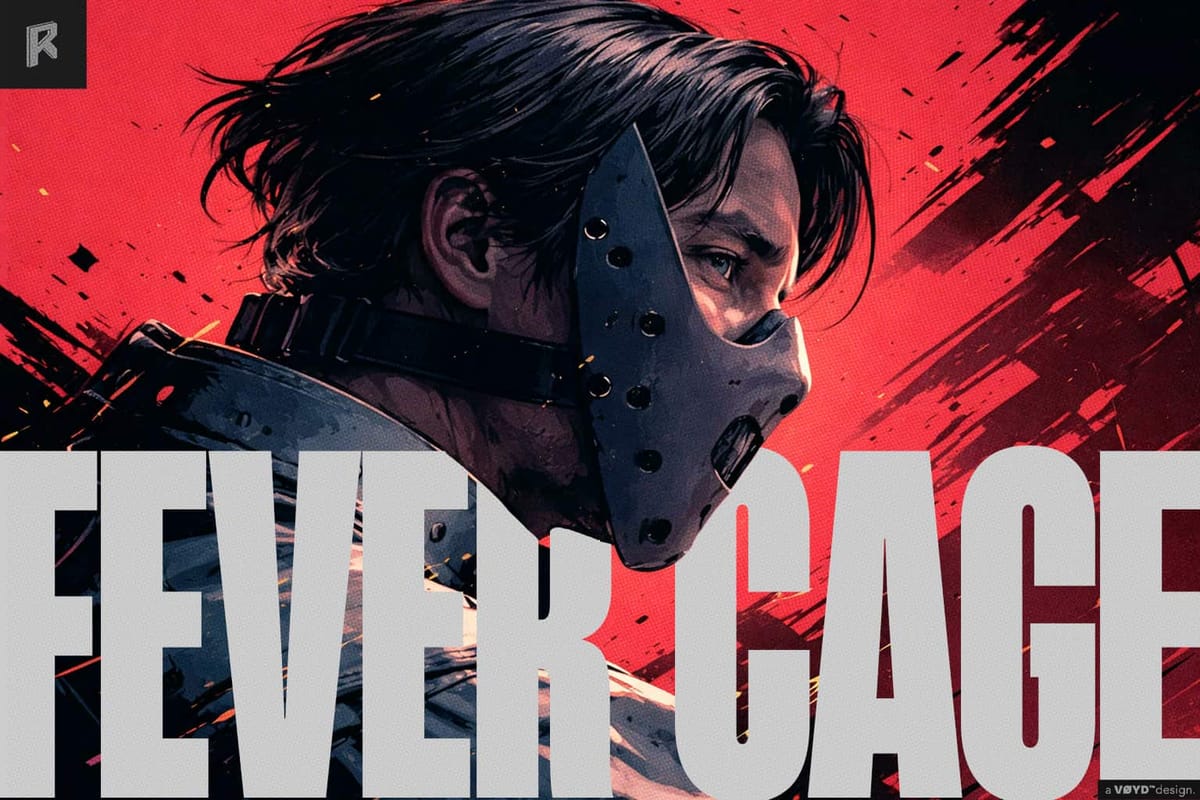
Vertical drama continues to evolve beyond its early focus on romance-driven narratives, as platforms explore new genres and storytelling structures. With Fever Cage, DramaPops pushes further into psychological drama, demonstrating how microdrama and vertical video formats can support layered, character-driven storytelling. The series highlights a broader shift within the short drama industry, where tension, ambiguity, and emotional complexity are beginning to replace purely formulaic structures. As platforms experiment with genre diversification and higher production standards, vertical storytelling is gradually expanding into a more versatile and mature content ecosystem.
⚈ ⚈
Watching the story unfold often feels like assembling a jigsaw puzzle.
-
Review by Aline
from I Love Verticals
Fans have been asking for Thriller and more Psychological Dramas and Dramapops delivered.
As audiences within the vertical drama ecosystem continue to ask for more genre diversity, DramaPops appears increasingly willing to answer that demand.
After the release of Love in Oblivion in January 2026, a thriller produced by AMO Pictures, the platform once again ventures beyond traditional romance territory with Fever Cage, a psychological drama that embraces tension, manipulation, and layered storytelling.
At first glance, the premise may still contain familiar vertical DNA.
Certain narrative structures and character dynamics echo recognizable tropes from the format. However, Fever Cage distinguishes itself by leaning heavily into the psychological dimension of its story. Rather than relying purely on shock moments or predictable twists, the series builds its tension through uncertainty and character-driven manipulation.
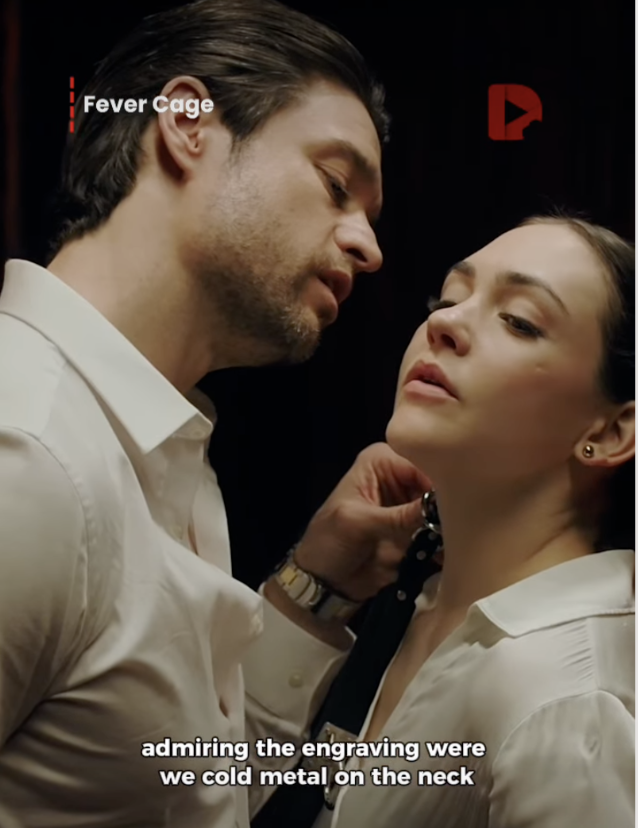
Watching the story unfold often feels like assembling a jigsaw puzzle. Each new scene adds a piece to the overall picture, yet the image constantly shifts. Connections that appear obvious at one moment are questioned the next, forcing viewers to reassess what they believe they understand about the characters and their motivations. This constant recalibration is one of the show’s strongest narrative tools.
▙ ▙
Connections that appear obvious are questioned the next moment...
Aline
The result is a story where trust becomes almost impossible.
Every character carries hidden layers, and the manipulation at the center of the narrative keeps the audience questioning intentions from beginning to end.
In a vertical market where many series follow highly predictable narrative formulas, Fever Cage offers a refreshing sense of narrative uncertainty.
Psychological drama has long been a genre with strong potential in vertical storytelling, yet it remains relatively underexplored. The format’s short episodes and rapid pacing can actually heighten tension when used effectively. In Fever Cage, the blend of suspense, secrecy, and emotional complexity demonstrates how well this genre can function within the vertical framework.
The character dynamics contribute significantly to this effect.
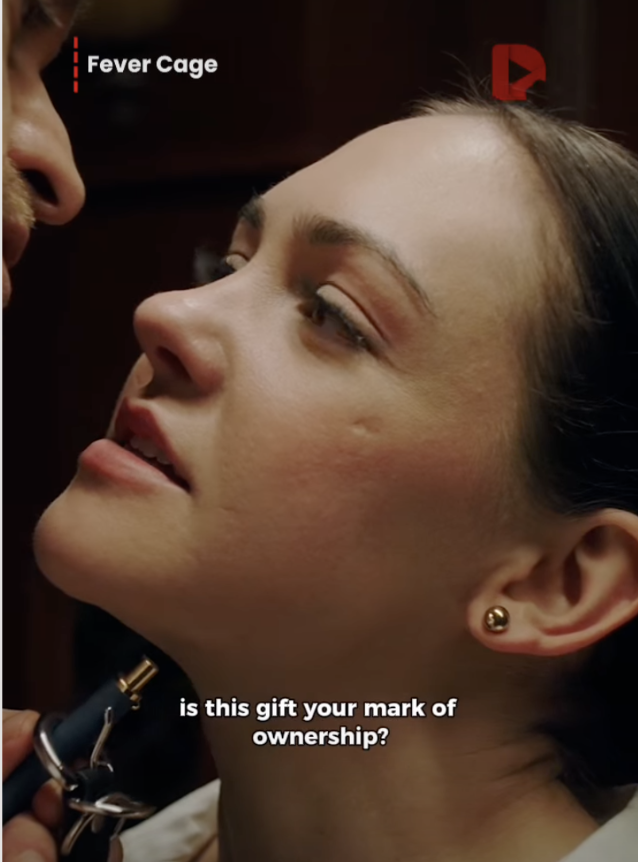
At first, Victor’s reputation as a dangerous figure feels somewhat unclear. His charisma and presence are evident, yet the story initially withholds enough information to create ambiguity around his true nature. Similarly, Erin initially appears far too fragile for the role she occupies. If Victor is truly as dangerous as the narrative suggests, it seems difficult to imagine how she could possibly maintain control of the situation.
▙ ▙
Every character carries hidden layers, making trust almost impossible...
Aline
Yet this apparent imbalance is intentional.
Much of the story’s strength lies in its gradual character development. Erin’s evolution unfolds slowly as she confronts her own trauma and begins to reassess the people around her. Her growth is not immediate, and she continues to make mistakes along the way, which adds credibility to her arc.
Rather than presenting an instant transformation, the series allows her perspective to shift progressively as new revelations emerge.
The narrative structure reflects this same slow-building approach. Information is revealed piece by piece, sometimes leaving the audience temporarily disoriented but always encouraging continued curiosity about where the story will ultimately lead.
Importantly, the series also tackles several heavy themes, including abusive family dynamics, mental health struggles, suicidal thoughts, and self-harm. Within many vertical productions, such topics are often used primarily for shock value or dramatic escalation.
In Fever Cage, however, these themes are treated with noticeably greater narrative weight.
They function as central components of character development rather than as isolated moments designed purely to provoke reaction. Erin’s personal journey, in particular, gains depth because these experiences are integrated into her motivations and emotional growth.
▙ ▙
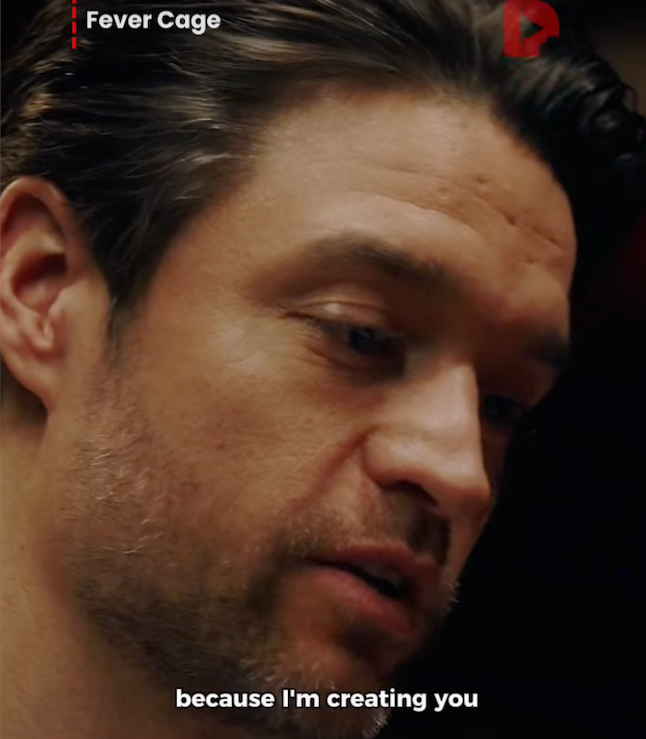
The format’s short episodes can actually heighten tension...
Aline
From a visual standpoint, the production often resembles what could easily function as a traditional horizontal thriller (it's actually also available horizontally on the app).
The cinematic tone and atmosphere elevate the storytelling beyond the expectations typically associated with the vertical format.
However, one sequence briefly reminds the audience of the format’s more exaggerated conventions. The trial storyline, while narratively significant, leans into the kind of heightened dramatic logic that vertical dramas are often known for. Compared to the otherwise grounded psychological tension of the series, this section can momentarily break immersion. That said, it does not undermine the overall experience, and the strength of the surrounding narrative quickly restores the story’s momentum.
Performance-wise, Kirby Ellwood delivers what is arguably her strongest work to date. Her portrayal of Erin carries emotional complexity and maturity, demonstrating a range that goes beyond the more trope-driven roles often seen in the vertical space. The performance anchors the psychological tension of the series and suggests exciting possibilities for future projects in similar genres.
Ultimately, Fever Cage represents a promising step forward for the vertical industry’s ongoing evolution.
By exploring psychological drama with a layered narrative structure, the series demonstrates that the format is capable of supporting more complex storytelling when creators are willing to take risks.
DramaPops continues to stand out as one of the platforms most willing to experiment with new directions while maintaining strong production standards. With projects like Fever Cage, the platform reinforces its reputation as a space where vertical storytelling can expand beyond familiar formulas.
If this trajectory continues, the vertical ecosystem may soon see many more genre-driven stories pushing the format into exciting new territory.
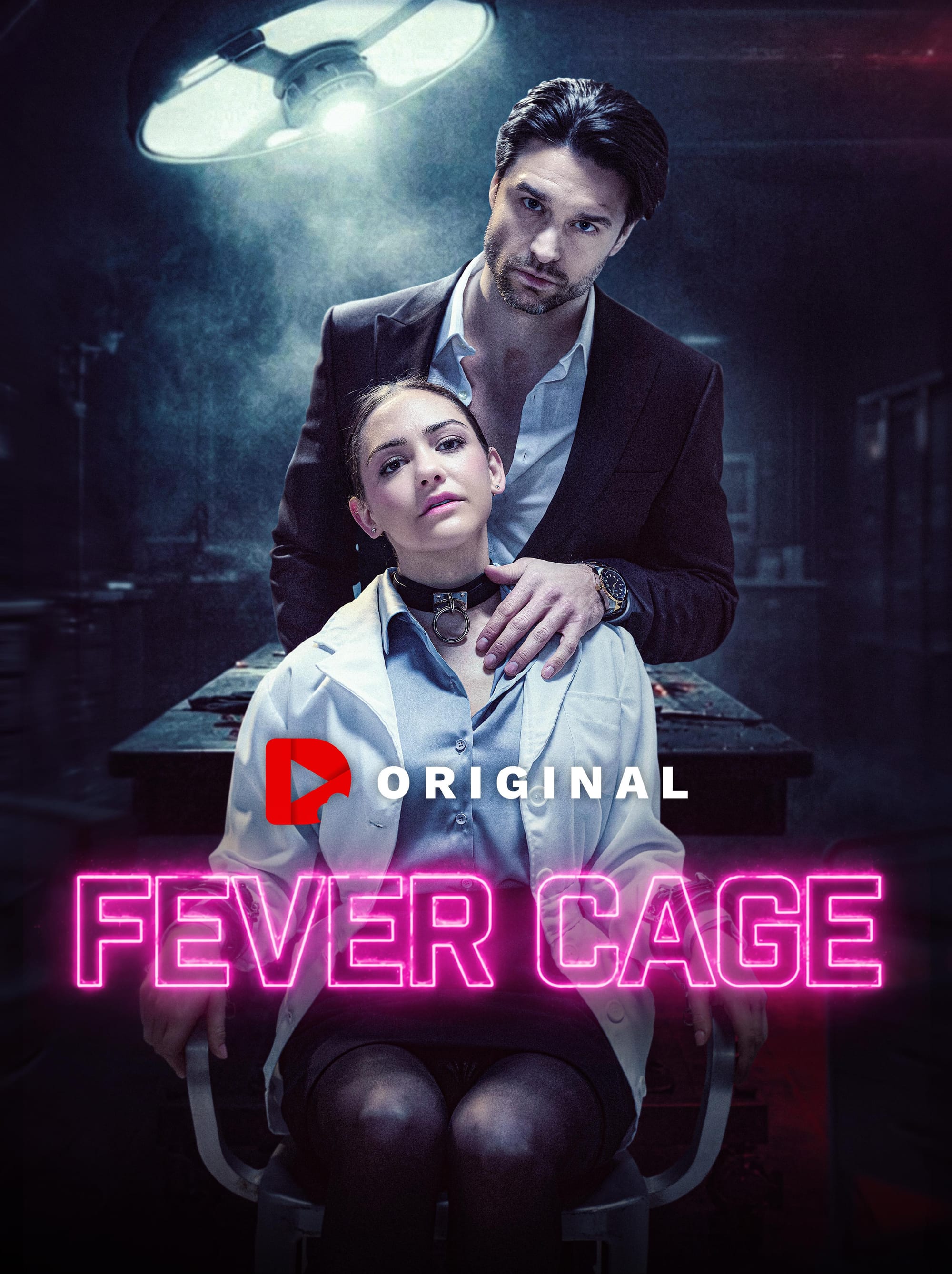
Available on DramaPops
Cast: Kirby Ellwood, David Edwin Williams, Allison Gann, Jay Hunter Morris, William Brock, Donald Eugene Ome, Eliza Sun
Directed by Amanda Fallon Smith
Produced by Cosmic Verticals
Images used in this article are sourced from the public internet and are presented for editorial context only. All rights remain with their respective owners.
✱