
Vertical Drama Review: Outplayed (2026)
Outplayed uses gaming and dual identity to explore vertical storytelling, showing how pacing, editing, and structure can create engagement beyond traditional romance-driven microdrama formats.

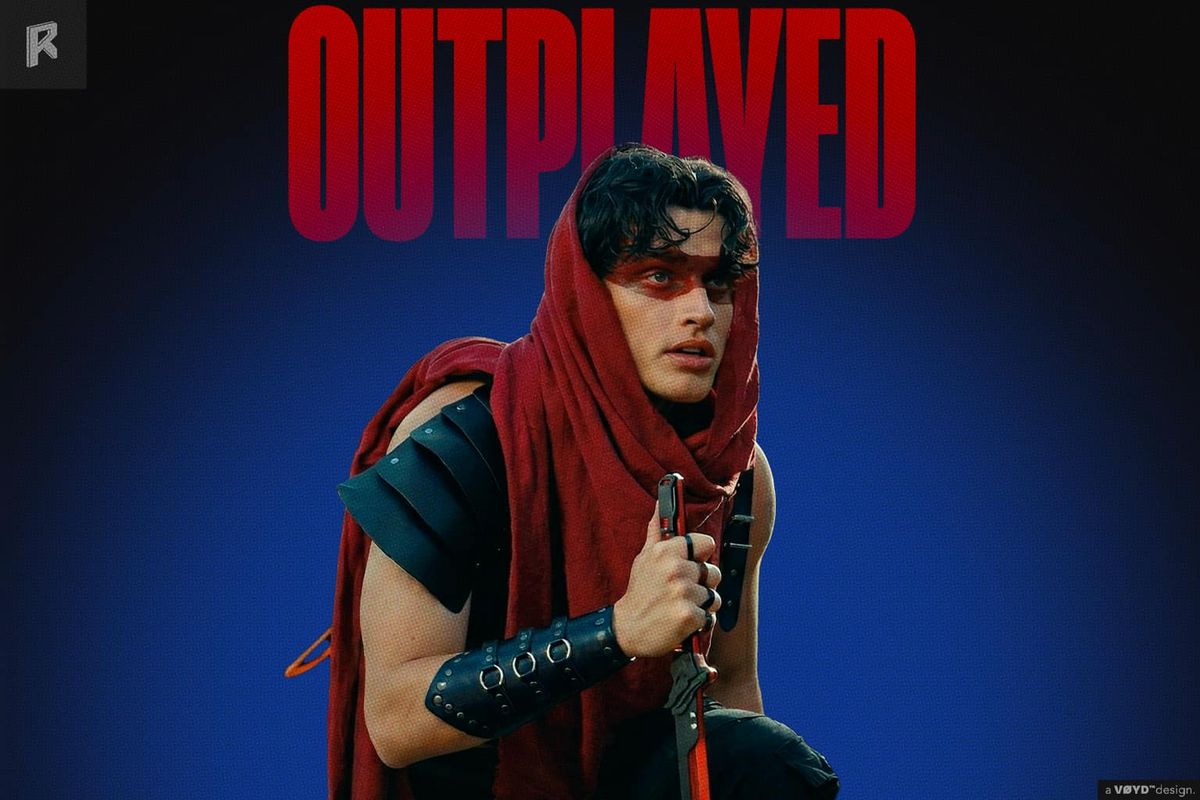
Vertical drama continues to expand beyond romance into new narrative spaces. Outplayed explores how microdrama and vertical video can integrate gaming environments, dual identities, and fast-paced storytelling. Through editing and structure, the series highlights how the short drama industry is evolving toward more craft-driven and format-aware storytelling approaches.
⚈ ⚈
Outplayed: Between Gameplay and Reality, A Story Takes Shape
-
Review by Liz
@portraitstorydiaries
I wasn’t familiar with the gaming space at all, which made the experience feel a little more open.
Most of the vertical dramas I usually watch lean into romance, heavy emotion, or romcom territory, so OUTPLAYED (REELSHORT, 2026) immediately felt like a shift. It places us inside a competitive gaming space through Brooklyn, a college student trying to stay afloat in real life while building something more powerful inside a virtual world called Blackgrove Reign. There, she becomes Echo: sharper, more decisive, more in control.
If I’m being honest, it wasn’t love at first watch.
But it stayed.
Outplayed feels like the kind of series you turn to when you want to step away for a while.
The pacing is quick, the energy is playful, and even if you’re not familiar with gaming culture, it never makes you feel like you’re behind. Instead, it lets you find your way in gradually.
Rival gamers, hidden identities, and that familiar enemies-to-something-more tension give the story its movement. It may not pull you in emotionally right away, but it keeps you curious enough to stay.
Building the Battlefield
A big part of why the series works is how clearly it separates its two worlds.
Every time the story shifts into the game, everything becomes more stylized. The wardrobe, hair, and makeup lean into a heightened gamer aesthetic that feels bold without becoming overwhelming. The visual effects add energy, giving the competition a sense of scale that goes beyond people simply sitting behind screens.
The distinction matters because the game is not just a setting. It is where identity changes.
Brooklyn in the real world feels grounded and contained. As Echo, she feels more focused, more certain, almost like a version of herself that doesn’t hesitate. The contrast is direct, but it works because it reflects something familiar: the way people move differently depending on where they are and who they are allowed to be.
What stands out is how clearly the series maintains that separation. The shift isn’t just visual, it’s behavioral. You can feel the difference in how she carries herself, and that consistency helps the two worlds remain distinct without becoming confusing or overstated.

▙ ▙
The game is where identity changes and control becomes possible...
Liz
The Players Behind the Avatars
The core of the story rests on the dynamic between Brooklyn and Ethan.
In real life, they clash.
Conversations feel like small competitions quick and reactive. Ethan carries himself with confidence that borders on arrogance, while Brooklyn meets it with resistance rather than retreat.
Inside the game, that dynamic shifts.
Echo and Thorne begin to operate with a different kind of awareness. Rivalry gives way to cooperation and a quiet respect that anchors the series. That push and pull becomes one of its most consistent threads.
Ariel Yasmine handles the duality of Brooklyn with steady control. She keeps the real-world version grounded, while Echo carries a sharper presence that never feels exaggerated. The transition between the two is what makes the concept believable.
Cameron Porras brings an easy charm to Ethan that makes him both frustrating and watchable. His confidence never fully disappears, but there are moments where it shifts just enough to reveal something more considered.
Their chemistry lives in the in-between moments; in the timing, the reactions, and the hesitation before either of them reveals too much.
The tension is undeniable, though there are points where it feels slightly contained, as if it could have been pushed further to fully resonate.

▙ ▙
The tension lives in the moments before either reveals too much...
Liz
Looking Behind the Game: Inside the Edit with Charles Unger
This is where the experience started to shift for me.
While watching Outplayed, I found myself paying closer attention to its rhythm. The pacing. The transitions. The way scenes moved without feeling abrupt. That kind of flow doesn’t just happen.
That curiosity led me to something I genuinely feel grateful for. The chance to speak with editor and filmmaker Charles Unger, who co-edited the series. His work spans across very different kinds of storytelling, from larger productions like Kung Fu Panda 4 and Billionaire Boys Club to vertical dramas such as How to Break a DILF on ReelShort.
What stood out to me was how that range shapes his approach to storytelling. Moving between traditional film and vertical formats demands a sharp sense of timing and control, where everything has to land quickly but still feel complete. Hearing him speak about the process made me more aware of how much of the story is shaped after filming, not just in how scenes are assembled, but in how emotion is guided, perspective is maintained, and the audience is carried from one moment to the next.
1. Outplayed moves at a fast pace. What do you focus on as an editor?
Charles Unger:
“It’s all about story and character. The vertical format demands that we keep a fast paced, tight narrative so it all has a purpose. Every line of dialogue or action must serve the story or define the character. I also use a lot of close ups and insert shots to bring the viewer into the action.”
2. How do you handle transitions between the real world and the game?
Charles Unger:
“Point of view is key. If we start with Brooklyn in the real world, we enter the game through her perspective. She needs a reason to go there. Once we arrive, we have to answer it. We also rely on reactions. If she feels something, the audience will too.”

▙ ▙
What feels seamless on screen is built piece by piece...
Liz
3. The gaming world feels different. How is that built?
Charles Unger:
“We treated it as a hyper real world. We changed the color, added effects, used different music, faster editing, and stylized performances. But all of that begins with the script and direction.”
4. What do you look for in Brooklyn and Ethan’s chemistry?
Charles Unger:
“In romantic storytelling, the goal is to keep the characters apart as long as possible. There are reversals. They like each other, then they don’t. I look for performances that push those extremes.”
5. What might surprise viewers about editing?
Charles Unger:
“The first assembly is the hardest part. Everything is shot out of order. You’re building something from nothing. Once it exists, refining it is easier. But putting it together is like solving a puzzle.”
There is something grounding about hearing that, because what feels seamless on screen is actually built piece by piece through decisions viewers rarely see. In Outplayed, this invisible work goes beyond merely holding scenes together to actively shape how the audience stays connected.
Final Thoughts
Outplayed didn't exactly tug at my heartstrings, but the sheer suspense kept my eyes glued to the screen. Beneath its playful tone is a more reflective look at identity, competition, and the ways people shift between who they are and who they choose to be. While there are moments where the story could have pushed further, it remains engaging in its restraint. Not every story needs to overwhelm. Some stay because they invite you to look a little closer, and here, understanding the craft behind it, especially through Charles Unger’s perspective, added depth to that experience.
Global Feeling
A series driven by curiosity and craft, engaging in its world-building while occasionally holding back from reaching its full emotional depth.

Available on ReelShort
Images used in this article are sourced from the public internet and are presented for editorial context only. All rights remain with their respective owners.
✱