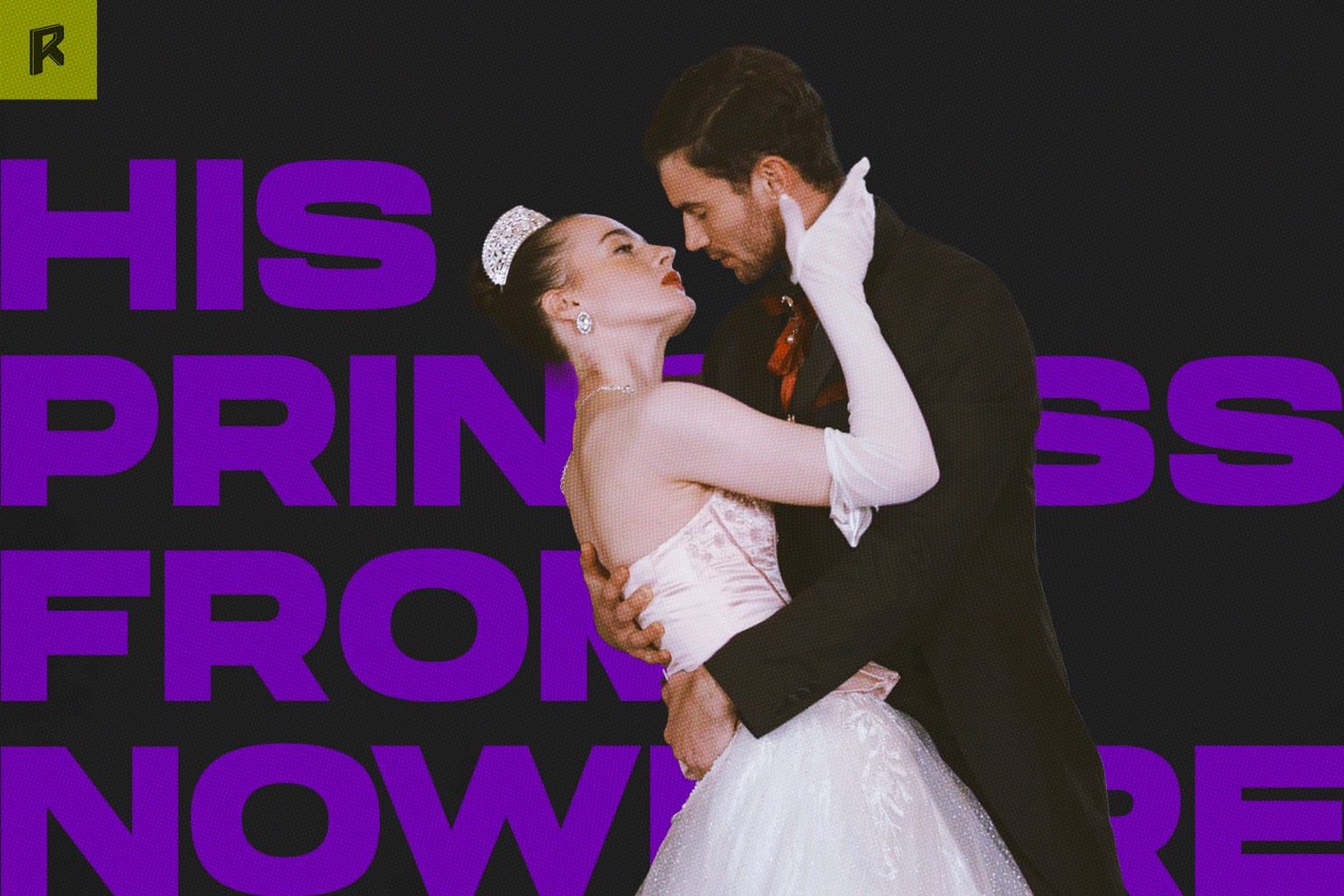
His Princess from Nowhere
is a vertical drama that moves differently. Produced independently by New York-based L.I. Productions, the microdrama series was shot in eight days with no platform creative restrictions, and audiences noticed. Producer and cinematographer Lee C. Zhang walks us through every stage of making it:
the script, the set, and the edit.
"In the end, the story guided us. It told us how it needed to be cut."
Lee C. Zhang
Producer & Cinematographer
L.I. Productions
When we reviewed His Princess from Nowhere, something about the series stayed with us longer than usual.
Not because it rejected the language of vertical drama, it didn't. The emotional turns were there, the romantic tension, the narrative pull. But there were moments where the rhythm slowed just slightly. Performances weren't always rushing to the next beat. A few scenes seemed willing to breathe.
It was subtle.
But it was noticeable enough that we wanted to know how the project had come together.
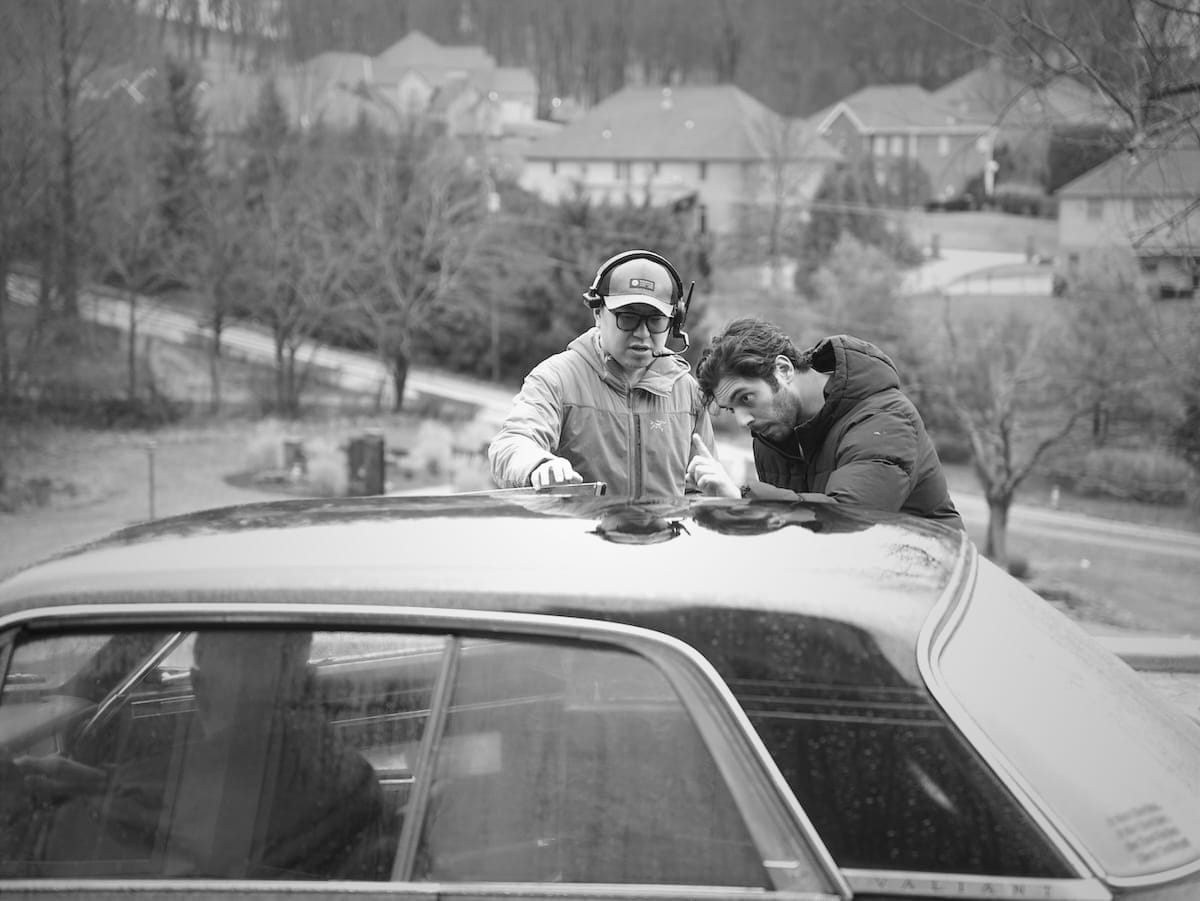
We spoke with Lee C. Zhang, producer and cinematographer on the series, about the decisions behind the show, from the story they chose to write, to eight days on set, to finding the right rhythm in the edit.
"We just wanted to make a show"
L.I. Productions has been working in film and documentary since 2013. Over more than a decade, the studio built up experience in commercial work, art film, and most recently, documentary, including projects with international organizations like WWF and National Geographic. Vertical drama came into the picture around 2023, when the format started gaining real traction internationally.
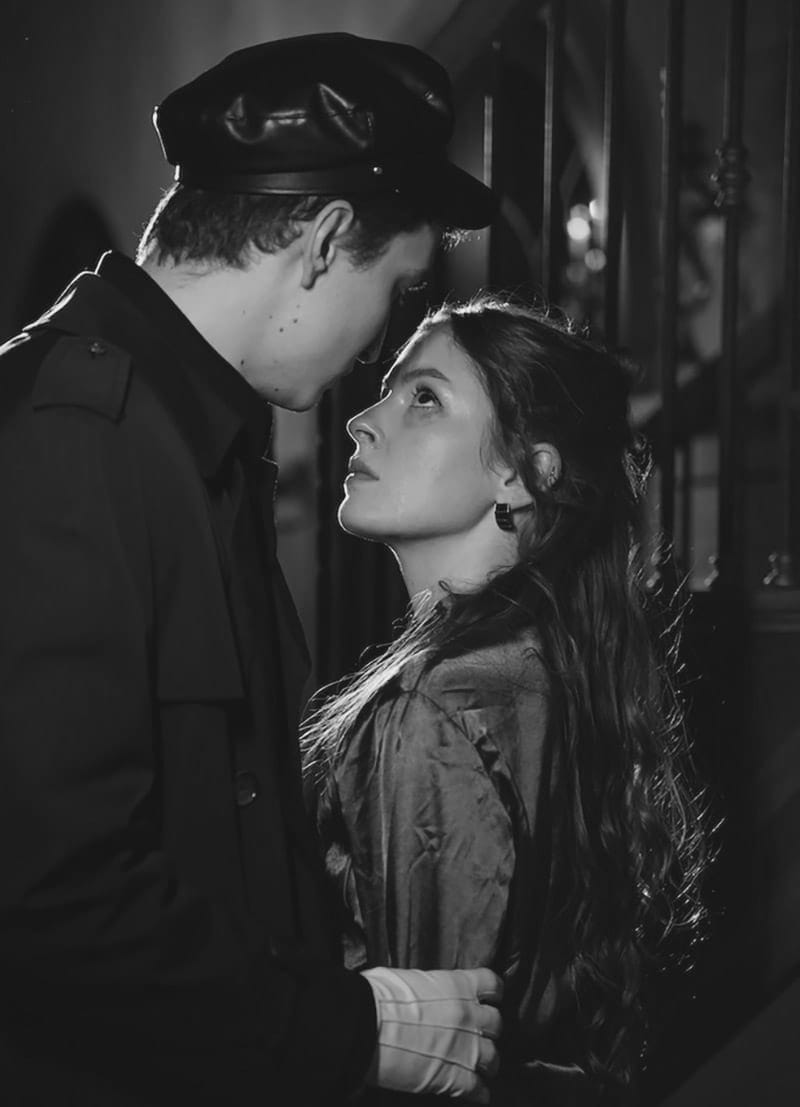
"We were one of the earliest to start," Zhang said. "And we had collaborated with platforms on a few shows already. Then we thought, maybe we should try producing one ourselves."
The reasoning wasn't complicated.
"We're filmmakers. There's a platform. Why wouldn't we shoot?"
That instinct, simple, direct, shaped almost every decision that followed. The team didn't set out to make a statement about what vertical drama could be. They set out to make something they'd be proud of, in a format they found genuinely interesting.
"We're all following our instincts on this project. Everything starts from the story. All the decisions that followed came from what the story needed."
Writing a script you can actually shoot
Before a single scene was written, Zhang and director Dustin Blac, who adapted the story from his own serialized novel, thought carefully about the production constraints they'd be working within.
Vertical drama moves fast. The team's schedule, like most in the industry, would run at roughly ten to thirteen pages a day. That reality shaped the script from the start.
"We wanted to create a story that we could still manage even at that pace," Zhang said. "That meant keeping locations limited and minimizing company moves."
Most of the action in His Princess from Nowhere unfolds within the estate: a deliberate structural choice that gave the production room to focus on performance and atmosphere rather than logistics.
Within that framework, the team worked from familiar genre territory: a dominant patriarch, a romantic lead, a love triangle.
"Short drama is a niche market. Audiences come in expecting certain things. You can't step too far outside that, the risk is too high," Zhang said. "But within that smaller frame, you can bring your own strengths."
The story itself, a humble music teacher drawn into a fabricated identity and an unexpected romance at a 1960s estate, was entirely their own. No platform involvement in development. No brief to fulfill.
"Of course we wrote it ourselves," Zhang said. "The IP stays with us. The platforms only have distribution rights."
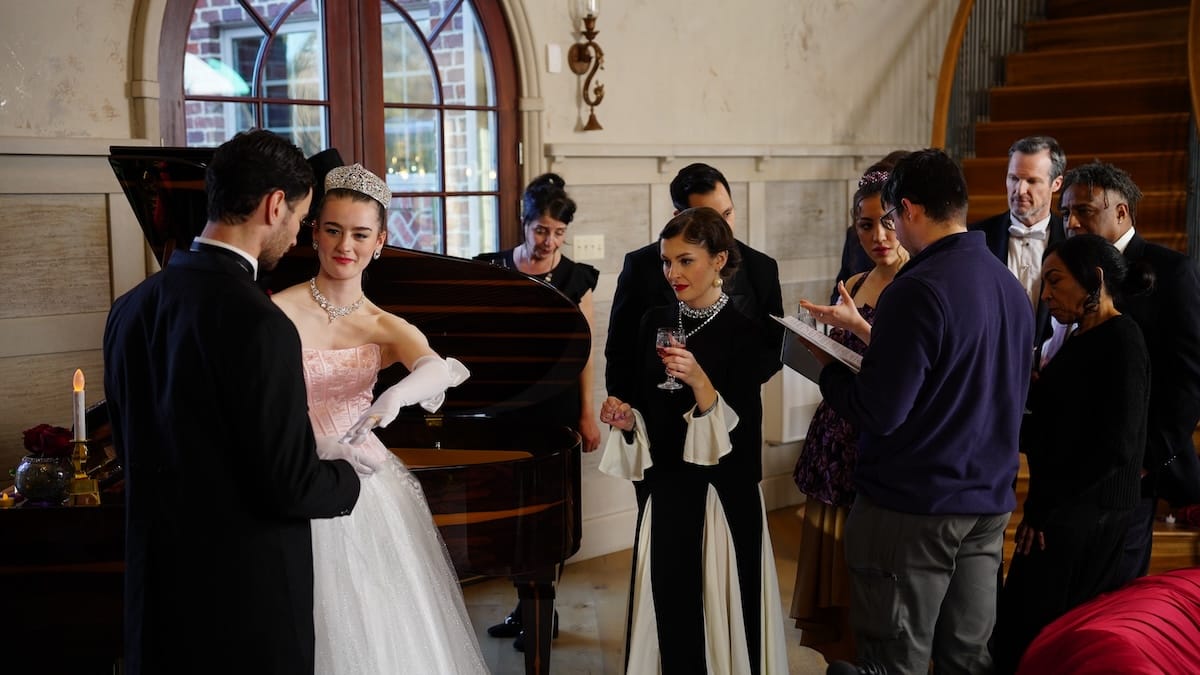
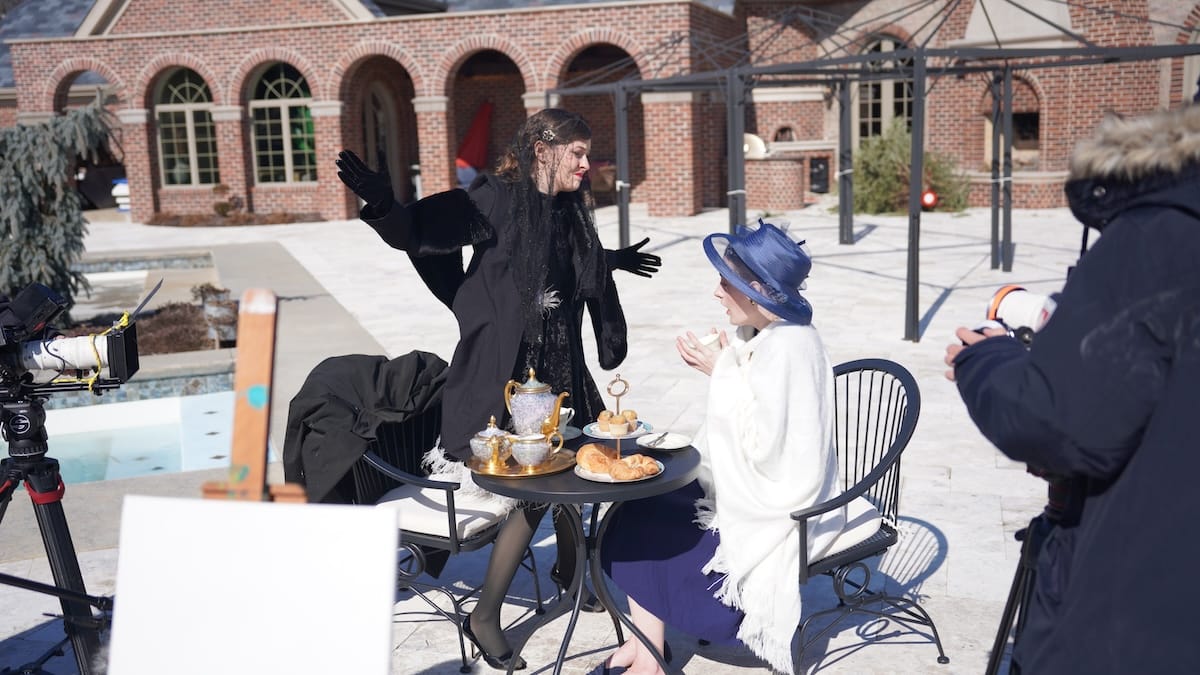
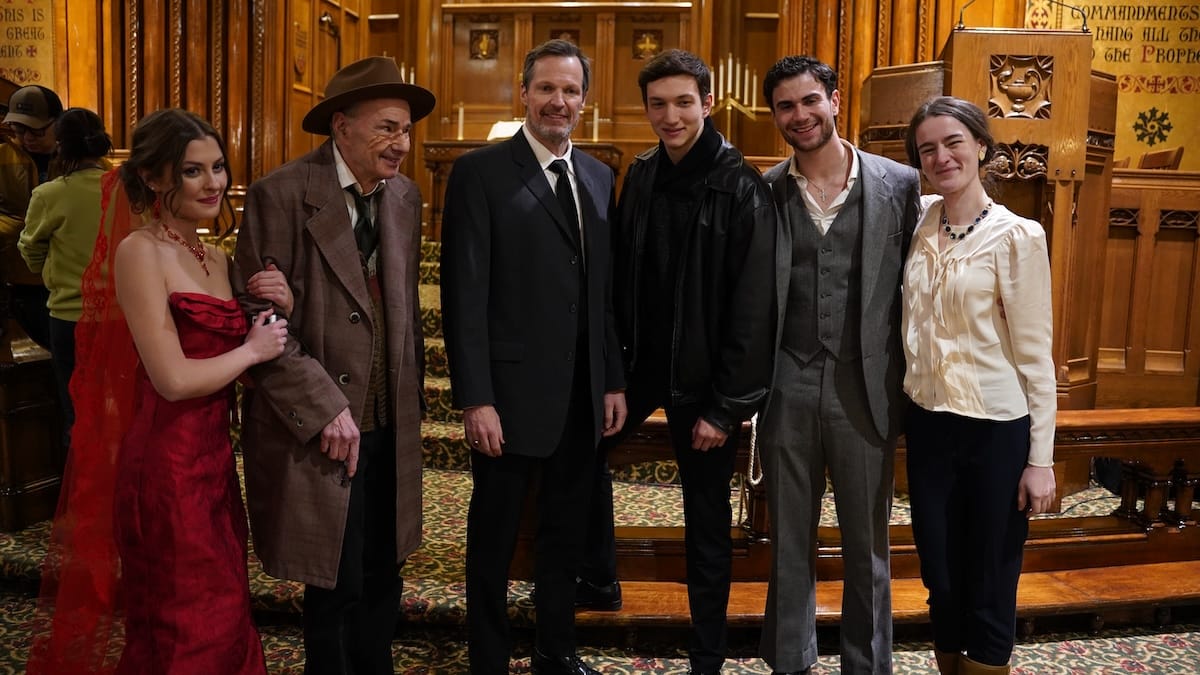
Freedom, and what it actually meant
This project was fully self-produced by L.I. Productions, with platforms involved only at the distribution stage. That distinction made a practical difference.
In earlier platform collaborations, Zhang said, creative feedback tended to center on pace and specific shot requirements.
"They'd say, make the rhythm faster, keep the cuts shorter. Or — you have to give me a close-up in this scene."
The team would accommodate those notes.
On this project, none of that applied.
"Because we were producing it ourselves, there weren't many restrictions. We shot the close-ups when we thought an emotional moment needed one. We didn't shoot them because someone required it."
The team had previously proposed a slow-burn romance concept to a platform. The response was direct: that kind of pacing doesn't perform. The platform wanted something faster, more conventional.
His Princess from Nowhere got made precisely because no one was in the room to say that.
Cinematography: a month of planning for eight days of shooting
Zhang served as both producer and director of photography, an unusual position that gave him a particular kind of control over the project's visual approach.
Before filming began, he spent more than a month in pre-production thinking through the lighting setup for every location.
"Because I'm a DP, I treat this like a professional project. I photographed every location during the scout. I mapped out where the lights would go. And because we had limited equipment, I had to figure out how to reduce light movement on the day while still creating visual variation."
The constraint he was working around: most of the story takes place in a single location. Zhang had to design the lighting so that the same space could read as different rooms, different times of day, different emotional registers, without the crew spending hours repositioning every setup.
"I knew that if I did this thinking in advance, we could arrive on set and move quickly. My camera operator and AC had both worked with me on previous projects. They knew what I wanted without being told."
The series was shot on a Sony FX6. Not an unusual choice for the format, but the preparation behind how it was used was a different matter.
"We did it in eight days. Everything was fast, and we moved quickly every day. But because the story and the visual plan were already designed around that speed, we could focus on getting the performances right. That's where the prep paid off."
Casting: traditional process, unexpected results
The team held conventional auditions, no shortlist of known vertical drama actors, no platform recommendations. Actors submitted for roles, the team assessed them based on how well they understood the material, and selections were made.
"We gave actors the scene and no other context. We just wanted to see how they understood it, how they brought themselves to the role."
Two of the female leads had previous vertical drama experience. When they received the script for His Princess from Nowhere, Zhang said, both noticed immediately that it felt different.
"They could tell this wasn't the same as what they'd done before. That gave them a kind of energy going in."
As it turned out, the lead actress had feature film credits, something the team didn't know during casting.
"There were so many resumes. You can't read everything. We were choosing based on feel, on how they responded to the scene."
The male lead also had feature experience. Zhang learned this later, after production wrapped.
There was no full table read before filming. Rehearsals happened mostly during costume fittings, when the cast and crew had time together to discuss the characters.
"We told them: this is how we understand the role. But how you play it, that's your interpretation. Bring yourself to it."
If a performance came in slightly over or slightly under, Zhang said, that's what editing is for.
"We gave actors a lot of room. And then we shaped the material in post."
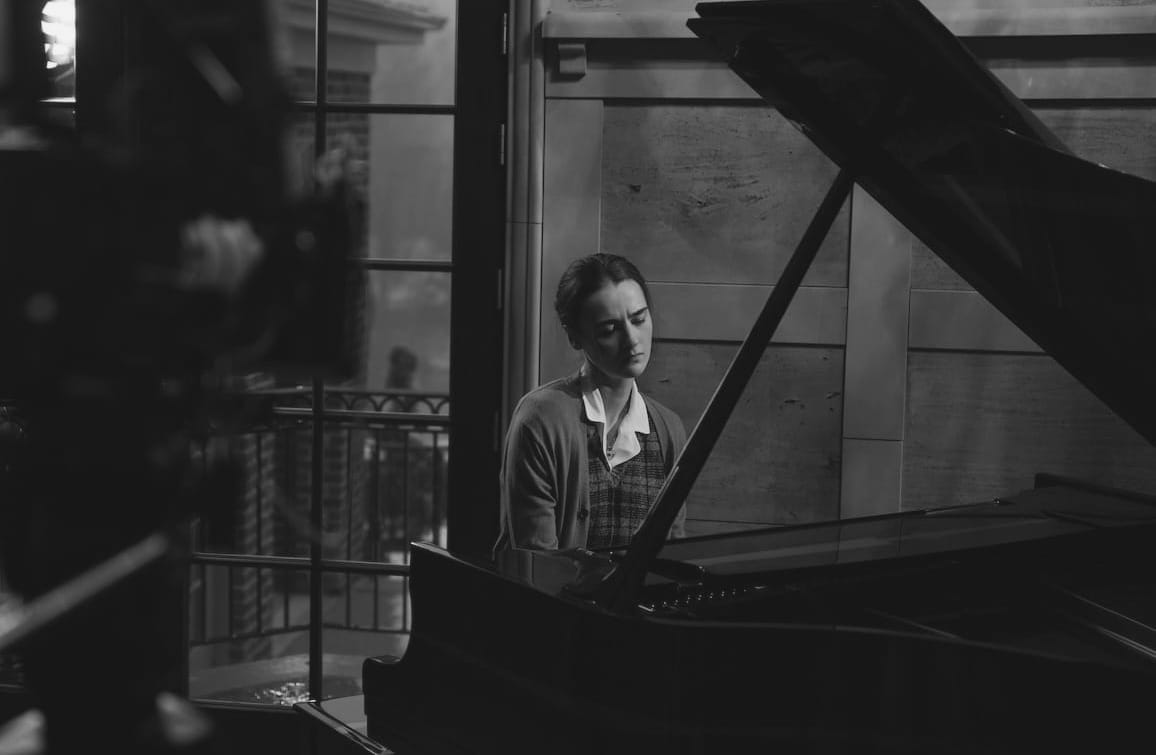
Finding the right rhythm in the edit
Post-production became the stage where many of the questions about tone got resolved, not by design, but through trial and error.
The first editing pass followed a familiar instinct: cut faster. It didn't work.
"When we made it faster, it suddenly felt rushed. Because the scenes were staged cinematically, because the performances had that kind of weight, forcing the edit to move too quickly disrupted the emotional flow."
The team stepped back and started again, looking for what Zhang called the "sweet spot."
"In the end, the story guided us. It told us how it needed to be cut."
The production also had more post-production time than most vertical dramas, there was no platform deadline pushing the schedule. The team chose to release in November, timed to the winter setting of the story and the approach of Valentine's Day. That gave them room to work carefully through color, pacing, and music.
Music, in particular, was a deliberate choice. Rather than the pop sounds audiences might expect from a 1960s period setting, director Dustin Blac chose European classical music throughout, creating what he described as a "sealed world" within the estate, where time slows and emotion takes precedence. When the story moves outside the mansion, the soundtrack shifts: blues, early rock and roll, the pulse of the wider world.
Audience response
Full revenue data from the platforms hasn't come in yet, Zhang noted it typically takes at least three months to see meaningful figures. But audience responses began appearing quickly after release.
"I went onto our social media and saw people commenting very emotionally. They were reacting to the music, to the editing, to specific performances. I had assumed vertical drama audiences maybe didn't pay that much attention to those things. Now I know they do."
Comments centered not just on plot, who ends up with whom, which character the audience was rooting for, but on emotional texture. How a scene felt. What the music did to a moment.
"As a creator, that's what you want to hear. The overall numbers look reasonable too. But the emotional reactions are what stay with me."
What comes next
Zhang isn't certain what the next vertical project would look like, but he has a clear sense of the direction he wants to explore.
"If I had another opportunity, I think I'd push further. Either much faster, or much slower. Almost like a film. I want to test the boundaries of what vertical audiences will actually accept."
The instinct behind that comes from a broader view of where the format might be going. "After the pandemic, people got used to watching films at home. Eventually they'll get used to watching on their phones. When that day comes, there'll be room for all kinds of styles. I want to be ready for that."
For now, His Princess from Nowhere sits where it does, not a departure from vertical drama, but a slight stretching of it. Made by a team that didn't overthink the format, brought their own fingerprint to the material, and let the story lead.
"We're filmmakers," Zhang said, near the end of our conversation. "That's what we know how to do."
His Princess from Nowhere is available on Dramawave and Flareflow. 86 episodes, 1–3 minutes each.
You can also read our review of the series written by Liz:
 Liz
Liz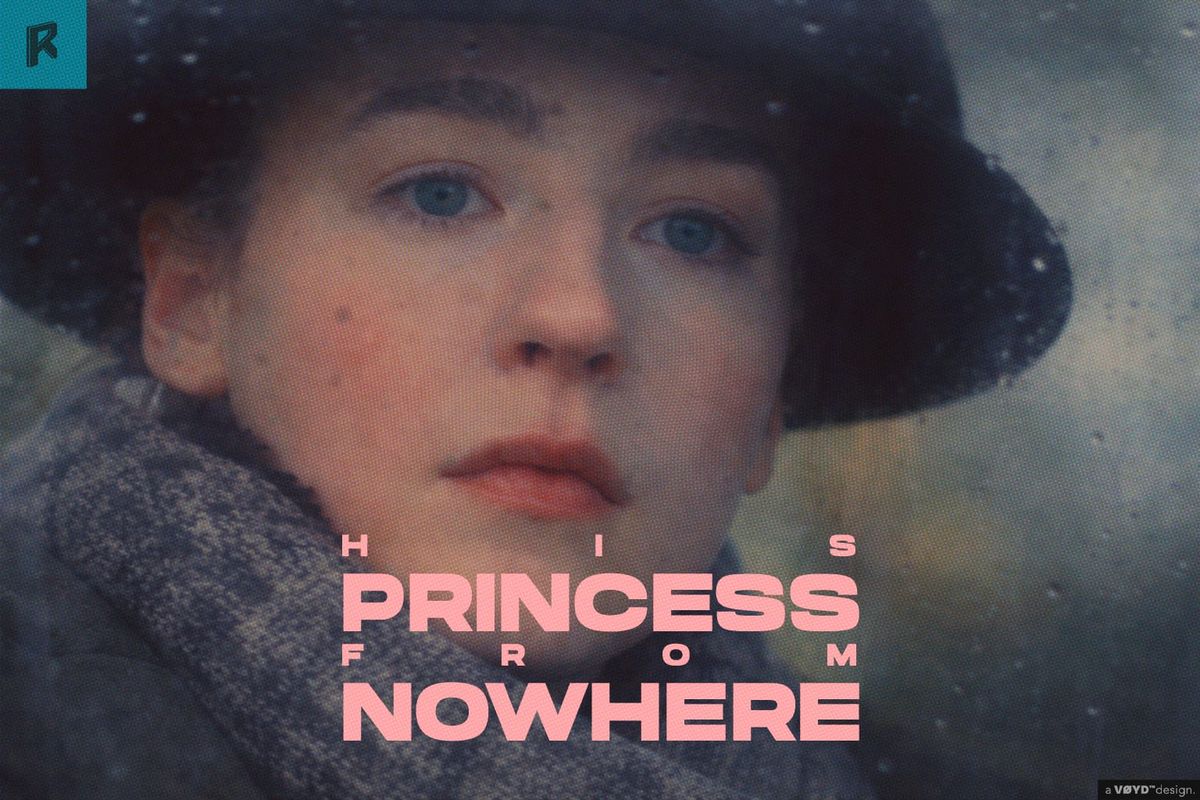
If This Found You More From the Field From the Same World
LA-based director Sining Xiang came from the same traditional film background. His vertical hit crossed 500 million views. He talks about what that actually felt like from the inside.
Real Reel
If Lee's process made you think about your own — this is the craft breakdown. Why good vertical scripts still fail, and what the format actually demands from writers coming from film and TV.
Real Reel