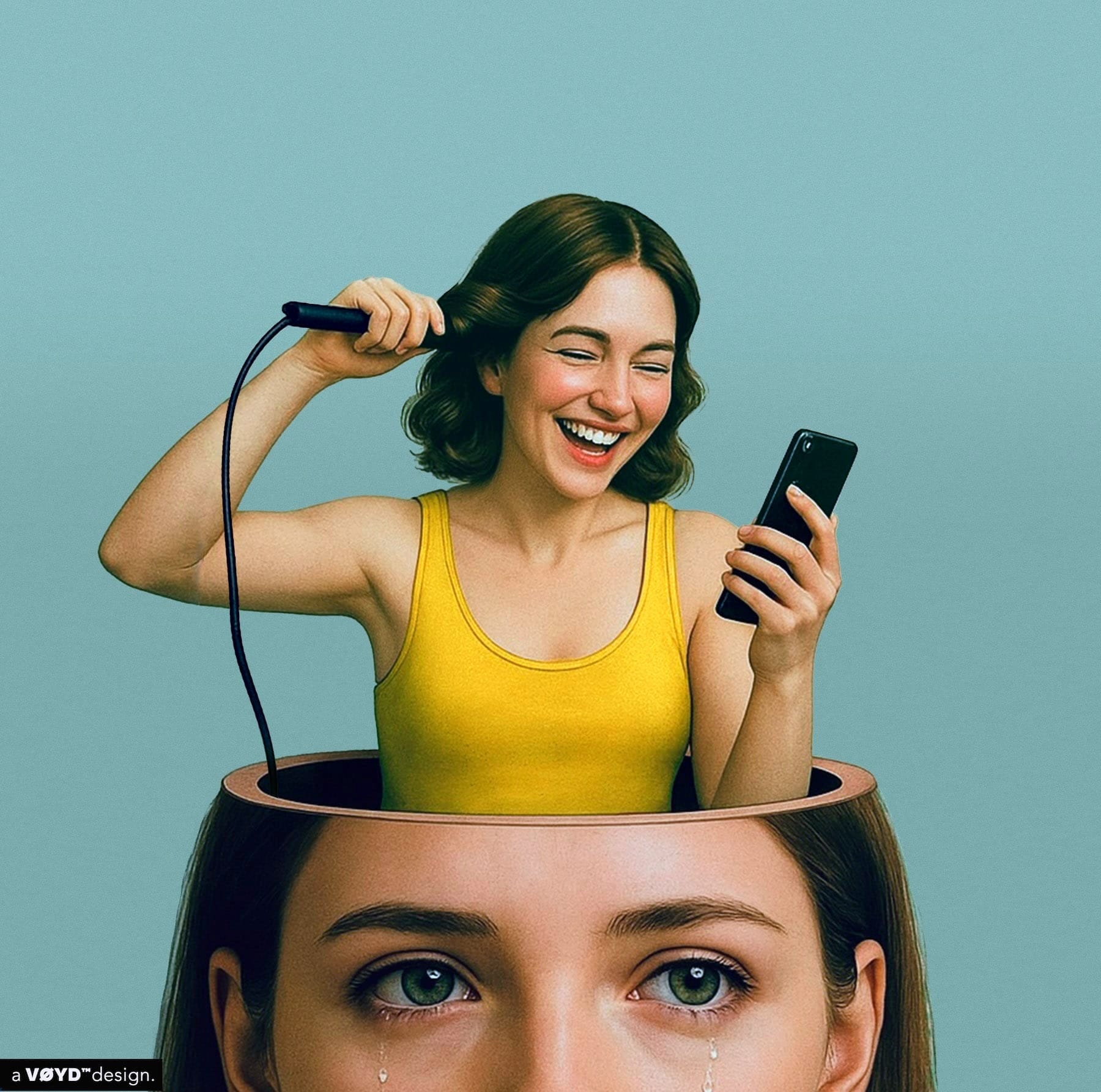
The vertical drama thriller is a format still finding its footing — but Screen Time, Hoorae Media's first microdrama series, arrives with a genuinely sharp concept: a psychological horror story about digital exposure, released directly on TikTok, the platform its audience uses to doomscroll. As vertical video continues attracting major creative voices, this PineDrama co-production signals something about where the format is heading next.
⚈ ⚈
Screen Time Review:
The Thriller That Turned Doomscrolling Into the Horror Story
-
Review by Liz
@portraitstorydiaries
A thriller about screen obsession, released directly on TikTok, is honestly genius.
Screen Time knows exactly where it lives. As Hoorae Media’s first vertical microdrama series, it turns the very app we use to escape, scroll, and lose time into part of the fear, showing private lives unravel through hacked phones and exposed secrets while we watch on our own devices. Founded by multihyphenate creator Issa Rae, Hoorae Media is a Black- and woman-owned company, making its move into vertical storytelling especially meaningful; the series feels less like a format experiment and more like a natural extension of Rae’s belief that powerful stories should meet audiences wherever they already are.
That proximity makes everything feel a little too real.
The premise is terrifying because it feels way too possible. What if someone suddenly got access to your entire phone? Your messages, photos, hidden conversations, private mistakes, digital footprints, and every version of yourself you never meant anyone else to see?
That unease becomes the foundation of a suspenseful mystery in which trust begins to collapse from the inside out.
Friendships crack. Relationships unravel. Everybody looks suspicious.
Everybody feels guilty.
▙ ▙
You are not just watching a thriller about phones. You are holding the weapon in your hand...
Liz
If Black Mirror (2011), Perfect Strangers (2016), and Bodies Bodies Bodies (2022) somehow had a TikTok-native baby, you would absolutely get this show. It has that tech-paranoia chill, but with relationship drama sitting right in the middle of the fire. Secrets explode. Couples turn on each other. Friendships become unstable. You can genuinely feel the panic, betrayal, and desperation escalating through the screen.
Every episode ends dirty, and I mean that with my whole chest.
The show cuts away at the worst possible moment, then leaves you staring at your phone like, “No no no, come back.” But that is exactly why the vertical format works so well here. The short episodes do not weaken the suspense; they sharpen it. Each installment feels like a fresh notification you probably should not open but absolutely will.
Created in partnership with TikTok and PineDrama, this release arrived with more attention than the average vertical drop. It became a clear signal that mobile-first storytelling is being taken seriously by major creative voices, reportedly drawing nearly 75 million views across both platforms in its first week.
That kind of reach matters.
What has been especially interesting to watch is the conversation surrounding the release itself.
Many viewers have been thrilled to see a vertical drama made readily available without the traditional paywalls that often come with dedicated apps.
At the same time, it has sparked broader discussions within the community about distribution, accessibility, and the format's future as new platforms enter the space.
Those questions are much bigger than any one series.
But Screen Time arrived right in the middle of that moment, becoming part of a larger conversation about how audiences discover vertical dramas and how the industry continues to evolve. Whether free-access releases become more common or remain the exception, one thing feels clear: there is a massive audience eager to engage with this format when barriers to entry are lowered.
▙ ▙
A thriller about screen obsession being released directly on TikTok is honestly genius...
Liz
And honestly? Releasing a story with this title through one of the biggest screen-time apps in the world is still one of the smartest creative decisions I have seen in a while. The story and the platform mirror each other so perfectly that watching it almost feels like becoming part of the point.
You are not just watching a thriller about phones.
You are holding the weapon in your hand.
That is what makes the series feel so relevant to the way we live now. Our phones hold so much of us: conversations, memories, secrets, comfort, shame, and pieces of ourselves we never meant to share. The story taps into that quiet fear and makes it feel dangerously close to real life.
Huge credit goes to the creative team for making the tension feel so alive. Director Kristen Brancaccio keeps the story moving with the right amount of panic and emotional mess, while Thomas Pallier and Enzyme Films help shape the digital-threat atmosphere through sharp post-production. The editing, pacing, and screen-based tension create a mystery in which nobody feels completely innocent, making the whole thing even more stressful and addictive.
It is also incredibly refreshing to see a predominantly Black ensemble cast leading such a gripping psychological thriller in the vertical drama space. The casting gives the story a richer texture and makes the world feel more specific, grounded, and alive. Every performance adds to the panic, betrayal, and desperation until the tension feels almost contagious.
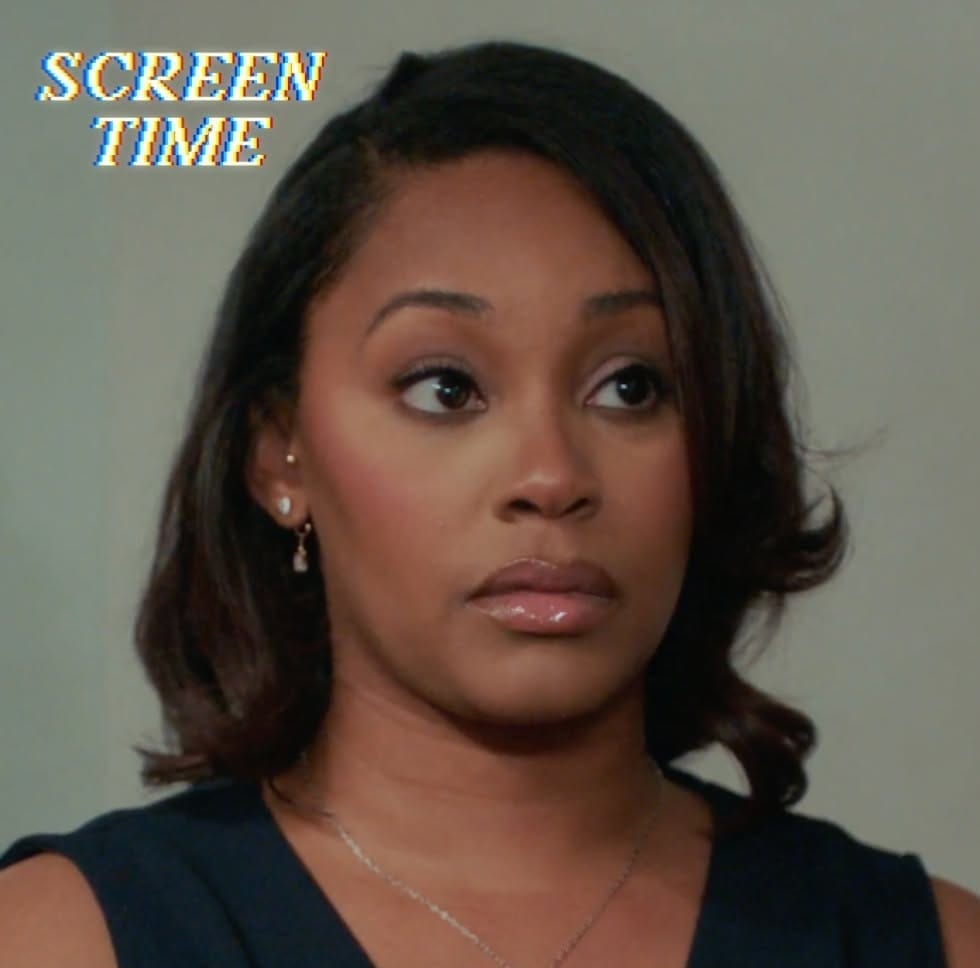
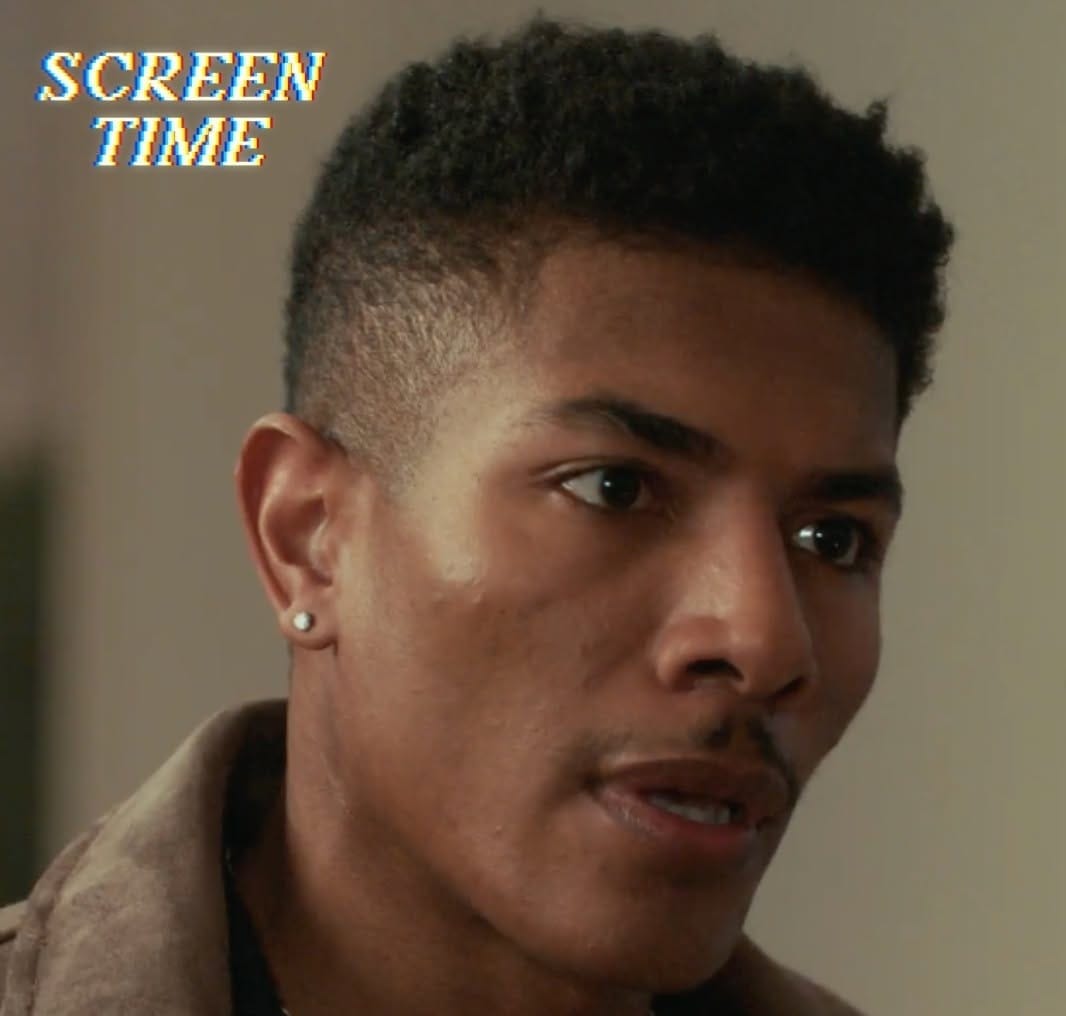
Brittney Jefferson applies emotional pressure on Danielle as the life she is trying to protect slips from her control. Eric C. Lynch gives Marcus a polished, strategic presence that makes you question every word he says. Jasmine Luv is sharp and fierce as Olivia, carrying confidence while still letting fear crack through the surface. Xavier Avila gives James a very human vulnerability, especially as pride and panic push him toward impossible choices. Jenna Nolen brings wildcard energy as Rachel, instantly making every scene feel more unstable.
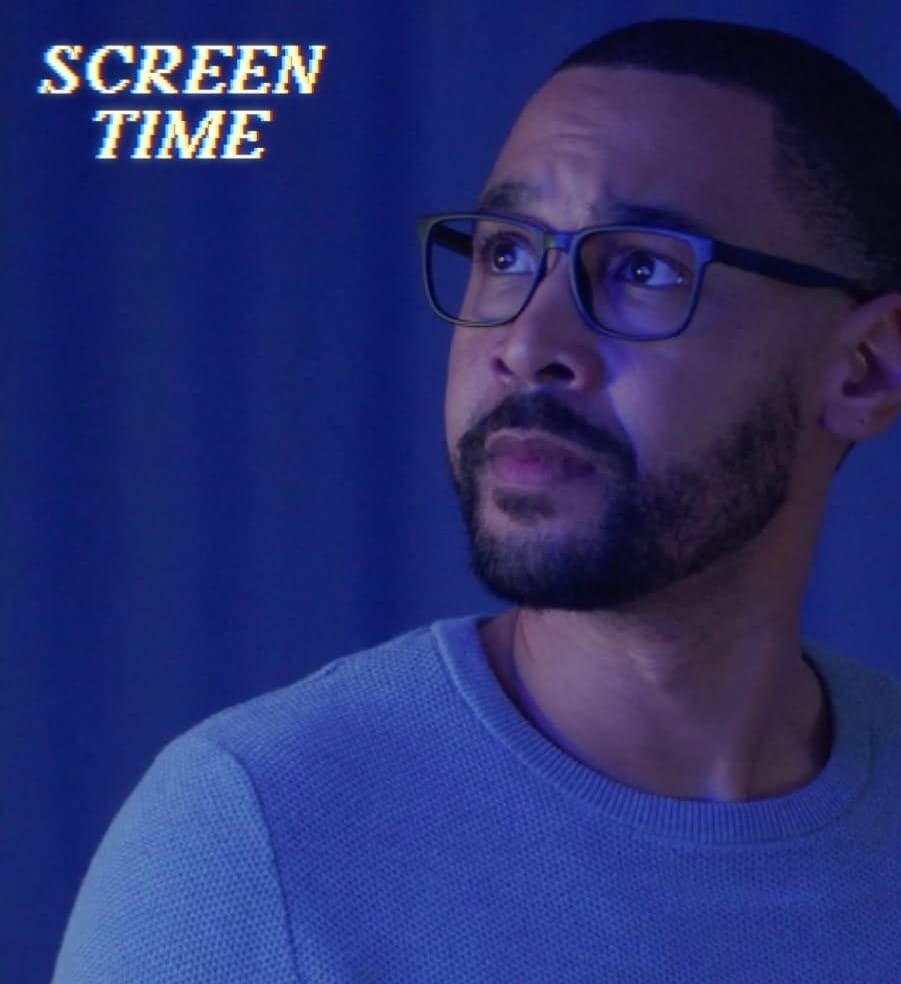
▙ ▙
The story and the platform mirror each other so perfectly that watching it almost feels like becoming part of the point...
Liz
Nobody feels completely innocent, and honestly, that is part of the fun.
What makes the show work for me is that technology is not the only scary thing here.
The real horror is emotional.
It is watching people realize how much they have hidden from those closest to them. It is the panic of being exposed too quickly, too publicly, too completely. It is the fear that someone could look at your private life and decide who you are before you get the chance to explain yourself.
That is why the show hits close to home.
It is not just about hacking. It is about shame, trust, image, and the terrifying thought that our digital lives might reveal themselves to us before we are ready.
And trust me, you absolutely need to watch until the very end because there is still one last cliffhanger waiting.
I am saying nothing else because I refuse to spoil the chaos.
Y’all can spiral the way I did.
Screen Time is suspenseful, addictive, culturally refreshing, and surprisingly significant beyond the story itself. It takes the very platform we use to escape and turns it into the source of fear. At the same time, it arrives at a fascinating moment for vertical storytelling, one in which new audiences are discovering the format and new questions are being asked about where it goes next.
That is not just a good gimmick.
That is the whole point.
Tick tock. Your screen is watching back.
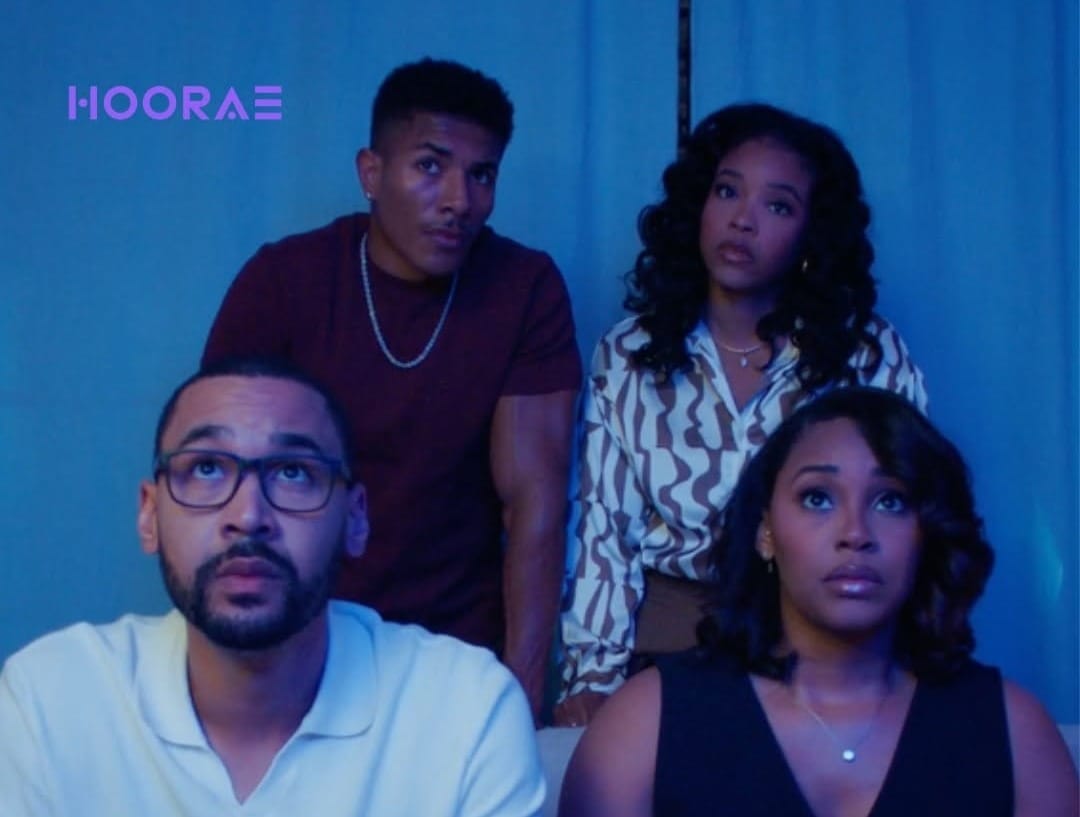
Available on TikTok
Images used in this article are sourced from the public internet and are presented for editorial context only. All rights remain with their respective owners.
More Reviews From Liz
- Liz reviews His Princess From Nowhere — a self-produced vertical drama that treats silence and restraint as the primary storytelling tools. A different kind of unsettling.
 Liz
Liz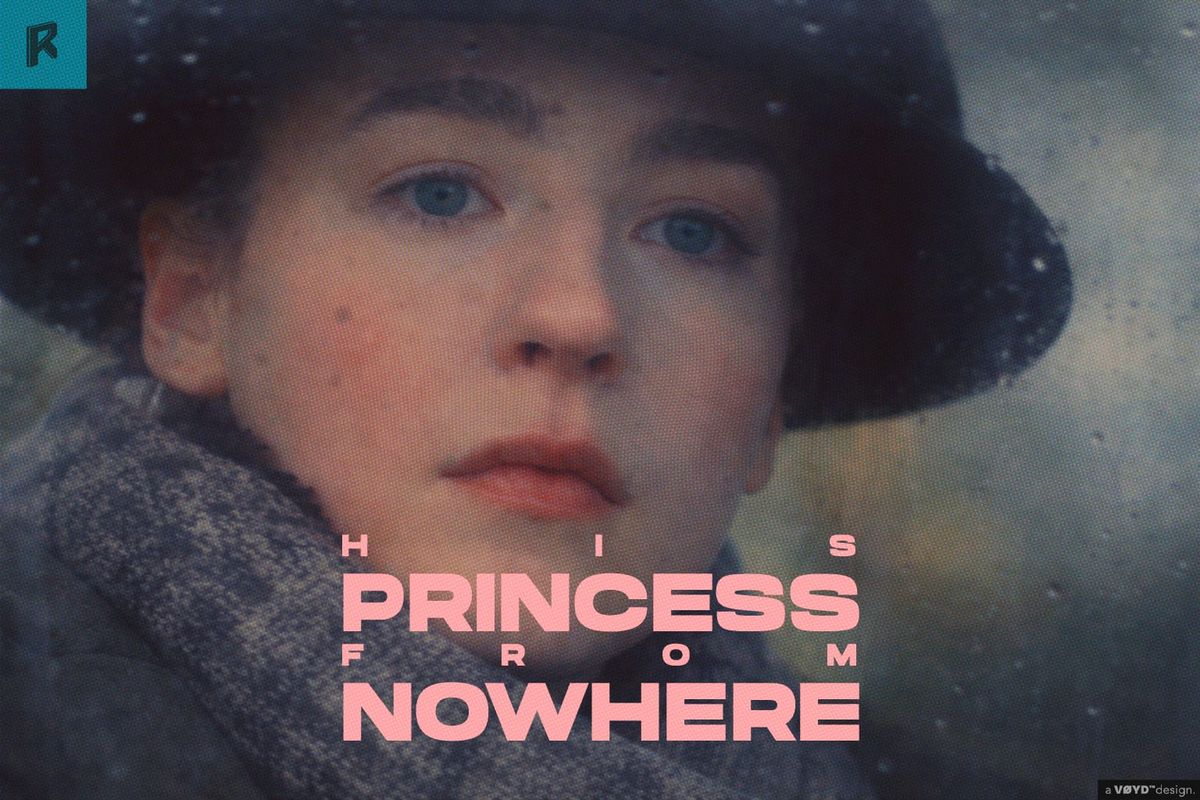
- Liz on The Golden Pear Affair — a branded microdrama rom-com that hides its product integration inside a genuinely fun story. A rare example of the format working against its own commercial logic.
 Liz
Liz
✱