Industry analysis of the global vertical drama and microdrama market.
⦿⦿
Vertical drama is no longer asking for a seat at the table - it's being assigned one.
Week of Apr 13-Apr 19, 2026

This week, vertical drama crossed into institutional territory. Netflix announced a vertical video discovery feed in its Q1 shareholder letter. The Television Academy put microdrama on the cover of emmy Magazine. Banijay's Endemol Shine Brasil delivered a locally produced microdrama for ReelShort in Brazil. From telco distribution in Southeast Asia to a new vertical content VP at Blink49 Studios, the short-form format is moving from emerging trend to structured industry practice.
Netflix Announces Vertical Video Discovery Feed Launching End of April
On April 16, Netflix confirmed in its Q1 2026 shareholder letter that a redesigned mobile app is arriving by end of month, with a vertical video discovery feed as its centerpiece. The company described the update as a way to "better reflect our expanding entertainment offering and make it easier for members to engage how and when they want." Netflix tested a limited version of the format in early 2025. This rollout is different: it's committed, public, and tied to a broader mobile-first pivot that the company says is driven by data showing video podcasts and short-form content "over-indexing" on mobile. The feed will surface clips and trailers from existing Netflix titles in a swipeable vertical format, positioned explicitly as a discovery tool, not an original short-form content category.
Netflix has been clear that this is not a microdrama play. The vertical feed is about discovery, not format adoption. But the direction is unambiguous.
When the world's largest subscription streamer formally commits to a vertical swipe interface in its earnings letter, the format's claim on mobile real estate becomes structurally harder to dismiss by distributors, by networks, and by the studios still deciding whether to staff up.
 Ivan Mehta
ReelShort × Endemol Shine Brasil: Banijay's Production Arm Delivers First Local Microdrama for Brazil
ReelShort and Endemol Shine Brasil, part of Banijay Americas, launched the Brazilian adaptation of ReelShort's global hit Married at First Sight on April 18. Locally titled De Repente Casados, the 89-episode vertical series stars Brazilian actors Laryssa Ayres and Ricardo Vianna, directed by Rogério Passos, a veteran of Brazilian television drama. ReelShort's lead producer for Latin America, Maritza Castro, described the partnership as evidence that "great stories are built locally." Endemol Shine Brasil brings a track record in local format production and has previously produced microdrama content for Kwai and Meta. The original English-language Married at First Sight, released in 2023, has accumulated over 227 million views globally.
This is not a licensed drop into a new territory. It is a fully produced local adaptation, with Brazilian talent, crews, and cultural context, built from the ground up for a Brazilian audience.
Banijay Americas is one of the world's largest content groups. Its production arm delivering a locally produced microdrama for a global platform confirms that the format's localization strategy has moved beyond the experimental phase and into mainstream production pipelines.
Ed Meza
emmy Magazine Puts Microdrama on Its Cover
The Television Academy's emmy Magazine Issue #4, on sale April 14, runs microdrama as its lead feature under the title "Long Story Short." The piece centers on Noah Fearnley, now one of the most in-demand actors in the format with roughly 50 vertical series to his name, alongside producer and director perspectives on what the format demands creatively and economically. The article notes that in the first eleven months of 2025, more than 17,000 jobs were cut across television, film, broadcast, news and streaming, and positions microdrama as one of the few expanding employment channels in that environment. Sensor Tower data cited in the piece shows U.S. microdrama app revenue reaching close to $350 million in Q1 2025 alone.
emmy Magazine is published by the Television Academy, whose membership includes Emmy voters, network executives, and the institutional layer of American television.
The Television Academy is not a trade publication chasing a trend, it is the credentialing body for American television. A cover feature on microdrama is a different kind of legitimacy signal than a trade story, and it will be read by exactly the people still deciding whether to take the format seriously.
 Mara Reinstein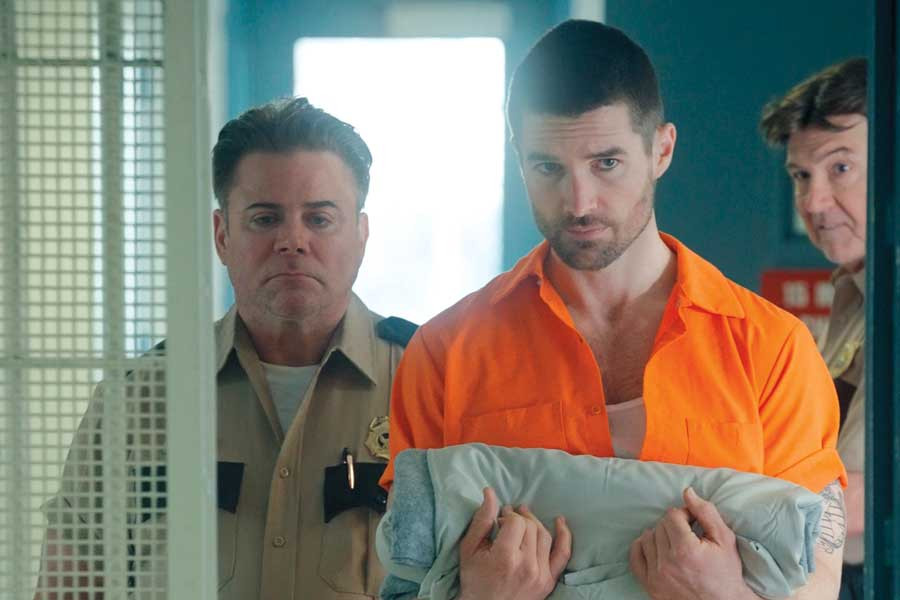
Blink49 Studios Creates Dedicated Vertical Content VP Role
Toronto-based Blink49 Studios announced on April 15 the appointment of Tieren Hawkins as Vice President of Vertical Content, a newly created role and one of the first of its kind at an established production studio. Hawkins has spent the past year producing microdrama for ReelShort, Dramawave and ShortMax from Canada's East Coast; his series Forbidden Bonds (Dramawave) reached over 150 million views in its debut week. At Blink49, he will develop an original vertical slate and adapt existing IP into the format, working across the studio's Brand Studio and traditional platform relationships. Blink49, whose strategic investors include Fifth Season and Bell Media, and whose CEO John Morayniss previously ran eOne Television, said it already has multiple vertical projects in development with a named "major" U.S. network. Production will leverage Canada's competitive tax incentive landscape for microdrama.
Staffing a dedicated VP-level executive for vertical content is a structural move, not a pilot. It signals that Blink49 is treating microdrama as a business line rather than a one-off project, and with Fifth Season and Bell Media behind it, this is a company whose moves tend to precede the wider industry by a beat.
Etan Vlessing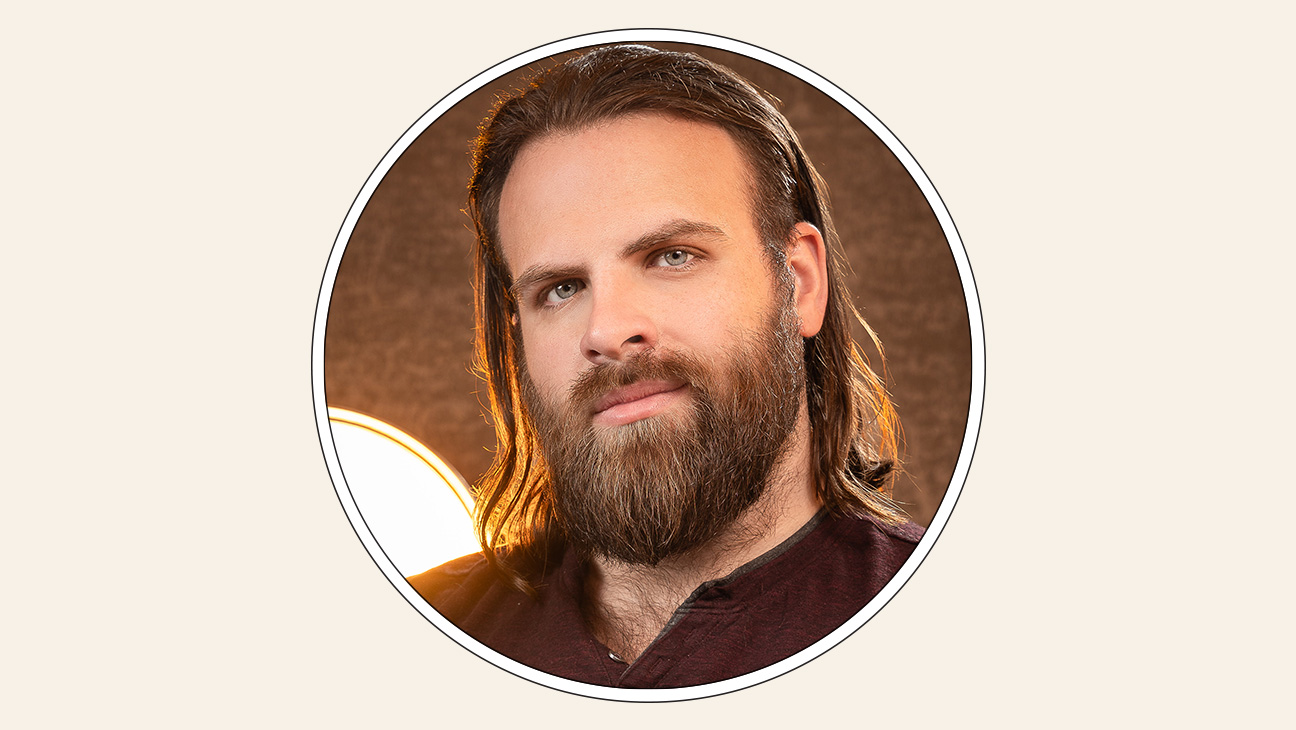
Nine Network Commissions Australia's First Reality Microdrama
Australia's Nine Network has commissioned FLEX, described as the country's first micro-reality series, produced by Ronde Media, the company behind Bondi Rescue, Territory and Billion Dollar Playground. The show follows seven aspirational twenty-somethings navigating Sydney's Bondi area, dropping one-to-two-minute vertical micro-episodes daily on Instagram and TikTok, with full 22–25-minute weekly episodes airing on Nine's streaming platform 9Now from April 24. The hybrid structure is deliberate: vertical as the discovery engine, traditional broadcast as the full narrative.
Nine is the second-largest free-to-air network in Australia. Ronde Media is not a startup, it is one of the most commercially reliable factual producers in the country. That said, FLEX is not a pure microdrama play. The primary content is a conventional half-hour reality format; vertical is the marketing layer. The distinction is worth naming.
A major broadcast network using vertical micro-episodes as a structured distribution strategy, not as an afterthought, but as a commissioned format, establishes a new production model: vertical-first social, traditional broadcast for retention. Whether the format is "real" microdrama is a separate debate; the business logic is real enough.
 Kyle Laidlaw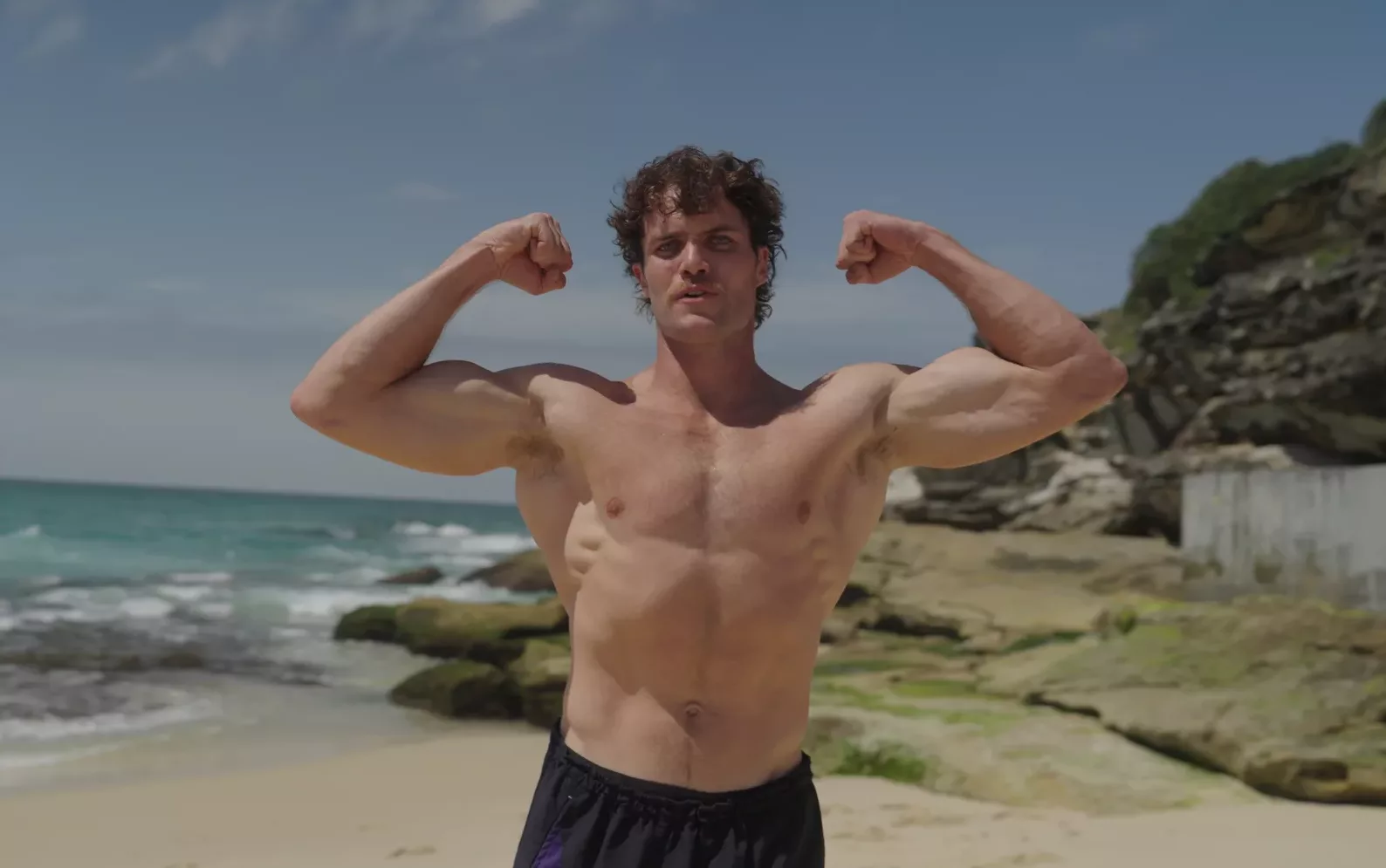
(Catch-up from Last Week) ReelShort × AIS Thailand: First Southeast Asia Telco Deal
ReelShort entered Southeast Asia last week through a partnership with AIS, Thailand's largest 5G network operator with over 52 million customers. The deal introduces a co-branded "5G ReelShort" add-on package priced at THB39 per month, approximately $1.15, against the platform's standard THB599 subscription rate, giving AIS subscribers full ad-free VIP access bundled with data. ReelShort arrives in Thailand with nearly 3,000 titles, including 300 fully dubbed in Thai. It is the platform's first telco alliance in the region and also marks the first transaction for AR Asia Productions as ReelShort's newly appointed exclusive Southeast Asia distribution representative. ReelShort CEO Joey Jia described Thailand as "just the beginning" of a broader regional expansion strategy.
Telco bundling at $1.15/month is not a premium play, it is a mass-market penetration strategy, and it mirrors the exact distribution model that drove microdrama's early growth in China. If this structure replicates across Southeast Asia, it changes the addressable audience math for every platform in the region.
Naman Ramachandran
VeYou Acquires a 52-Episode Elon Musk Vertical Biopic
VeYou, the recently launched microdrama platform founded by Top Gun: Maverick producer Tommy Harper, who has publicly positioned it as the "HBO of microdramas", has acquired Elon, a 52-episode vertical biopic about Elon Musk from San Francisco startup Bitz Films. The series, which launched last October, incorporates what Bitz describes as "speculative sci-fi" elements, dramatizing SpaceX's early failures, the Twitter acquisition, and Musk's Mars ambitions in episodes approximately one minute long. It was self-funded and originally released directly by Bitz, with the first five episodes free. VeYou is also building out its library with romance and action acquisitions alongside its flagship original Love Under Fire.
For context: A24 and Darren Aronofsky are currently developing a conventional Elon Musk biopic for theatrical release. The two projects now exist in the same cultural moment, at opposite ends of every production variable imaginable.
The acquisition says less about Elon Musk and more about where microdrama thinks its ceiling is, a platform that wants to be taken seriously is betting that a tech biopic, however speculative, signals ambition. Whether the content delivers is a different question. The instinct to reach for it is the data point.
C21 reporter
✱