Industry analysis of the global vertical drama and microdrama market.
⦿⦿
Upfronts week handed vertical drama something it has been waiting for: not one, but three simultaneous moves from mainstream media. The format did not need to prove itself this week. The institutions came to it.
Week of May 11-17, 2026
This week in vertical drama, microdrama moved from format experiment to platform strategy. Peacock announced original Bravo microdramas and began licensing ReelShort content. aTwist named itself and signed BET. TrueShort raised $12M from Katzenberg and Khosla. And Canela Media launched Zully, an AI-native bilingual vertical video platform. Seven stories. Most landed within 72 hours.
Peacock Does Both: Bravo Originals and a ReelShort Licensing Deal, Simultaneously
At its Upfronts on May 12, NBCUniversal announced that Peacock will launch two original unscripted microdramas this summer from Bravo: Salon Confessionals with Madison LeCroy and Campus Confidential: Miami, featuring Georgia Gay (daughter of RHOSLC's Heather Gay). Each runs approximately 60 episodes at 60–90 seconds, ending every micro-episode on a cliffhanger, and lives exclusively in the Peacock mobile app. Peacock is also launching a vertical homescreen section anchored by Your Bravoverse — a personalized swipeable playlist built on an AI version of Andy Cohen drawing from 5,000+ hours of Bravo archive.
Alongside the originals, Business Insider reported that Peacock has begun licensing content directly from ReelShort for its app, making it the first major U.S. streamer to treat a microdrama-native platform as a content supplier. Self-producing and licensing simultaneously is not an experiment. It is a product strategy.
The implication for ReelShort, and for every platform that has spent three years building a library, is that the distribution question just changed. The major streamers are no longer watching. They are deciding what to carry.
 Todd Spangler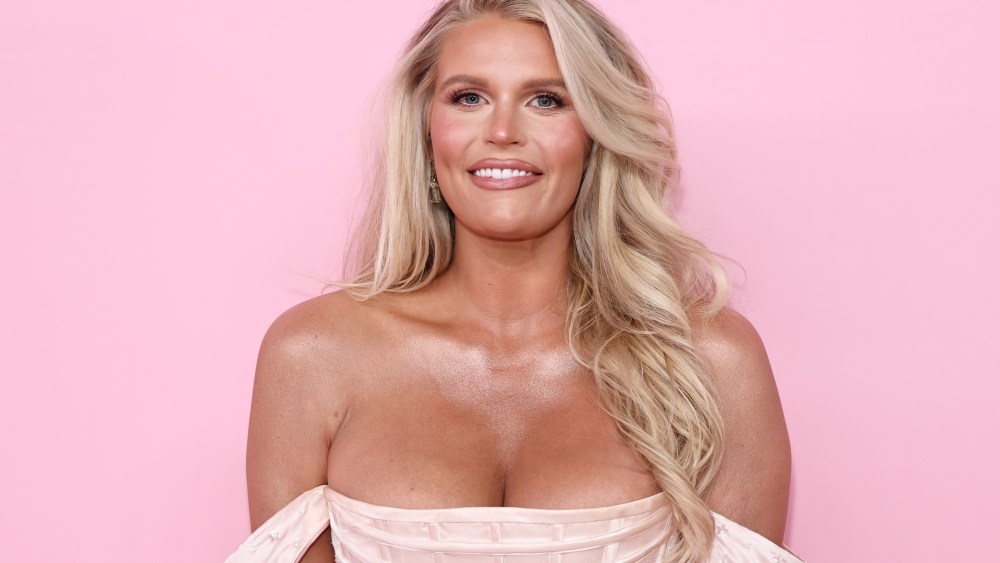
MicroCo Is Now aTwist. And Its First Deal Brings Windowing Into the Format.
The platform founded by former WME/ABC Entertainment chairman Lloyd Braun, former Showtime president Jana Winograde, and former NBCUniversal content chairman Susan Rovner revealed its consumer name this week: aTwist, with a summer App launch. The announcement came alongside its first major deal: BET will co-develop original microseries with aTwist, airing long-form cuts on BET's linear channel first, then re-edited as vertical microseries for the aTwist app.
This is the first application of a windowing model to microdrama — borrowing distribution logic that has governed premium TV for decades and applying it to a format that has operated entirely outside that system. The partnership targets Black audiences, which both companies identified as largely underserved in the current microdrama ecosystem.
For traditional networks with declining linear audiences, aTwist's model offers something specific: a low-cost content pipeline with a built-in second window. Windowing entering microdrama signals the format is being treated as a first-run content category, not a repurposing layer.
 Tess Patton
TrueShort Raises $12M: Katzenberg, Khosla, and A24 Back an AI-Native Vertical Startup
TrueShort, an AI-native vertical film startup, has closed a $12 million seed round led by Keith Rabois at Khosla Ventures, with participation from Jeffrey Katzenberg (DreamWorks founder), Scott Belsky (Behance / Adobe), Ravi Nandan (A24), Brian Halligan (HubSpot), and General Catalyst. The company produces AI-generated vertical short films, one to three minutes per episode, at a reported cost of $1,000–$3,000 per title.
The Katzenberg dimension is worth naming. He co-founded Quibi, raised $1.75 billion, and watched it shut down in eight months. The thesis — mobile audiences want short premium content — was not wrong. The $6 million-per-episode execution was. TrueShort is the same directional bet at a cost structure that makes failure structurally harder to reach.
For the first time, a startup building AI-generated vertical content has drawn capital from both the Hollywood layer (Katzenberg, A24) and the Silicon Valley infrastructure layer (Khosla, General Catalyst) in the same round. That convergence matters more than the number. AI-native vertical production is becoming an investment category.
 Lucia Moses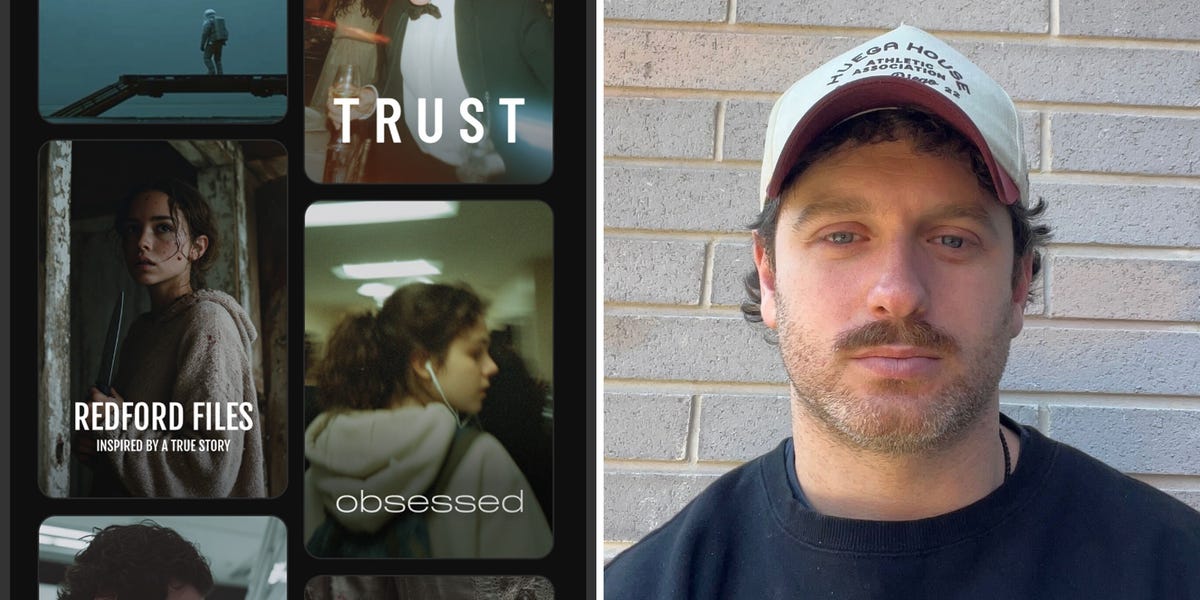
Canela Media Launches Zully: The First AI-Native Microdrama Platform Built for a Specific Audience
At its Upfronts lunch on May 12, Canela Media announced Zully, a standalone vertical microseries app targeting U.S. Hispanic and Latin American audiences, launching globally in Fall 2026. The platform is fully AVOD, 100% scripted, and aims to produce 30 original series per month combining AI-generated and live-action content in English and Spanish. Production is anchored in Mexico. At the presentation, Canela showed a clip from early title Pride of the Rancho — Jane Austen meets Yellowstone — in which every live-action scene was entirely AI-generated. CEO Isabel Rafferty-Zavala noted that human oversight remains part of every production, but the AI-first workflow is how Zully reaches 30 series a month.
Canela is not the first company to use AI in microdrama. It is the first to build an entire consumer platform on an AI-native model, pointed at an audience that leads in streaming hours but has been systemically underserved by the existing ecosystem.
The next competitive dimension in microdrama is not volume, it is audience specificity. AI-scale production combined with a culturally defined target creates a logic that is difficult to replicate without both. For general-market platforms still building their libraries, this is the shape of the niche competition arriving.
 Dade Hayes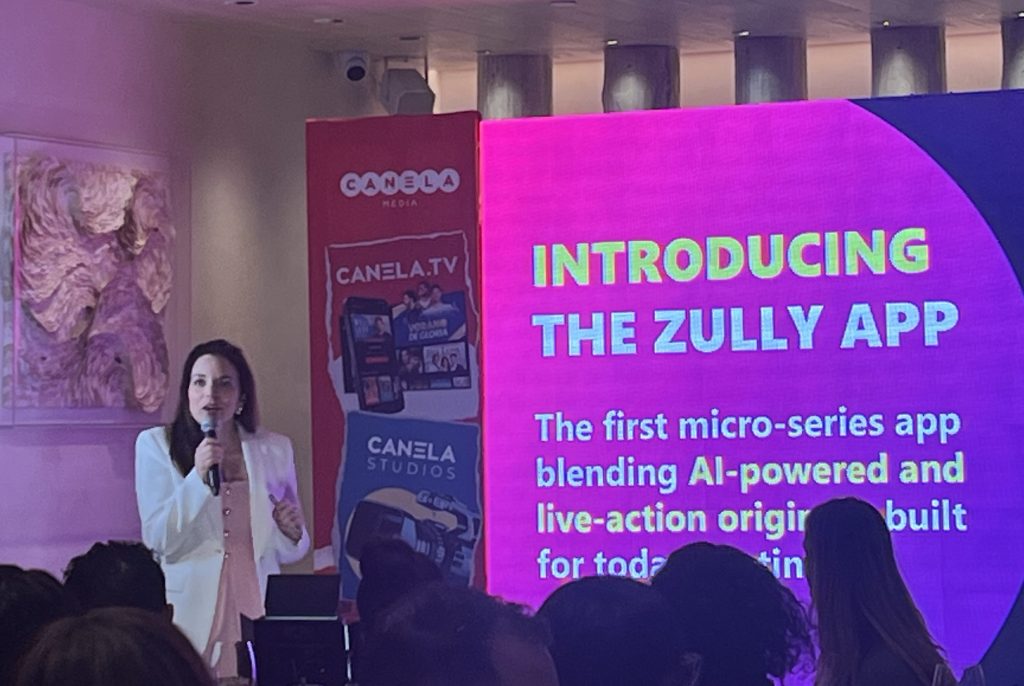
Issa Rae's Screen Time Hits 75 Million Views in Its First Week. The Comments Are the Data Point.
Screen Time, the debut microdrama from Hoorae Media, launched Act 1 on April 29 on TikTok and PineDrama. By the end of its first week, it had recorded nearly 75 million views — the highest-performing series in the history of both platforms by view count and seven-day watch time. Act 2 arrives May 22. The series, a thriller about a double-date movie night that unravels when a stranger forces each character to confess or face exposure, stars Brittney Jefferson (Rap Sh!t), Eric C. Lynch (Queen Sugar), and Xavier Avila (Shrinking). No AI-generated content.
That last detail became its own talking point. One comment with 50,000 likes: "No ads, short, suspenseful, not AI… I am hooked." Another with 15,000: "I'm surprised this acting is better than the others." These are not compliments. They are viewers explicitly contrasting Screen Time against the low-production content that defines most of the format, and rewarding the difference with engagement.
Quality in microdrama has been a theoretical argument. Screen Time turned it into a measurable one. For platforms currently deciding how much AI to embed in their workflows, 75 million views and a comment section full of "not AI" is a data point worth taking seriously.
 Tess Patton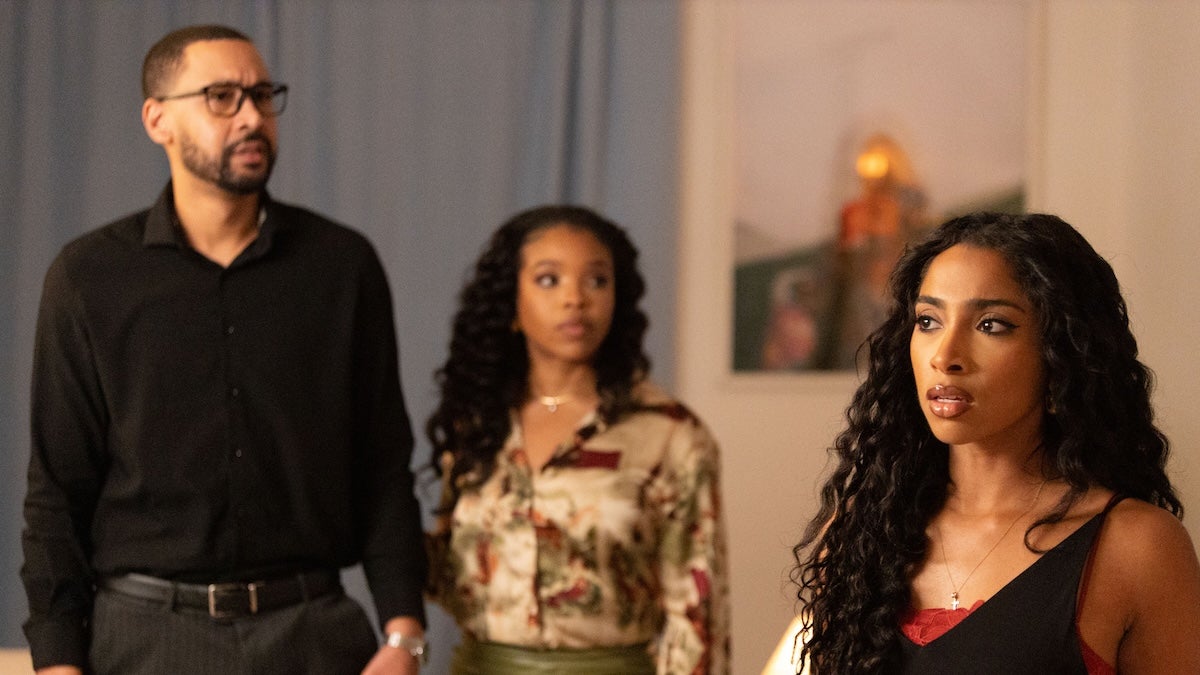
TelevisaUnivision Is Scaling, Not Testing: 100 Microdrama Titles in 2026
During Upfronts week, TelevisaUnivision confirmed that ViX Micro will produce 100 original microdrama titles in 2026, up from 40 last year — a 150% increase. The slate has already accumulated more than one billion views, with audiences growing roughly 48% quarter over quarter. ViX Micro is positioned as the primary acquisition engine for 18–34 year old Hispanic viewers, with brand sponsorship inventory now open to advertisers.
The announcement landed the same week Canela Media launched Zully with an identical audience target. Two companies — one from a legacy linear base, one digital-native — are now scaling Spanish-language microdrama simultaneously. How that competition resolves will define what premium Hispanic vertical content looks like heading into 2027.
100 titles is not an experiment. Moving from 40 to 100 in a single year while opening sponsorship inventory signals that Spanish-language vertical drama has crossed from exploration into infrastructure. The question now is which platform owns the audience when the dust settles.
 Jennimai Nguyen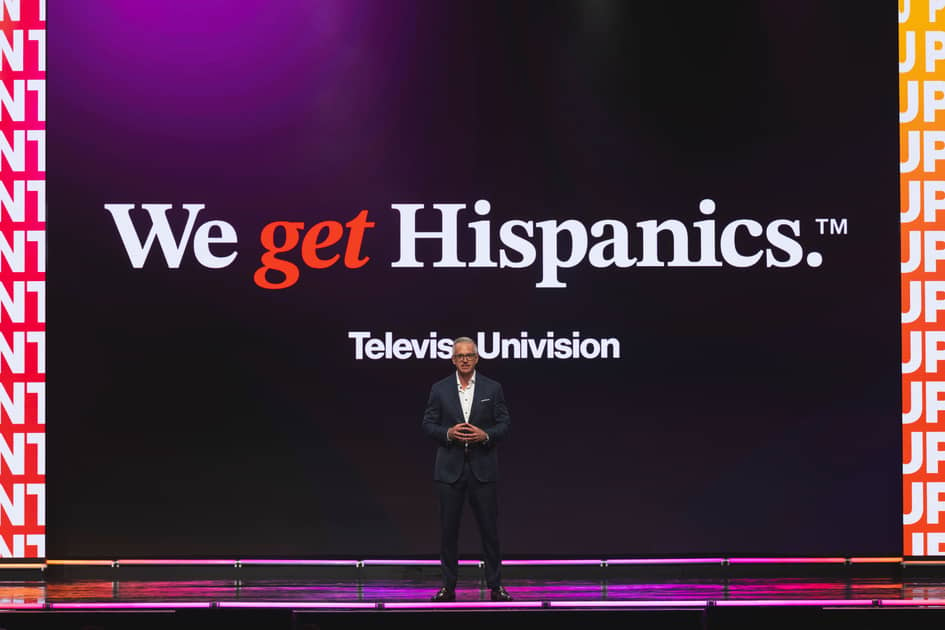
COL Group Rebuilds Its International Team With Hollywood Hires, and Names the Next Phase "Vertical 2.0"
COL Group (SZSE: 300364), the China-listed company behind FlareFlow, announced a series of senior international appointments on May 14. Timothy Oh has been elevated to CMO of FlareFlow while retaining his GM of International Business role. Joining him: Jason Ander as Head of U.S. Partnerships (formerly Hulu, Paramount, TikTok) and Eileen Low as Head of Partnerships and Sales for Asia (formerly Disney, Canal+ Distribution). Two further U.S. hires — Head of Marketing and Head of Content and Operations — arrive in June.
The appointments are framed around a strategic shift COL is calling "Vertical 2.0": moving FlareFlow beyond romance microdramas into premium live-action, creator-led content, AI-assisted workflows, branded entertainment, and new vertical-first genres. The company generated more than $2 million in TikTok microdrama revenue in Q1 2026 and is building co-productions with European platform Shorts (Luni) and Southeast Asian partners. "The vertical content models that work in China and the U.S. will not necessarily work for every market," Oh said.
Hiring from Hulu, Paramount, TikTok, Disney, and Canal+ in a single announcement is not a staffing story. It is a market entry strategy. COL is positioning FlareFlow to operate as a Western-facing platform with Chinese production scale — a combination no other player currently has at this size.

✱