The train's going. You either get on, or it's going to go way past you, and then you're spending truckloads of cash just trying to catch up.
Tommy Harper, film producer with $6B+ at the global box office — Star Wars, Top Gun, Mission: Impossible — and Founder & CEO of VeYou, on why vertical drama needs its own creative infrastructure, and why Hollywood is already late.

⁙
Opening
There is a pattern to how legacy entertainment industries respond to structural disruption: first they ignore it, then they dismiss it as low-quality, then they spend enormous sums trying to catch up.
Streaming followed this arc — and the vertical drama industry is now at the dismissal stage, with the window for moving first quietly closing.
The Western microdrama space is currently dominated by platforms built by product companies, not storytellers. The content that populates them reflects that origin: monetization-optimized, algorithmically legible, and creatively thin. It works, up to a point. But the structural question the industry has not yet answered is whether a format built on engagement mechanics can sustain itself without a genuine creative ecosystem underneath it: development pipelines, talent cultivation, genre range, and the kind of IP logic that turns a platform into something audiences actually remember.
Tommy Harper is one of a small number of people entering this space who have operated meaningfully on both sides. His background is in traditional Hollywood — franchise IP, feature film, television — but he came into verticals not through a corporate mandate and not because the market forced him. He came in curious, and what he has been building ever since is a structural argument: that the vertical industry doesn't need Hollywood to hand it better content. It needs Hollywood's creative instincts, rebuilt from scratch inside a leaner, faster, tech-first model.
His platform, VeYou, is the bet. The questions his work raises are the same ones the industry as a whole is only beginning to formulate.
⁙
Q&A
R:ID:
As a filmmaker, when did you first come across vertical drama, and what made you take it seriously?
Tommy:
About seven or eight months ago, I was in London prepping a film, my normal day job, making movies and TV shows. I picked up a newspaper, put it in my backpack, went to Spain to see my son, and I was on a train doing some location scouting.
I opened the paper and came across this two-page article in the Financial Times about Chinese microdramas: how it had taken over China, how it was making its way to the West. I knew zero about it. I read the whole article several times over, went to YouTube immediately, and started watching.
And on that train, these teenage girls got on and started opening their phones and watching microdramas as well. That was the moment. I started doing a lot of research: reached out to platforms, talked to CEOs, talked to producers, anybody I could speak to, really from a curiosity and business aspect.
And I quickly realized that a lot of the people running these apps are not from media. They're from product.
I came back to LA — this was June or July of last year — sat at my desk and Googled who the biggest star in the space was. Some names popped up. I found an email address for Kasey Esser. Sent him an email. He responded back within the hour. Two days later we were sitting together for three, four hours and he just told me everything he knew about the microdrama business. As he was getting up to leave, he said he was independently raising money to film something he'd written. I said, send me the script. My wife and I invested a little money into it — really just to be educated and understand it. I produced Love Under Fire with him. I was a student of it. Totally different from the world I work in. And that led me into the business.
R:ID:
The traditional Hollywood system has been genuinely unstable since COVID. Do you think the vertical boom arrived partly to fill that vacuum?
Tommy:
Jobs creation is always key, it's very, very important. A lot of these apps are from China, a lot are from Europe. And if I'm a CEO of one of those companies, I'm asking myself: how do I break into the Western market? I'm going to go where it was first invented — Hollywood. Let's go make stuff there. So the influx of these companies coming here is a real boost to the economy and to job growth. It probably saved a lot of people because people are working. People trying to break into Hollywood and TV and film is very hard.
It's even more difficult today, there's less stuff being made. And this is an entry point for a lot of those people to get jobs, and for people like me to mentor them up. I think this is a perfect platform for that.
R:ID:
A lot of people in Hollywood still dismiss microdrama as “cheap content” or pure performance marketing. What do you think they fundamentally misunderstand about the format?
Tommy:
When you turn on one of these apps and start watching, it is very kind of cheesy stories, and I think that's okay for a certain part of the audience.
It's never going to compete with traditional TV and film. It's a different lane.
Nobody should expect to turn it on and get their favorite Netflix show. But what I do think is that it can be better.
I've talked about this on different panels, wanting to be the "HBO of the space." What I mean by that is not about being so much better that you change the model. It's about taking the experience of what I've done in my whole career: sitting with filmmakers before they go make a vertical and talking to them about look, feel, story: framing, lighting, camera choices, lens choices, acting choices, costume choices. Things that just elevate it. It's not something you can put in a deck. You have to spend time with the filmmakers. If you do that in advance, these verticals will start to look and feel a lot better. And it doesn't mean tripling the budget either.
R:ID:
You’ve described wanting VeYou to become the “HBO of microdrama.” What does that actually mean creatively, not just commercially?
Tommy:
I think it's not about prestige in the traditional sense.
It's about having creative conversations and really understanding the format, picking great locations, making real lens choices.
These are things that cost attention, not necessarily money. I've seen TV and film shot for really cheap that looks really good. The budgets in vertical are extremely tight, I talk to producers who say that's easy to say. And they are tight. But it's about hiring the right people to make them look better. That conversation is what's missing. Not a different budget line.
▙ ▙
...In vertical drama, I think people will follow the characters the way they follow influencers. Nobody is building for that yet, and that's the IP opportunity...
R:ID:
When you look at the future of vertical storytelling, do you see it evolving more like traditional film and television, or more like gaming, social platforms, and algorithm-driven ecosystems like TikTok?
Tommy:
This is just me watching the market. I think people love the short-form stories in the minute-to-minute-and-a-half form. A lot of people have limited time. If you're a healthcare worker on a break, you're watching it. So I don't think you can really extend the time that much, but there could be different genres where you play around with episode length. The quick ten-second ones, that's TikTok, that's Instagram. And then there's a different platform for more storytelling-oriented content — traditional TV, but in shorter form — which is verticals.
I think users are going to want different stories and better stories.
You can only recycle so many. And I think we're playing around with some stuff at VeYou where we're taking licensed content made for horizontal and adapting it to vertical but elongating some of the episodes. It's almost like when you turn on Netflix: you can go watch a movie, a TV show, a reality show, a documentary. The user on these apps will end up having different things they can watch.
R:ID:
From your perspective, what are the biggest structural problems in the vertical drama industry right now?
Tommy:
Probably the biggest problem is getting people to stay on your platform, and spending ten times the production budget on advertising dollars. That's not sustainable.
They're spending more money on marketing than on content. That makes sense for a mobile app model, but not yet for a content business.
That's the part that has to be figured out.
R:ID:
Do you think the vertical industry still lacks a real studio ecosystem — development systems, talent cultivation, creative standards — beyond simply producing content volume?
Tommy:
Very interesting question. There is a price point to make verticals, and we kind of know what that is. Then there's the price point to market them, which we just talked about. If you go into the more traditional standpoint, and I've talked to studio partners about partnering on VeYou or investing in VeYou — what I keep saying to studios is: once you bring it inside the studio system, it becomes more expensive.
Inherently, because you have different organizations you have to allocate money for.
Your budget goes from $175,000 to make a microdrama to $275,000 overnight. That's not sustainable. In a vertical business, you have to move quick and fast and reiterate. Trends change. You have to adapt. A startup tech-facing business is built for that. That doesn't mean you abandon what works creatively. I had traditional television writers writing for VeYou, but I have vertical writers who check them. That's the key.
R:ID:
Is there a version where studios participate without destroying what makes the model work?
Tommy:
I think a good example is this: studios have their tent-pole arm.
Ten years ago they also had independent labels. Then they abandoned them to go all-in on tent-pole films for the widest possible audience. Now you see Warner's, Paramount, Universal all bringing back their independent labels.
I could see a version where studios have a tech arm, a vertical arm, outside the studio system but attached to it. They all have streaming platforms already, so they're partial tech companies.
To have a vertical arm sit in your company is a very smart idea, but I would keep it as a tech company. Move fast, use data, be efficient, try things, succeed or fail. Keep it out of your core studio model of making TV and film.

R:ID:
Most vertical platforms today are still heavily influenced by Chinese production and monetization models. Do you think the Western market should evolve similarly, or does it need an entirely different structure?
Tommy:
VeYou is a tech company. My investors are very much aligned on that. But we're doing something different from the big Chinese companies, we don't make our content within the tech arm.
The traditional studio system has always been the traditional studio system. Adapting it to a tech company is very difficult.
We see Apple with their content, it's taken them a long time to get up to speed. If traditional Hollywood wants to play in this arena, they should do it now, not wait. The train's going. You either get on or it's going to go way past you. They should keep it as a tech play: user data, speed, efficiency, the ability to break things and try different things. That's the mindset. Because remember what happened when Netflix first started and the different studios just watched it.
That's the difference between the studio model and the tech model. The tech model, you've got to go and go fast.
R:ID:
Do you think vertical storytelling is developing its own grammar, or is the industry still mostly compressing traditional TV structures into shorter runtimes?
Tommy:
It's a hybrid, but verticals is definitely its own playbook with a model that works. Any story I get from a traditional TV or film writer is long — even when you hand them the playbook, they come in with too much, too long, too much description. You have to keep whittling it back.
The two worlds can collide and merge, and I think we'll see actors and directors who want to come play in this space. But there is definitely a certain playbook you have to adapt to. You can't just compress.
R:ID:
Do you think the consumption context matters, the fact that people are watching alone, distracted, in between things?
Tommy:
They're consumed in between going from A to B, or if you're cooking and you have it on the counter, you're listening and watching. My son literally told me: "Dad, a lot of these — you're paying attention sometimes and not paying attention sometimes. You have to be able to dip back in and not be lost in the story." So you've got to understand: if you're watching this on your phone, you're distracted anyway. How do you keep the user engaged?
It's understanding the business model without trying to change it massively.
And for a person like me who does TV and film and now runs a tech company, I've got to understand my different creative desires in each place.
R:ID:
Coming from cinematic storytelling, when you look at verticals today, what feels creatively missing?
Tommy:
I think what's missing is the opportunity to expand in genres.
It's very much CEO hidden identities — these are things that work in the space, but that doesn't mean users don't want more. You should play around with it. And certain tropes the format has leaned on, that's not where I want to spend my creative energy. And things can look and feel a little better than what's being shot out there. I know the budgets are extremely tight. But it's about hiring the right people. I've seen film and TV shot for really cheap that looks really good. It's just about having those conversations before you shoot.
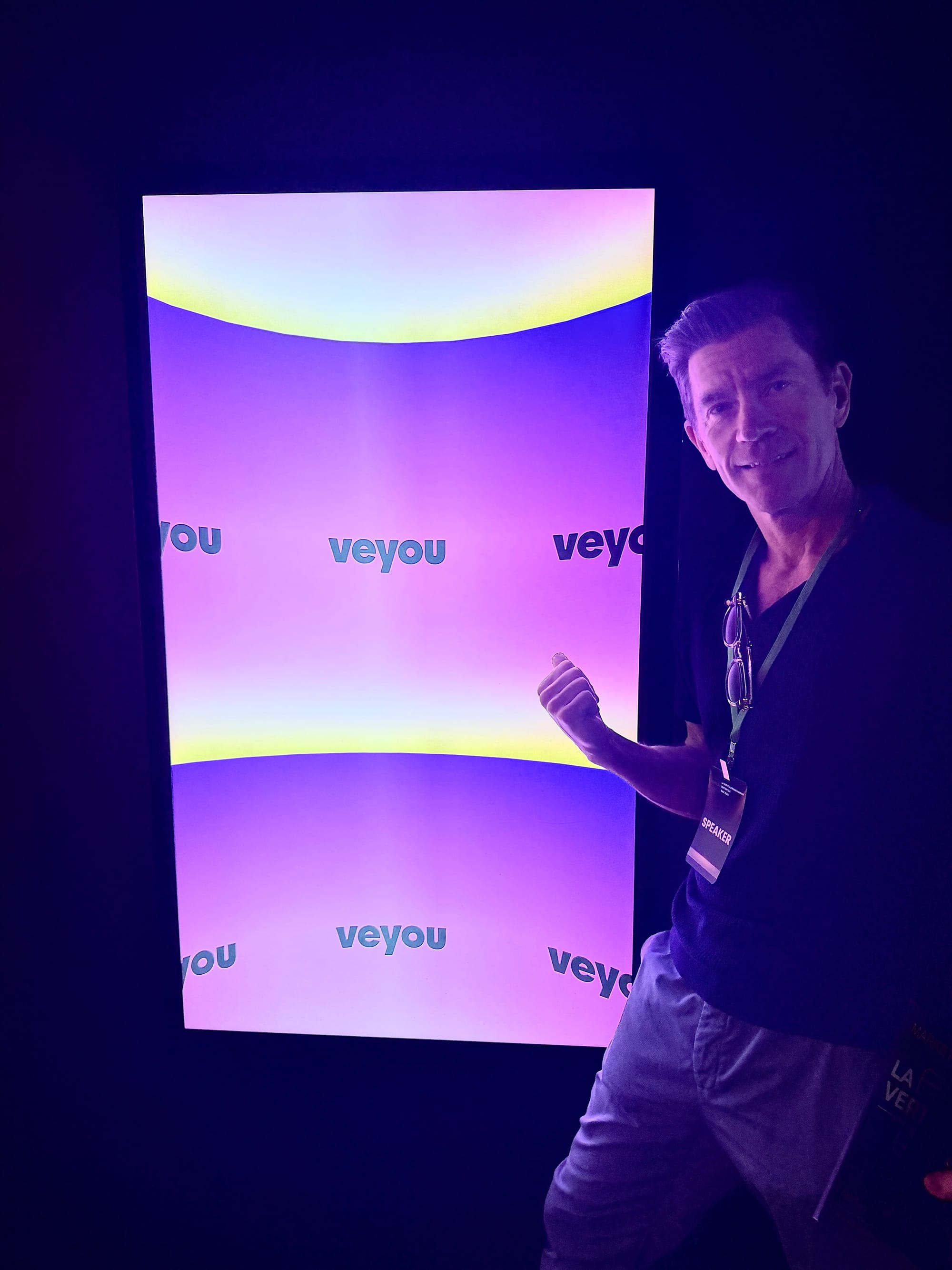
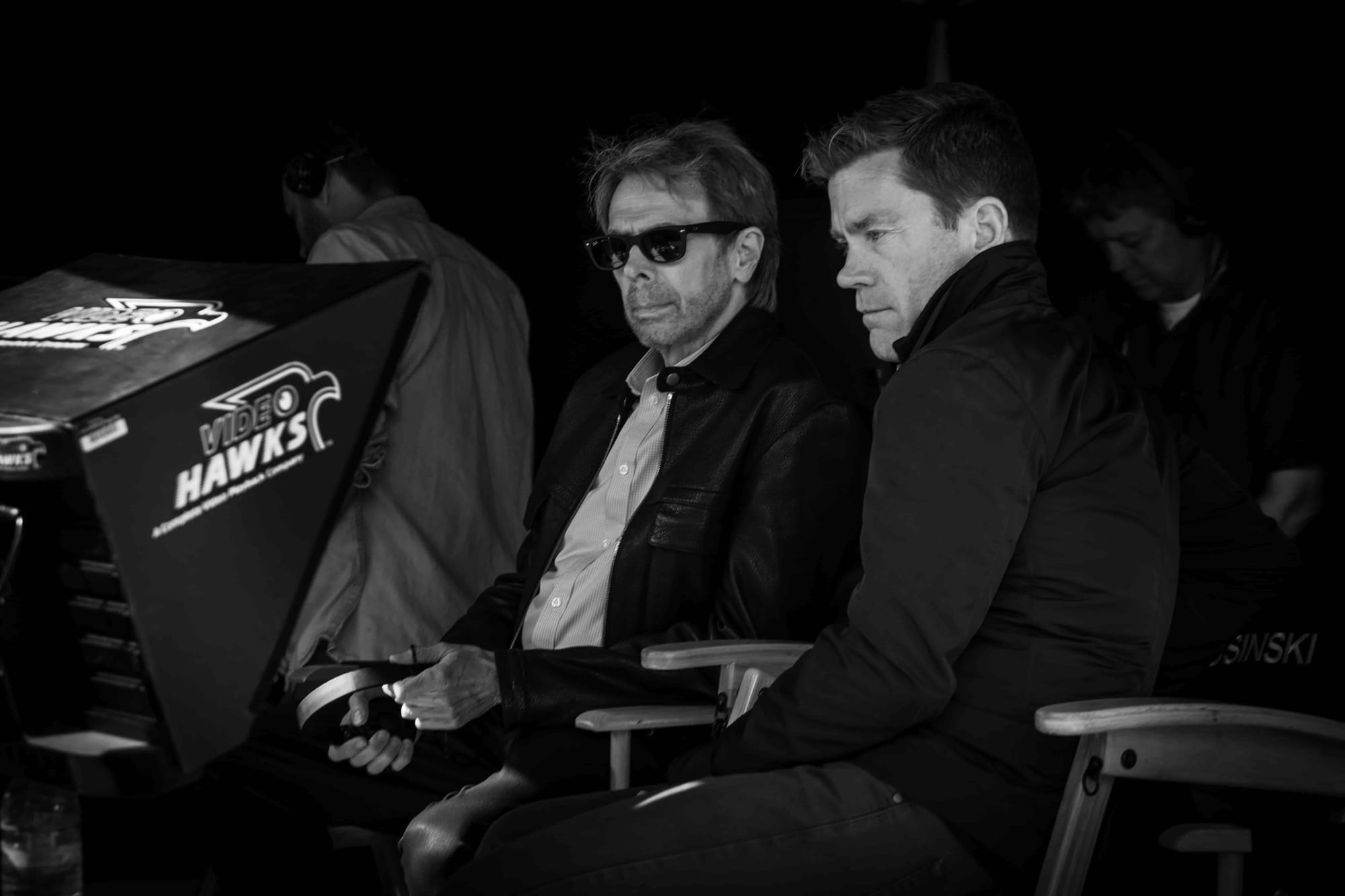
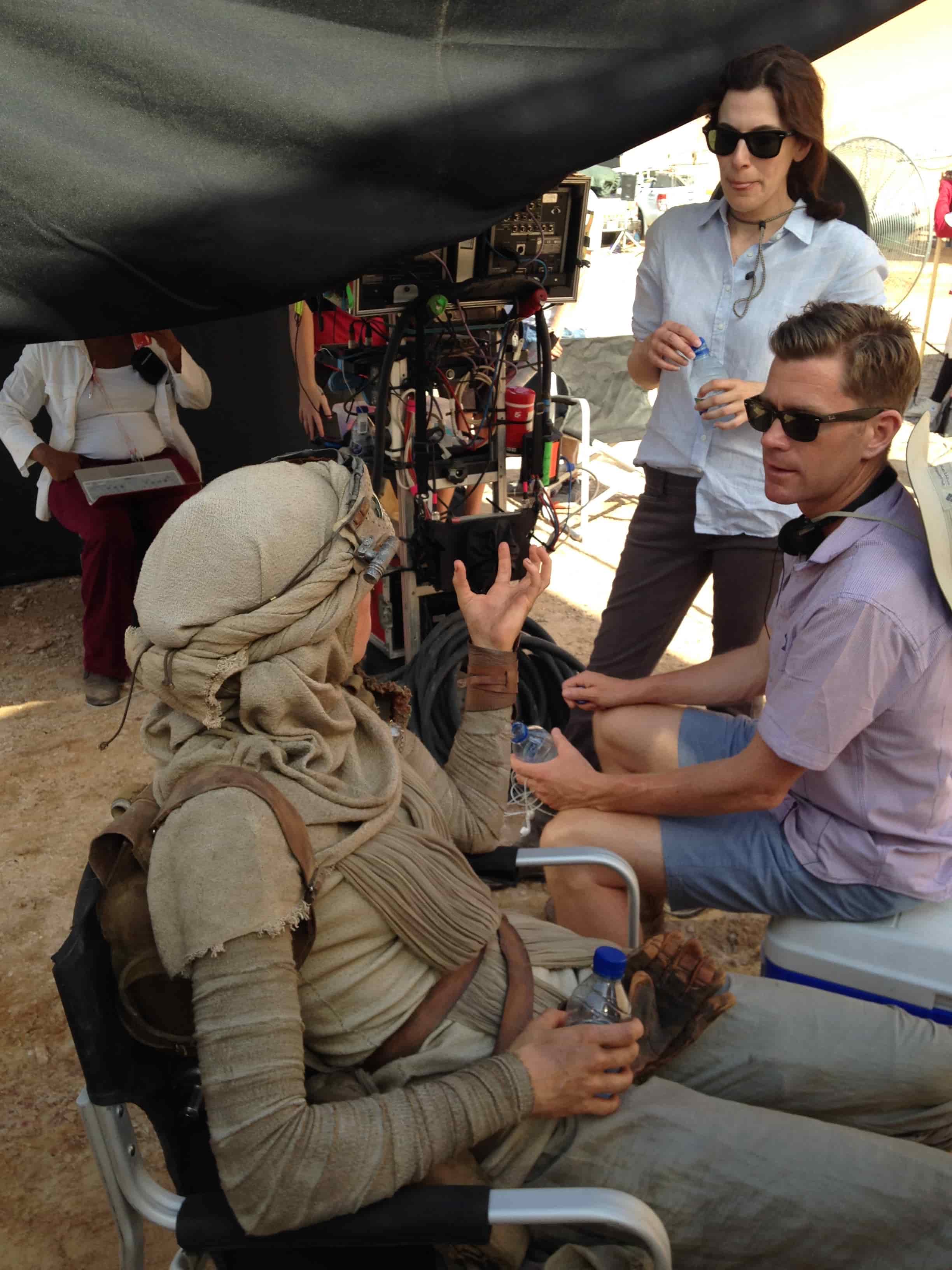
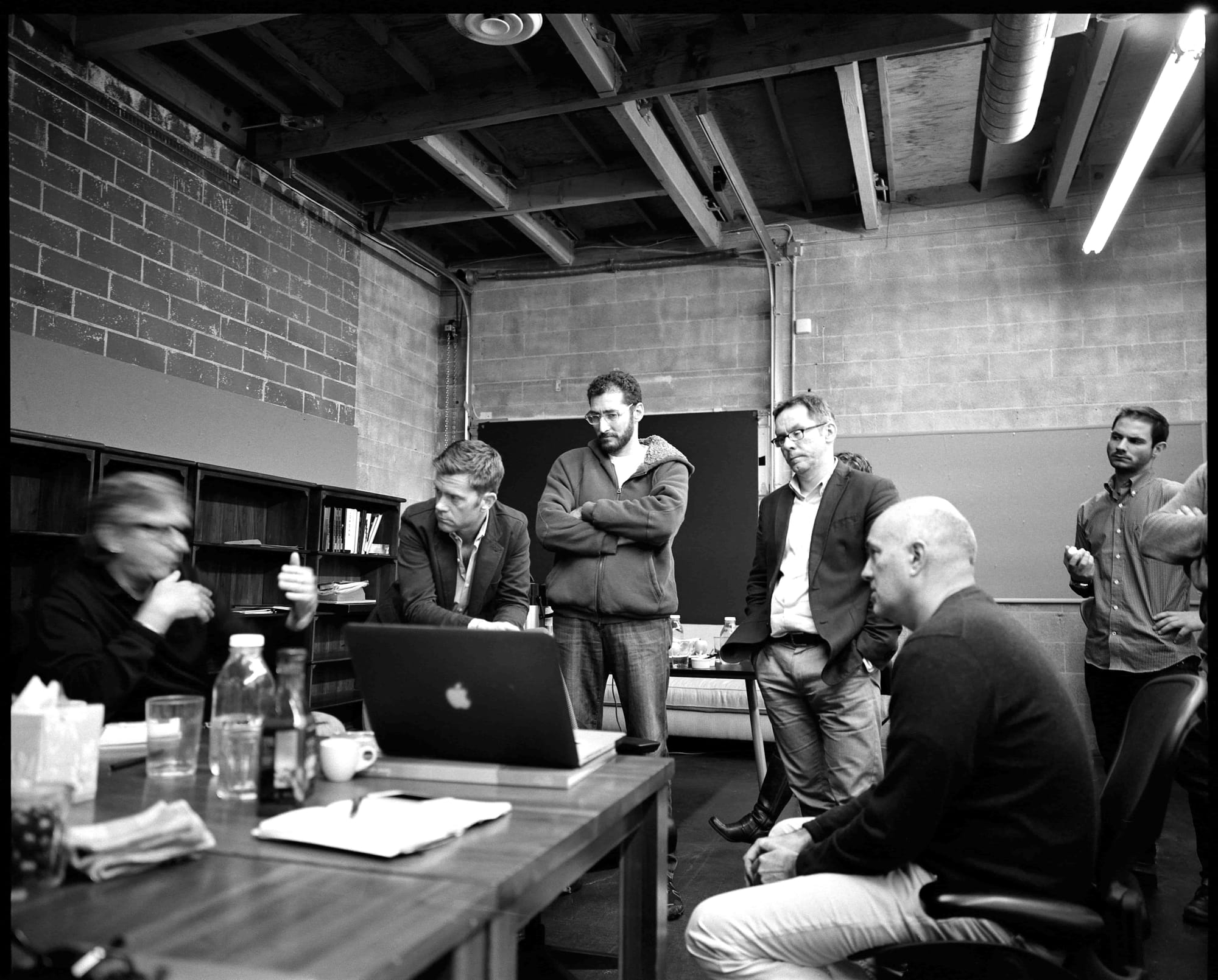
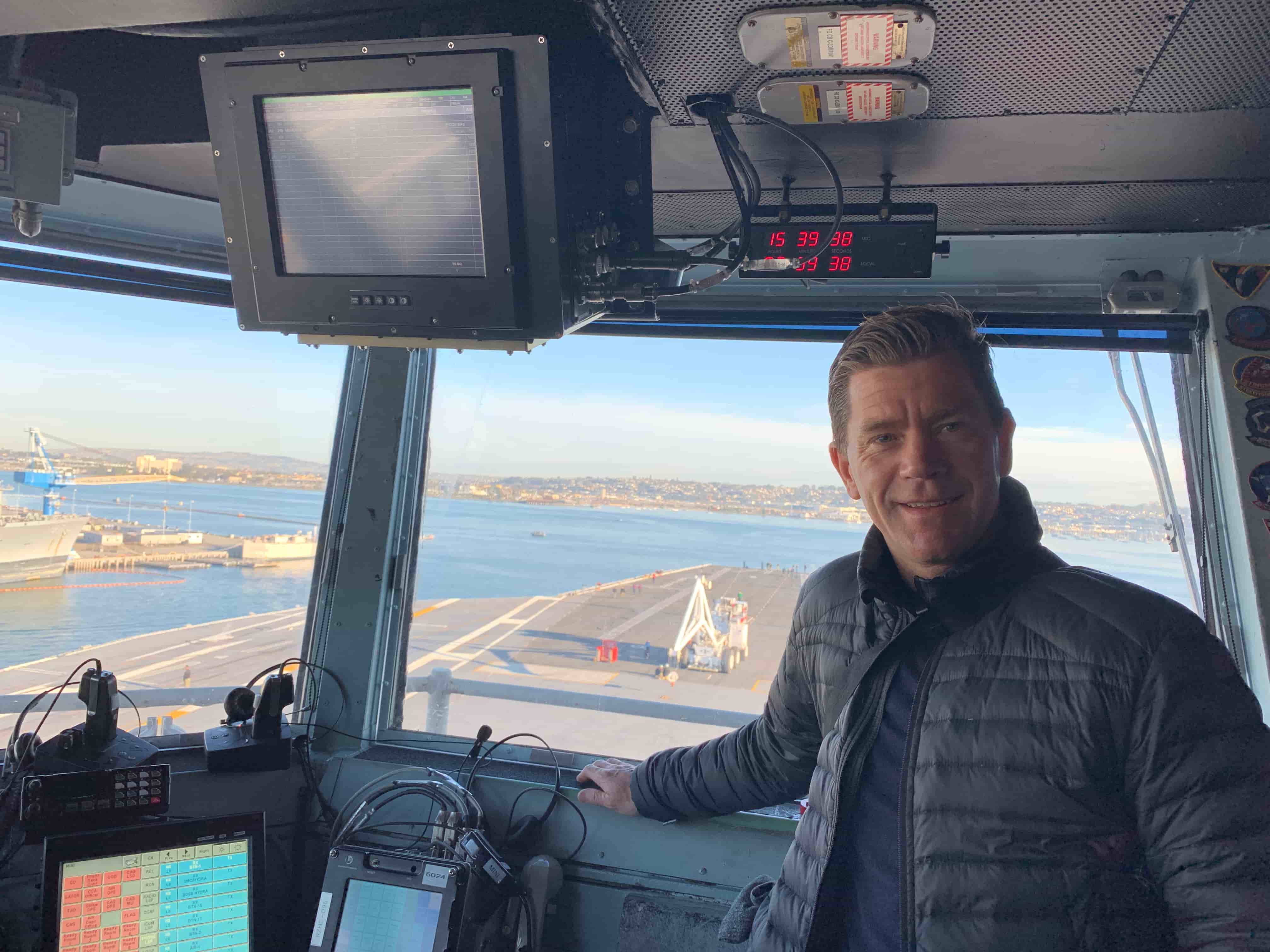

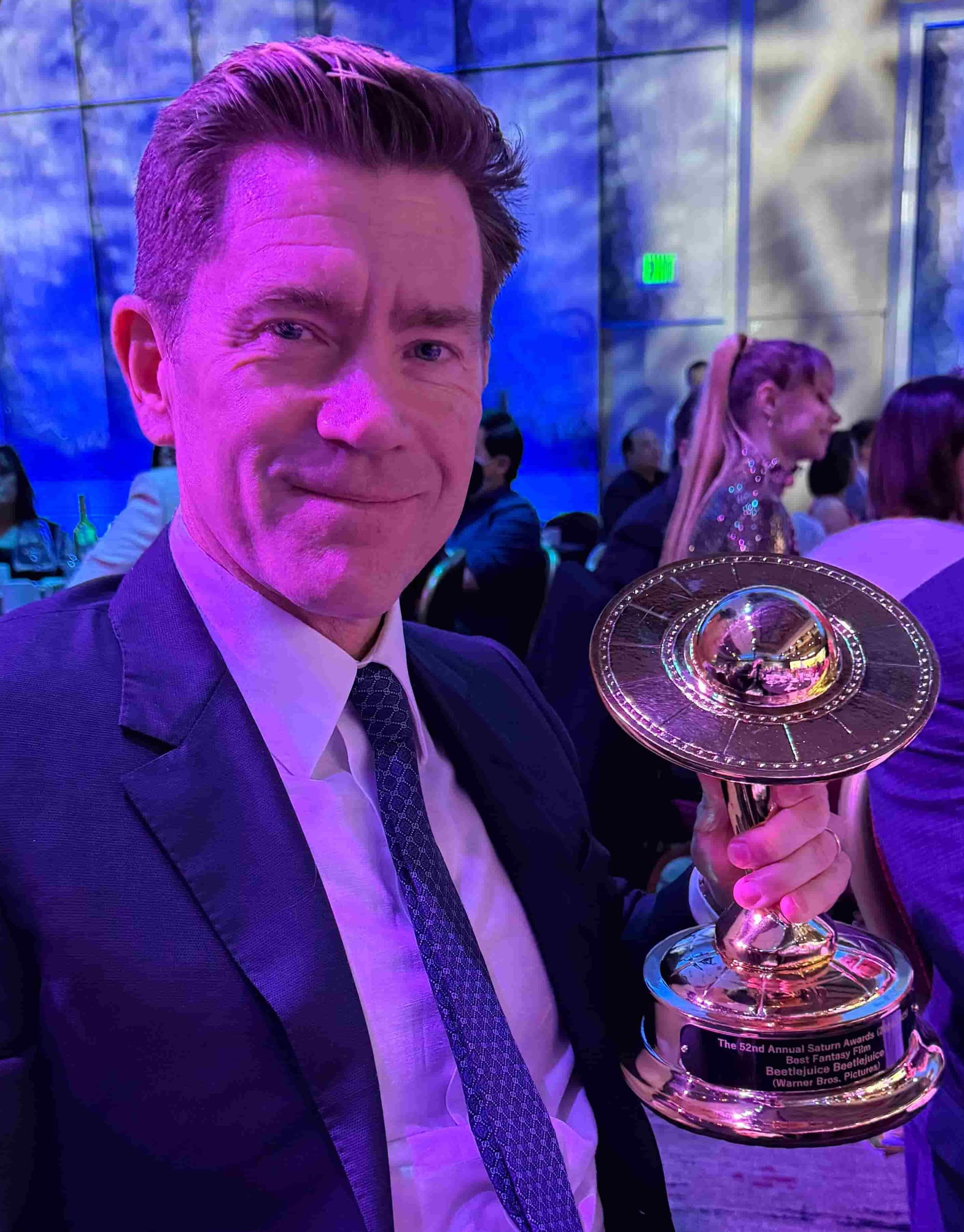
Photos shared by the interviewee. All rights reserved.
R:ID:
A lot of vertical content performs strongly for a short window, then disappears. Why does the industry struggle to create lasting IP?
Tommy:
What's really missing is that no one is building a continuous system to carry story forward. In the creator economy, people follow influencers. In vertical drama tomorrow, I think they will follow the characters — the person in the story.
If you're watching a love story and you find that couple compelling, you want to follow them again. That's the most important thing, and it's what we want to build at VeYou.
IP can be tested in the vertical space across different formats: live action, animation, audio. We've seen Amazon take self-published books and turn them into successful TV shows. That same model can be applied here. But people would say, have you watched these? And I would say yes, but I'm not thinking about today, I'm thinking about the future. That's just how my brain works.
R:ID:
How do you personally see AI's role in the vertical production pipeline?
Tommy:
For VeYou, right now we use AI on the platform side: ingesting footage for post-production and localization, aggregating data so we understand what users are responding to. That intelligence informs our marketing decisions and what we want in the library as we scale. We'll eventually use it for the interface as well.
On the production side, I've been testing AI in the pre-production process: how we can get things in front of me quickly to creatively approve look and feel before the director goes off and films. Previs, storyboards, mood boards. And on the back end, how we can automate certain effects: explosions, car chases, sound, music.
We're trying to figure out how to be efficient with it while still giving directors and producers control, and driving down costs so we can make more content, more efficiently.
R:ID:
There’s a lot of conversation around “infinite content.” But audiences still emotionally connect to performances and personalities. How do you think talent evolves in an AI-driven ecosystem?
Tommy:
I love actors. I always want to work with actors and with creators who write their own scripts.
What I'm gravitating toward on the AI side right now is more the super-stylistic, fantastical, animation-type content. I know you can make a microdrama where you can squint your eyes and go, is this real? I'm just not all the way in on that yet. My preference right now is to use the performance of actors — their faces, their bodies, with their approval — and use AI to change environments. That's my go-to at the moment.
What I do understand is what's happening in China: a year ago there were videos of massive studios being built, a hundred productions shooting a week. And now, over the last month or so, from what I've seen, those studios are turning into AI studios and everything is being made 100% AI.
I see what's happening. I see what's coming. I just personally don't think it can totally replace live action right now.
But I think people will want different tiles on a platform: some will be all-in on full AI-generated content, some will want traditional live action, some will want animation or docu-series. There'll be a space and a channel for all of it. And for us, that's not just theoretical, we're actively working in animation and testing series with AI right now to see how they perform on the platform.
R:ID:
What experience do you want users to have when they open VeYou, and where is the platform going?
Tommy:
When we were designing VeYou, we put a bunch of the top apps up on the screen and they all looked the same. We want to be different: fun, youthful, feel like it's a Friday or Saturday. All good vibes.
We decided to go to market fast, so we didn't get all the builds in that we wanted, and we know that. We're quickly iterating. Within a year the app will look and feel differently. We're going to have things in the UI that give premium options but also build out more of a community-based layer.
Content will grow — we're doing licensing deals with traditional partners and revenue-share deals with producers who are either already making shows or fundraising for a slate.
We want the best content available on the platform, which means we're open for business.
And then separately, through our studio outside the tech company, we have partners raising film funds to go make content that will live on VeYou. That's where we're different: I can take my experience from TV, film, and business, bring it into the platform, and keep the IP. The things we make are going to feel premium — same hooks and cliff-hangers, but stories that feel a little more elevated, acting that feels a little more heightened.
R:ID:
You've talked about VeYou being creator-first. What does that actually mean in practice?
Tommy:
We literally want to be the place where creators go.
I've met with independent producers who are raising their own money and having a hard time putting it on other platforms because revenue share just isn't there, or all the added costs in the revenue model mean they'll never turn a profit. We're very transparent: you go make it, you bring it over, very good revenue share, clear path to profit, and we'll invest marketing dollars.
And I get personally upset when I download an app, pay for it, and then it tells me I have to pay more for the VIP tier. I quickly delete the app. We don't want to be that. We want to be very upfront. We're not trying to trick the customer.
R:ID:
Three years from now, what separates the platforms that survived from those that didn't?
Tommy:
My background is IP, pop culture, franchise, film, and TV. I want to take that knowledge — everything I've learned from the best people in my field — bundle it up, bring it into VeYou, build out the business operationally, and scale it up. I think what will separate the survivors is building a real ecosystem around the content, not just the app.
It's the same thing that happened when all the studios waited to get into streaming. They were spending truckloads of cash just to catch up, and now companies are merging just to try to catch up to Netflix.
The vertical space is a version of what YouTube and TikTok have been doing for a long time, they've taken over screen time and minutes watched.
The companies that build real IP, build real creator relationships, and move like a tech company without abandoning their creative instincts, those are the ones that will still be here.
And everybody has a phone. That should tell us all something about the opportunity.
⁙
R:ID Epilogue
What Tommy Harper is really describing — across the whole arc of this conversation — is not a content strategy. It is a structural argument about where creative infrastructure belongs in an industry that has, until now, been built almost entirely around distribution infrastructure.
The vertical space today has platforms, monetization mechanics, and user acquisition playbooks. What it doesn't yet have is the layer underneath the content: the development logic, the genre intelligence, the IP continuity thinking, the craft conversations that happen before a camera rolls. That layer is what the traditional studio system, for all its inefficiencies, was actually good at. And Harper's argument — built into the architecture of VeYou — is that you can extract that layer, rebuild it leaner, and run it at startup speed without the overhead that makes studio economics incompatible with this format.
Whether that argument holds will depend on execution details the industry doesn't yet have visibility into: whether VeYou's revenue-share model actually attracts the creator tier it's targeting, whether the content it produces genuinely feels different from the field, and whether the IP it builds has any of the franchise traction Harper is betting on.
But the underlying observation — that the vertical industry is now at the same inflection point streaming occupied a decade ago, and that the window for moving first rather than catching up is closing — is not a sales pitch. The studios that watched Netflix in its early years and waited are now spending billions to close a gap that keeps widening. Harper is not waiting. The question is whether the rest of the industry will read the pattern in time, or wait until the catch-up costs are too high to ignore.
About Tommy Harper
Tommy Harper is a film and television producer whose work has generated more than $6 billion at the global box office. A former COO of Bad Robot Productions, he is known for shaping large-scale, culturally defining entertainment across some of Hollywood’s biggest franchises and global hits. His producing credits include Star Wars: The Force Awakens, Top Gun: Maverick, and the Mission: Impossible and Star Trek franchises, as well as recent projects including Netflix’s Wednesday and Beetlejuice Beetlejuice. He is also the Founder & CEO of VeYou, a next-generation streaming platform focused on premium microdramas powered by AI-driven audience insights. In addition to entertainment, Tommy is an active tech angel investor and advocate for the future of AI in storytelling and media innovation.
✱
R:ID #09
╳ Tommy Harper
R:ID™ is Real Reel’s interview column
on creative identity in the algorithm age,
studying not the work,
but the makers and the identities
shaped through their practice. ☻
MORE R:ID ⇲
 Real Reel
 Real Reel
 Real Reel