Industry analysis of the global vertical drama and microdrama market.
⦿⦿
The industry that was still debating whether vertical drama was legitimate six months ago is now debating what it's made of and who makes it. That's a different conversation entirely.
Week of Jun 1-7, 2026
This week in vertical drama and microdrama, the industry's infrastructure layer expanded on three fronts. TikTok launched a microseries writing program with the Sundance Institute. Fox repurposed an existing reality franchise into 101 vertical video episodes for Holywater's My Drama app. And Business Insider documented AI replacing human actors on US microdrama productions, the same week India's Economic Times reported a new professional class of vertical-native screen talent emerging at scale.
TikTok × Sundance Institute: A Microseries Writing Program That Professionalizes the Creator Pipeline
On June 3, TikTok and the Sundance Institute announced a new microseries writing program through Sundance Collab, the Institute's digital learning and community platform. The program is a four-week live online course focused on scriptwriting for the microseries format, open to creators globally, with applications closing July 1. Participants will be selected based on their TikTok work and interest in the format.
Sundance Collab is not a content accelerator or a brand partnership program. It is the educational arm of the institution that has trained the careers of working independent filmmakers for decades. TikTok placing microseries writing inside that framework is a signal about where the format sits in the talent development ecosystem, not adjacent to Hollywood, but inside it.
TikTok is building a writer pipeline for its own platform at institutional scale. The writers who come out of this program will be trained in the format's constraints and optimized for TikTok's distribution logic, a structural advantage that compounds over time.
 Todd Spangler
Fox × Holywater: Farmer Wants a Wife Season 3 Becomes 101 Vertical Episodes, Launching June 9
Fox Entertainment has announced that Season 3 of its reality series Farmer Wants a Wife will be re-edited into 101 vertical episodes and launched on Holywater's My Drama app on June 9 — the same day Fox airs the Season 4 finale on its linear network. The company is calling it a "mobile-first binge experiment." The vertical version is a complete re-cut of existing footage, not new production. Fox will promote the My Drama release through on-air promos during the linear finale broadcast. Fox Entertainment Studios President Fernando Szew confirmed at the Vertical Media Summit that the Holywater partnership is expanding beyond scripted content and into reality IP conversion, and separately announced that Bento Box Entertainment — the animation studio behind Bob's Burgers — will develop the first adult animation microseries under the Fox–Holywater framework.
This is the first time a US broadcast network has formally repurposed an existing reality franchise as a vertical format, and done so with a same-day linear window, using one platform to drive awareness for the other.
Fox has found a low-cost path into vertical distribution that does not require original vertical production. If the Farmer Wants a Wife experiment produces measurable My Drama engagement, it creates a replication template for the rest of the industry's unscripted IP libraries.
 Todd Spangler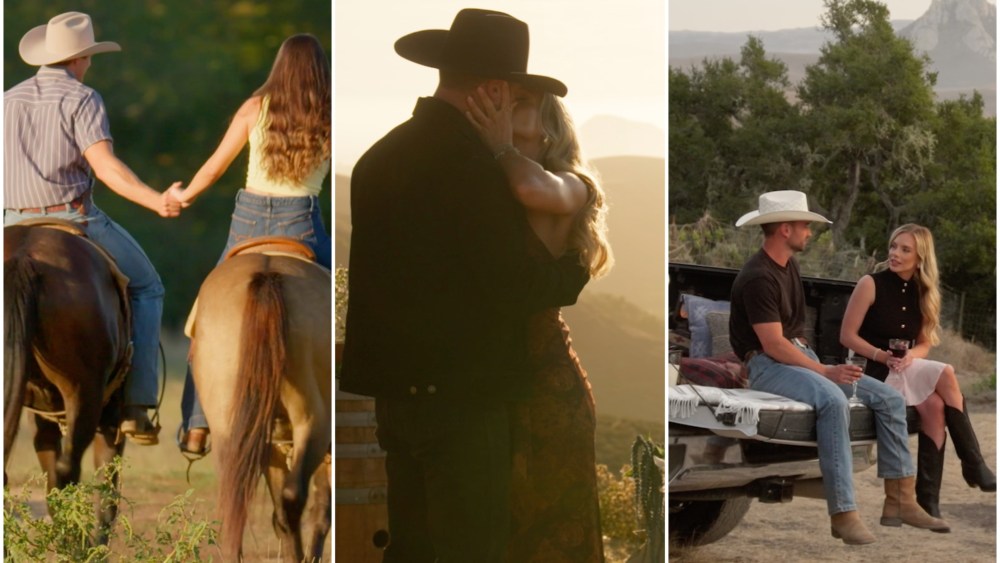
COL Group × BOMANBRIDGE: The World's First Vertical Documentary Series
COL Group International and Singapore-based BOMANBRIDGE Media announced MAPOGO: The Lion Throne — the world's first premium, vertical-first documentary series, set to premiere globally on FlareFlow in late Q3 2026. The series was filmed over several years in South Africa's Sabi Sands Game Reserve and chronicles the Mapogo lion coalition, a wildlife story with existing global fanbases across safari culture and natural history. It was built from the ground up for 9:16 vertical viewing. The project will be narrated by Sam Myerson, whose microdrama Oops, I Married My Bestie's Brother recorded 220 million views in 10 days — the casting of a microdrama star in a documentary narrator role is itself a crossover signal. FlareFlow currently has 33 million registered users across 200+ countries and 5,200+ series released.
BOMANBRIDGE CEO Sonia Fleck framed the move explicitly: documentary as a genre has not yet been built for vertical, and the company sees mobile-native viewing habits as the structural driver that makes this the right moment. COL Group's Timothy Oh described the project as part of FlareFlow's Vertical 2.0 strategy.
Vertical drama has been a scripted-only format category since its inception. MAPOGO is the first serious attempt to bring premium factual storytelling — with the production infrastructure of an established documentary distributor — into the vertical space. Genre expansion at this level changes the addressable content market for vertical platforms.
 Naman Ramachandran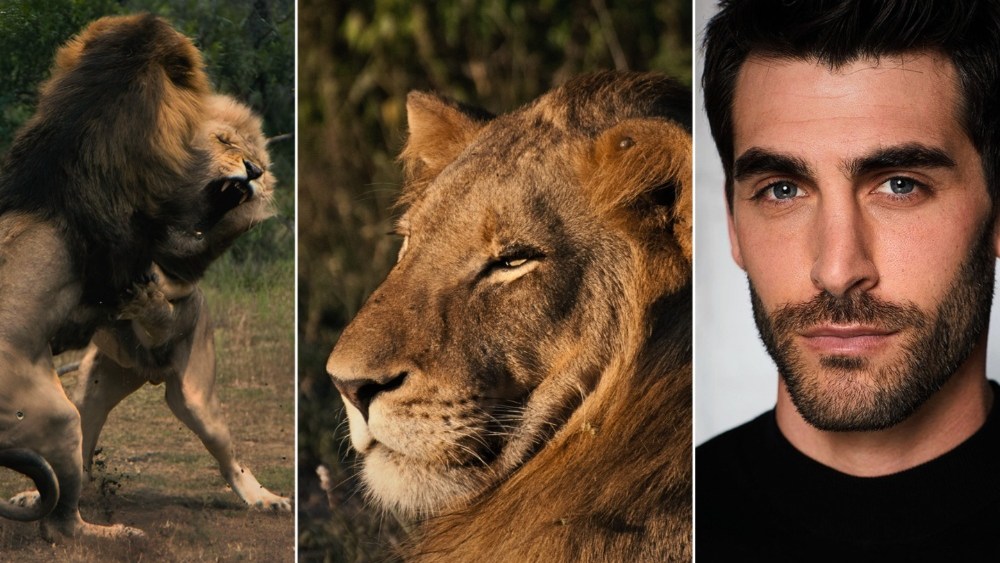
Economic Times: India's Microdrama Boom Is Creating a New Professional Category — the Vertical Actor
The Economic Times reported on June 7 that India's microdrama surge has produced a distinct new career category: actors who work exclusively in vertical format, with their own fan bases, brand value, and professional identity separate from Bollywood and traditional television. These performers are not transitioning from existing screen careers — they are entering the industry through vertical drama as their primary and permanent format, building audiences on platforms like Story TV, Double Tap Films, and emerging Indian microdrama apps. The piece profiles multiple working vertical actors in India who have built followings of hundreds of thousands of followers without a single traditional screen credit.
India is the second market after China to produce a recognizable vertical celebrity ecosystem — one that is platform-native, format-specific, and operating entirely outside the traditional talent infrastructure.
A self-sustaining vertical talent ecosystem is a prerequisite for industrial-scale local production. India now has one. The implications for casting depth, production volume, and local IP development in the Indian market are direct and immediate.
 Rajesh Naidu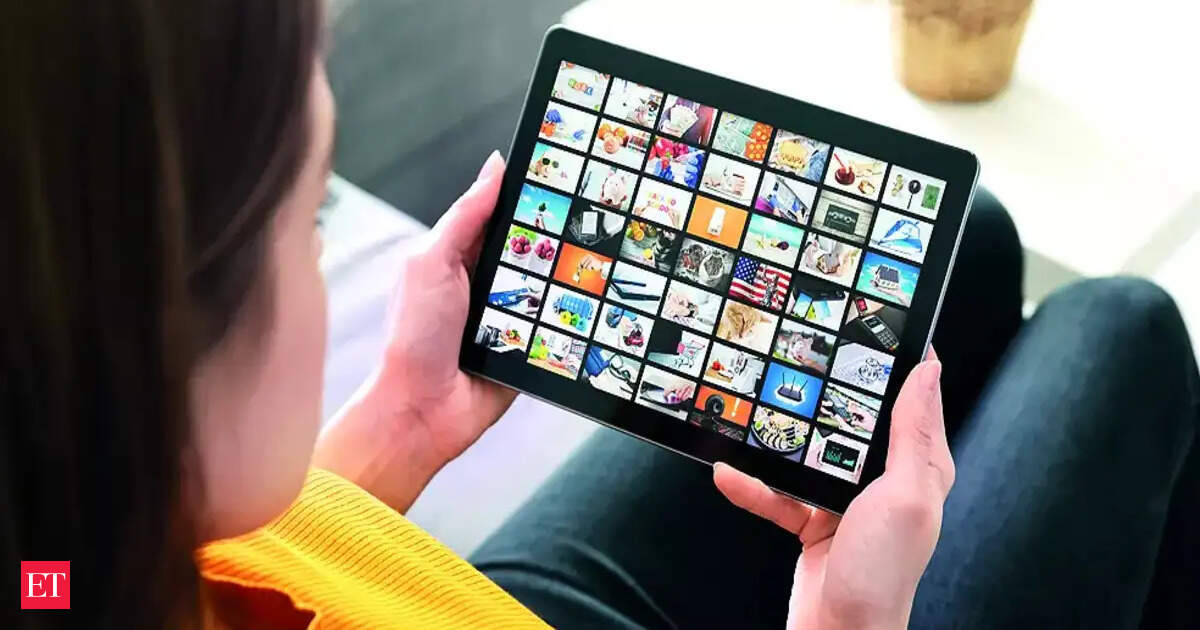
Business Insider: AI Is Replacing Actors in US Microdrama Productions
Business Insider reported this week that actors who entered the microdrama industry are now losing roles to AI-generated performers, as producers on certain projects swap human cast with synthetic alternatives mid-production. The piece names TrueShort and StoReel among the AI production companies driving this shift. The report includes data showing 93% of viewers still prefer human actors — creating a direct tension between the cost logic driving AI adoption and the audience preference data working against it. A second Business Insider piece this week examined Hell Grind, the Higgsfield AI feature screened at Cannes in May, as an early marker of where AI narrative consistency is heading in long-form production.
The SAG-AFTRA 2026 contract, agreed in May, includes specific provisions around vertical microdrama casting alongside broader AI protections — a detail that had largely gone unreported until this week's coverage renewed attention on the issue.
AI displacement in vertical drama has moved past dubbing and localization into casting and performance — the layer that most directly affects the non-union actor ecosystem that built the format. The 93% human preference figure is the industry's first clear data point on where the audience ceiling for AI performance currently sits.
 Dan Whateley and Lucia Moses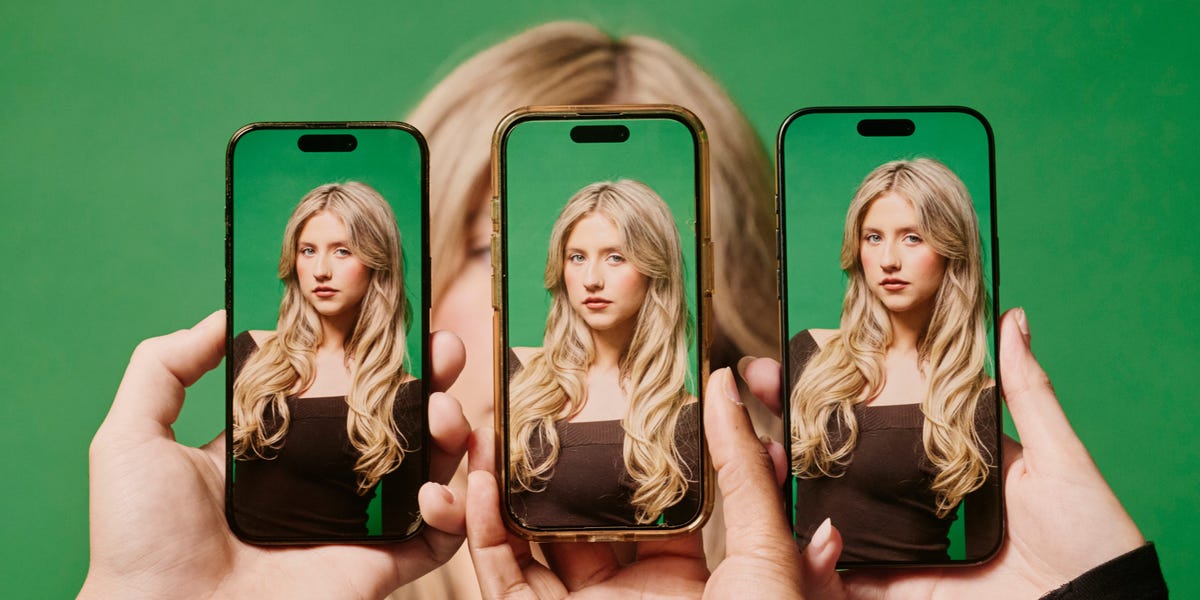
Dreams of Violets: The First Fully AI-Generated Film to Enter a Major Film Festival's Official Programme
Dreams of Violets, a 75-minute fully AI-generated docudrama directed by Iranian-British brothers Ash and Pooya Koosha, will world premiere on June 10 at the Tribeca Film Festival — the first fully AI-generated feature-length live-action film to enter a major festival's official programming. The film was produced for approximately $2,000 using AI video generation tools, with no cameras, no crew, and no actors. It dramatizes the January 2026 massacre of Iranian civilians during a government communications blackout, drawn from journalism, photographs, and eyewitness accounts. Tribeca co-founder Jane Rosenthal stated the festival was moved by "the emotional immediacy and urgency of the story itself" — not the technology. Director Ash Koosha, based in London and unable to access Iran or its locations, described AI as the only production pipeline that made the film possible.
This is not a vertical drama story. It is the story that will be cited most often when the industry debates AI production legitimacy, because the justification for AI here is not cost, not speed, but access: the ability to tell a story that could not otherwise be told at all.
Tribeca's decision to programme Dreams of Violets in its official selection sets a precedent that AI production is a legitimate creative tool at the institutional level — not despite its limitations, but because of what it enables. That framing changes how studios and platforms can defend AI-generated content to press, talent unions, and audiences.
 Jill Goldsmith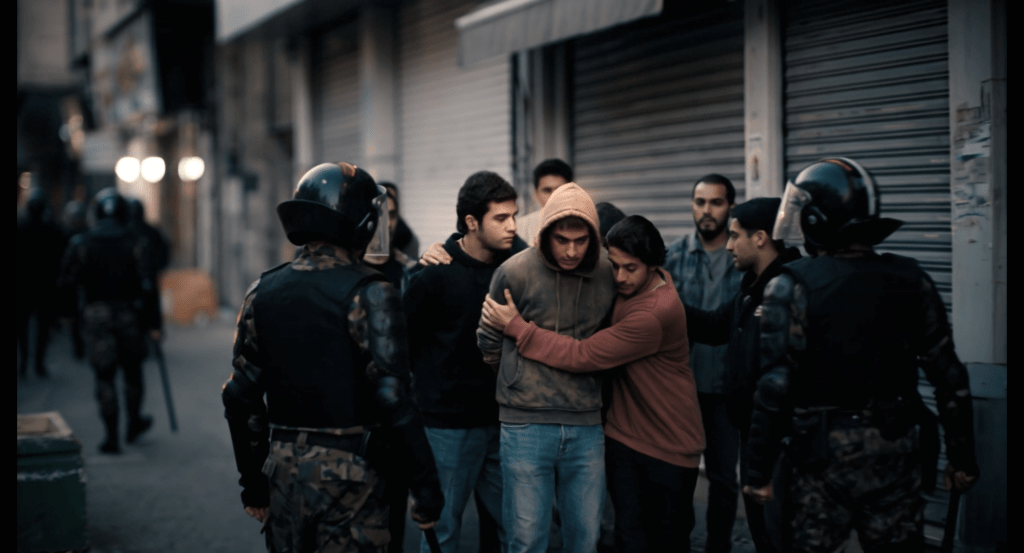
✱