Showrunner Ihor Vysnevskyi and AI Integration Specialist Eugene Chernyshov on the pipeline, the physics problem green screen couldn't solve, and what they'd do differently if they started today.
"The true value of AI is not simply cost reduction, it is the unprecedented creative flexibility it brings to post-production."
Eugene Chernyshov
AI Integration Specialist
AMO Pictures
The vertical drama industry has spent two years debating whether AI can meaningfully reduce production costs. AMO Pictures took a different approach: rather than use AI to make a standard project cheaper, the studio used it to make a project that would otherwise have been impossible. Overdrive to My Heart, a Formula 1-inspired series produced using LED volume virtual production and generative AI, offers one of the most detailed production case studies available on what this kind of pipeline actually requires — and where it still falls short.
It started on a Saturday afternoon in Kyiv.
A group of AMO Pictures team members had gathered at the office to watch the Monaco Grand Prix — not a production meeting, just people who liked Formula 1. Someone said it out loud: what if we made a story about this?
The objections were obvious. The cars. The tracks. The racing sequences. Vertical drama works because it's intimate and logistically contained. Formula 1 is neither. The math didn't work.
Then someone remembered a Robbie Williams music video.
"Supreme" features an F1 driver, but almost none of the story takes place on a track. The racing exists at the edges — in atmosphere, in the driver's identity, in brief flashes of real footage. The character could have been anyone. What the video understood is that you don't need to make Formula 1. You need to make someone believe they're inside it.
"That's when we realized we could make Formula 1 without actually making Formula 1."
That realization became the production logic for Overdrive to My Heart — built around one retired racing car, a Kyiv LED volume stage, and a generative AI pipeline that didn't fully exist when they started building it.
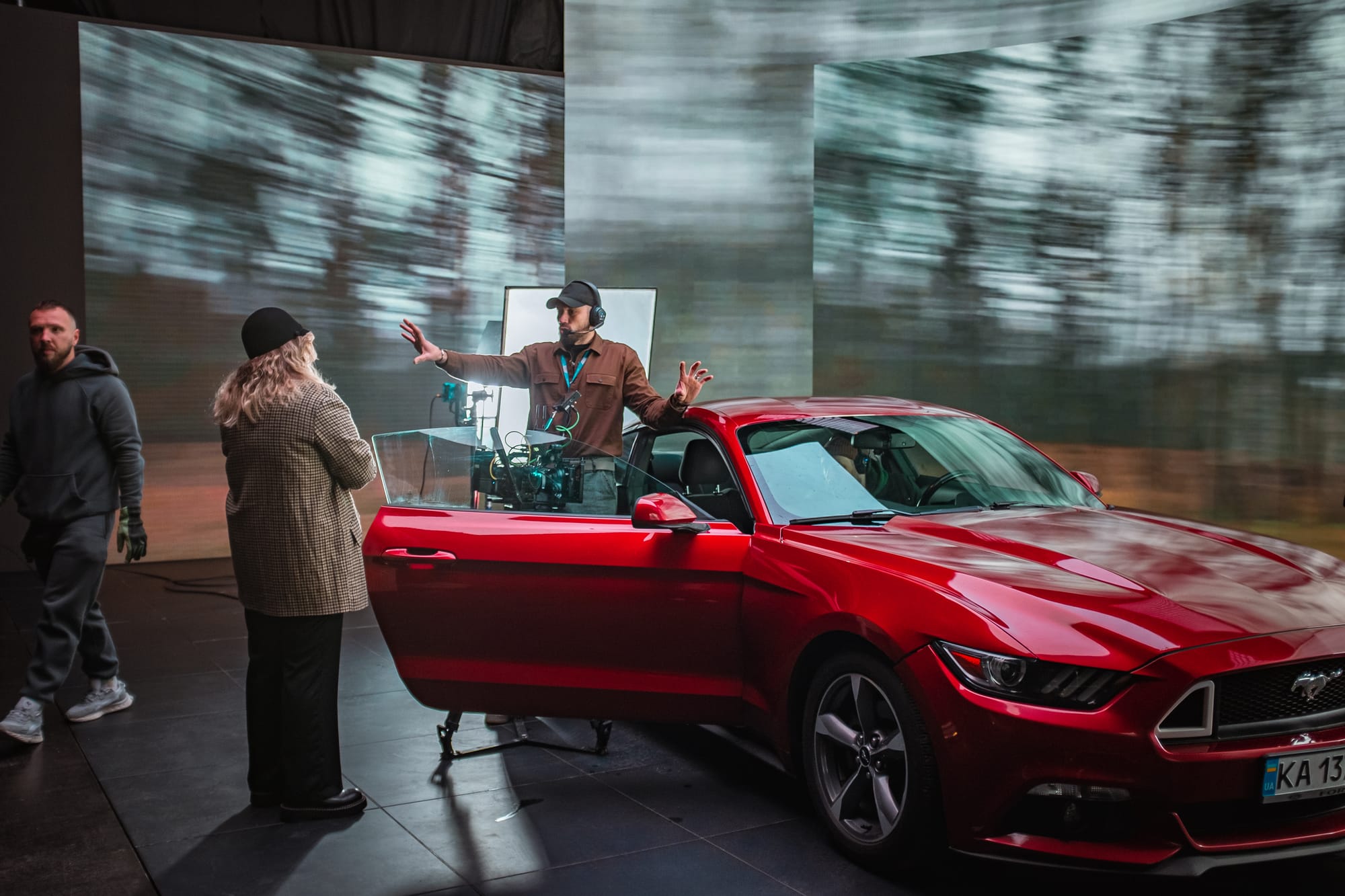
"The environment itself prompted the correct reactions, so he barely had to 'act' the sensation of speed."
Ihor Vysnevskyi, Showrunner, AMO Pictures
The first serious obstacle wasn't budget. It was physics.
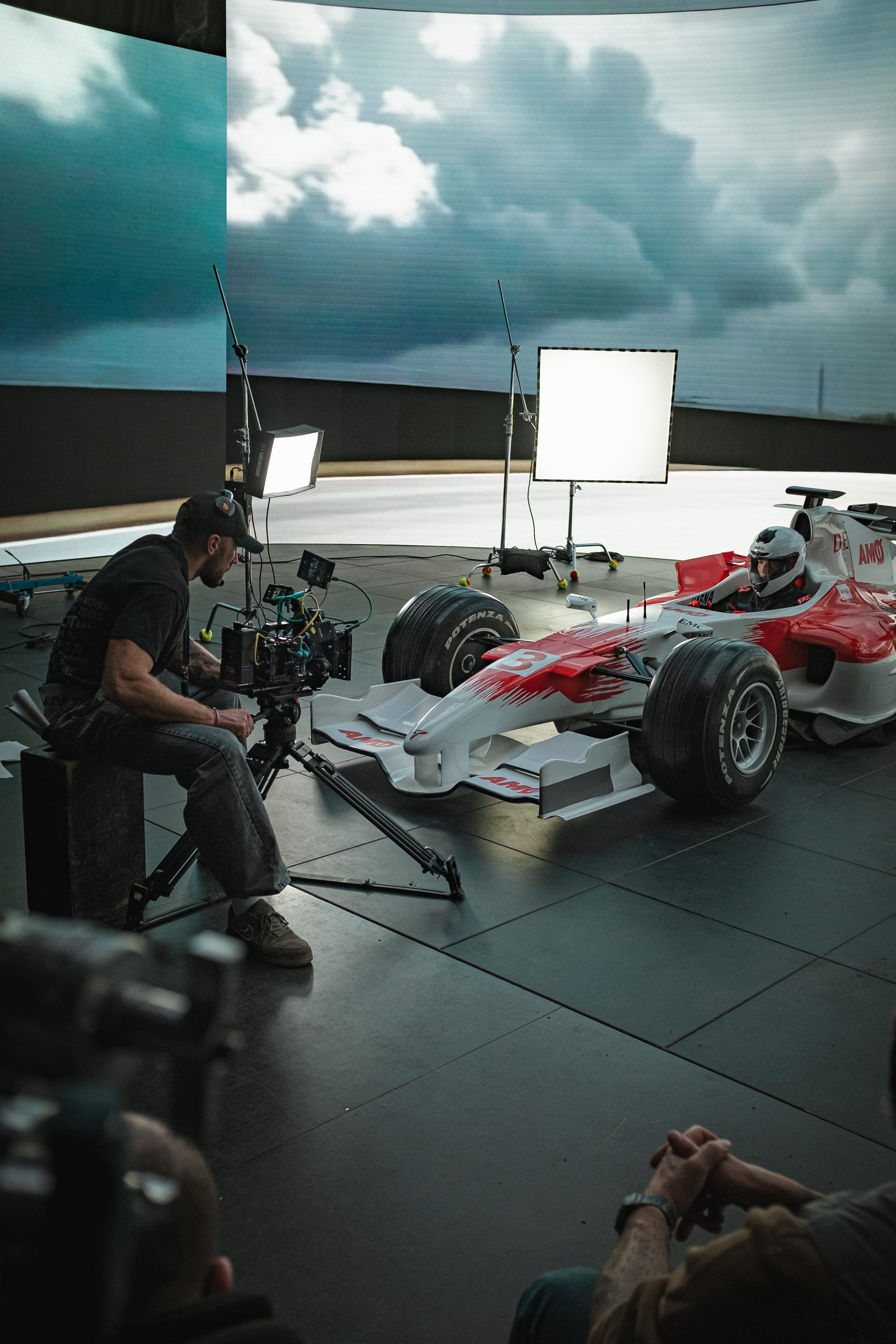
An F1 car cannot be placed in front of a green screen. Its surfaces — the carbon fiber body, the aerodynamic curves, the driver's helmet visor — behave like curved mirrors. They reflect everything: the track, the grandstands, the light shifting through corners. That reflective behavior is inseparable from what makes Formula 1 look like Formula 1.
Green screen captures none of it. You can composite a background in post, but the car's surfaces register nothing — no track, no light, no movement. The disconnect is immediately visible.
"If the vehicle is simply standing in front of a green screen, those light reflections have to be added later in post-production — and even then, they rarely feel completely convincing. The subject often ends up looking disconnected from the background."
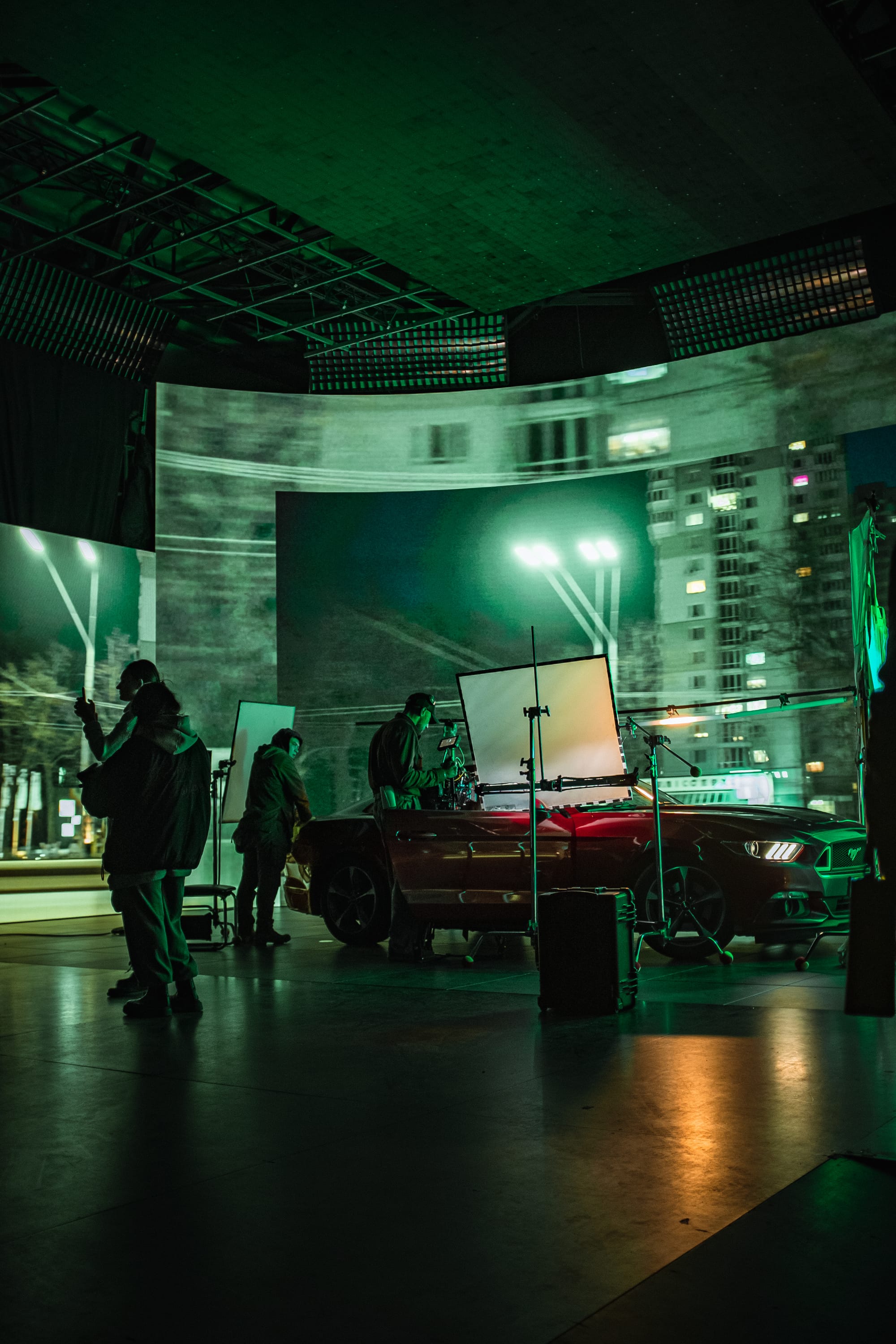
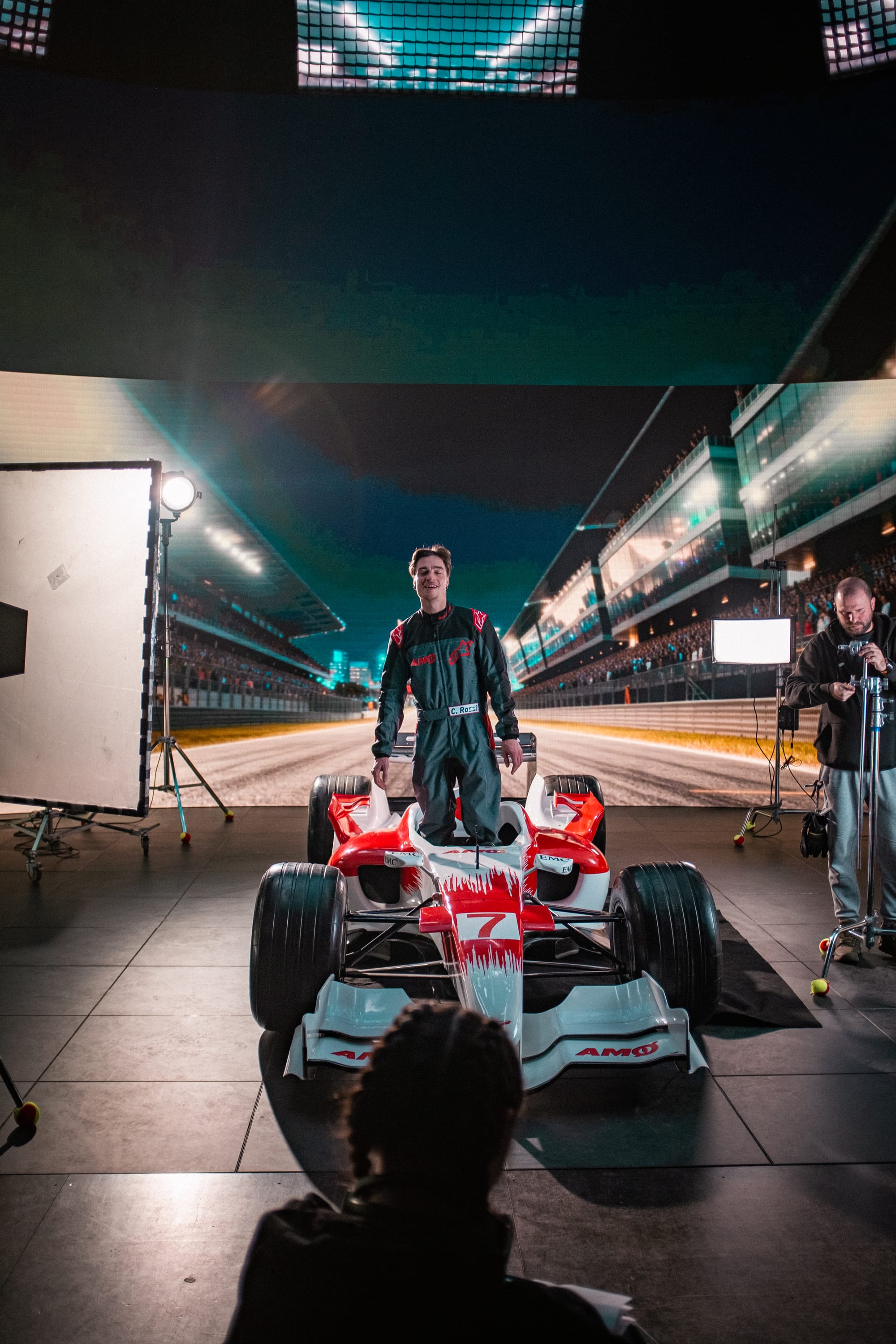
The answer was One Location Studio's large-format LED volume in Kyiv. When the screens display a racetrack at speed, the car's surfaces reflect that track. The helmet catches the light shifting through corners. The reflections are physically accurate because the light source is actually present.
This wasn't an aesthetic choice. The physics of the subject left no other viable option.
One Car, One Livery, Multiplied
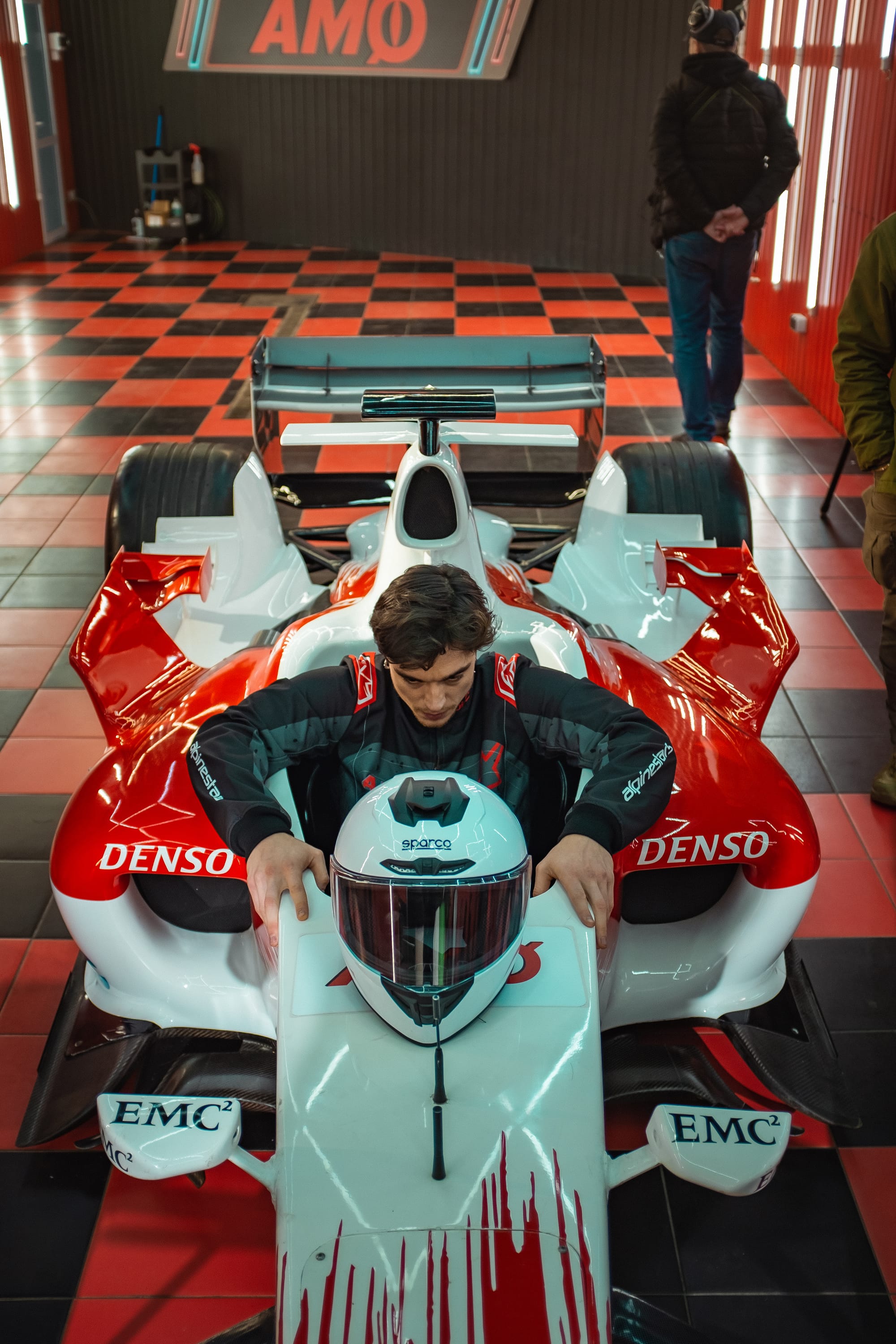
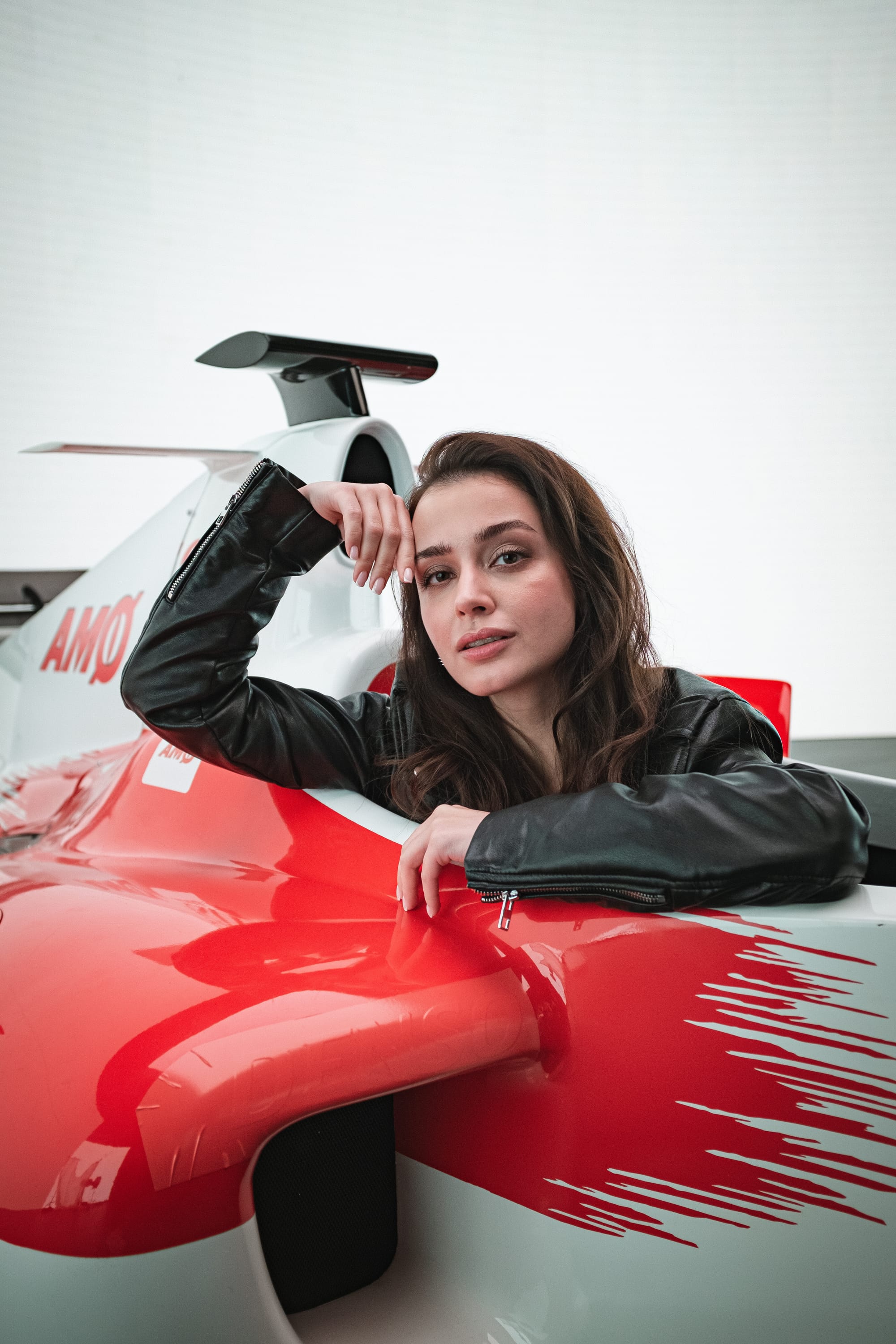
The team sourced a retired Formula 1 car in Ukraine — one that had competed at the highest level of the sport and still carried its visual identity intact.
Screenwriter Kyrylo Bohdan had been strict about authenticity from the start. The script was built with the granular detail that drivers and engineers would recognize — radio language, technical complaints, the specific vocabulary of high-speed competition.
"Without a real Formula 1 car and authentic locations, the project would have lost much of its impact. I came across an older web novel on another platform that also featured a Formula 1 driver, but Formula 1 was really just a label. The character could just as easily have been a CEO, and the story would have been exactly the same."
With one physical car as an anchor, AI did what it does best: extend and multiply. The livery and visual identity were captured, then replicated across an entire field of competitors. One car became a grid. The 40% of final visual assets that were AI-generated wasn't a planned figure — it emerged from the gap between what the production had physically and what the story required visually.
Building the Pipeline While the Technology Changed Under Them
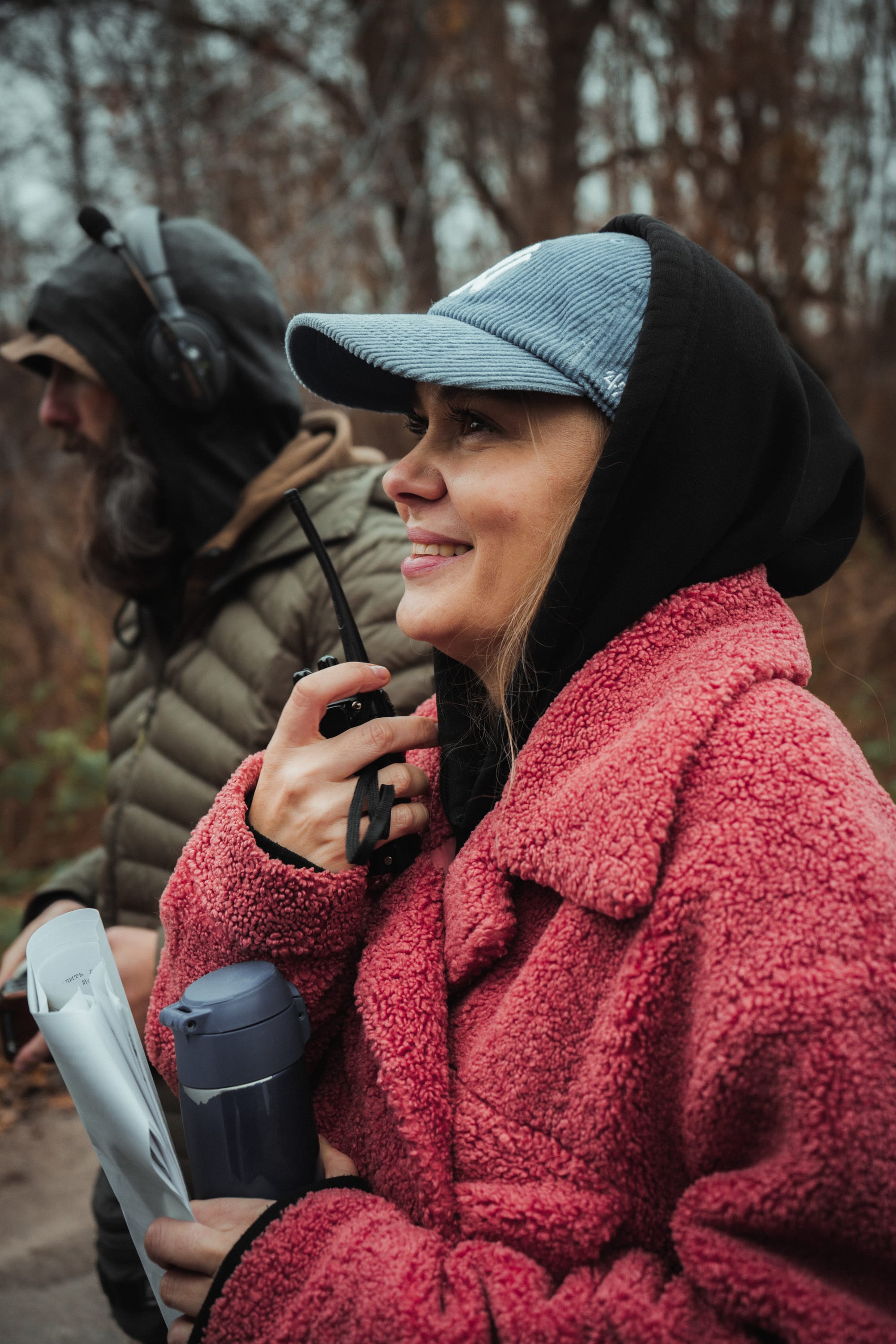
Eugene Chernyshov's title was AI Integration Specialist. For a significant portion of production, that meant he was the entire AI department.
"At the start of the project, I was working alone, and all of my time was spent generating assets and shots. Only later did we begin bringing more people into the team and scaling the operation."
The pipeline had no template. Automotive physics, high-speed motion, crash dynamics — these were exactly the areas where generative AI in late 2025 was most unpredictable. And the technology underneath the work kept changing. Models that were state of the art in month one were superseded by month three. Workflows that had been carefully built became obsolete — not because they failed, but because something better arrived.
The team made a decision that wouldn't happen in a traditional production: they went back. Locked sequences were unlocked, regenerated with newer models, and reintegrated. The final cut reflects visual quality that in some cases exceeds what was achievable when those scenes were originally shot.
"Every 30 days, you had to be ready to change your entire philosophy of how the work was done. You had to let go of a workflow that had worked perfectly a month earlier and build a new pipeline from scratch around the latest software updates."
The Crash That Couldn't Be Generated — And What They Did Instead
This is the part of the production that no one planned for, and the part that tells you the most about what working at this level of AI integration actually requires.
Crash sequences were the hardest thing to make.
Automotive collisions demand physical plausibility in a way that smoother environments don't. Impact forces, debris trajectories, the way carbon fiber deforms at speed — the generative models of 2025 handled these unpredictably. The dynamics looked wrong. Debris moved in ways that violated basic intuition. Direct generation failed.
What the team arrived at was a reversal of the logic entirely.
"Instead of asking the model to create a crash, we generated a car that was already destroyed and then reversed the sequence. On screen, the effect worked surprisingly well, transforming the reconstruction process into a believable destruction shot."
The technology couldn't convincingly simulate the process of destruction. But it could generate the result — a car in a specific damaged state, static, holding still long enough to render accurately. Run that backward, and reconstruction reads as collapse.
This is not a technique in any production manual. It emerged from a specific failure, a clear-eyed diagnosis of why it failed, and a willingness to approach the problem from a completely different direction. It's also exactly the kind of problem-solving that only happens inside the work.
The Actor Who Barely Had to Act
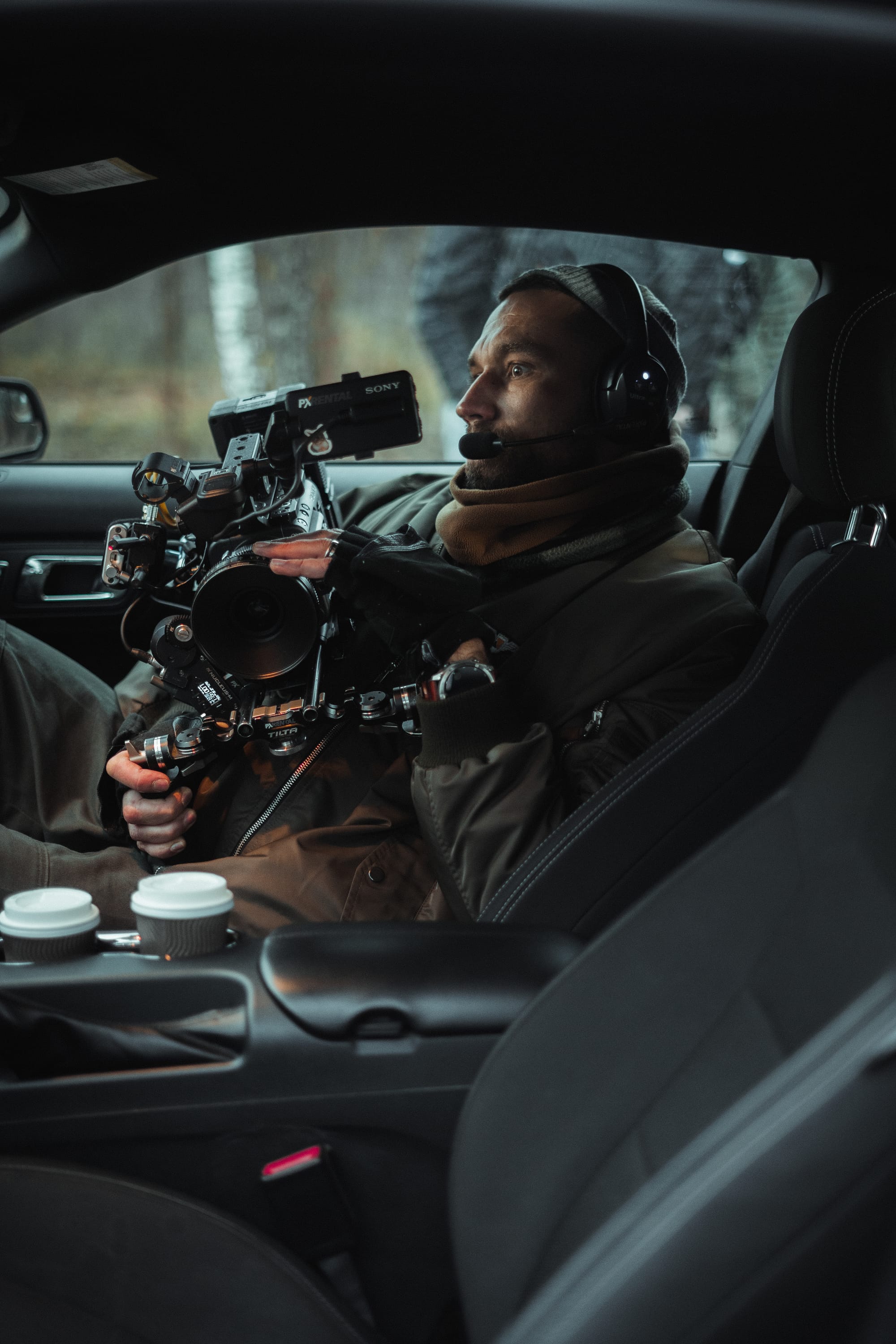
One scene captures the practical value of the LED volume more directly than any technical specification. The setup: an actor in a Formula 1 cockpit, car completely stationary, LED screens surrounding him displaying the track at racing speed. Corners approaching, grandstands flashing past, rival cars in the periphery.
"The environment itself prompted the correct reactions, so he barely had to 'act' the sensation of speed. The racing experience felt real, even though the car itself never moved an inch."
With green screen, the actor performs in a blank space, manufacturing speed from verbal cues and imagination. The LED volume makes the performance a response rather than an invention. That's the primary value — not post-production efficiency, but what gets captured in the first place.
Did AI Actually Save Money?
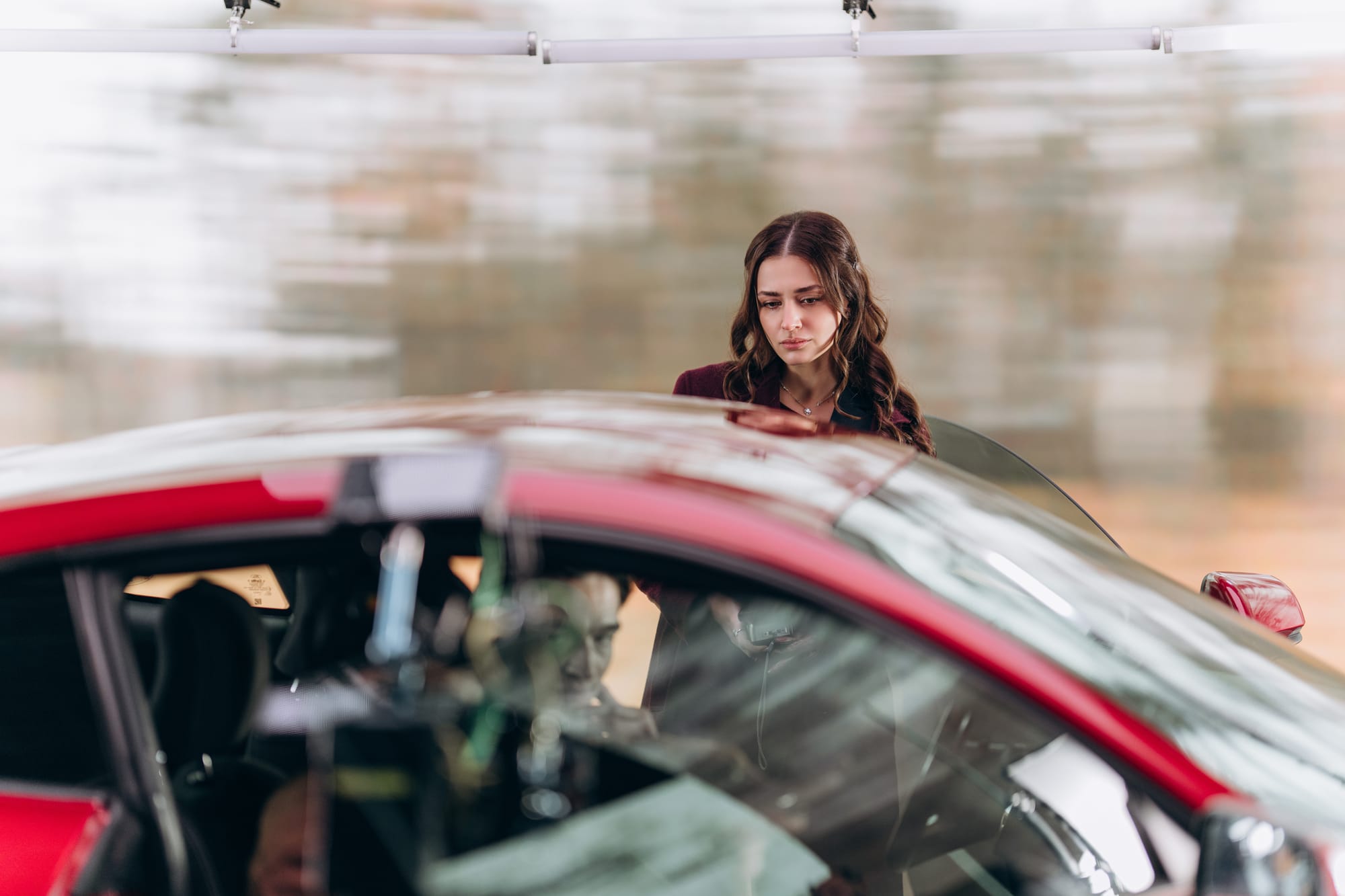
AMO declined to share specific budget figures. But the shape of the economics is visible in what they described.
The original concept was closer to the Robbie Williams approach — use real race footage from public sources, keep the production contained. That version would have been meaningfully less expensive.
What the AI and LED pipeline enabled was a more ambitious version: Formula 1 genuinely integrated into the story rather than borrowed from someone else's footage. One car became a grid. Custom environments replaced stock plates.
"AI unquestionably saved an enormous amount of money. Creating racing sequences of this scale — with overtakes, spins, collisions, and large-scale track action — using traditional 3D animation would have been incredibly expensive and extremely time-consuming."
The more precise framing: AI didn't make the project they originally planned cheaper. It made a significantly more ambitious version possible at all. There's also the cost that doesn't appear on a budget line — Chernyshov was, for a significant stretch, a department of one, building a pipeline from scratch while simultaneously generating the assets the production needed.
Three Things That Still Don't Work
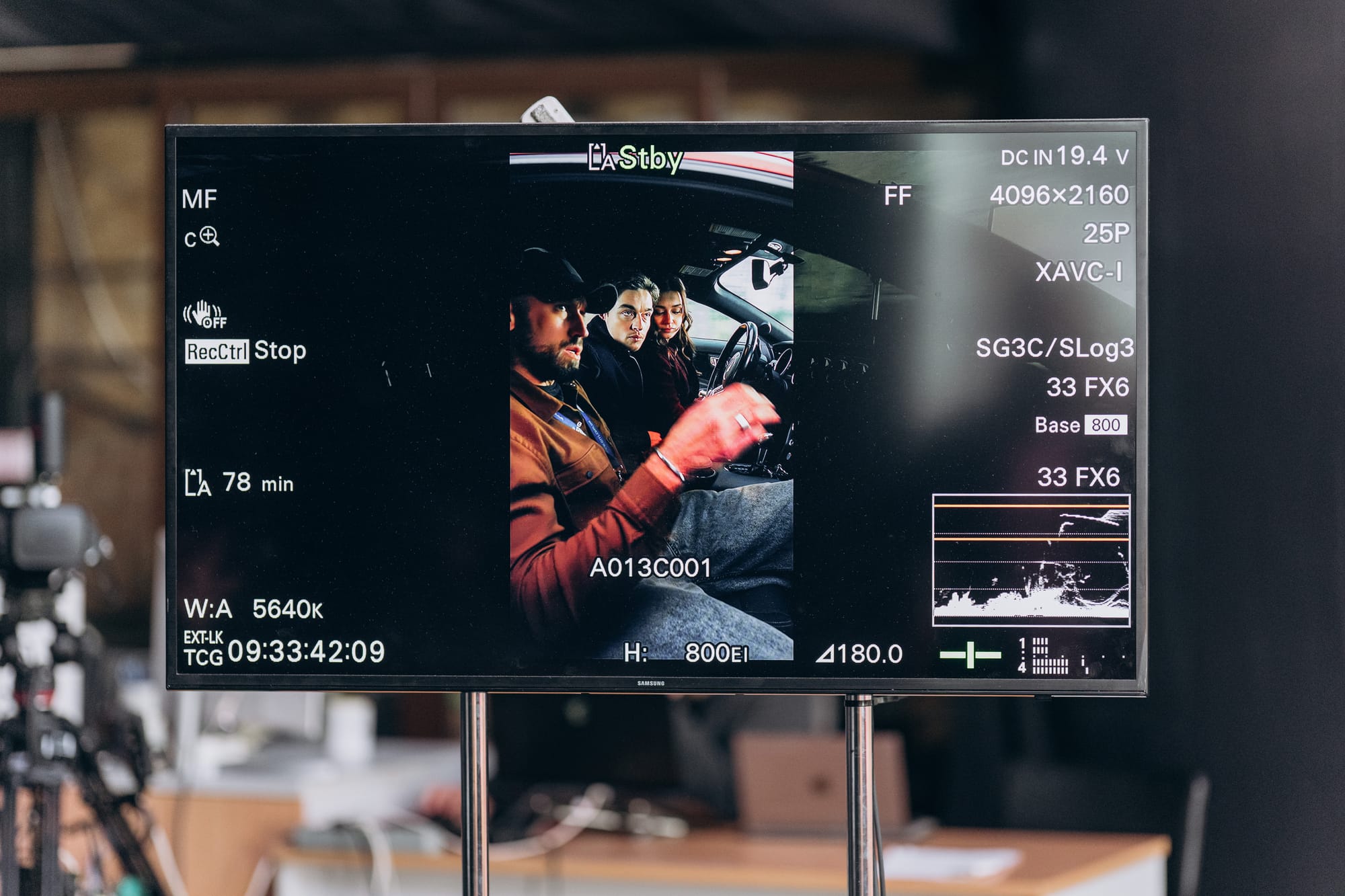
Six months after wrapping, Chernyshov was direct about the limits of what they'd built.
Dynamic complexity. Crashes and chaotic high-speed sequences with multiple elements in motion remain unpredictable. Every sequence of this type requires significant human supervision — regeneration passes, refinement, editorial selection from multiple attempts. The reverse-generation workaround was ingenious. It was also evidence that the underlying problem hadn't been solved.
Consistency. Maintaining the same character appearance, surface textures, and fine visual details across multiple shots within a single scene is still difficult in longer sequences. Each generated frame is its own artifact. Making them cohere requires attention that a mature pipeline shouldn't need.
Repeatability. Complex new use cases often require building a custom process almost from scratch. The expertise embedded in this production doesn't automatically transfer to the next project.
"If we were starting the project again today, we would allocate more time for testing and experimentation during the early stages. We would also define more clearly which tasks could be entrusted to AI from the outset and which would require human oversight from day one. That approach would have saved a considerable number of iterations throughout production."
What This Experiment Actually Proves
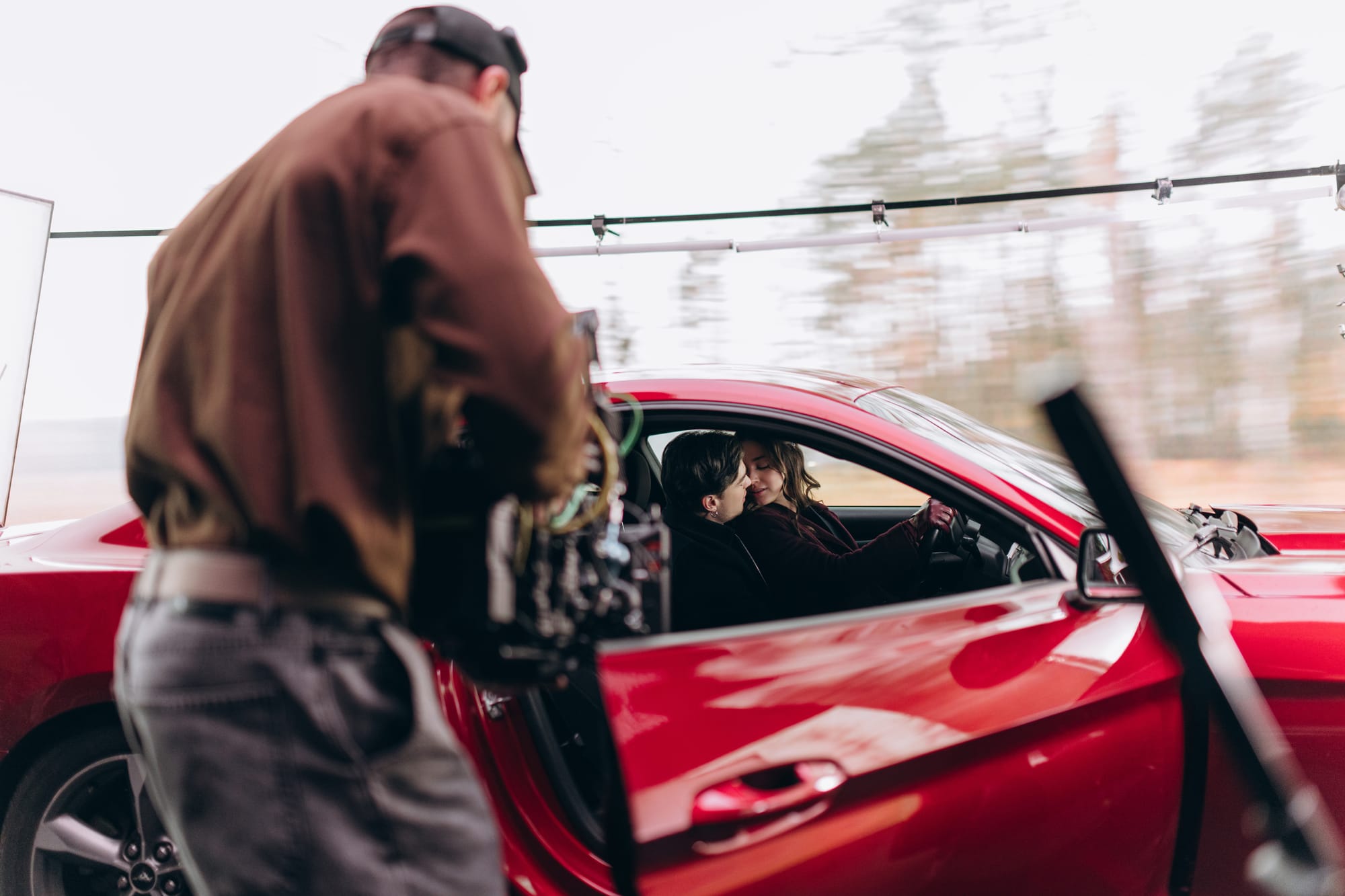
Overdrive to My Heart was not commissioned by a platform and was not produced under a pre-existing distribution agreement. AMO developed it internally, then took it to market. My Drama licensed the global rights after the project was complete.
"The goal was to build the product first, demonstrate what could be achieved, and only then find a distribution partner capable of recognizing its value."
The argument the team most wanted to make isn't about cost.
"The industry needs to recognize that the true value of AI is not simply cost reduction — it is the unprecedented creative flexibility it brings to post-production. In traditional filmmaking, changing the edit of an action sequence or a racing scene often means expensive reshoots or extensive 3D work. AI fundamentally changes that equation."
The ability to revise, regenerate, and refine after the shoot is finished changes when decisions get made — and therefore who has creative control at each stage. For a format that has historically required almost everything locked before cameras roll, that's a meaningful shift.
Whether another studio could follow the same path is the harder question. The pipeline evolved alongside technology that kept changing. It's partly transferable and partly bespoke — the kind of workflow that lives in the people who built it rather than in any document they could hand over.
Overdrive to My Heart is evidence that this kind of production judgment is developable. The process isn't transferable. The judgment might be.
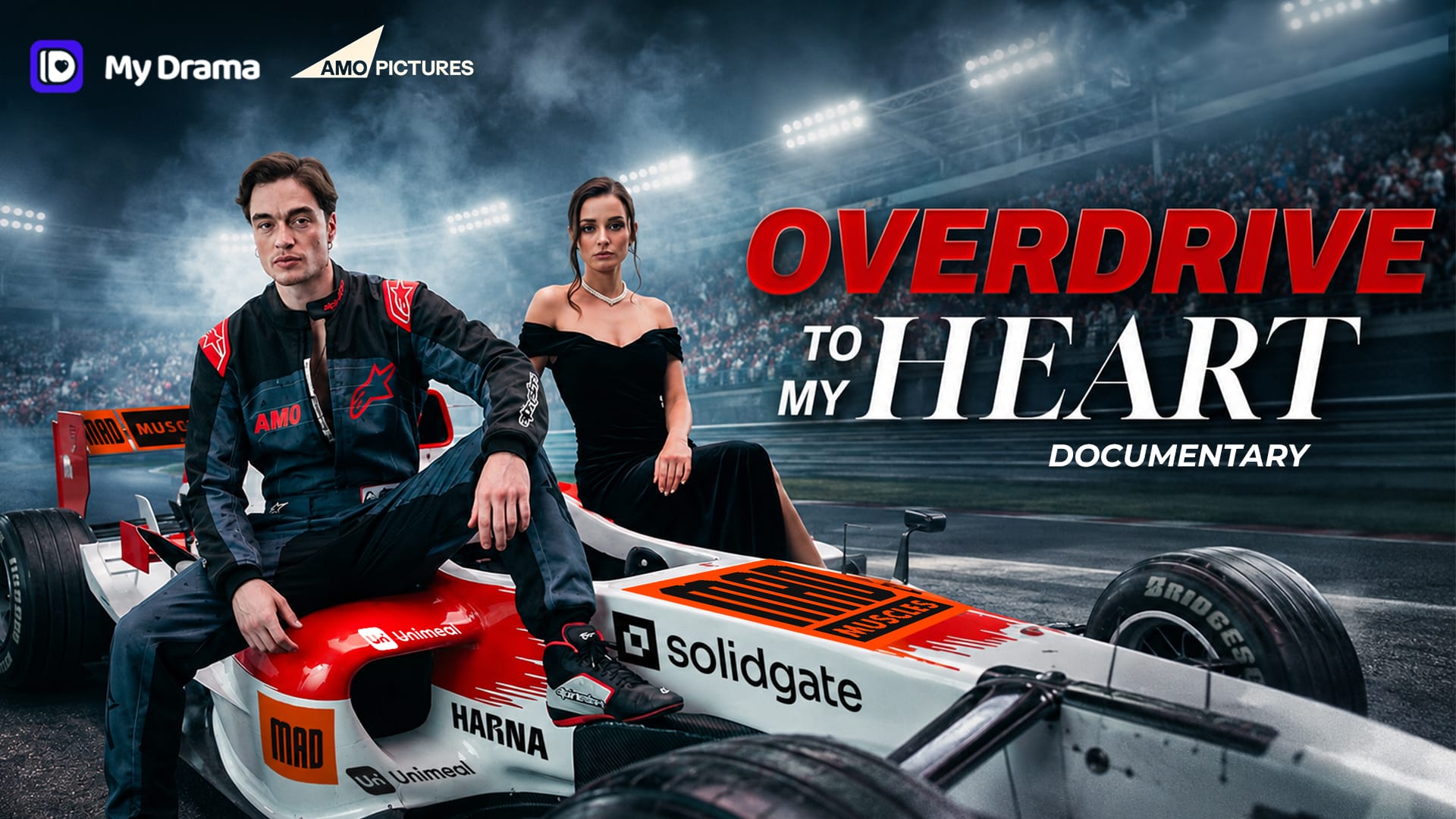
Overdrive to My Heart is available on MyDrama globally. AMO Pictures is based in Kyiv, Ukraine.

If This Found You More From the Field From the Same World
AI Is Rewriting the Vertical Short Drama Industry
Fully AI-generated series are already moving through real distribution pipelines. A look at what's entering the market without a live-action budget — and what it means for the industry.
 Real Reel
BKSTG: Producing a Vertical Drama on Your Own Terms
Producer Lee C. Zhang on making His Princess from Nowhere with no platform brief, eight days on set, and a cinematographer's approach to a format that usually doesn't allow for one.
 Real Reel