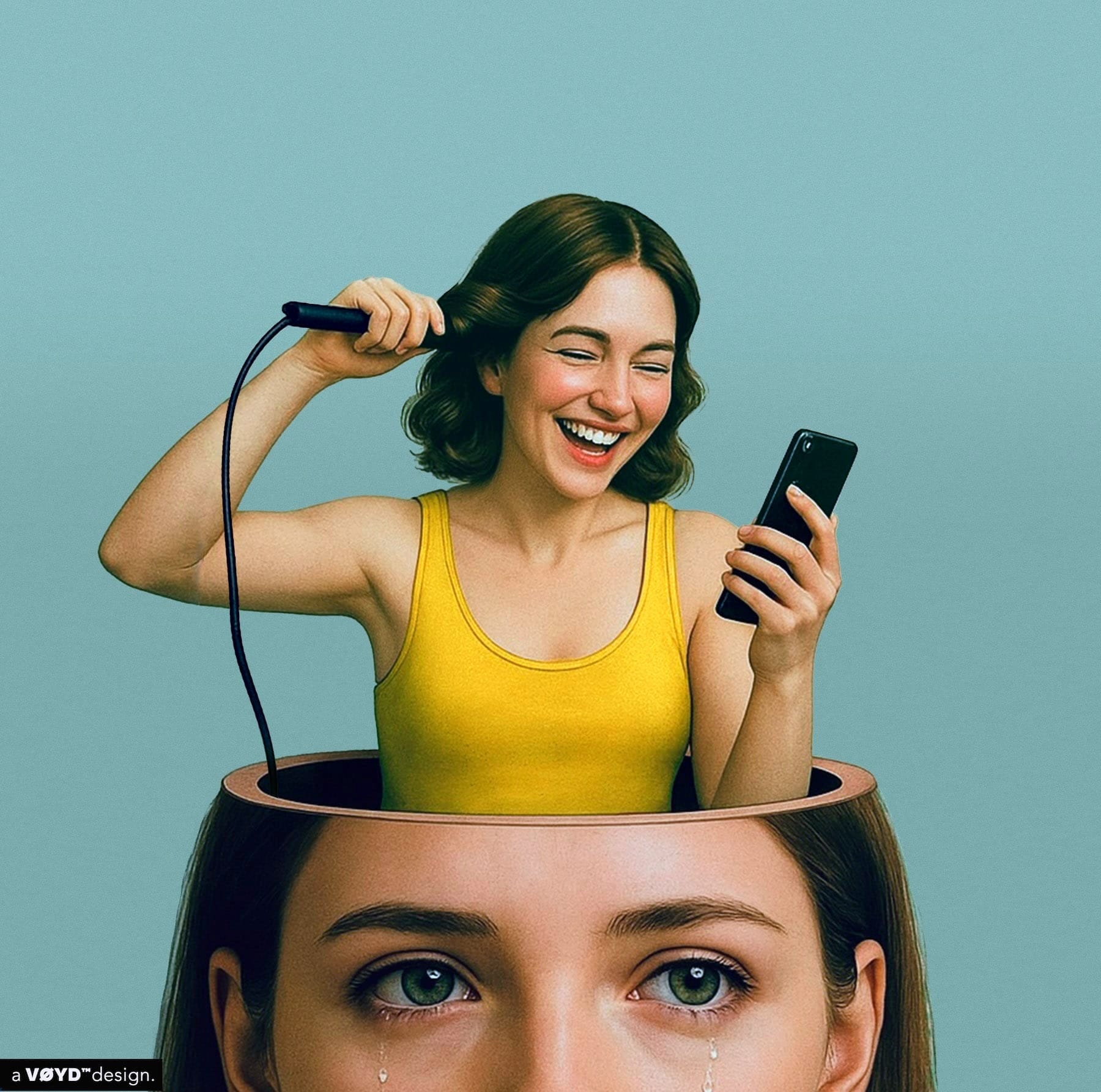
Genre experimentation in vertical drama is rare, and commercially risky. CandyJar's Superfan tests how far the microdrama format can stretch by combining horror parody, fandom satire, and live music marketing into a single vertical video release. With The All-American Rejects playing themselves and a new song embedded directly into the plot, it represents one of the most structurally unusual branded vertical drama productions to date.
⚈ ⚈
It is absurd. It is chaotic.
And it knows exactly what it is.
-
Review by Aline
from I Love Verticals
When Vertical Storytelling Meets Music Marketing and Embraces the Chaos
In a landscape often criticized for recycling the same formulas, Superfan feels like a genuine anomaly. Starring Anna Lore, members of The All-American Rejects, Eric Guilmette, and an impressive lineup of Vertical stars in cameo appearances, the CandyJar production has quickly become one of the most debated releases in recent memory.
And honestly, that might be its greatest achievement.
At a time when many Verticals rely on familiar ingredients such as secret billionaires, revenge marriages, fated mates, and love triangles, Superfan takes a completely different route. It is a comedy, a horror parody, a piece of music marketing, and a love letter to fandom culture all at once. The result is something that feels unlike anything else currently available in VertiLand, yet somehow still remains unmistakably a Vertical.
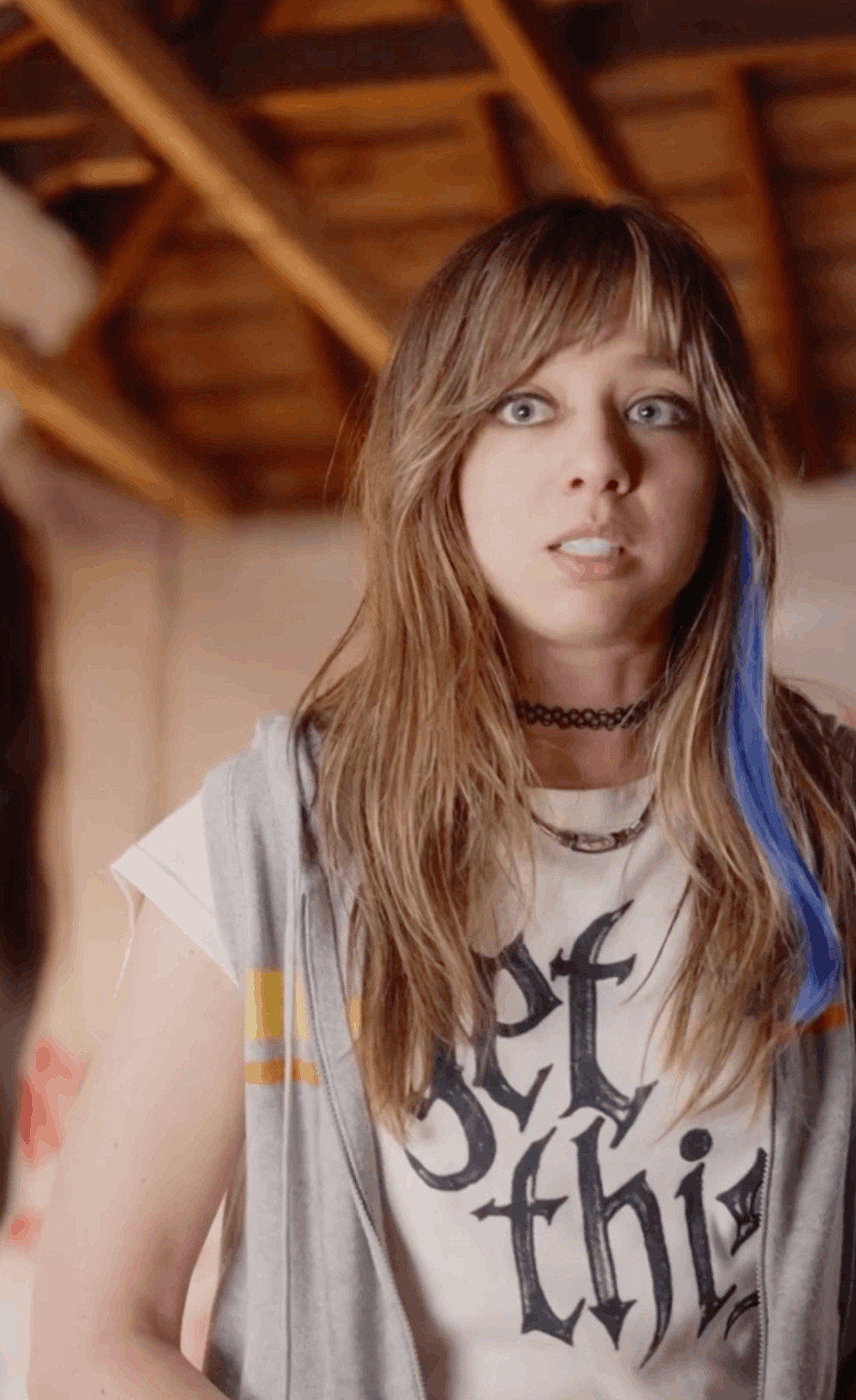
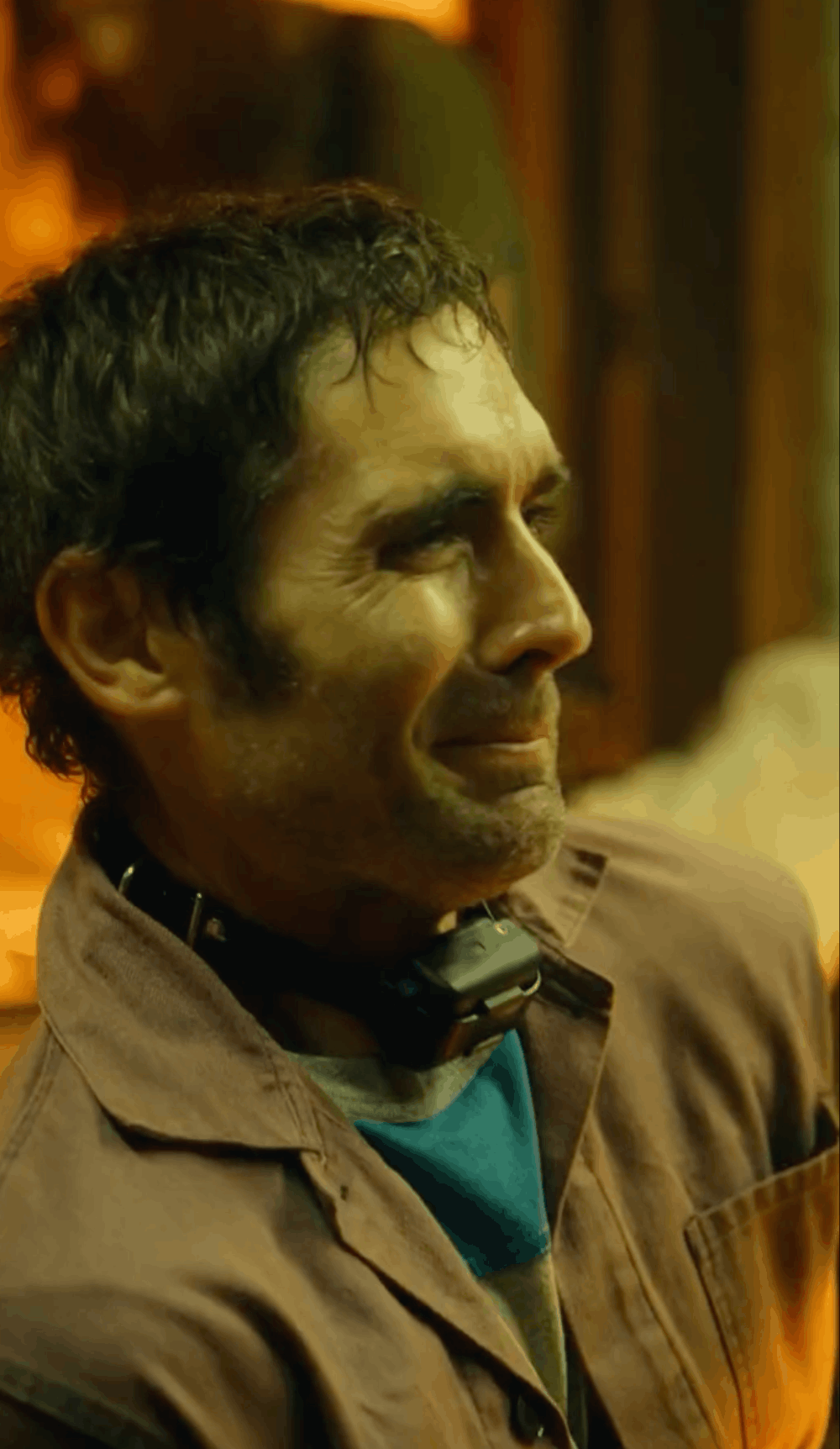
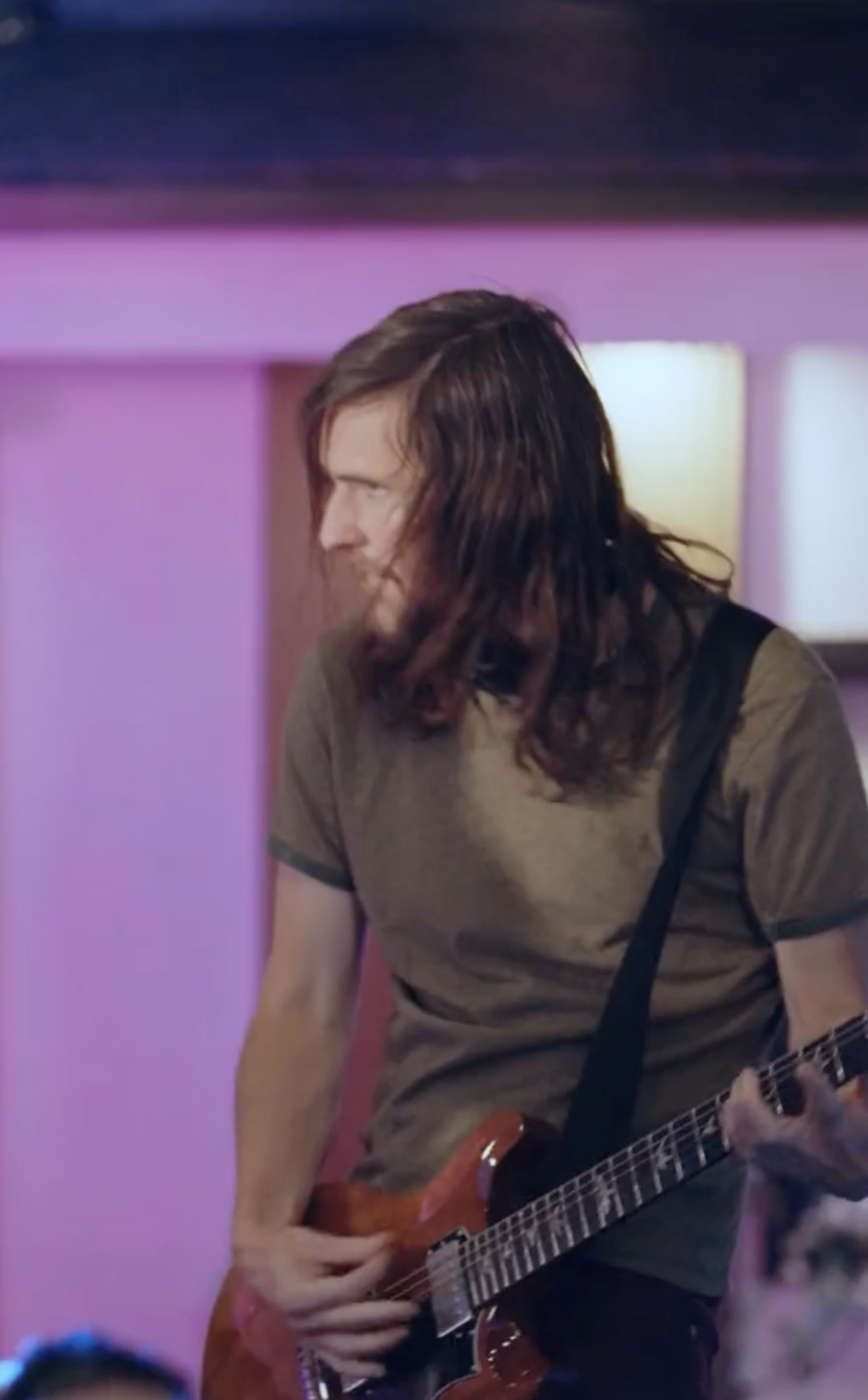
The premise alone is enough to separate it from the crowd. Inspired by Stephen King's Misery, the story follows Danica, an obsessive fan of The All-American Rejects who desperately wants the band to release new music. While most fans would settle for posting comments online or sending messages on social media, Danica takes a considerably more extreme approach. After getting close to the band's manager Josh, she eventually kidnaps the band members themselves in an attempt to force them into creating a new album.
It is absurd. It is chaotic.
And it knows exactly what it is.
The script never attempts to convince viewers that any of this should be taken seriously. Instead, it fully embraces the ridiculous nature of its premise and invites the audience to do the same. That self-awareness becomes one of the production's greatest strengths.
What particularly stood out to me was how heavily the series leans into early-2000s nostalgia. References to the band's career, music, and cultural relevance are woven throughout the story. For viewers who grew up during the pop-punk and alternative rock era, the effect can be surprisingly powerful.
▙ ▙
Superfan removes that comfort zone...
Aline
As a millennial, I found myself immediately connecting with that atmosphere. While I wasn't personally a devoted All-American Rejects fan growing up, I was absolutely part of the generation that spent countless hours listening to similar bands. The energy, humor, and references felt familiar in a way that triggered a genuine sense of nostalgia. That emotional connection made it much easier to buy into the intentionally ridiculous premise.
Of course, nostalgia alone would not have been enough.
Comedy remains one of the most subjective genres in entertainment. Not every joke lands, and Superfan certainly contains moments that will work better for some viewers than others. Several gags had me laughing out loud, while others felt intentionally silly. Interestingly, some of the jokes I enjoyed most were the same ones that friends of mine found completely ridiculous. That division perfectly reflects the broader reception of the series itself.
Because if there is one thing that has become clear since release, it is that Superfan has split the Vertical community.
Some viewers absolutely loved it. Others strongly disliked it. Yet even among many critics of the project, there seems to be broad agreement on one important point: VertiLand needs more experimentation.
The debate surrounding Superfan actually highlights a larger issue within the Vertical ecosystem. For the past 3 years, audiences have become accustomed to specific storytelling patterns. While those formulas exist for a reason and often work extremely well, they also create expectations. Viewers know what they're getting before pressing play.
Superfan removes that comfort zone.
It asks audiences to engage with a completely different style of storytelling, one that relies heavily on parody, satire, music culture, and self-referential humor. Naturally, not everyone will respond positively to that shift. But innovation rarely succeeds by appealing equally to everyone.
▙ ▙
The music is central to the plot - not an interruption to it...
Aline
Beyond its entertainment value, the project is also fascinating as a case study in modern marketing.
Unlike many branded entertainment efforts that awkwardly insert products into stories, Superfan builds its promotional purpose directly into the narrative. The All-American Rejects are not hidden behind fictional characters. They play themselves. The music is central to the plot. The release of their new song becomes part of the story's DNA rather than an interruption to it.
In that sense, Superfan represents a particularly smart use of the Vertical format.
Rather than relying solely on traditional social media campaigns, the band chose to enter one of the fastest-growing storytelling spaces in digital entertainment.
More importantly, they partnered with creators who understand the Vertical medium. Eric Guilmette's involvement as both actor and producer is particularly significant because it demonstrates an effort to bridge mainstream entertainment and VertiLand in a way that respects both audiences.
Whether the strategy ultimately succeeds in attracting new viewers remains difficult to measure. Some fans undoubtedly arrived because of the band. Others came because of the Vertical talent involved. The long-term impact remains to be seen.
What is easier to measure is the conversation the project generated.
Since the release, viewers debated the humor, the concept, the marketing approach, and the future of genre experimentation within Vertical storytelling. Those conversations are valuable. They create opportunities for creators, platforms, and audiences to collectively define what the medium can become.
CandyJar took a genuine risk with Superfan. Not every viewer embraced it. Not every joke landed. Not every creative choice will age perfectly.
But the willingness to try something new deserves recognition.
▙ ▙
Not every joke landed. Not every creative choice will age perfectly...
Aline
Another interesting aspect of Superfan is the way it touches on parasocial relationships. While the story is obviously fictional and intentionally exaggerated for comedic effect, it still highlights a very real phenomenon that exists across entertainment spaces, including VertiLand.
Social media allows fans to feel closer than ever to the artists, actors, and creators they admire. Through interviews, livestreams, behind-the-scenes content, and daily updates, it can sometimes feel like audiences truly know the people they follow. In reality, however, the relationship only goes one way. Fans may know a great deal about a creative, but that creative cannot possibly know every individual fan in return.
For most people, this imbalance is perfectly understood and accepted. However, for a small minority, the line between admiration and personal attachment can become blurred. Danica's behavior in Superfan is deliberately extreme and does not represent the overwhelming majority of fans, but the character serves as a humorous exaggeration of a real issue.
The Vertical community itself has occasionally experienced situations where parasocial attachments have crossed healthy boundaries, creating uncomfortable or problematic circumstances for actors and creators. While Superfan never stops being a comedy, its premise subtly reminds viewers of the importance of maintaining that distinction between supporting a creative's work and believing you have a personal relationship with them.
In many ways, that's what makes the project more interesting than it first appears. Beneath the absurd kidnapping plot and over-the-top humor lies a surprisingly relevant commentary on modern fandom culture. It proves that even the most chaotic Vertical can still spark meaningful conversations within the community.
If VertiLand hopes to continue growing, it cannot survive solely on recycled formulas. New genres, new tones, and new experiments are essential, even when they divide audiences. Some will fail. Others will find unexpected success. All of them help expand the possibilities of the medium.
Superfan may not be universally loved, but it is undeniably memorable.
And in an industry where standing out is becoming increasingly difficult, that alone makes it an important release.
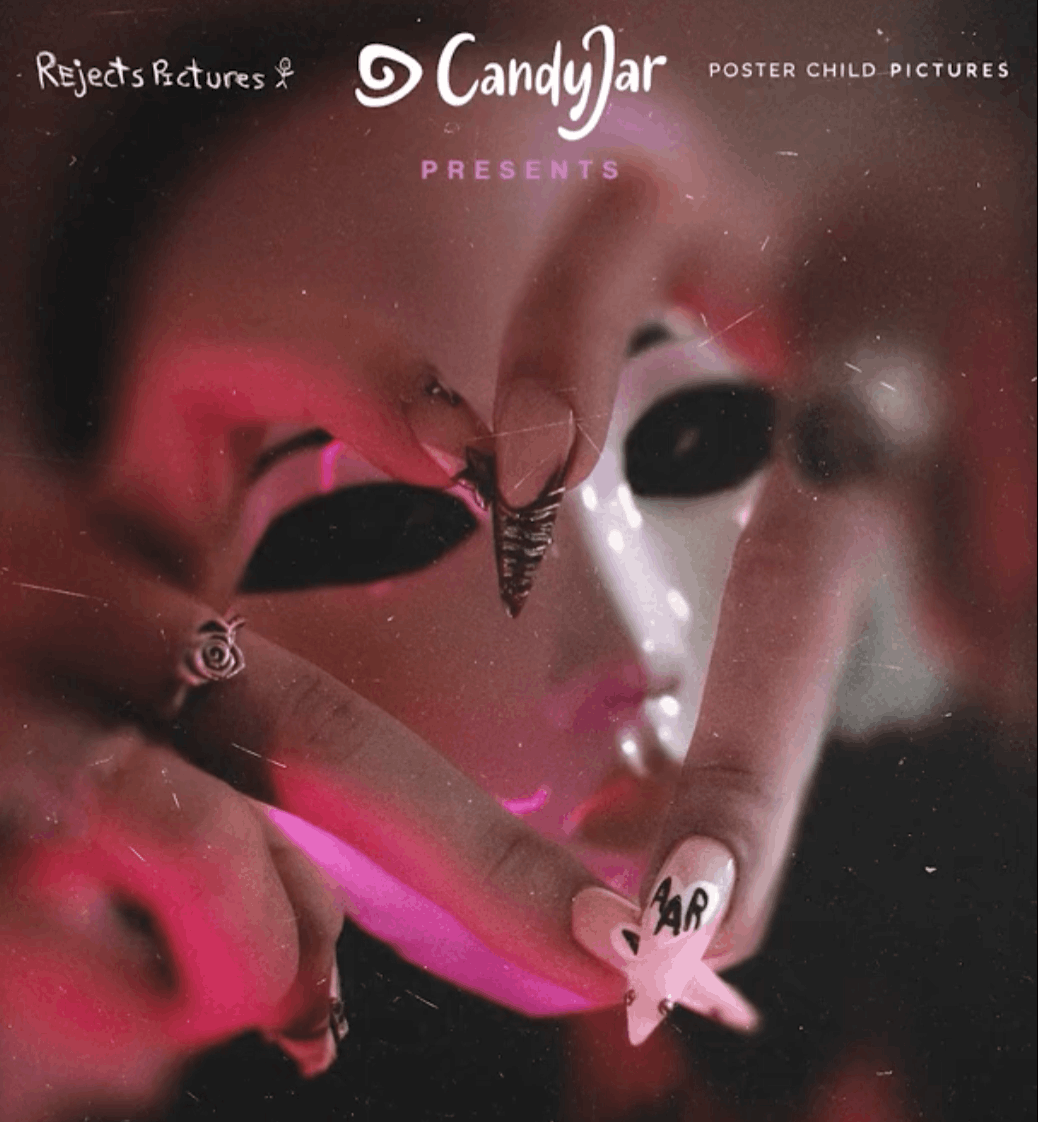
Available on CandyJar
Directed by Michael Reich
Written by Sarah Eisenberg & Becky Wangberg
Starring Anna Lore, Eric Guilmette, The All-American Rejects members, Jason Scott Jenkins, Ryan Seacrest
Cameo from Nick Ritacco, Brooke Moltrum, Rebecca Stoughton, Mark Pontarelli, Tiffany Alvord, Sarah Moliski, Jeff Violette, Kelsey Maskell
Images used in this article are sourced from the public internet and are presented for editorial context only. All rights remain with their respective owners.
Credits
Written by Liz
Design & Motion by VØYD
More Reviews From Aline
- Fever Cage — DramaPops pushes vertical drama into psychological territory, showing how genre diversification and higher production standards are beginning to reshape what microdrama can carry.
 Aline
Aline
- Love & Blood — a Western vertical that prioritizes narrative depth over shock value, and in doing so redefines what the format can be.
 Aline
Aline
✱