Industry analysis of the global vertical drama and microdrama market.
⦿⦿
When Netflix adds a vertical feed and a Hollywood actor launches a distribution platform in the same week, that's not a coincidence, that's a format arriving.
Week of Apr 27-May 3, 2026
This week, vertical drama moved on three fronts simultaneously. Netflix launched Clips, a vertical video discovery feed now live in nine markets, the clearest signal yet that mainstream streaming infrastructure is orienting toward portrait-mode content. Taye Diggs announced Microhouse Films, a creator-owned microdrama distribution platform. And the UK's first production group microdrama development push went public. The format is no longer waiting for legitimacy.
LA Vertical Drama Market Opens This Week in Hollywood, Apollo Awards to Debut May 10
LA Vertical Drama Market opens its second edition Wednesday, May 7, running through May 10 at FAB Factory Entertainment in Hollywood. The four-day program includes 8 craft labs: covering writing, directing, acting, cinematography, stunt coordination, intimacy coordination, and a new Gen AI Lab, alongside 10 panels and 6 conversations spanning topics from IP strategy and brand integration to the LA production landscape. A pitch competition, VertIGo, runs in parallel, open to scripts and proof-of-concept submissions. The market closes with the IAVA Apollo Awards gala on May 10, the first industry awards dedicated to vertical drama, with 15 categories across performance, craft, and technology, judged by peer jury. Passes remain available; one-day access starts at $149.
Panel titles this edition are worth noting: "Verticals in LA: to go or to stay?" and "Will brands save Vertical Dramas?" signal where the industry's structural anxieties are sitting right now.

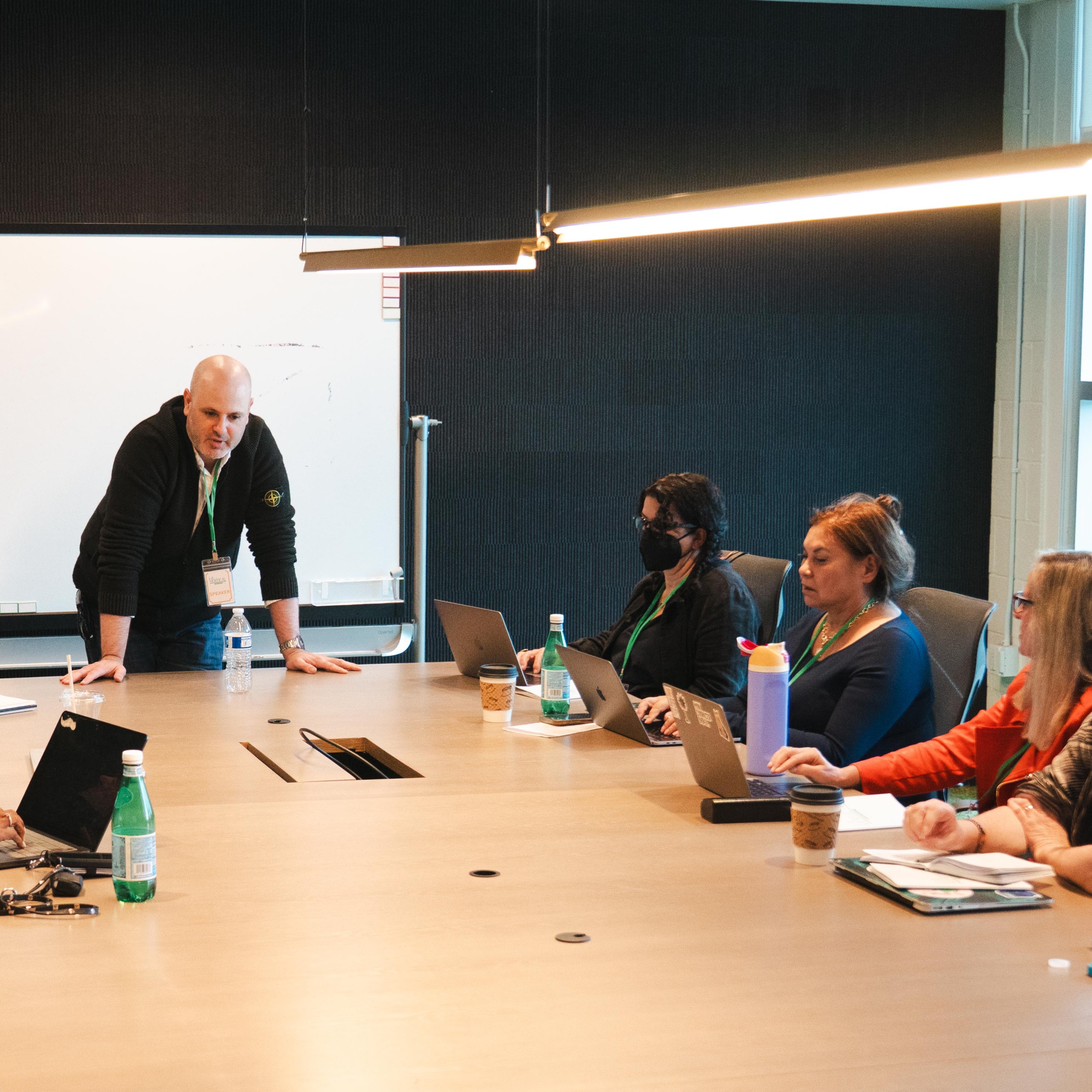
Netflix Launches "Clips" — A Vertical Video Feed Now Live in Nine Markets
On April 30, Netflix launched a redesigned mobile app in nine countries, the U.S., Canada, the U.K., Australia, India, Malaysia, Pakistan, the Philippines, and South Africa, with a vertical video discovery feed called "Clips" as its centerpiece feature. Clips delivers short, personalized vertical videos drawn from Netflix's existing library of series, films, and specials, calibrated to individual viewing history, with a direct tap-through to full titles. The company describes it as "a personalized highlight reel" for discovery. Full-length content still plays in landscape; Clips is a discovery layer, not a format shift. Netflix's CPO Elizabeth Stone framed the feature explicitly as a mobile-first investment: "our vision is to make our mobile experience as entertaining as what you watch." The rollout will expand globally in the months ahead, with plans to extend Clips to podcasts, live programming, and genre-based collections. Peacock and Tubi are separately adding vertical video experiences on mobile.
Netflix entering vertical video, even as a discovery mechanic rather than a content format, reframes the category. When the world's largest subscription streamer builds a swipeable vertical feed into its core mobile product, the format stops being something that competes with Netflix and starts being something Netflix uses.
 Todd Spangler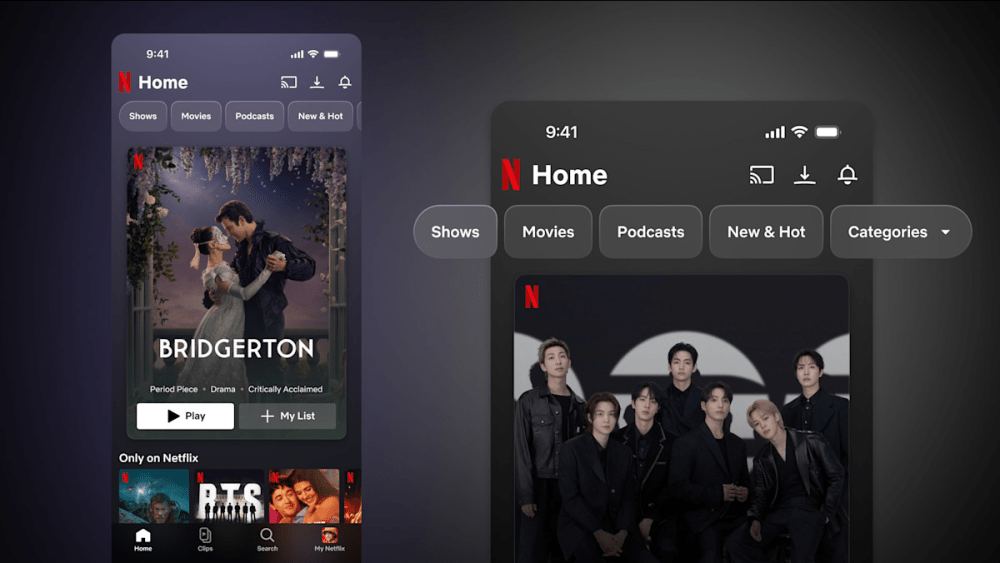
Taye Diggs Launches Microhouse Films — A Vertical Platform Built for Creators, Not Platforms
Actor Taye Diggs and partners Autumn Federici, Shelby Stone, James Black, and Troy Brookins announced Microhouse Films on April 30, a mobile-first vertical storytelling platform set to launch this spring. The announcement follows the group's collaboration on Tides of Temptation, a microdrama offshoot of Lifetime's Terry McMillan Presents: Paradise With You, which Diggs stars in. Microhouse is structurally distinct from ReelShort or DramaBox: it positions itself as an open distribution layer where filmmakers produce, upload, and monetize their own content within a single platform, with no fee to host or upload. Creators control which episodes are free and which go behind an in-app coin paywall, retaining pricing and revenue strategy. Diggs is also currently starring in a CandyJar microdrama and has previously produced at least one other vertical project, this is not a one-off talent cameo.
Microhouse introduces a creator-owned distribution model into vertical drama, the first time a Hollywood talent has built platform infrastructure rather than just appeared in the format. If it scales, it changes the power geometry between creators, production companies, and apps.
Tess Patton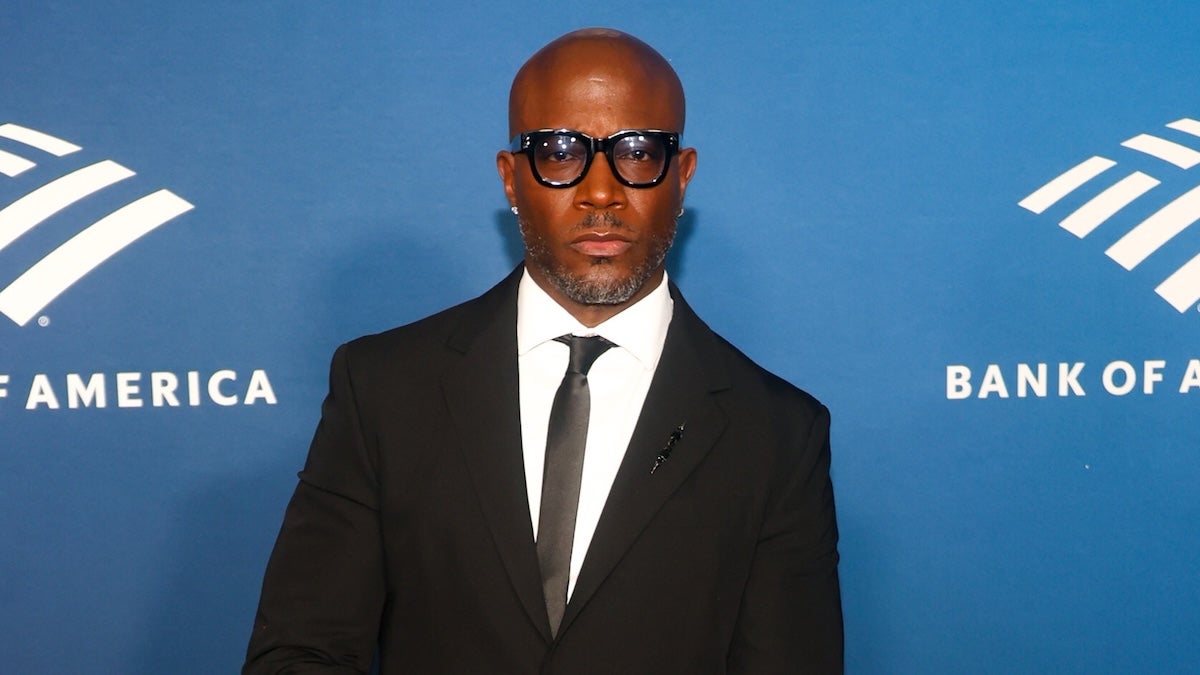
HighFive Converts Joe Mantegna's The Friendly Into Vertical Video — First Feature Film to Make the Jump
HighFive, an interactive studio app built by Jason Strickland and Kumbáli Satori, has converted The Friendly, a 2024 indie feature starring Joe Mantegna (Criminal Minds, The Simpsons), into a vertical video experience, making it the first feature film to undergo this kind of adaptation. The film, a romantic drama based on a true story involving PTSD and a service dog, was distributed on Tubi and Prime Video as a transactional download in February before the conversion. HighFive describes its toolset as a "Swiss army knife of AI features" built to give filmmakers a way to reformat existing content for vertical viewing. The conversion is not a trailer or a clip package, it's a full reframing of the feature for portrait-mode consumption.
Feature film library conversion is a new monetization vector that hasn't been tested at this level before. HighFive's model suggests that AI-assisted vertical reformatting could become a standard post-distribution window for indie and mid-budget films, opening a mobile redistribution path that rights holders haven't had before.
Jesse Whittock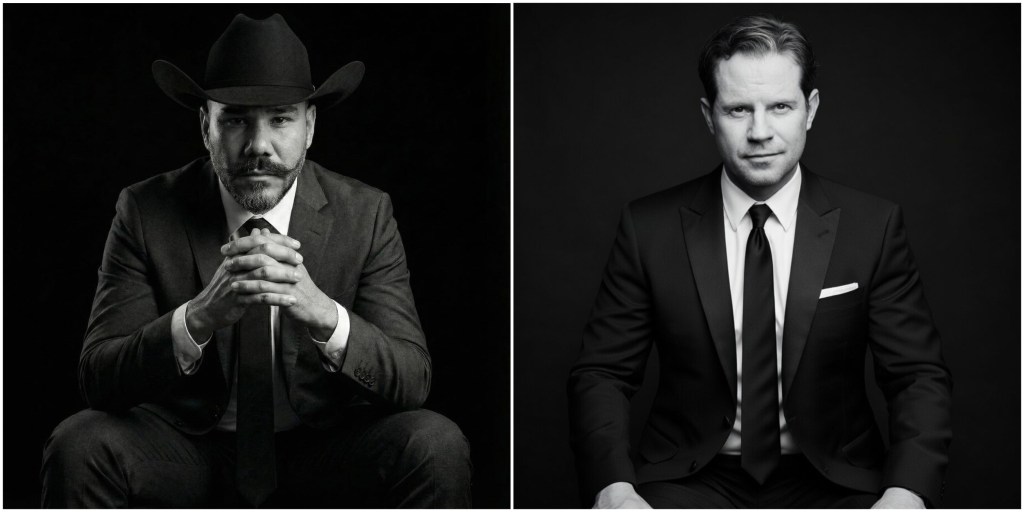
STV Studios and Fan Club Begin UK's First Microdrama Development Push
STV Studios, the Glasgow-based production group that owns more than 20 scripted and unscripted labels including the makers of Netflix's upcoming The Witness and BBC's Blue Lights, confirmed it is working with its digital subsidiary Fan Club on the UK production group's first steps into microdrama. Fan Club was founded by Joe Churchill, former Digital Commissioning Editor at Channel 4, and received a minority investment from STV Studios when it launched in 2025. Churchill told C21 that Fan Club is currently in development on at least one microdrama with a scripted company in the STV portfolio, with plans to bring a brand partner to market. He framed the UK opportunity not as competing with ReelShort-style entertainment apps, but as filling a gap in "premium, high-end, well-crafted, grown-up storytelling in the microdrama form."
STV's entry signals that the UK's route into vertical drama is likely to run through branded content and premium short-form production, not standalone apps. That's a different commercial logic, and potentially a more durable one for the European market.
Nico Franks
FlareFlow Hosts First Vertical Drama Love Fan Awards in Los Angeles
The inaugural Vertical Drama Love Fan Awards took place on April 23 at El Portal Theatre in Los Angeles, presented by FlareFlow (33M+ registered users, COL Group International). The event was created and independently run by Jen Cooper of @VerticalDramaLove, with every nomination, shortlist, and winner determined entirely by audience vote across 100+ countries. Attendees included Noah Fearnley, Nicole Mattox, and Eric Guilmette, the format's most recognizable recurring talent, alongside representatives from BuzzFeed Studios' vertical arm Halogen Cinema and talent agency Eris Talent. FlareFlow contributed one exclusive category, the Spark Award for bold creative risk-taking, but had no influence over any other outcome. Six sponsors backed the ceremony. Post-event coverage confirmed Fearnley as the night's dominant winner.
A fan-voted, live-venue awards night with a BuzzFeed Studios sponsorship is not a fan event, it's the beginning of a talent recognition infrastructure. Vertical drama now has the cultural apparatus of an established genre, built from the audience up.
Meagan Sargent
LA Film Office's Low-Impact Permit Program Takes Effect, Microdramas Among Primary Beneficiaries
FilmLA's "Low Impact Permit Pilot Program" went into effect April 27, following its announcement on April 21 by Mayor Karen Bass. The six-month pilot reduces permit application fees from $931 to $350 for productions with fewer than 30 cast and crew members, cuts per-location notification fees from $250 to $156, and waives LAFD spot check fees entirely. Qualifying shoots are capped at three consecutive days and three locations. FilmLA's CEO Denise Gutches described the principle as: when community impact is small, the review process should be simple. The initiative emerged from a June 2025 Board of Public Works hearing after FilmLA came under sustained criticism for creating barriers to small productions. A parallel motion from Councilmember Adrin Nazarian is advancing through council to potentially raise the crew threshold to 50.
The permit structure that disadvantaged low-budget vertical shoots in LA just got meaningfully cheaper. The qualifying criteria, small crew, short shoot, few locations, map almost precisely to how most US microdramas are currently produced.
Katie Kilkenny
✱